What happens to a sensor’s reading when the tissue it sits in stretches, pulses, or shifts? The device is not measuring from a motionless platform. A heart beats, a vessel expands, and muscles change shape; the implant moves with or against those tissues. That interaction can alter the sensor’s contact, the forces it experiences, and the body’s response to its presence. The challenge is to make a device that remains mechanically useful while living inside a changing environment.
A sensor needs a physical relationship
A sensor detects an input from its surroundings, such as pressure, temperature, electrical current, flow, or position [1]. Once implanted, its surroundings include living tissue that is never perfectly still. A pressure sensor, for example, must relate a force on its surface to a signal. If the surrounding tissue compresses it, shifts its position, or changes how tightly it contacts the device, the same biological event may produce a different mechanical situation at the sensor.
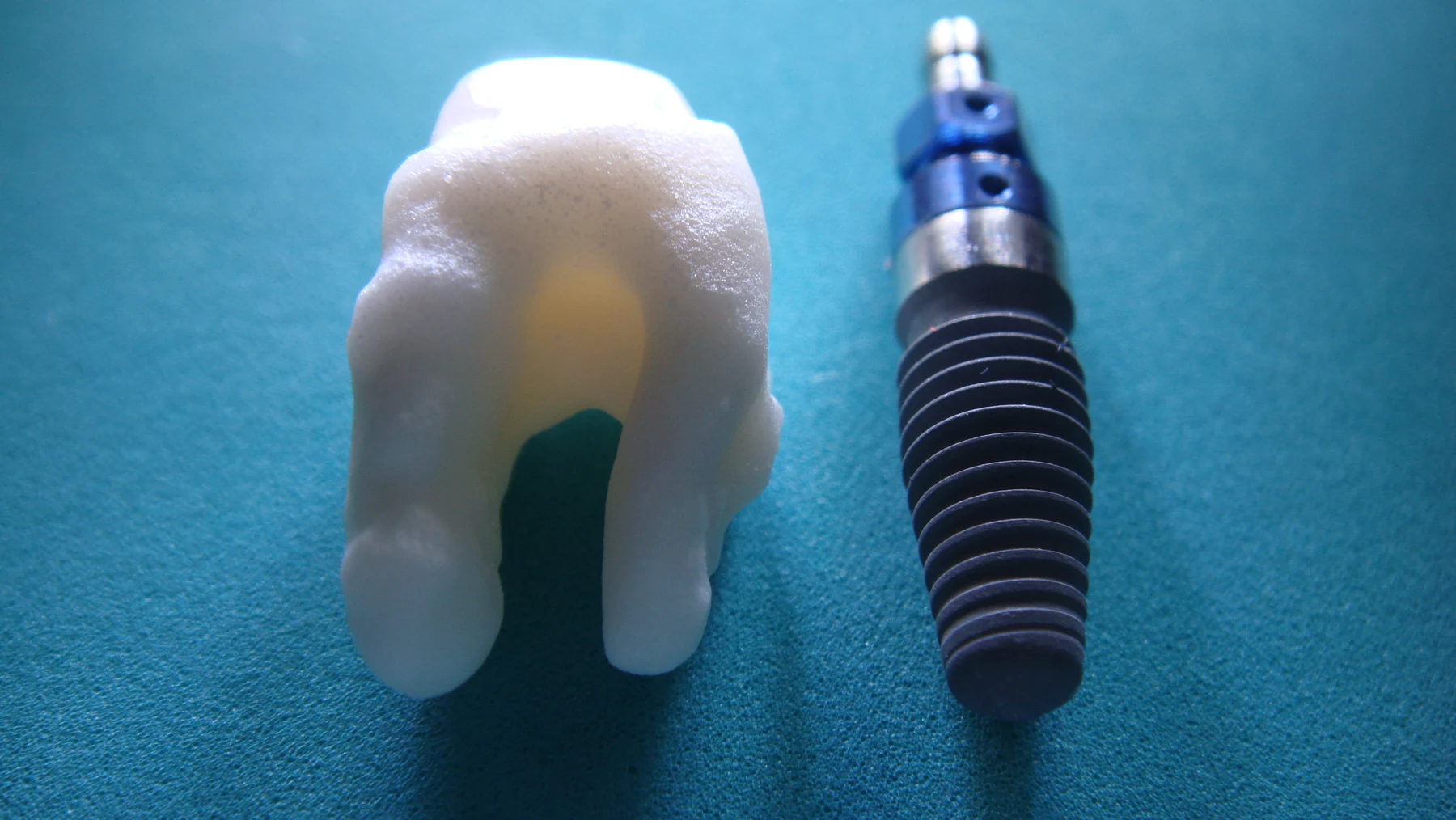
This is why implantation is not just a matter of placing a measuring element near a target. The device’s size, shape, stiffness, and attachment all influence what reaches the sensing element. A rigid object may preserve its own geometry while soft tissue bends around it; a flexible object may follow tissue movement but deform in ways that complicate calibration. The relevant design question is how the device and tissue share motion, not whether motion can be eliminated.
Mismatch creates forces
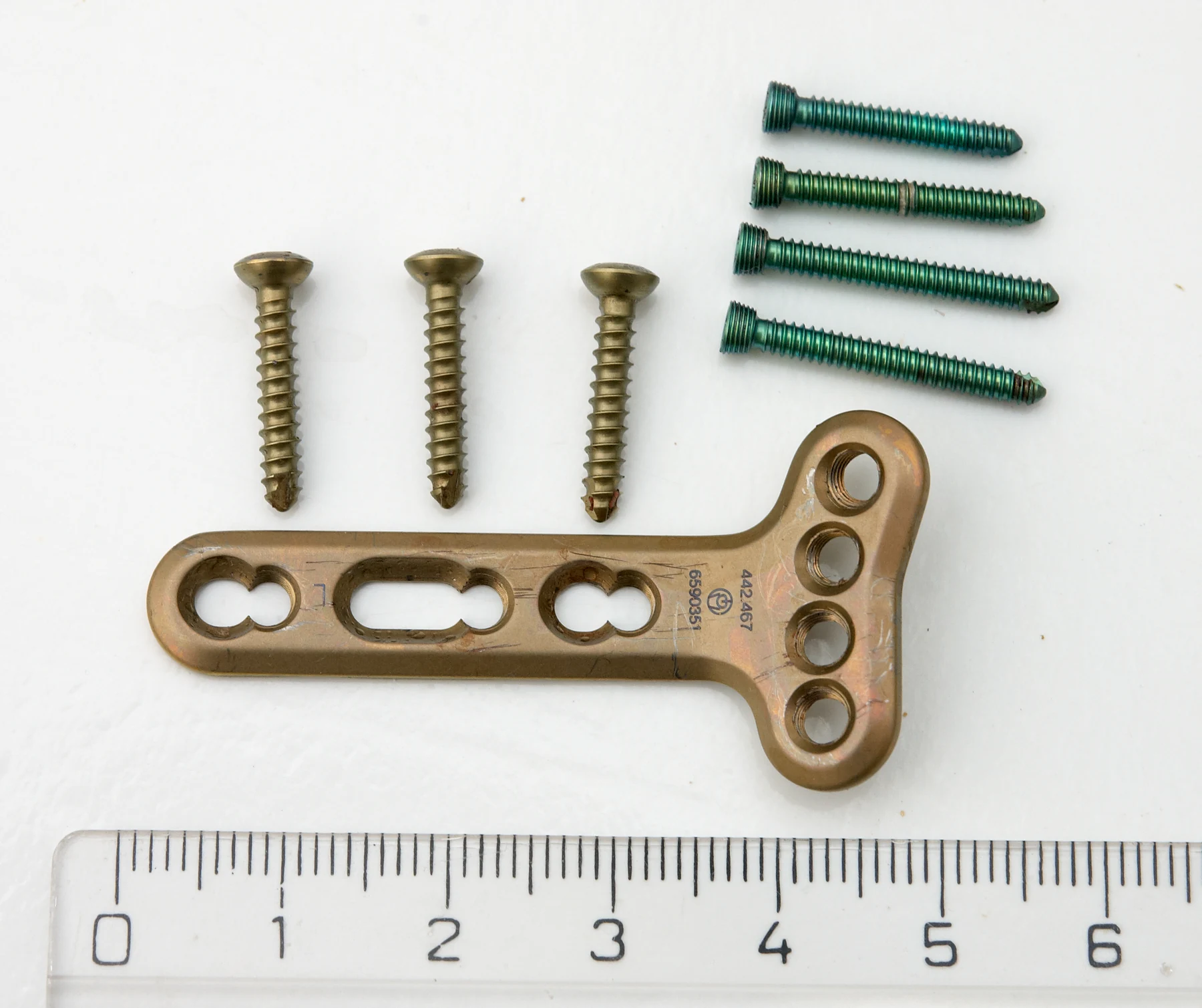
Materials differ in stiffness: how much they deform under a given force. When a stiff implant sits beside softer tissue, ordinary movement can concentrate stress near the boundary. Repeated cycles, such as a pulse or muscle contraction, may load that boundary again and again. In a mental experiment, compare a thin flexible patch moving with a bending arm to a rigid chip taped across the same bend. The patch can follow the curve; the chip tends to resist it, changing the forces at its edges.
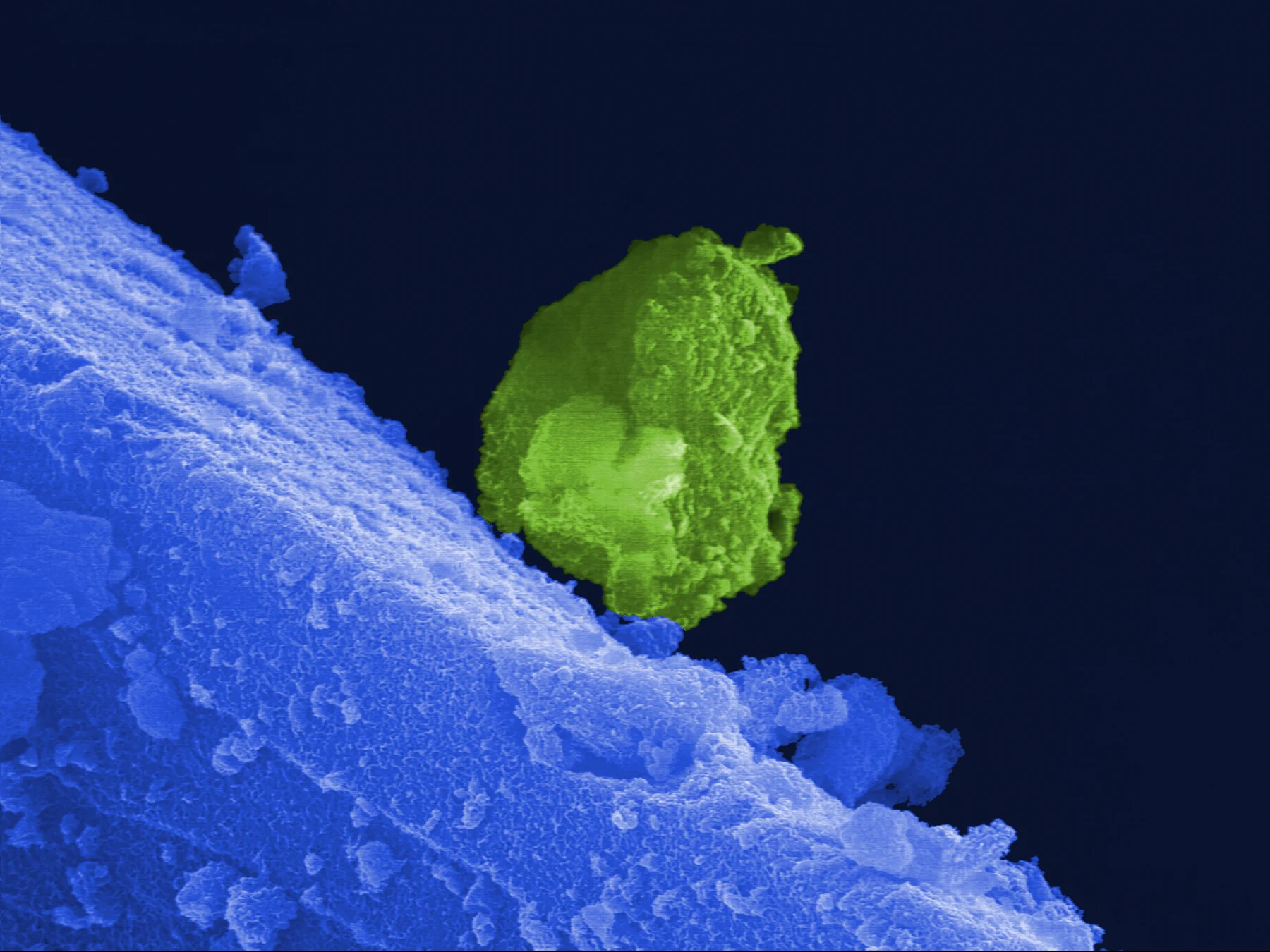
The body also responds biologically to foreign materials. The foreign body response can involve immune activity and, eventually, a layer of scar tissue around an implant. That response may hinder device function, cause pain, or contribute to additional procedures [2]. The signal path can therefore change over time: motion affects tissue and device contact, while the body’s reaction can change the material environment around the sensor.
Materials shape the interface
Biomaterials include metals, polymers, ceramics, and materials derived from natural structures. Their properties can be chosen for the job: strength and wear resistance for load-bearing devices, flexibility for vascular applications, or other characteristics suited to a particular function [2]. In some devices, designers seek materials that are biologically inert; in others, biodegradable materials may break down before a long-lasting foreign body response becomes a chronic problem [2]. No single material strategy suits every implant.
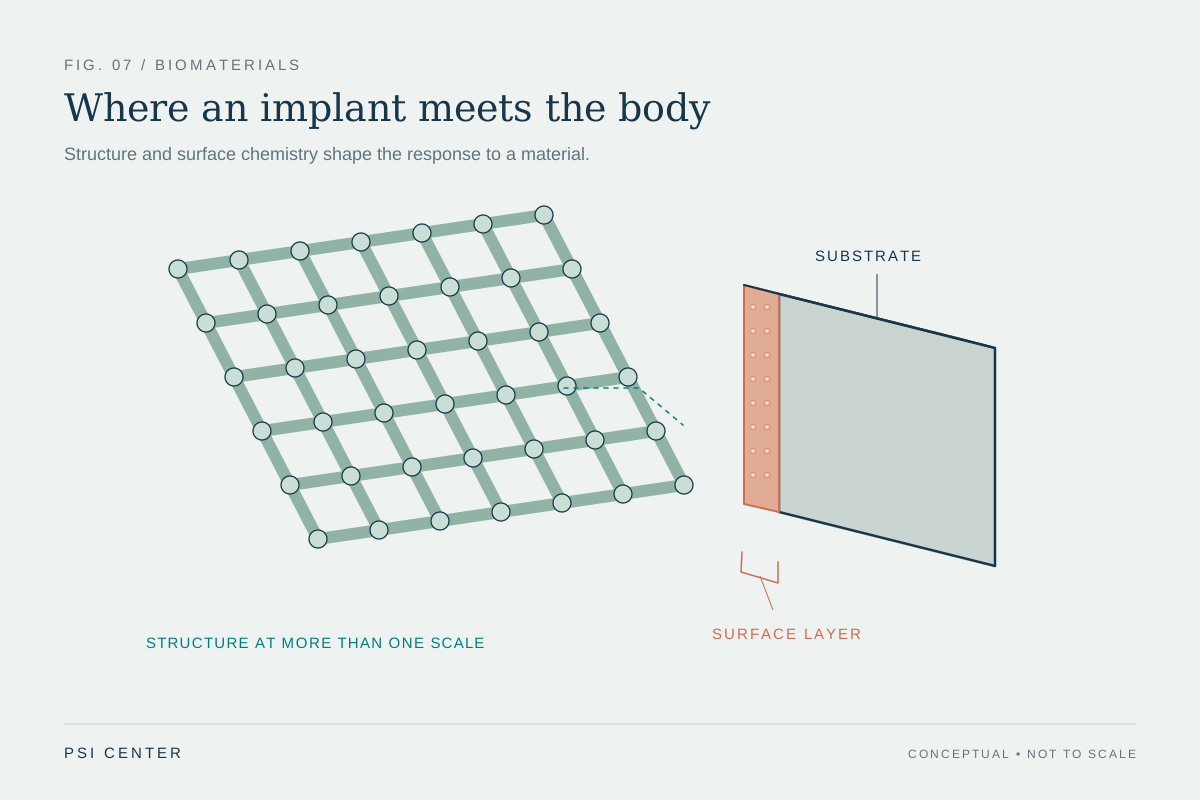
Another approach is to borrow features from the extracellular matrix, the natural scaffolding around cells. A material that matches aspects of native tissue’s stiffness, structure, or chemistry may provide cues that support integration. Hydroxyapatite, a mineral abundant in bone, is used as a coating on some orthopedic implants to encourage tissue ingrowth [2]. That example shows how a surface can influence the tissue-device boundary. It does not imply that any coating will solve motion-related sensing problems in every location.
Stability is a research question
A sensor’s useful life depends on more than whether it works on the day it is implanted. Researchers must consider whether it continues to detect the intended physical or biological process as the device experiences movement and as the body responds. A change in a reading might come from the physiology being measured, from altered contact, or from a changing interface. Separating those possibilities is part of making a measurement trustworthy.
Biomaterial research explores ways to make devices function more compatibly with tissue, including materials that mimic aspects of natural scaffolding and designs that restore or support tissue function [2]. These are design strategies, not a guarantee that every emerging material is clinically proven. Meanwhile, sensors range from familiar thermometers and pulse oximeters to research tools that are not practical for routine care [1]. The central engineering puzzle remains concrete: how to preserve a clear relationship between a changing body and the quantity the implant is supposed to measure.
Explore the physics: an explanatory diagram
Sources & further reading
- Sensors NIBIB
- Biomaterial Technologies NIBIB
Prepared for the independent PSI Center reading library. About edition dates and source checking.
This explainer describes scientific principles. It does not assess individual treatment choices.