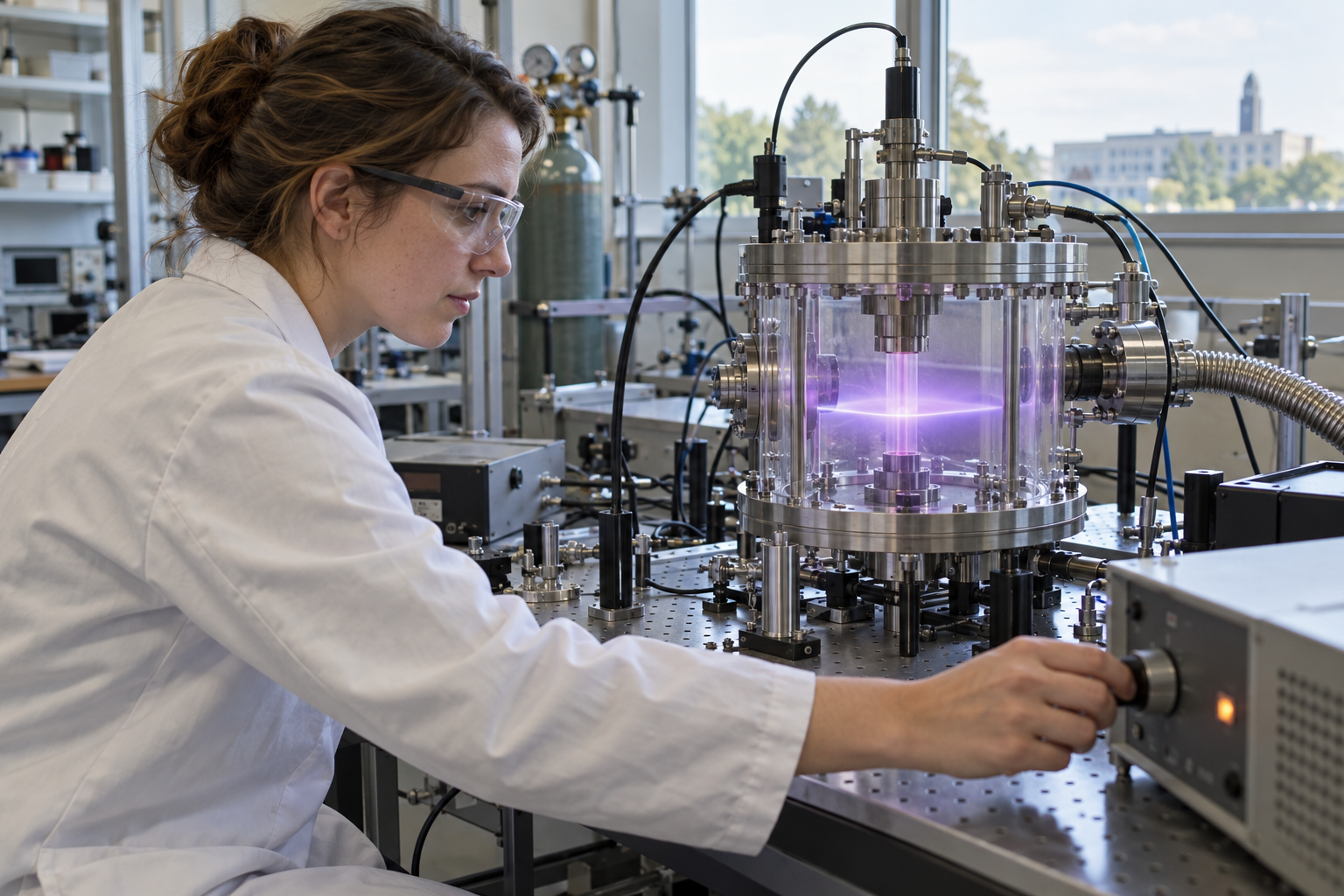
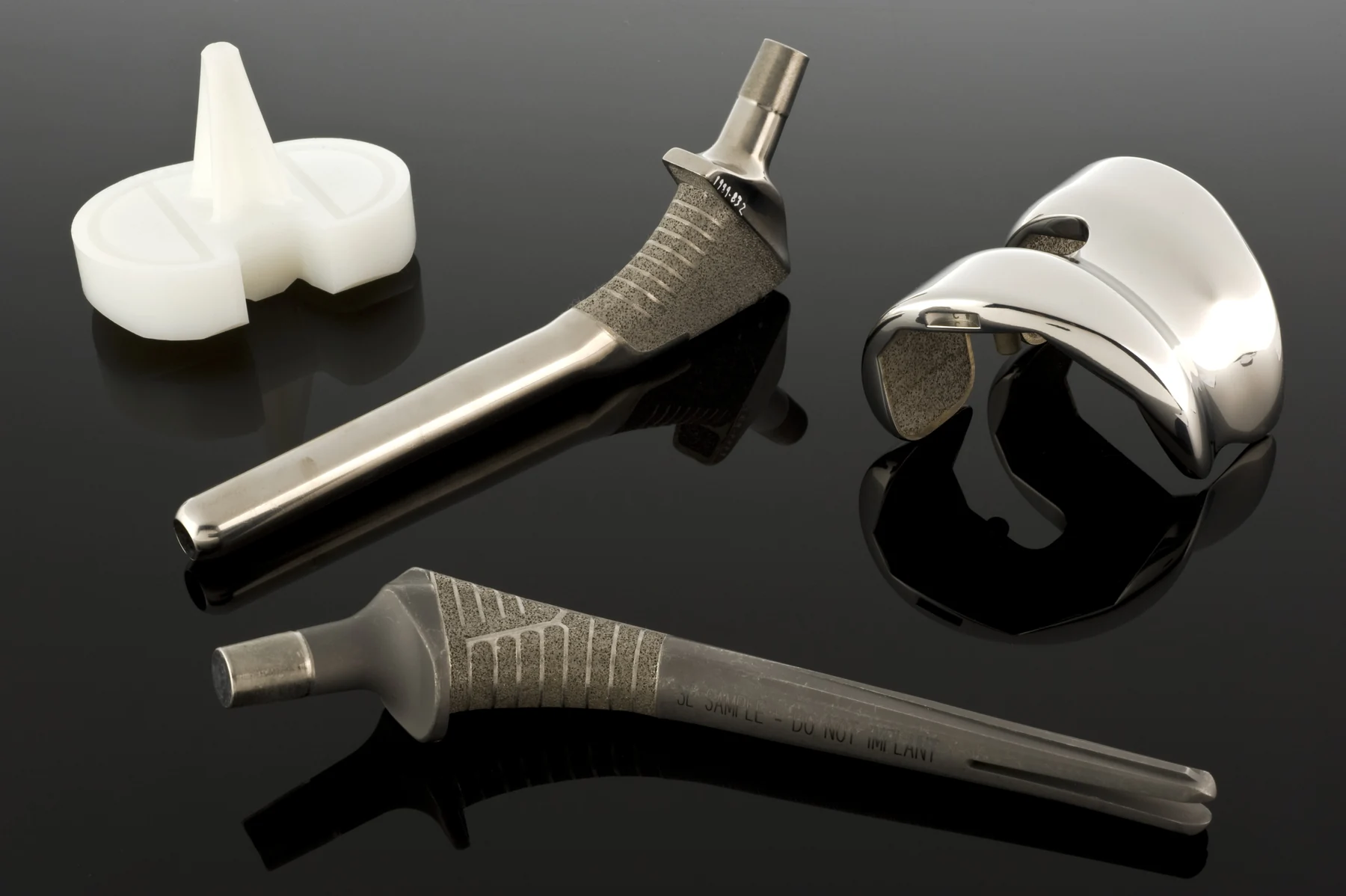
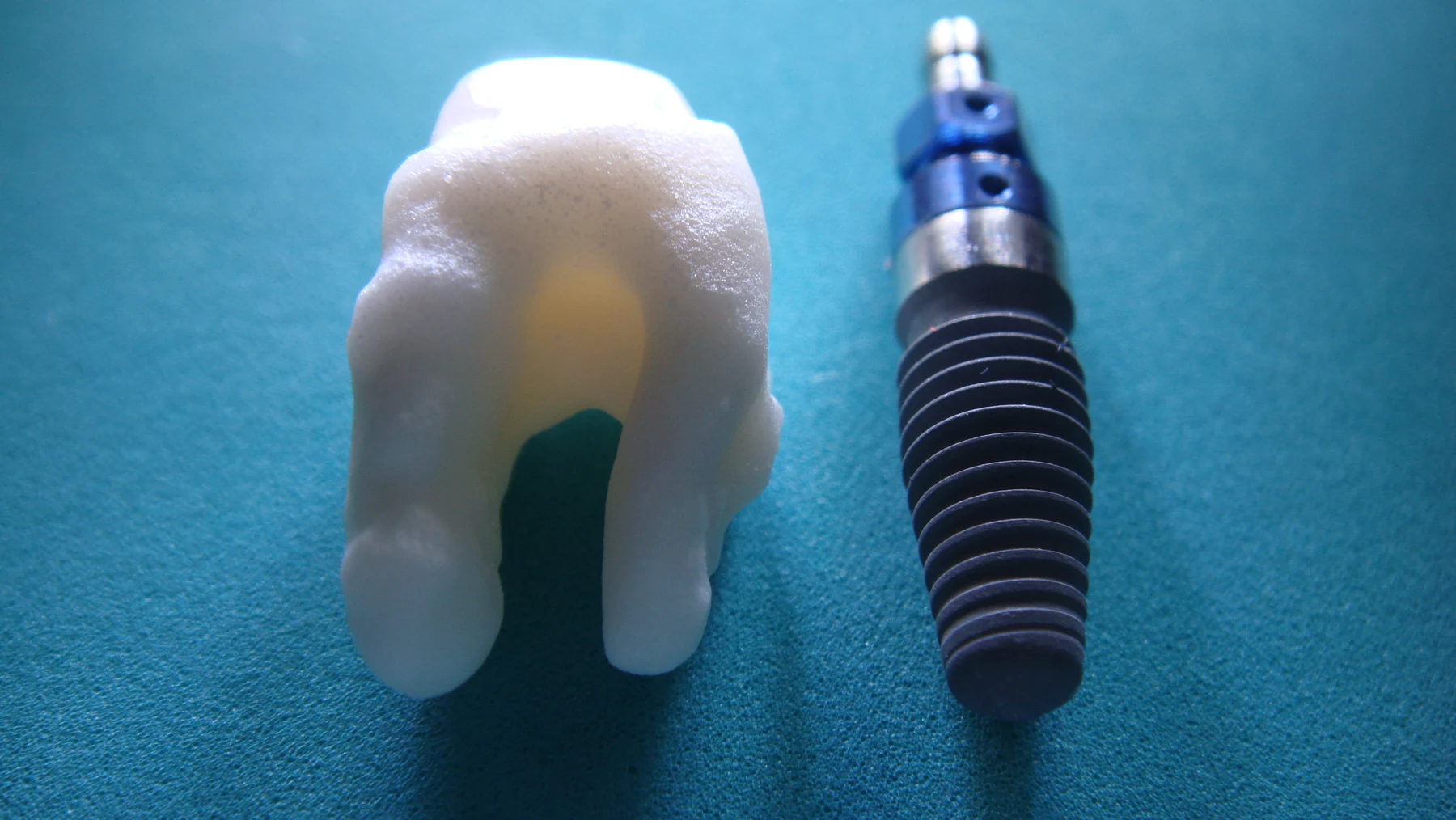
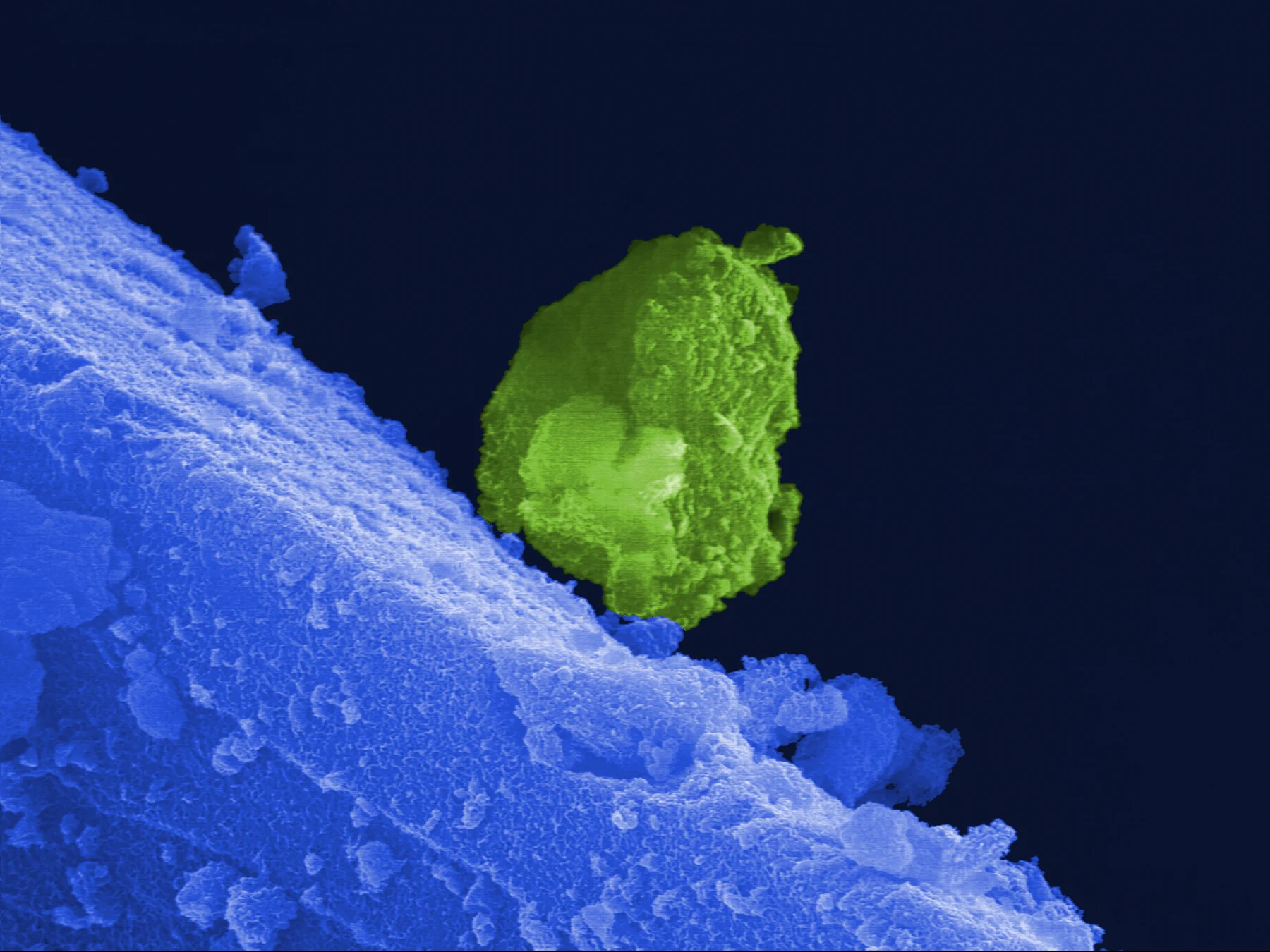
In plasma spraying, a hot ionized gas helps deposit a ceramic layer onto a metal implant surface. The manufacturing process can modify an interface, but coating presence alone does not establish clinical performance.
A dialyzer brings blood and dialysis solution close together while a thin membrane keeps them apart. Concentration differences drive some dissolved wastes across, while the machine also manages fluid and mineral balance.
Diffusion moves molecules from regions of higher concentration toward lower concentration through random motion. In biomaterials, this process can shape release, while material breakdown, geometry, and surrounding fluid also influence the result.
A bone-facing implant surface has to do more than resist wear: it meets living tissue that can respond to its chemistry and texture. Hydroxyapatite coatings are one way engineers shape that interface.
A dialysis membrane separates blood from dialysis solution while allowing selected substances and water to move across. Its usefulness comes from controlling exchange, not from acting as a simple sieve with identical pores.
A drug carrier can change where a medicine travels, how long it survives, and when it is released. The material’s chemistry and structure shape those effects, while biological complexity limits how precisely delivery can be controlled.
A coating can change the first material a cell encounters without changing the implant’s basic shape. Its chemistry and texture influence the interface, but a promising surface feature does not guarantee a clinical outcome.
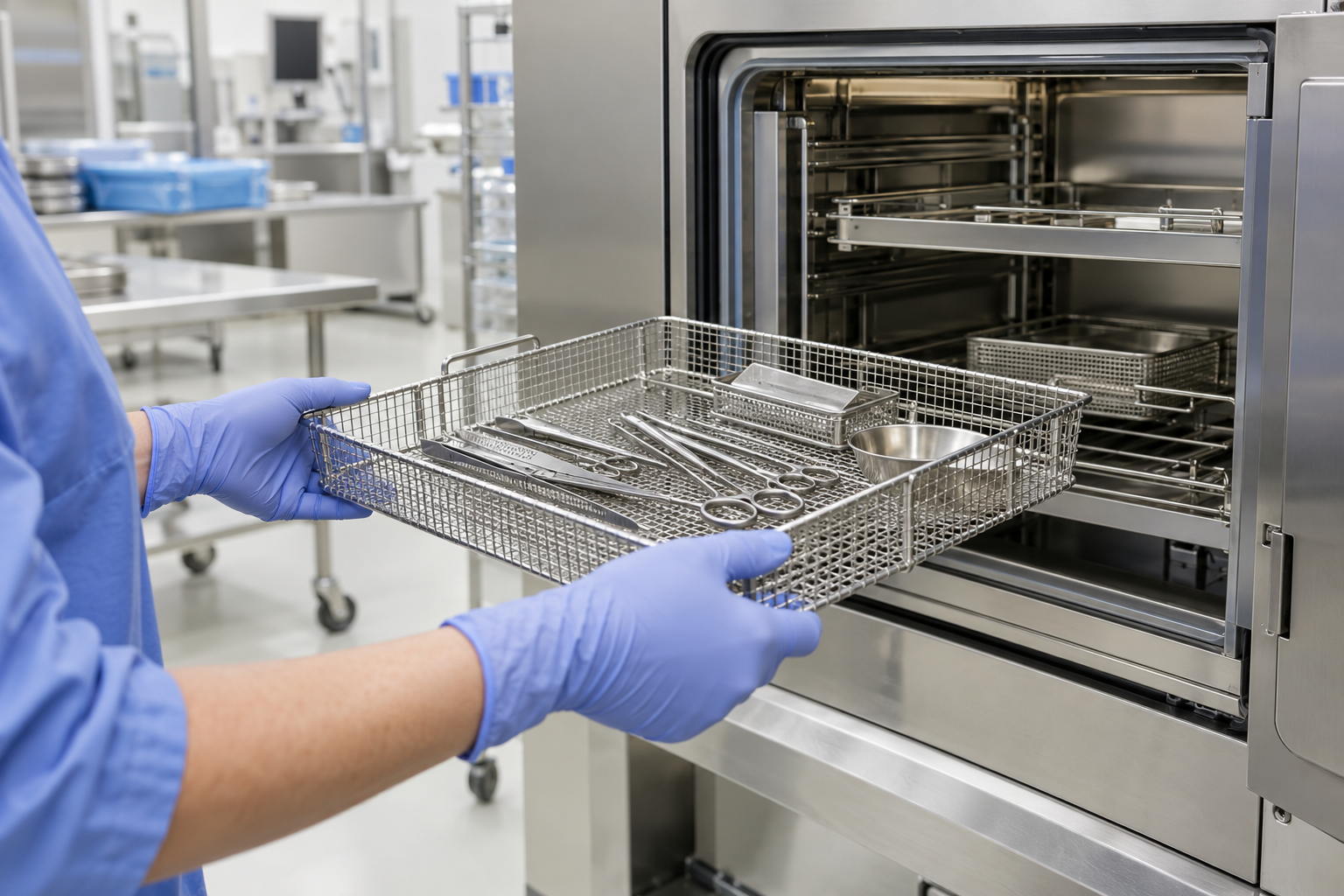
Sterilizing a medical device means controlling microbes without sacrificing the material’s function. Hydrogen peroxide gas plasma can suit some heat-sensitive polymers, but compatibility depends on device design and process conditions.
Some biomaterials are designed to respond to cues such as pressure, heat, or acidity. Their changing behavior can support sensing, release, or tissue interaction, though promising material mechanisms do not by themselves establish clinical benefit.
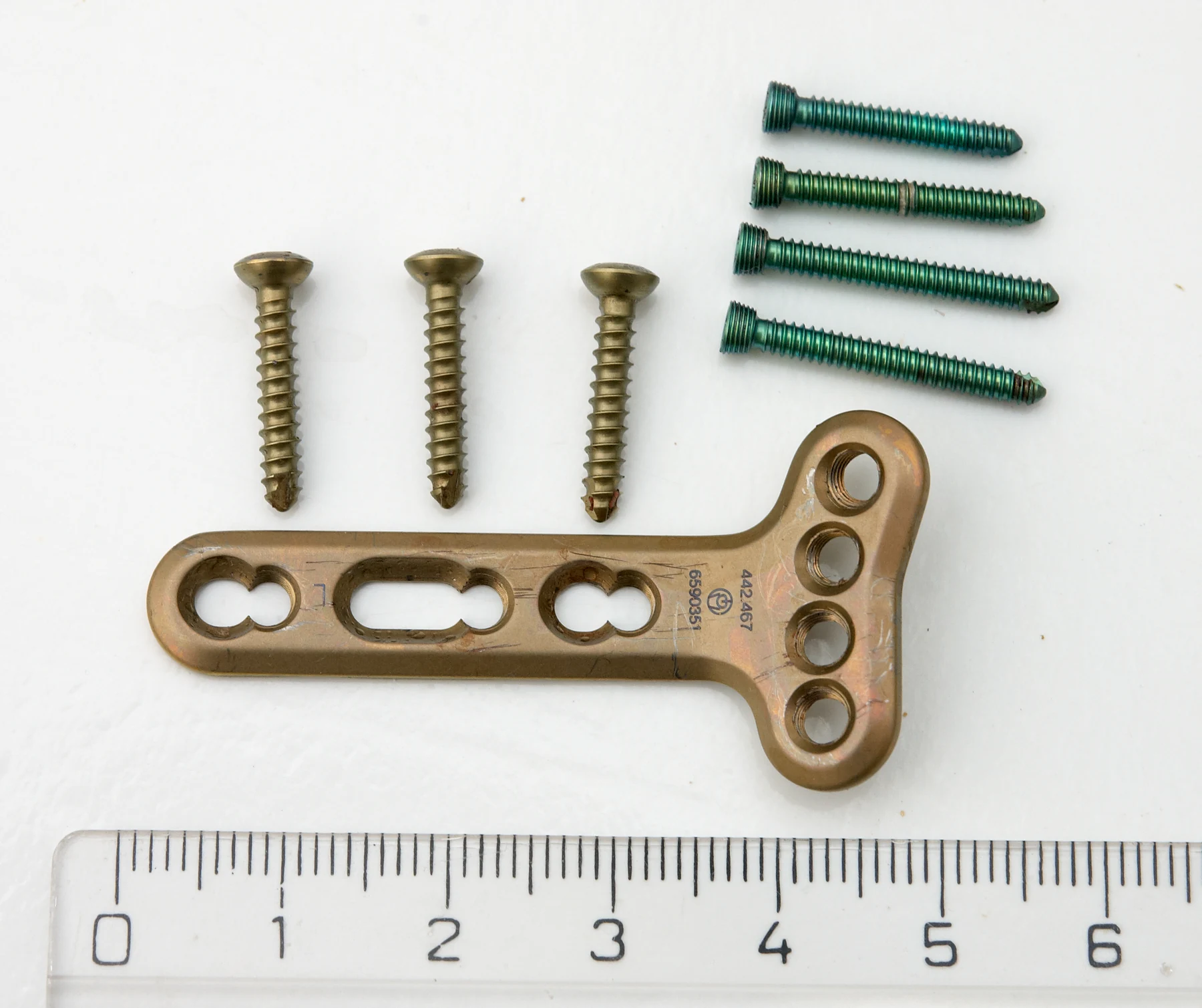
An implant must do more than resist chemical change. Its material, shape, location, manufacturing, and duration of contact all affect how it performs and how the body may respond.
Sterilization must inactivate microorganisms, yet the physical and chemical conditions used to do so can also affect a device. Material compatibility depends on the process, geometry, and intended use.
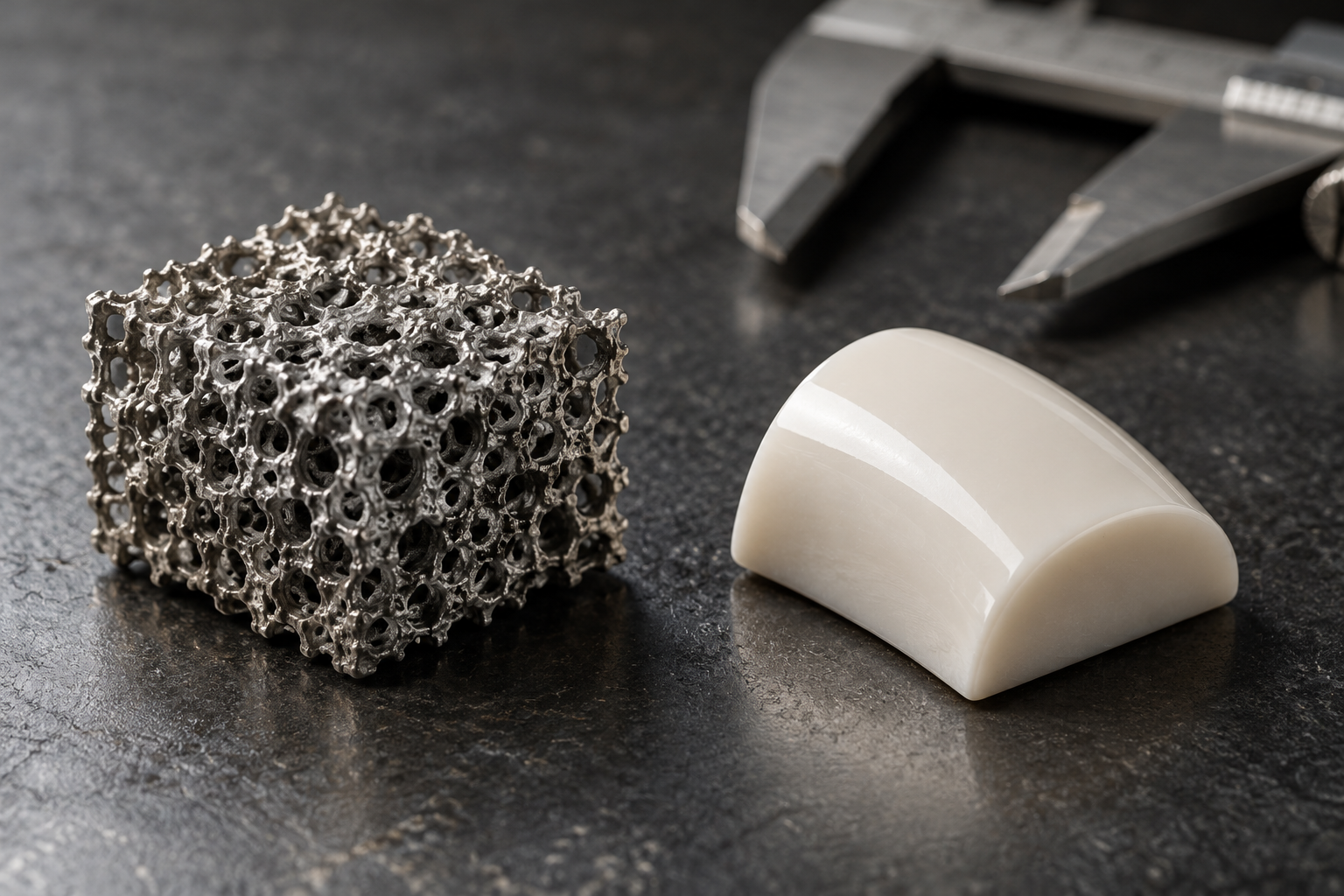
A material’s softness does not tell the whole story of how it bears force. Geometry, internal structure, and the way loads travel through it can make flexible biomaterials and robotic components useful supports.
Implants experience mechanical forces and chemical surroundings that can produce wear or corrosion products. The body’s response depends on the device, exposure, location, and individual biology, so material safety requires layered evaluation.
An implant’s material cannot be judged apart from its design, location, manufacturing, and duration of contact with the body. The useful questions concern the whole device and the evidence supporting its intended use.
A patient-matched implant can be designed with remarkable geometric detail, yet its safety depends on the material, manufacturing process, and real-world performance as well as the digital file.
Hydrogels hold large amounts of water inside a connected polymer structure. Their soft, wet character can make them useful research materials, but behavior in a dish or animal model does not establish that a hydrogel is a proven treatment.
An implant’s material faces a warm, wet, chemically active environment for months or years. Corrosion and wear can alter the device and release products, so safety evaluation considers the material, design, location, manufacturing, and duration of contact.
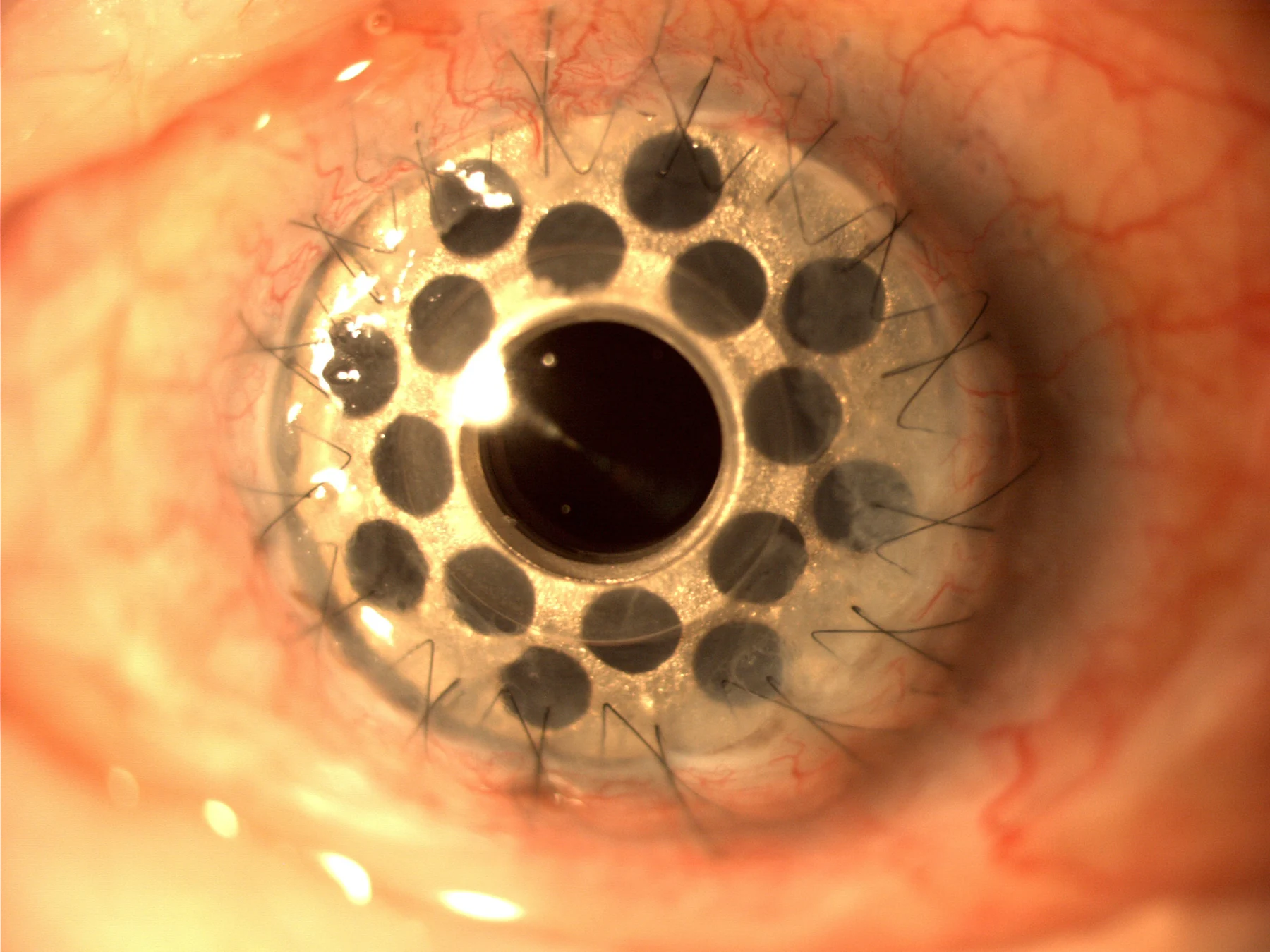
A material’s medical role depends on where it is used, what it touches, and what it must do. Strength, flexibility, transparency, and biological response all shape device design.