Can a device be made sterile without changing the material it is made from? Sterilization is designed to destroy microorganisms, but the same energy and reactive chemistry that damage microbes can interact with polymers, metals, and narrow channels. The practical challenge is to choose a process that reaches every relevant surface while keeping the device’s material properties suited to its job. Compatibility is a question about both the method and the object.
What gas plasma does in a sterilizer
In hydrogen peroxide gas plasma sterilization, a device is processed in an enclosed chamber under deep vacuum. Radio-frequency or microwave energy excites gas molecules and produces charged particles and reactive species, including free radicals. These highly reactive particles can interact with essential components of microorganisms and disrupt their metabolism [1].
The process combines hydrogen peroxide vapor with a plasma phase. According to the CDC description, the vapor diffuses through the chamber and exposes surfaces; the plasma stage generates microbicidal free radicals. The method can be used for some devices that cannot tolerate high temperatures or humidity, including some plastics, electrical devices, and corrosion-susceptible alloys [1]. This is a sterilization process for medical devices, with a purpose distinct from applying cold atmospheric plasma to living tissue.
A material is more than its name
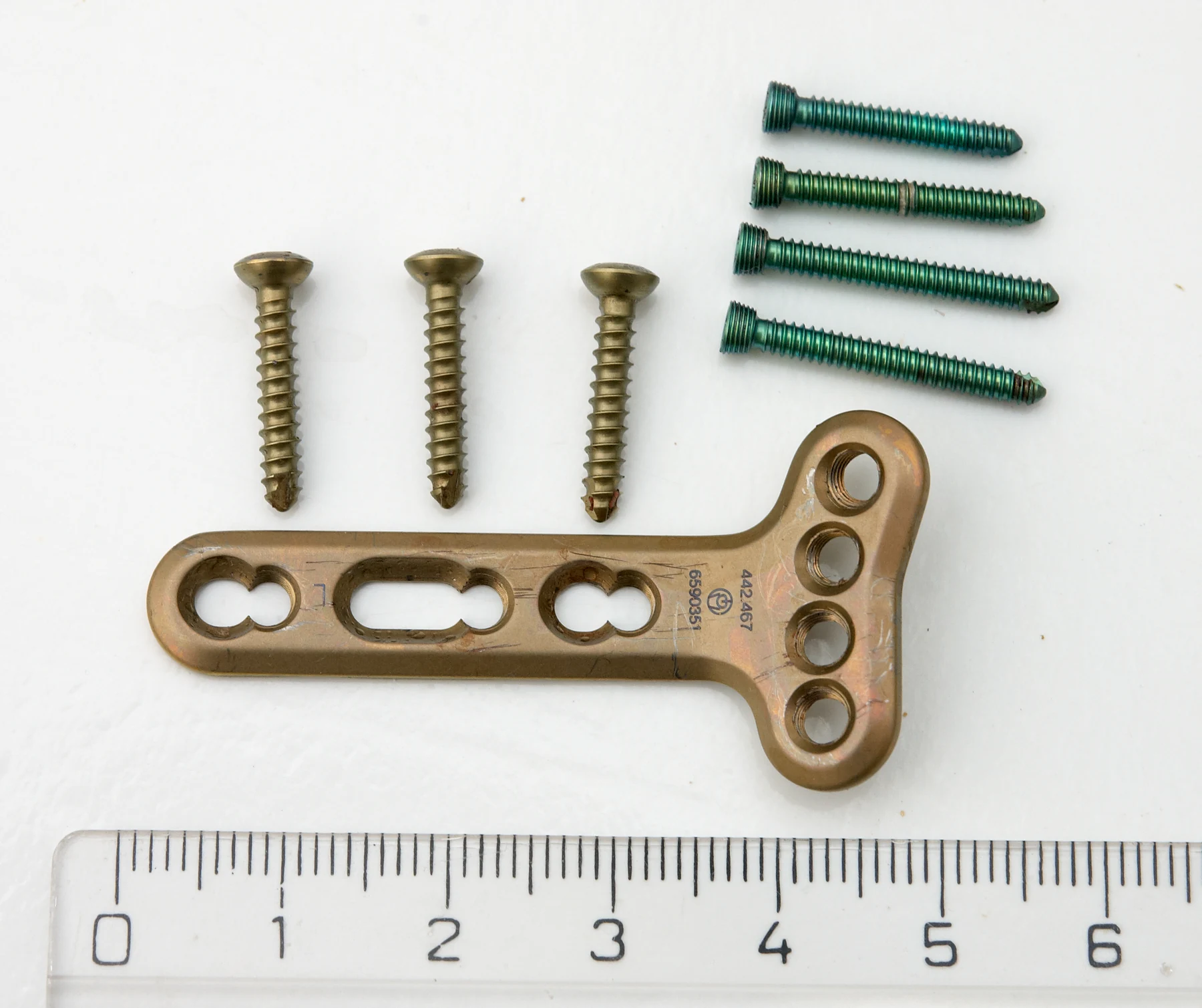
Calling a device “metal” or “plastic” does not establish how it will behave during sterilization or in the body. Composition, manufacturing, device geometry, intended use, and exposure conditions all matter. FDA’s material review considers the specific material properties, intended use, and function of a device; manufacturers may assess biocompatibility and risks associated with contact with the body [2].
A long narrow lumen illustrates why geometry matters. Even if the sterilizing agent is effective, reaching the interior of a channel can be harder than reaching an exposed surface. The CDC notes that effectiveness can vary with lumen length and diameter as well as organic material and inorganic salts [1]. The design determines where the agent can travel and what residues or obstacles it encounters.
The same chemistry can have different consequences
A sterilant’s reactivity is useful because it can inactivate microbes, but reactive chemistry does not recognize a device’s intended function. The CDC describes a different gas-plasma system involving peracetic acid, acetic acid, and hydrogen peroxide vapor that was removed from the marketplace after reports of corneal injury associated with processed ophthalmic instruments. In an investigation, exposure involving potentially wet instruments with small bores and brass components degraded brass to copper and zinc [1].
That example does not mean all gas-plasma sterilization has the same outcome. It demonstrates why details such as process chemistry, moisture, alloy, and instrument design must be considered together. The CDC specifically describes the hydrogen peroxide process as unlikely to produce the same toxic soluble copper form in that example [1]. A conclusion about one process should not be transferred automatically to another.
Compatibility is tested for a purpose
Biocompatibility asks how a device’s materials may affect the body in a particular use. FDA describes a risk-based assessment that can take account of material components, manufacturing processes, anatomical location, and the frequency and duration of exposure. Depending on the device, manufacturers may also evaluate possible wear or corrosion under conditions resembling its intended environment [2].
Sterilization compatibility adds another part to the question: does the selected cycle reach the required surfaces while preserving the device for its intended use? A material that tolerates one environment may respond differently to another. This is why “sterile” and “unchanged” are separate properties, and why device evaluation considers both the treatment process and the material’s behavior [1] [2].
Sources & further reading
Prepared for the independent PSI Center reading library. About edition dates and source checking.
This explainer describes scientific principles. It does not assess individual treatment choices.