How can a medical device be sterilized if the heat and moisture of a process would damage it? The answer depends on the material and the shape of the device, not just on the goal of killing microbes. Some polymers and delicate components tolerate a low-temperature hydrogen peroxide gas plasma process. Understanding why begins with the difference between a device’s useful properties and the conditions needed to sterilize it.
The device has to survive the process
A polymer can be shaped into a flexible tube, a thin film, or a component that holds electrical parts. Those useful features may also make a device vulnerable to high heat or humidity. A material can soften, deform, or otherwise fail to perform as intended if the sterilization conditions exceed what its design can tolerate. This creates a materials problem: the process must inactivate microorganisms while preserving the device’s properties.
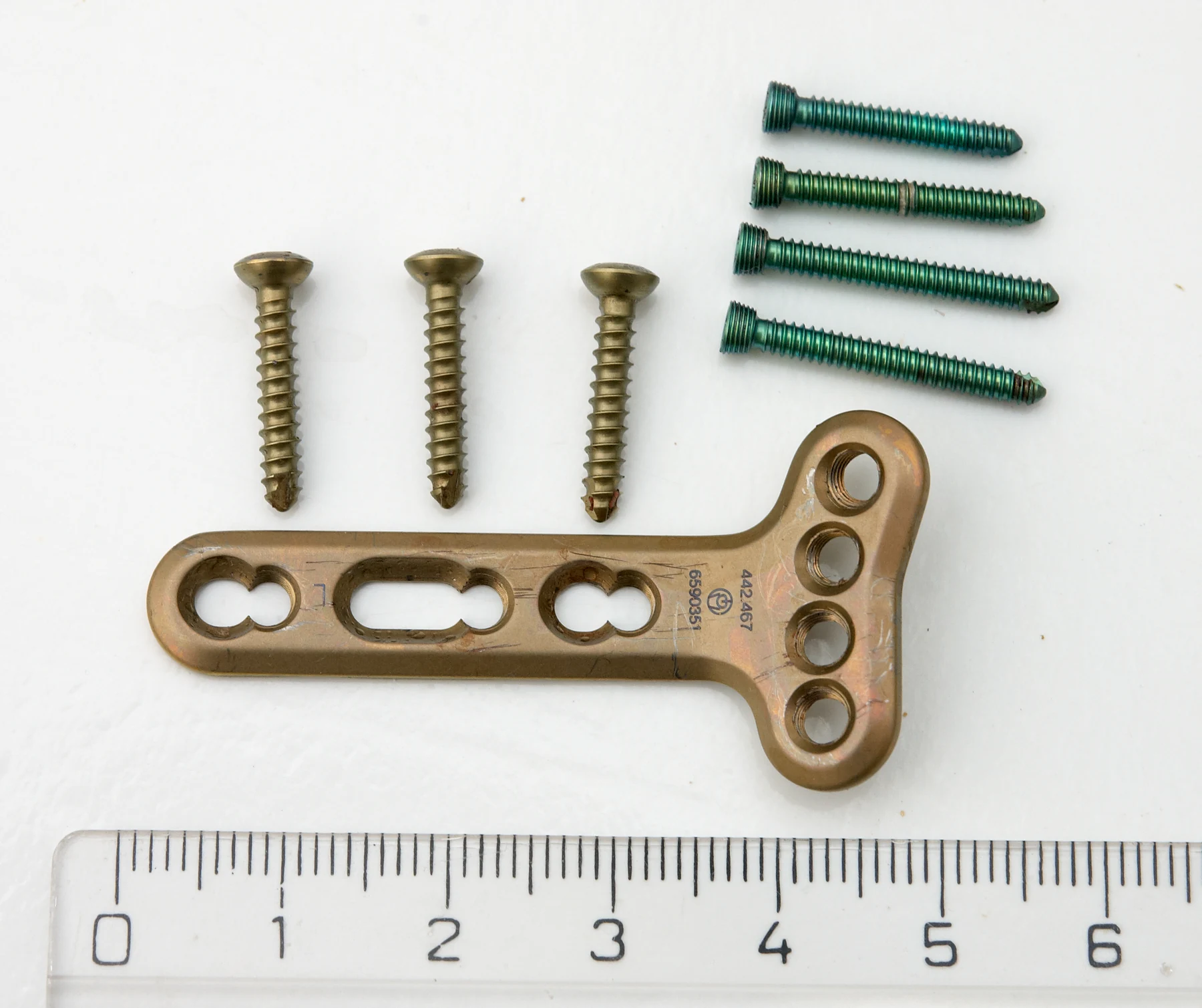
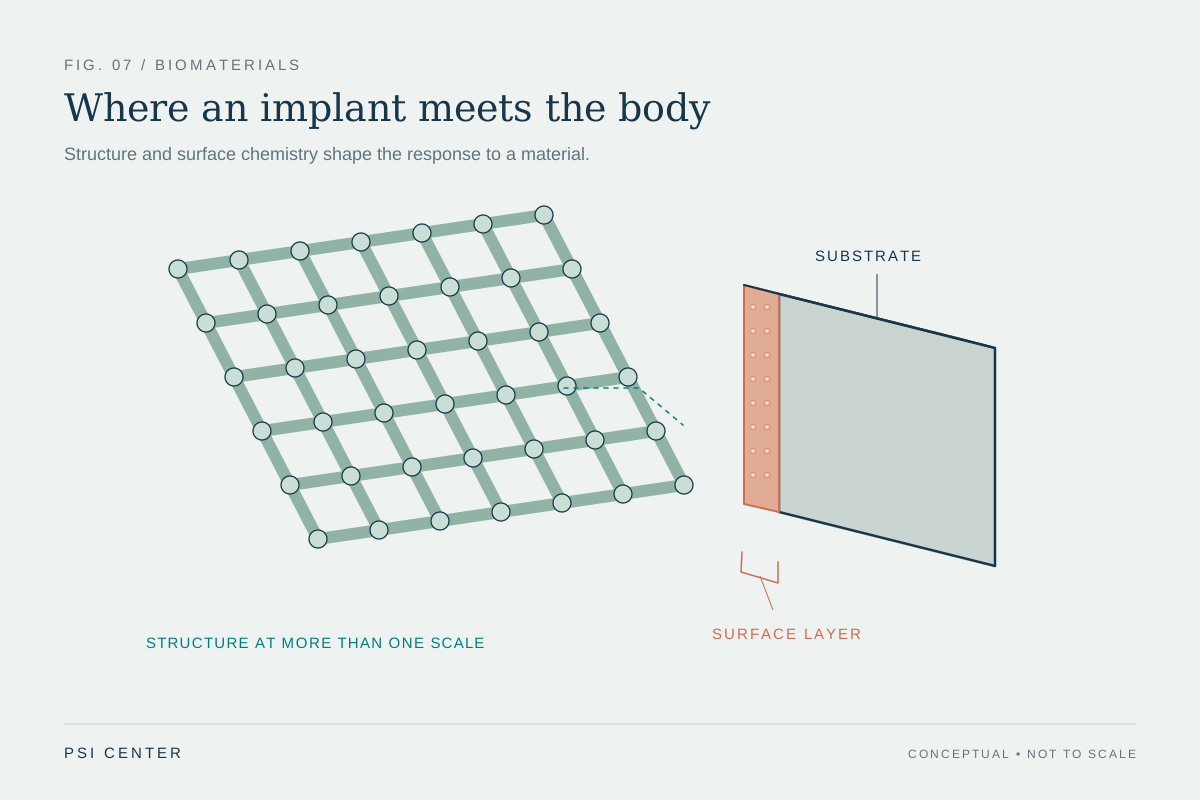
Biomaterials are selected for the jobs they do in or around the body. Some polymers provide flexibility in artificial blood vessels or stents; other materials must be transparent and refract light appropriately when used in lenses [2]. Sterilization compatibility is therefore not a detail separate from design. A treatment that damages a material may compromise the function for which that material was chosen.
What gas plasma contributes
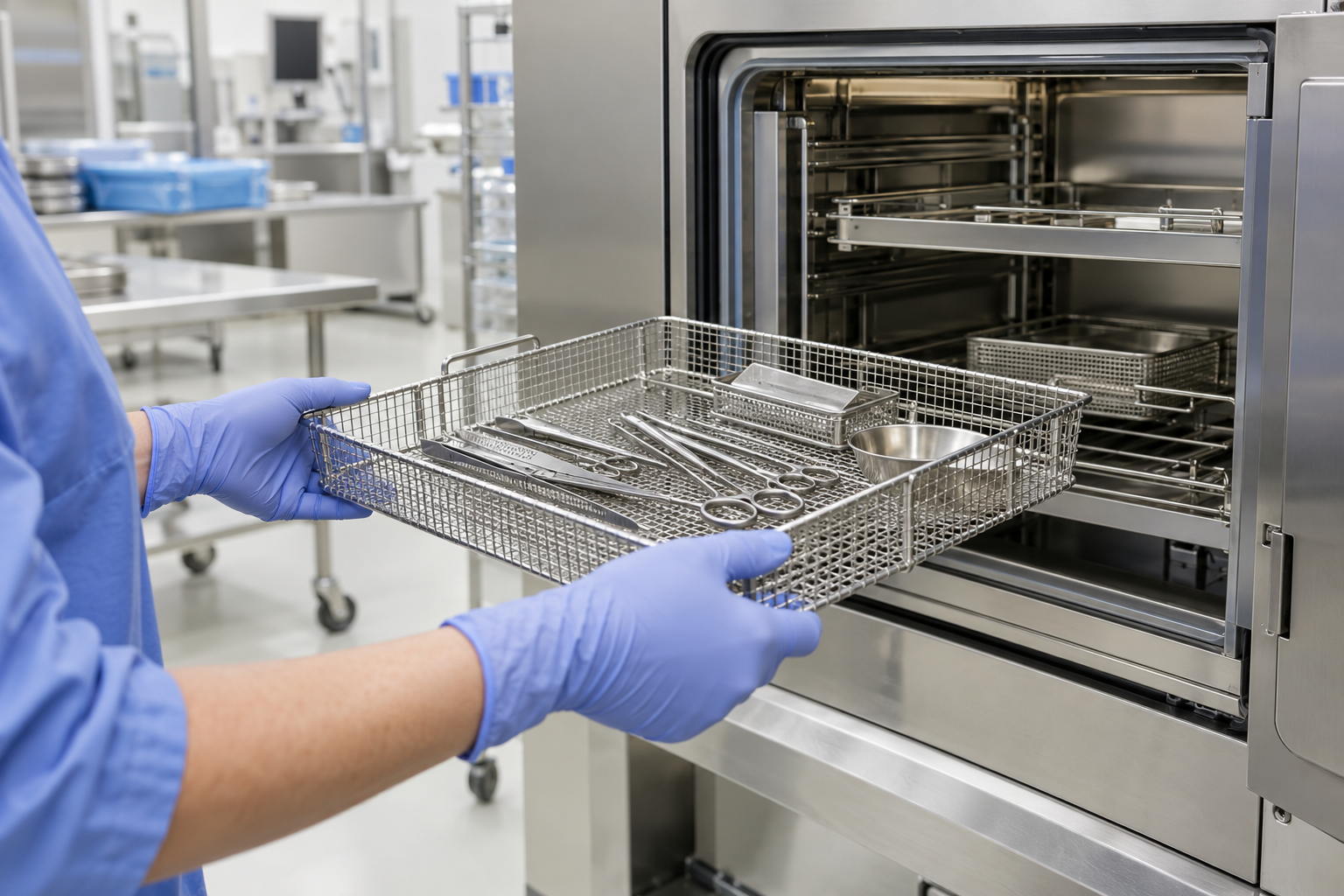
Hydrogen peroxide gas plasma sterilization takes place in an enclosed chamber under deep vacuum. Radio-frequency or microwave energy excites the gas and produces charged particles and reactive species called free radicals; a free radical has an unpaired electron and tends to react readily [1]. In the process described by the CDC, hydrogen peroxide vapor first reaches the load’s surfaces, and an electrical field then creates plasma that generates microbicidal radicals. These interactions can disrupt essential components of microorganisms [1].
The process is designed to work at relatively low temperatures. The CDC describes operation in the range of 37–44°C for a system discussed in its guidance, and notes that such sterilization can be used for materials that cannot tolerate high temperatures and humidity, including some plastics, electrical devices, and corrosion-susceptible alloys [1]. That does not make every polymer or device suitable. A device’s composition, geometry, and moisture condition can all affect whether a cycle works as intended.
Shape changes the challenge
Consider a short, open plastic sleeve and a long, narrow channel inside a device. Both may be made from the same polymer, yet sterilant access differs. Vapor must reach the relevant surfaces; narrow lumens, their length and diameter, and residues such as salts or organic material can alter effectiveness [1]. The chamber is not just heating an object uniformly. The sterilant must travel through the device’s pathways and contact the places that matter.
Moisture is another constraint. In the CDC account, moisture on an object can prevent the vacuum from being achieved, causing the cycle to abort [1]. This illustrates why a sterilization process is a carefully specified sequence of conditions. Temperature alone cannot tell us whether a cycle was successful, and the phrase “low temperature” is not a guarantee that every material or device design will be compatible.
Compatibility is a design question
The right question is not simply whether a polymer is heat-sensitive. It is whether the specific device can withstand the full sterilization process and whether the process can reach its surfaces. Manufacturers and sterilization specialists need to consider material properties alongside connectors, enclosed spaces, moisture, and residues. A polymer might remain physically intact yet still be part of a device whose geometry limits sterilant penetration.
Biomaterials are engineered for particular roles, from resisting corrosion to matching the mechanical demands of tissues [2]. Sterilization is one more environment that a medical device must be designed to withstand. Hydrogen peroxide gas plasma is one established option for some temperature-sensitive devices, with defined limitations [1]. Its purpose here is to sterilize equipment. That application is distinct from cold atmospheric plasma research on living tissue; sharing the word “plasma” does not mean the processes have the same use or effect.
Explore the physics: an explanatory diagram
Sources & further reading
Prepared for the independent PSI Center reading library. About edition dates and source checking.
This explainer describes scientific principles. It does not assess individual treatment choices.