How can something soft hold a body part in place or help a person move? The answer is that carrying a load does not always require being rigid. A material can bend under force yet still distribute that force across a useful structure. In medicine, the design question is often how much flexibility, strength, and comfort a particular job requires.
Softness and strength describe different things
Imagine pressing a fingertip into a sponge and then stretching a thick elastic band. Both deform, but in different ways. Stiffness describes how much a material resists deformation; strength describes how much stress it can withstand before it fails. A soft material can be strong enough for a task if the forces are modest, spread across its shape, or applied in a direction it handles well.
The body itself makes this distinction familiar. Skin and blood vessels are compliant: they deform as the body moves or blood pulses, yet they perform essential mechanical roles. A device that is too rigid for its surroundings can concentrate force at an edge or interface. A more compliant design may move with tissue, though it still needs enough strength to avoid tearing or collapsing. The right balance depends on the load and where it acts.
Shape can carry force as effectively as hardness
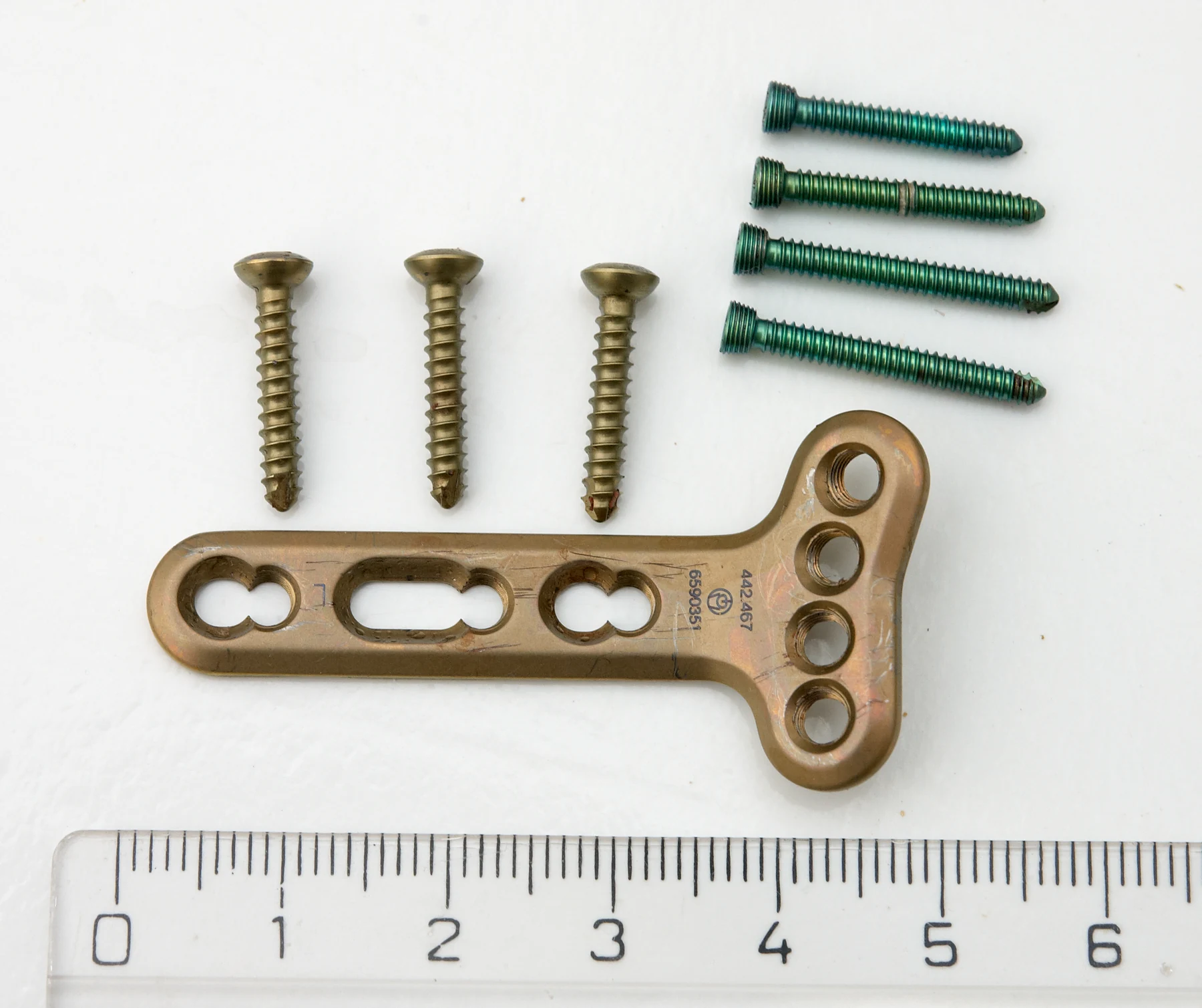
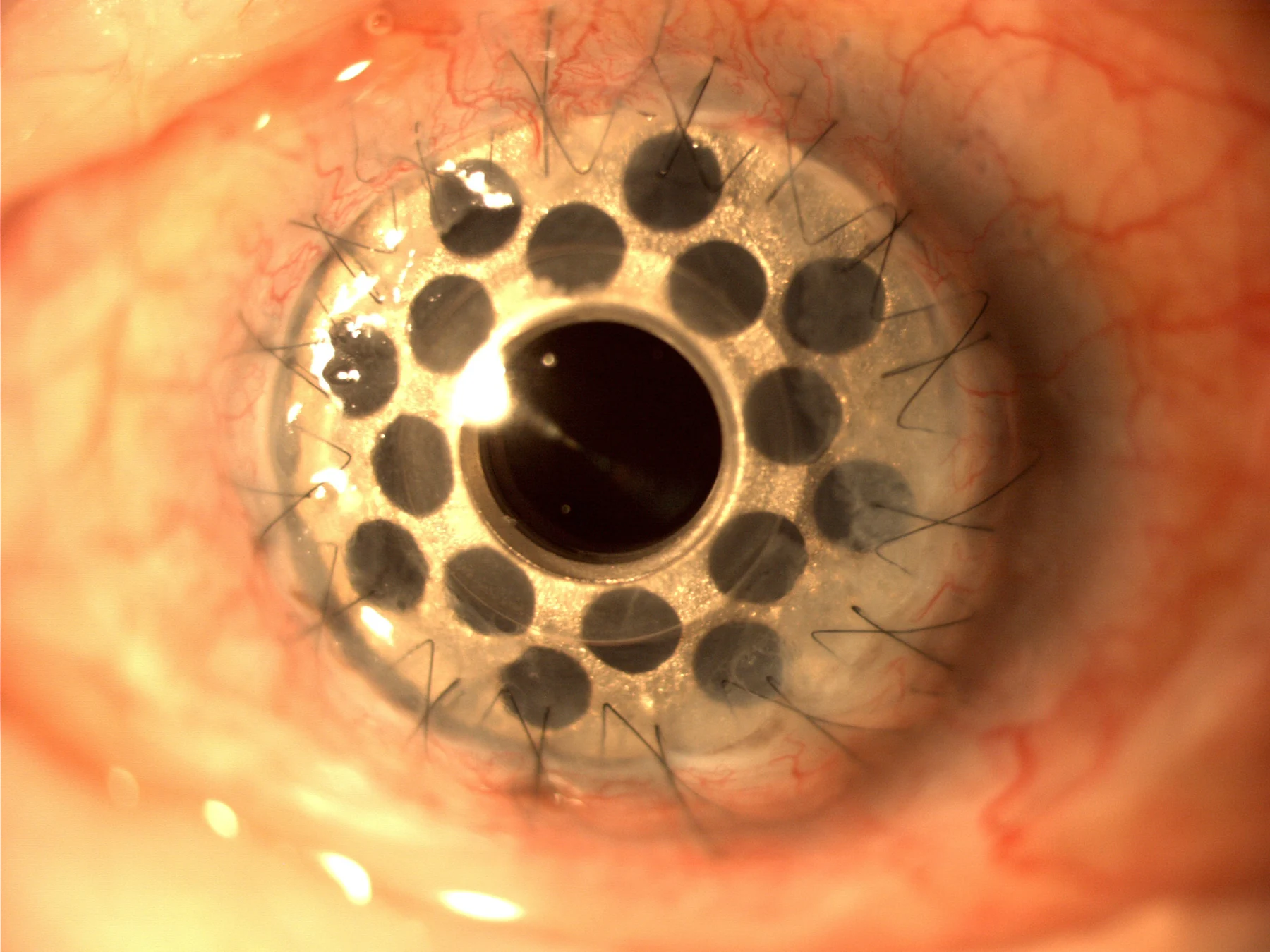
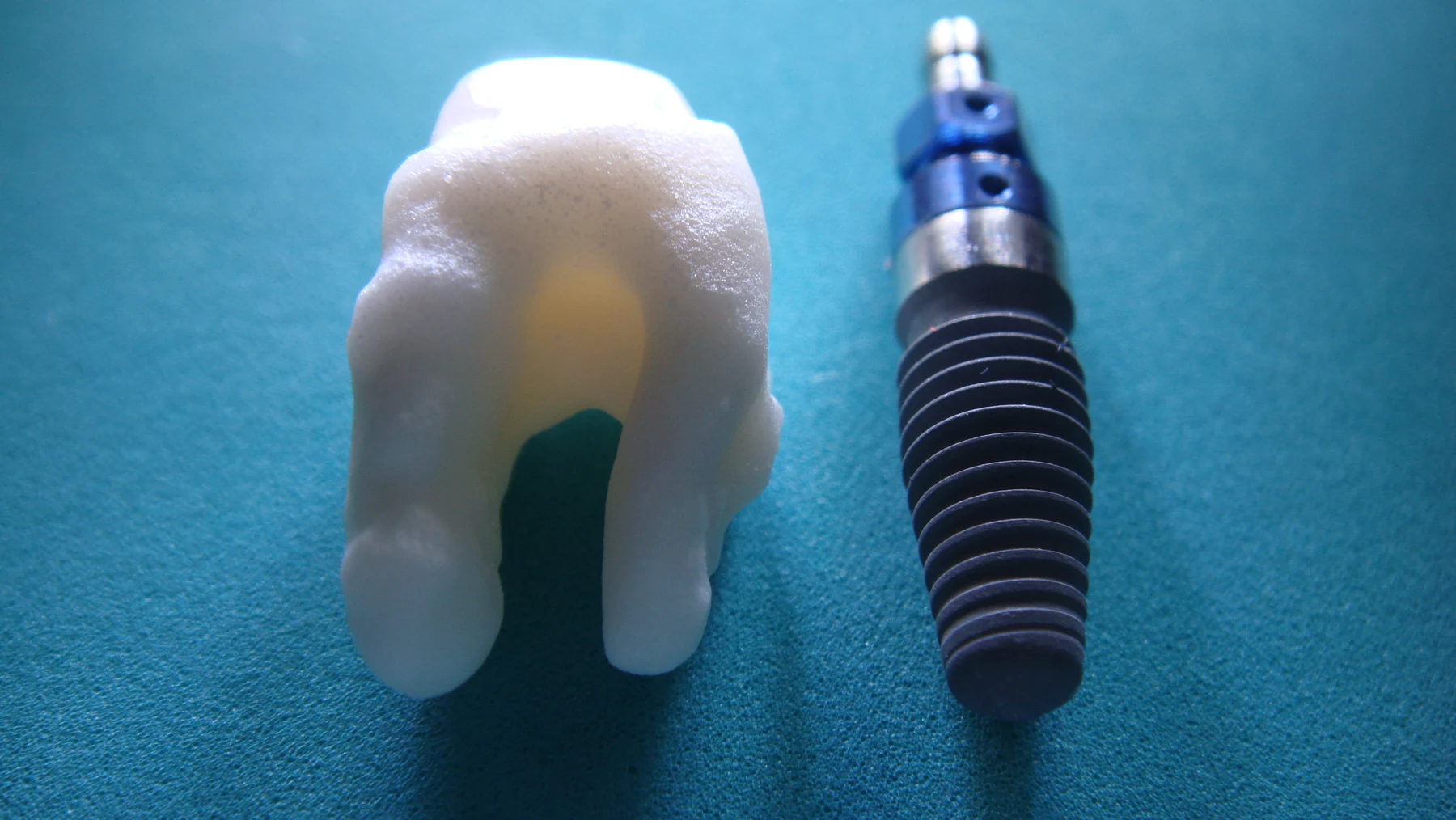
A soft structure can gain support from its geometry. A fabric sling, for example, spreads the weight of an object across many fibers. A thin flexible tube may keep a passage open because its wall and shape distribute pressure around the circumference. This is why designing a medical material means considering not only what it is made of, but also whether it is a film, fiber, foam, coating, or molded component. Biomaterials are used in forms ranging from artificial blood vessels to joint replacements, with mechanical demands that differ by application [1].
Now picture a flexible tube carrying a pulse of water. The tube expands a little, then recoils; its wall accommodates changing pressure while containing the flow. Artificial blood vessels and vascular stents use flexible polymers or metal alloys to support pulsatile blood flow. Their job is not to behave like a rigid beam. They must maintain a pathway while responding to repeated motion, so flexibility is part of the function rather than a defect [1].
Movement changes what support should feel like
Softness can matter especially when a device touches a moving person. A rigid exoskeleton may provide support, but it can be bulky and heavy. NIBIB describes newer robotic exoskeletons made with soft materials and elastic parts as lighter and more compliant, which can make interaction with the wearer safer and more comfortable [2]. The device still needs components that transmit forces and help produce movement; flexibility at the body interface does not mean the whole system is mechanically weak.
This suggests a useful way to think about support: a material need not prevent all motion to carry load. It can guide movement, resist motion in one direction, or return energy when it bends. The engineering challenge is to make the device responsive enough to follow a person while structured enough to help with standing, walking, or rehabilitation. The wearer, the device, and the ground form one mechanical system.
The body adds a second test
A material may perform well in a laboratory strength test and still be unsuitable inside the body. Cells and immune defenses respond to foreign objects, sometimes surrounding them with scar tissue. Material choice and surface design can affect this foreign body response. One strategy is to use materials that imitate aspects of the extracellular matrix, the natural scaffold around cells, or to use a degradable material that breaks down over time [1].
That does not mean every soft biomaterial is proven safe or clinically useful. It means mechanical performance is one part of a larger design problem. A successful material must meet the loads of its particular use, interact appropriately with tissue, and last for the intended period. In a flexible implant or wearable robot, softness can help the material fit the body’s movements; its structure and biological behavior determine whether that flexibility becomes useful support.
Sources & further reading
Prepared for the independent PSI Center reading library. About edition dates and source checking.
This explainer describes scientific principles. It does not assess individual treatment choices.