What makes a material suitable to remain inside the body? The answer is not simply that it is strong, flexible, or described as biocompatible. An implant is a designed device made from materials that interact with a particular body environment over time. Its safety depends on where it is placed, what it does, how it is manufactured, and how the body responds. Asking focused questions helps separate a material’s appealing properties from evidence about the actual device.
Ask what the device is made of and where it goes
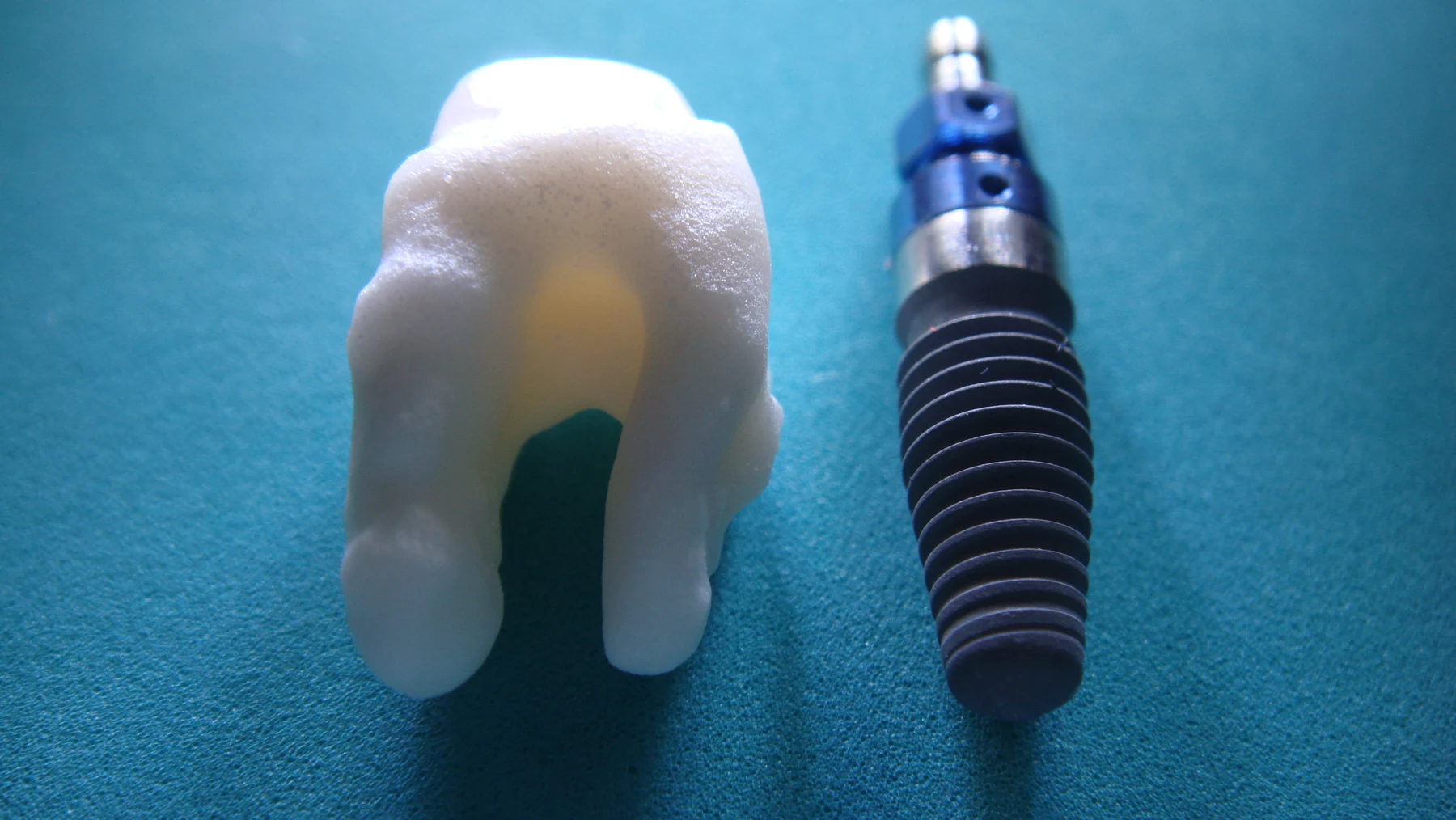
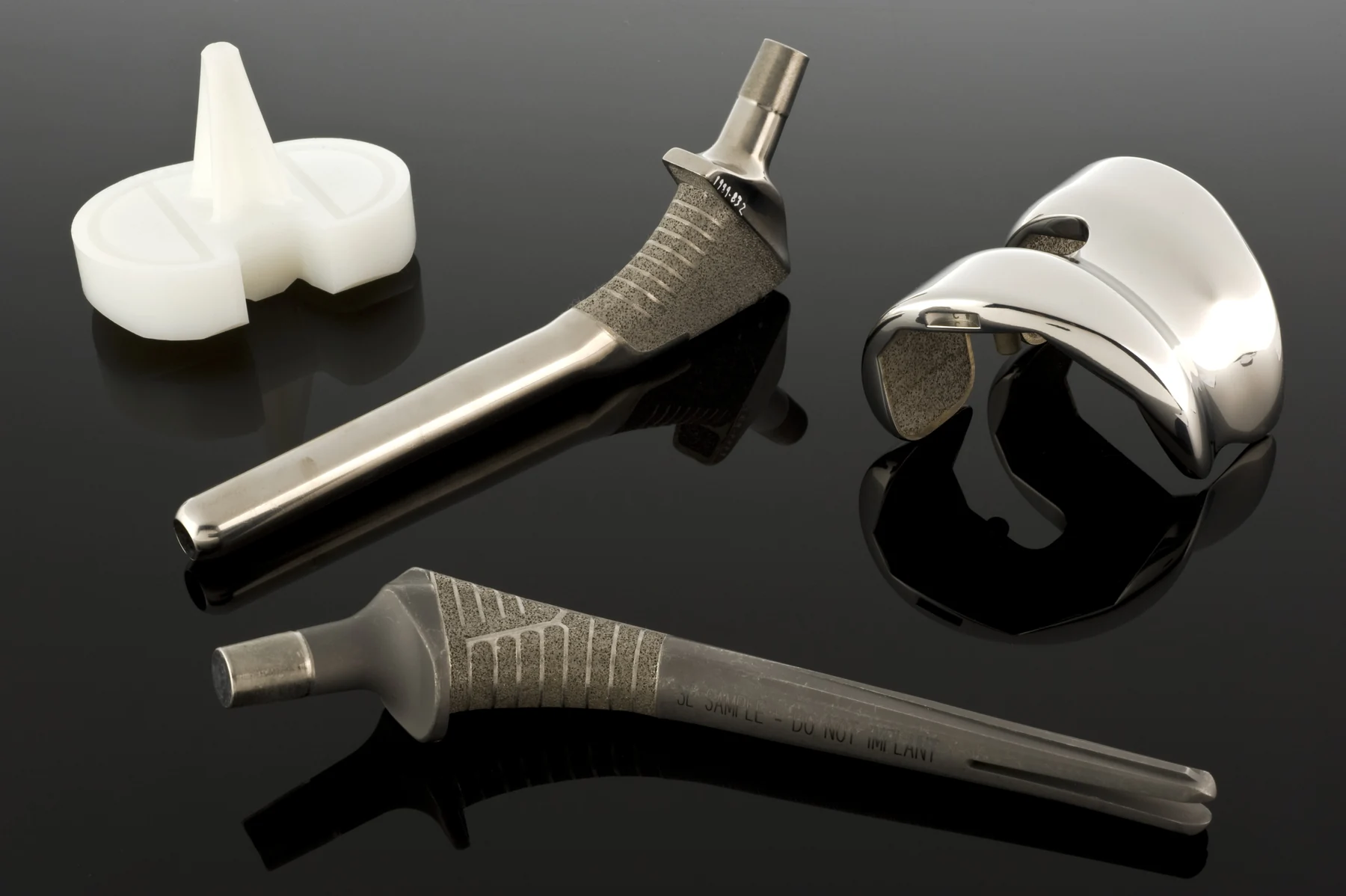
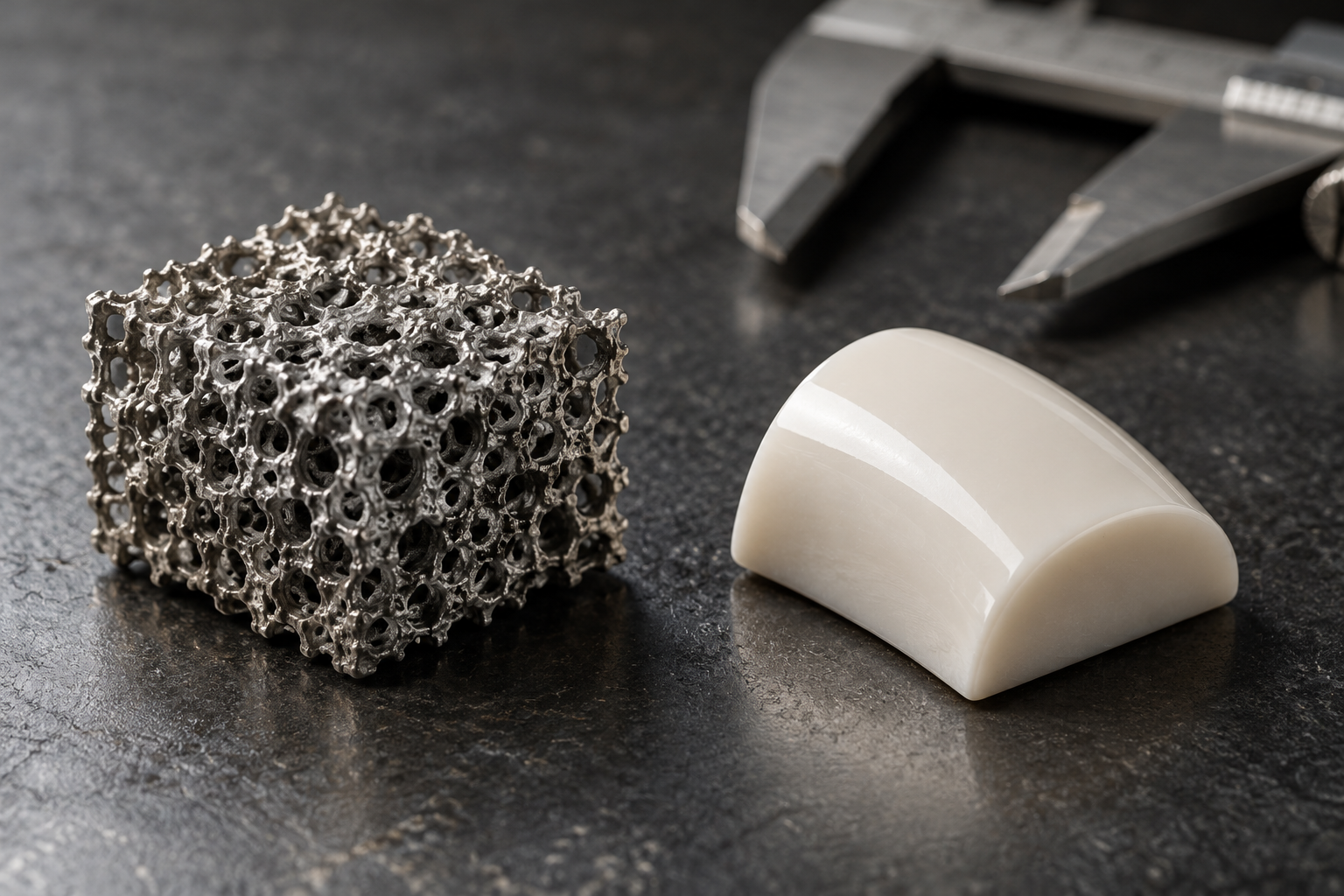
Medical devices can contain metals, polymers, and ceramics, sometimes in combination. The FDA considers the material’s properties along with the intended use and function of the device when evaluating safety and effectiveness [1]. A material that performs well in one location may face different demands in another. A joint implant experiences repeated loading and movement; a device in a blood vessel encounters a different environment and function.
So begin with specifics: which components contact the body, where they contact it, and for how long? The FDA notes that device materials may remain in contact with the body for extended periods, and its discussion of labeling highlights the value of giving patients and clinicians clearer information about composition, especially for long-term or repeated exposure [1]. A broad label such as “metal implant” may conceal meaningful differences in constituents and design.
Biocompatibility is an assessment, not a magic label
Biocompatibility describes how the body may respond to a material or device. Manufacturers evaluate whether contact could produce an adverse biological response and whether the risks are acceptable. That assessment can consider material components, manufacturing processes, intended anatomical location, and the frequency and duration of exposure [1]. The term therefore does not mean that a material causes no response in every person or every use.
Materials can also change in the body. For metals, engineering tests may examine wear and corrosion under conditions relevant to the intended environment [1]. Imagine a small amount of material gradually released from a moving surface: the relevant question is not only what the bulk implant is made from, but what products may arise through wear and how nearby tissues respond. The device’s behavior over time matters alongside its starting composition.
Look for evidence about the whole device
A promising property measured in a lab is only one piece of evidence. Clinical trials test medical approaches in people, and treatment studies can assess new treatments or new ways of using existing ones [2]. For an implant, the clinical question concerns the actual device in its intended setting: whether it performs its function, what complications occur, and how outcomes compare with alternatives or usual care.
Different tests answer different questions. Laboratory or engineering studies can model material behavior; biological assessments examine possible responses; clinical studies evaluate outcomes in people. The FDA describes a risk-based evaluation that draws on device properties, use, and biocompatibility information [1]. Evidence about a raw material alone cannot establish the safety or effectiveness of every implant made with it.
Ask what remains uncertain
Biological responses can vary, and the FDA identifies continuing knowledge gaps around how people respond to implanted metals, what factors contribute, and how to predict or identify heightened responses [1]. This makes careful communication important. Ask what is known about the specific device, what surveillance or follow-up evidence exists, and whether uncertainties concern the material, design, or the way the implant is used.
Clinical evidence also has a scope. A study in one population, for one indication, and over a limited period cannot automatically answer questions about other patients or longer use. Trials help build knowledge, but each design has a particular research question [2]. A useful discussion of a new material ties its composition to the complete device, the body location, the expected exposure, and the evidence gathered for that use.
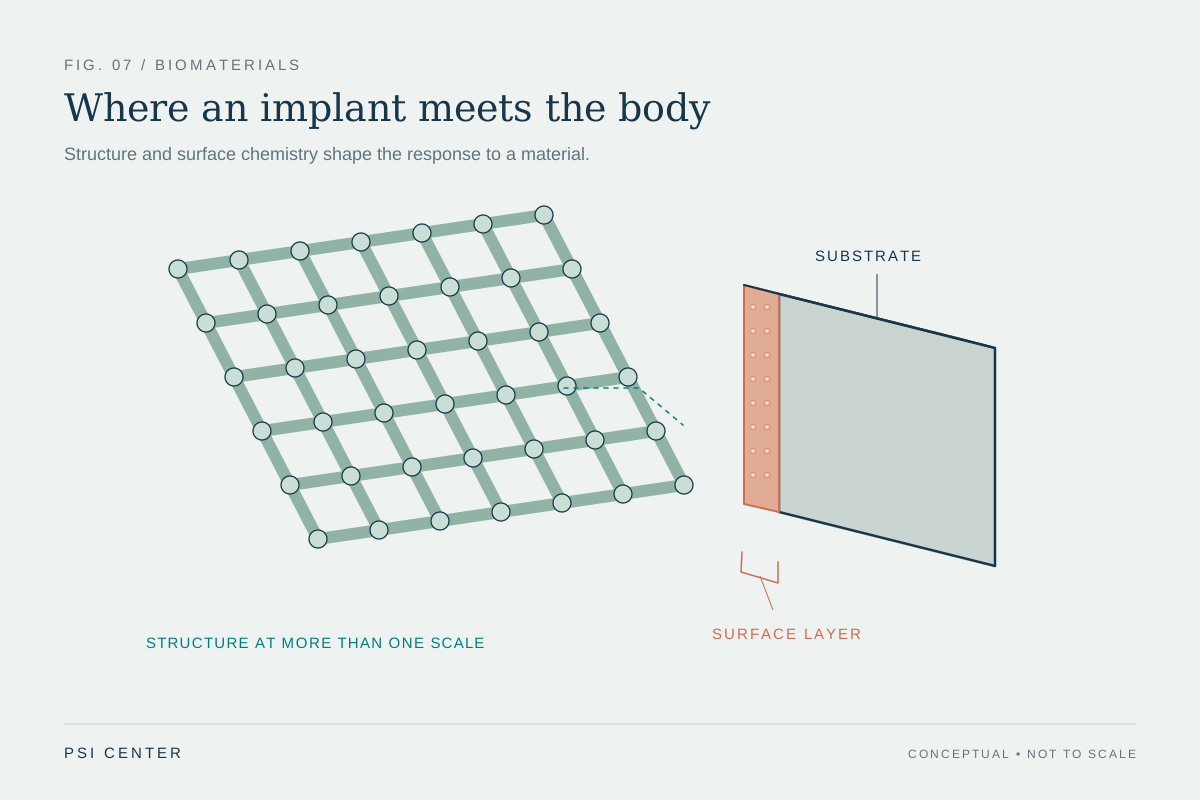
Explore the physics: an explanatory diagram
Sources & further reading
- Safety of Metals and Other Materials Used in Medical Devices FDA
- Clinical Trials: What Are the Phases? National Cancer Institute
Prepared for the independent PSI Center reading library. About edition dates and source checking.
This explainer describes scientific principles. It does not assess individual treatment choices.