How can a filter remove some dissolved substances from blood while keeping blood cells and much of its useful contents in place? In hemodialysis, blood flows through thin hollow fibers whose walls form selective barriers. Dialysis solution passes along the other side, and small waste molecules move across the membrane into that solution. The membrane’s structure and the surrounding flow together determine what can cross and how quickly. [1]
Two streams, one separating wall
A dialyzer is an external filter used during hemodialysis. Blood flows inside many thin hollow fibers, while dialysis solution moves in the opposite direction outside them. The blood and solution do not mix directly; the fiber walls lie between them. Waste products move from blood into dialysis solution, while filtered blood remains in the fibers and returns to the body. [1]
The counterflow arrangement matters. As blood travels along the fiber, it encounters dialysis solution that has not yet collected as much waste from that section. This helps preserve a difference in concentration along more of the path. That difference is a driving force for diffusion: molecules undergo random motion, but there is a net movement from a region of higher concentration toward one of lower concentration.
Selective does not mean perfectly one-way
A membrane can be thought of as a boundary that permits some molecules to pass more readily than others. Small dissolved waste molecules can cross the dialyzer membrane; blood cells are much larger and remain in the hollow fibers. Water and certain dissolved substances can also be managed through the dialysis process. The NIDDK notes that hemodialysis helps control blood pressure and balance minerals such as potassium, sodium, and calcium. [1]
The membrane is not an intelligent gate that recognizes “waste” by name. Separation depends on physical properties, including molecular size, concentration differences, membrane structure, and transport conditions. A useful analogy is a mesh whose openings make some particles more likely to pass than others, with the caveat that real dialysis membranes are engineered materials and molecular transport involves more than balls moving through holes.
The solution helps set the exchange
Dialysis solution contains water and chemicals selected to help remove wastes, extra salt, and fluid from blood. Its composition can be adjusted to a person’s needs, including when blood tests show a mineral level is too high or too low. [1] Maintaining a concentration difference across the membrane helps determine which way a dissolved substance tends to move. The solution is therefore part of the separation system, not just a rinse on the other side of the filter.
Water movement also matters. Hemodialysis controls how quickly fluid is removed, and the machine monitors blood pressure and flow. [1] This illustrates that a barrier’s performance cannot be understood by examining the material alone. The membrane, fluid composition, surface area, flow, and treatment conditions work together to shape exchange.
An engineered material meets a living system
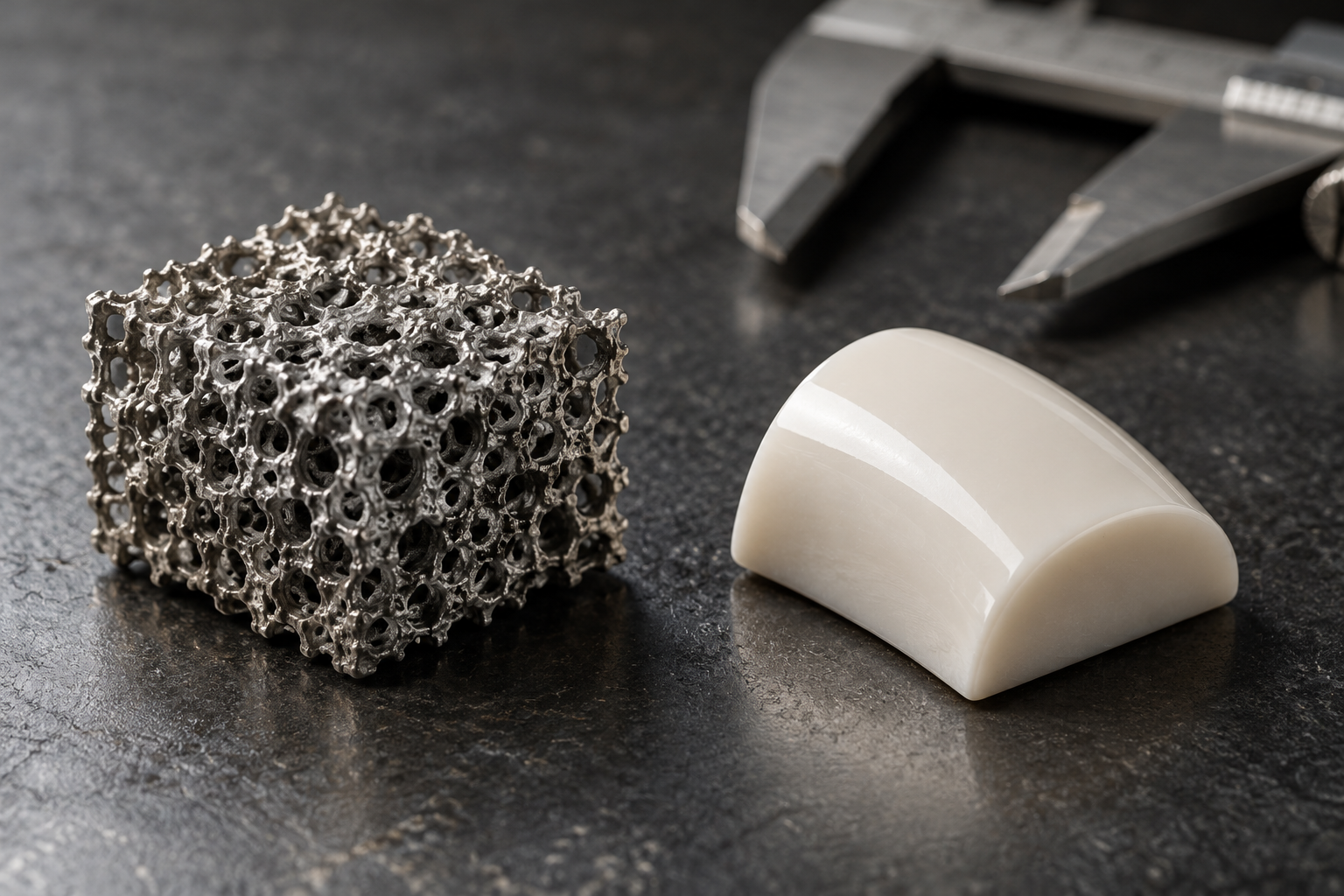
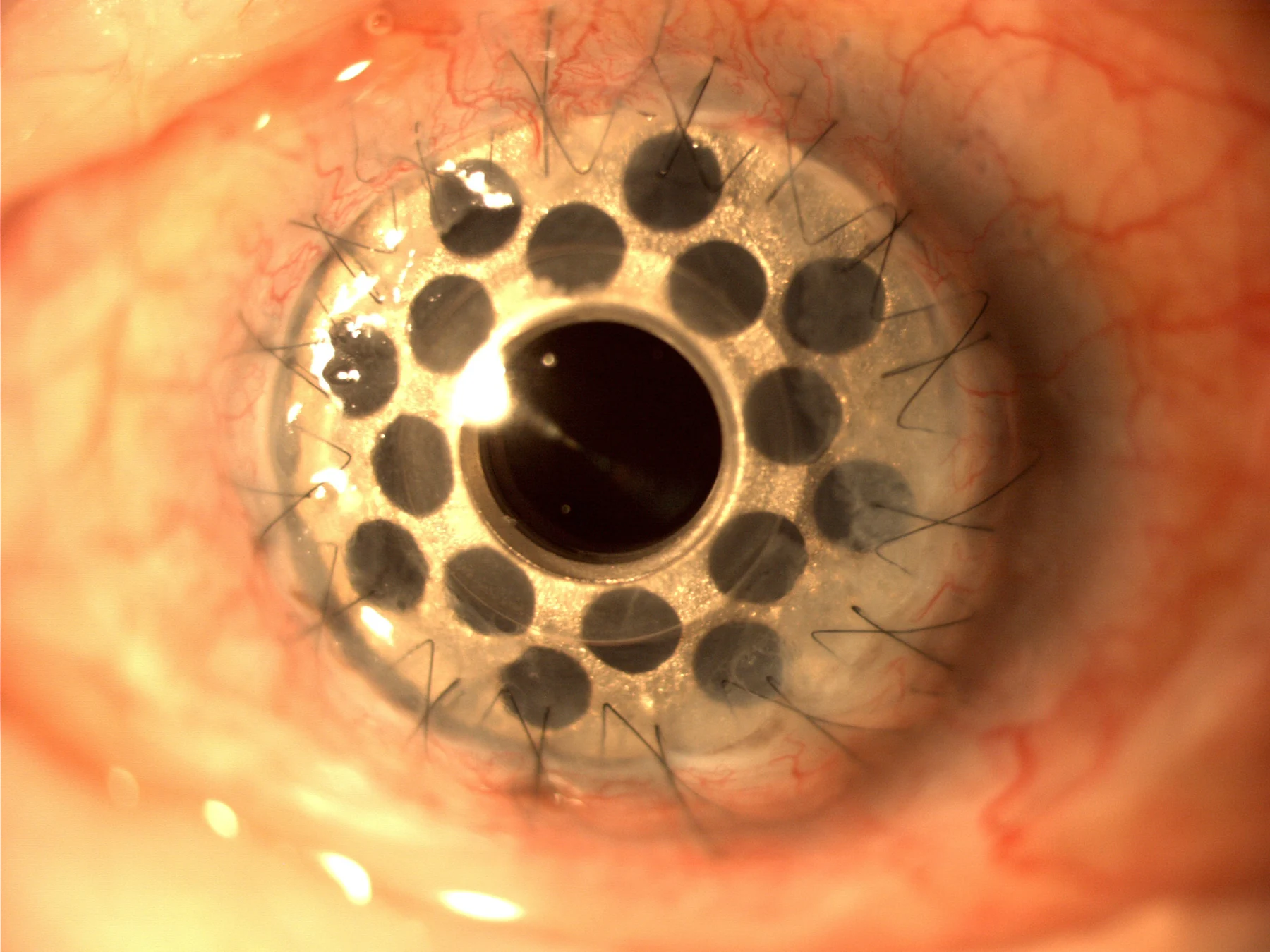
Biomaterials are materials designed to interact with the body for medical purposes. They can be made into fibers, films, coatings, and other forms, and their properties influence how they function in contact with tissue or biological fluids. [2] A dialysis membrane is one example of how material design supports a medical task: separating streams while allowing selected transport across a thin interface.
Selectivity is useful, but dialysis does not reproduce every kidney function. The NIDDK states that hemodialysis replaces part, but not all, of kidney function. [1] That limit follows from the complexity of the task: kidneys continuously filter blood and participate in multiple functions, while a dialyzer performs a defined exchange across engineered fibers during treatment. The membrane is a powerful barrier precisely because its job is specific, but that specificity also marks what it cannot replace.
Sources & further reading
- Hemodialysis NIDDK
- Biomaterial Technologies NIBIB
Prepared for the independent PSI Center reading library. About edition dates and source checking.
This explainer describes scientific principles. It does not assess individual treatment choices.