Energy measures a total transfer, while power describes how quickly that transfer occurs. In treatment and imaging, timing and location help determine how energy interacts with tissue, so a single number rarely tells the whole story.
A treatment’s observed outcome includes more than the treatment itself. Comparison groups help researchers estimate how much change would have happened anyway, while trial design shapes how confidently that estimate can be interpreted.
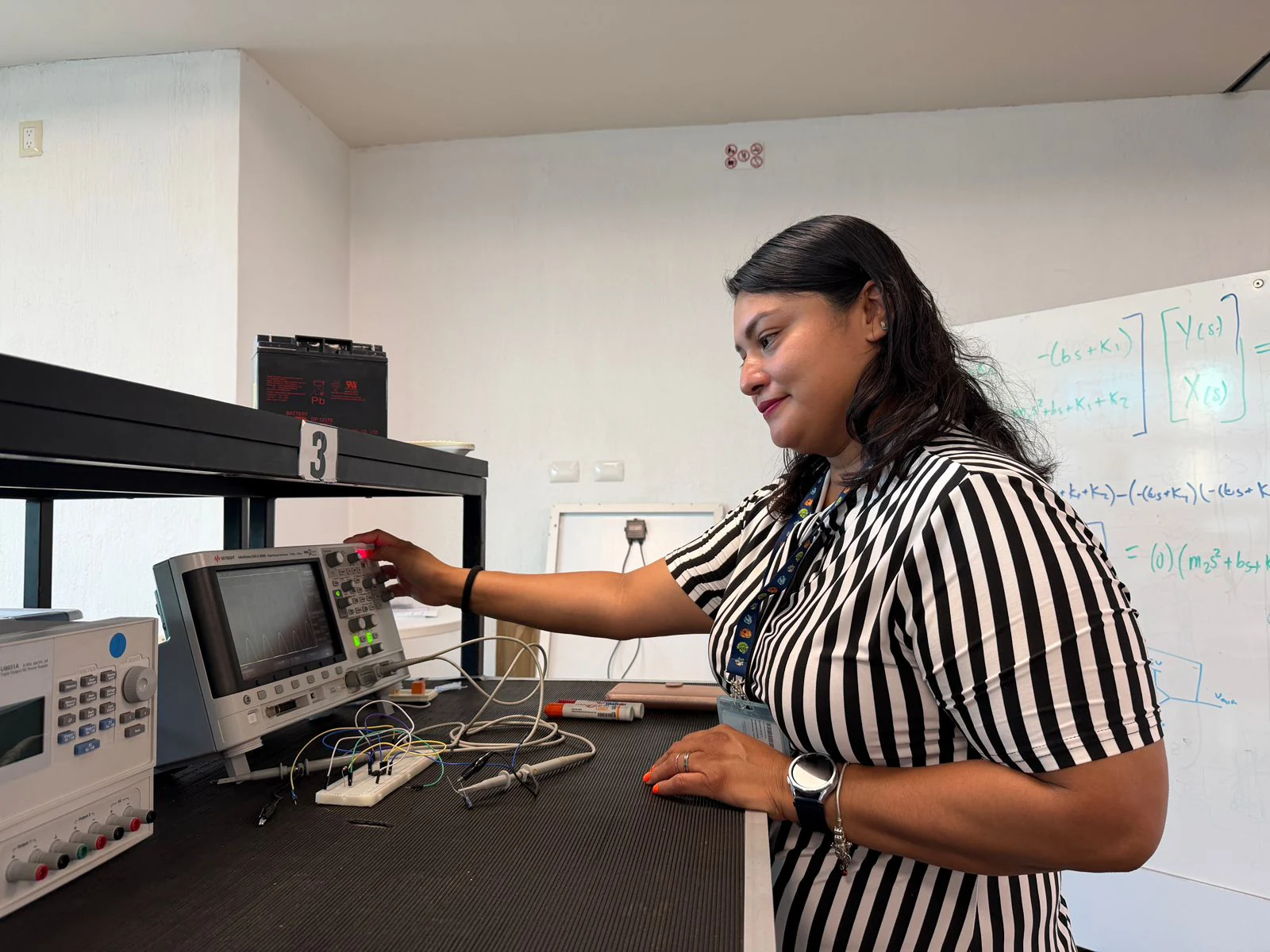
A sensor turns a changing physical quantity into a measurable signal; electronics then sample and encode it. Each step preserves some information and can blur or discard other details.
Resonance is a shared physical idea across imaging and hearing: systems respond to energy in ways shaped by their structure. MRI and the cochlea use very different mechanisms, but both reveal how tiny responses carry information.
A plausible physical explanation can show how a therapy might act, but patient benefit is a separate question. Clinical trials test that question by measuring outcomes in people under defined conditions.
At small scales, surface interactions and short travel distances can dominate a device’s behavior. Understanding those effects helps explain the opportunities and limits of compact diagnostics and biomaterials.
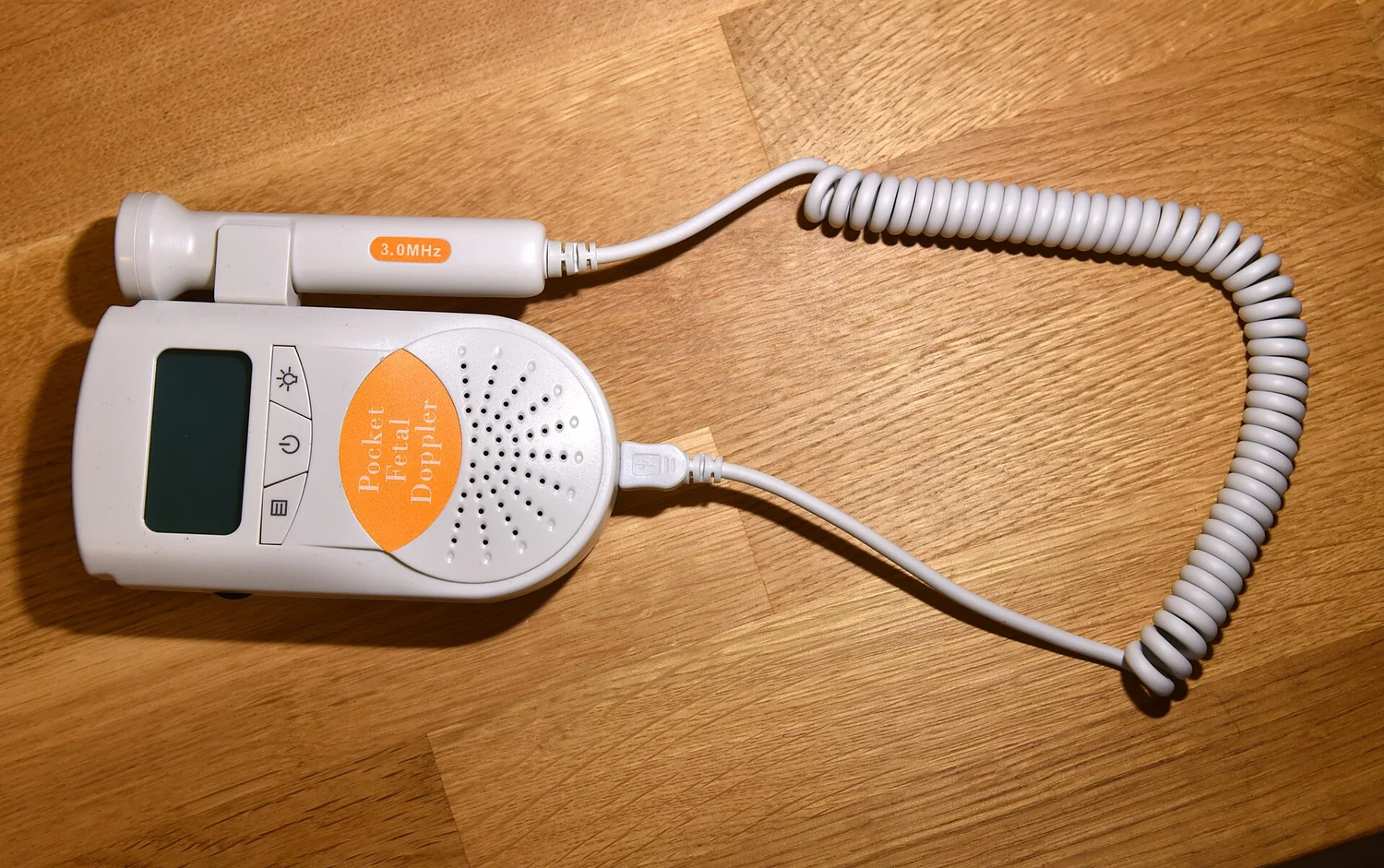
Amplitude describes the size of a wave’s changing signal; intensity describes how much wave energy passes through an area. Keeping those quantities distinct clarifies how ultrasound scanners interpret echoes and manage exposure.
A pattern in measurements can point toward an explanation, but it does not show how one thing causes another. Models and experiments help turn an observed association into testable physical steps.
Medical devices often rely on contact between two substances: blood and dialysis fluid, tissue and an implant, or light and a lens. Surface area shapes how much interaction is possible, while flow and material properties determine what that area accomplishes.
Frequency counts cycles per second; wavelength measures the distance a wave travels in one cycle. Their relationship helps explain ultrasound resolution and how electromagnetic radiation spans radio waves through x-rays.
A model’s output depends on many inputs, but some assumptions matter far more than others. Sensitivity analysis varies those inputs systematically to reveal where predictions are stable and where they are fragile.
Molecules spread because random thermal motion continually carries them through space. A concentration difference gives that wandering a net direction, a principle used in dialysis filters and relevant to how materials exchange substances.
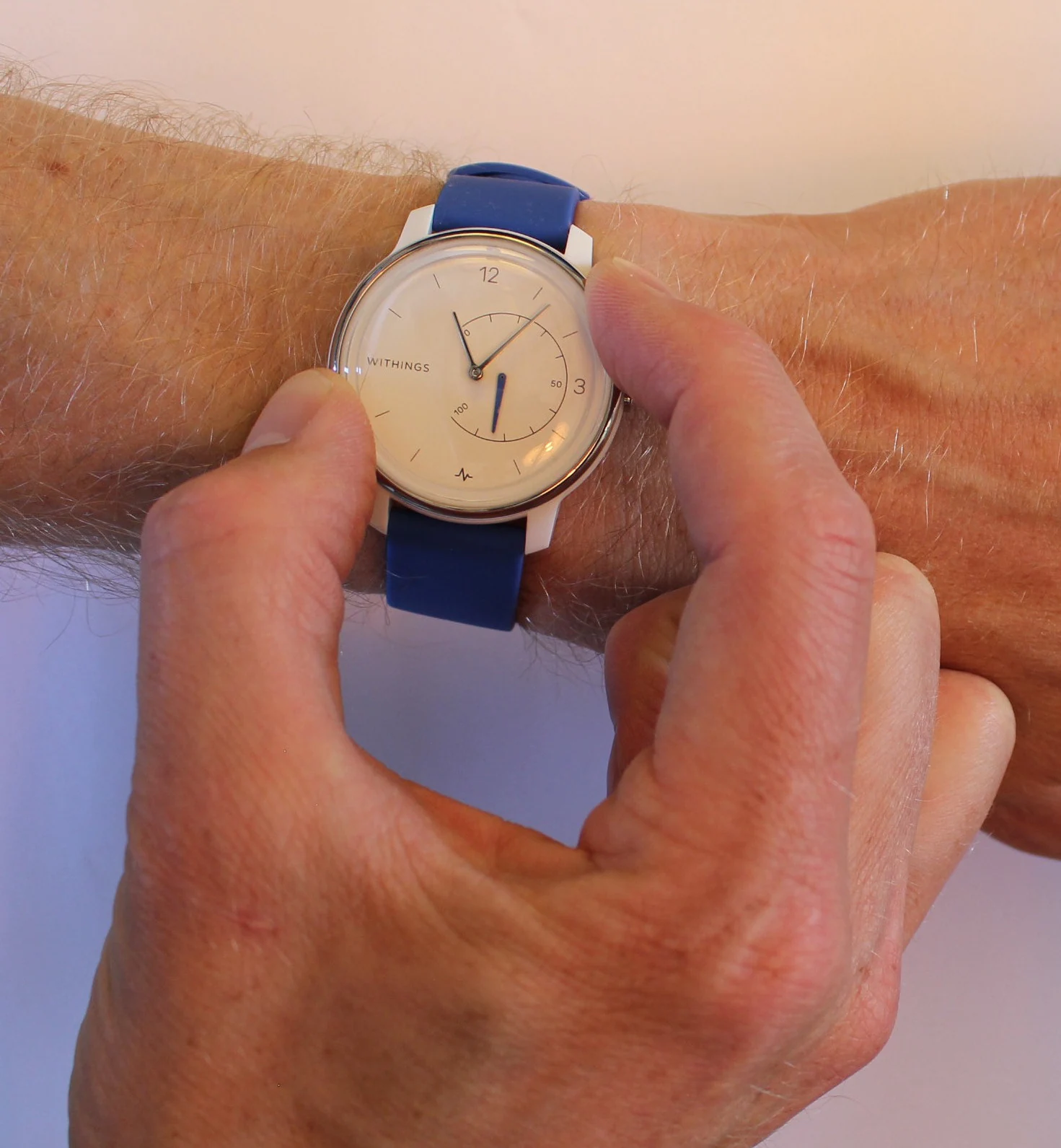
Current describes charge moving through a path over time, while an ECG records voltage changes associated with the heart’s electrical activity. Together, these ideas connect a physical quantity to a familiar medical measurement.
A medical technology can start with a physical signal, but benefit depends on every step from interaction with the body to interpretation and care. Following that chain clarifies what a device does and what evidence is still needed.
A simulation can reveal patterns and test “what if” scenarios, but its output is conditional on its assumptions. Comparing predictions with observations shows where those conditions describe the real system well.
A narrow channel changes how much fluid can pass, how pressure is distributed, and how transport reaches surfaces. Dialysis fibers and sterilization lumens show why geometry matters in medical systems.
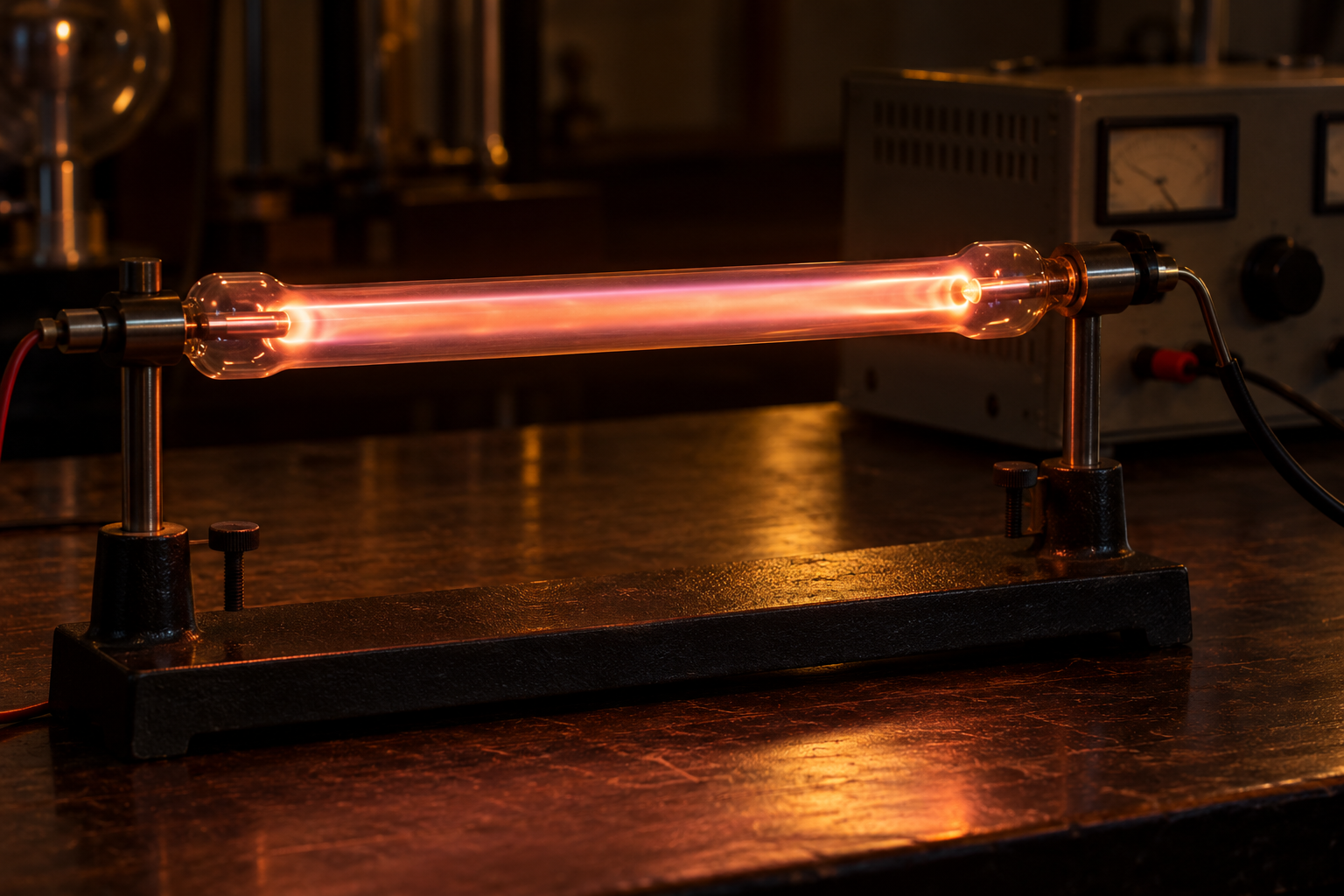
Plasma is a gas in which some particles carry electric charge. Following what happens to an atom’s electrons explains why plasma responds to fields, conducts current, and appears in both nature and medical equipment.
A diagram is a compressed account of a physical process. Follow the arrows, identify what is measured, and ask what assumptions connect the drawing to a biological conclusion.