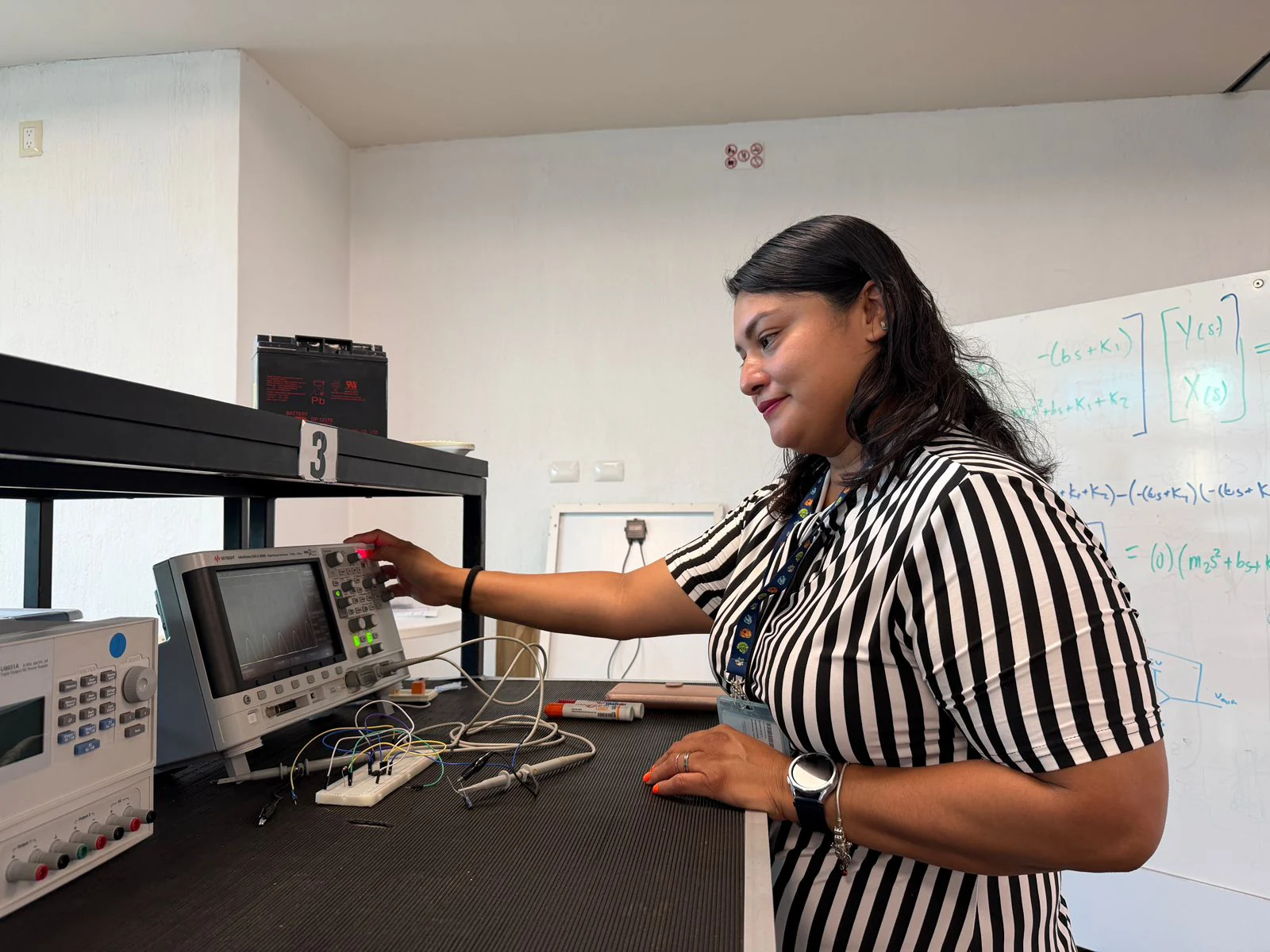
How does a warm patch of skin become the number 37.2 on a screen? The reading is not a temperature floating inside the device. It is the end of a chain: a physical change affects a sensor, the sensor produces an electrical response, and electronics translate that response into a number. Understanding the chain explains both what a measurement tells us and what it leaves out.
First, something physical has to change
A sensor detects and responds to an input from its surroundings. The input might be temperature, pressure, light, chemical concentration, magnetic fields, or movement. A thermometer, for example, may use a fluid that expands with heat or a metal strip that bends; those motions provide a physical effect that can be related to temperature [1].
The key is a reliable relationship between input and response. Imagine pressing a spring: more force produces more compression over a useful range. A sensor uses an analogous relationship, though its material may respond through resistance, voltage, light absorption, or another property. The device does not directly “know” the quantity; it has a measurable response that can be calibrated.
From response to electrical signal
Many biomedical sensors convert the first physical response into an electrical signal. A temperature-sensitive element might change its electrical resistance as it warms. A pulse oximeter instead shines particular kinds of light through tissue and measures changes in how much light is absorbed; those optical changes are used to estimate pulse and blood oxygen [1].
The signal may be tiny, noisy, or mixed with unrelated effects. A sensor attached to skin can move, encounter changing pressure, or register surrounding temperature as well as body heat. Electronics can amplify a signal and filter some variation, but filtering is a choice: remove too much rapid change and a real brief event can disappear along with noise.
Sampling turns a changing signal into snapshots
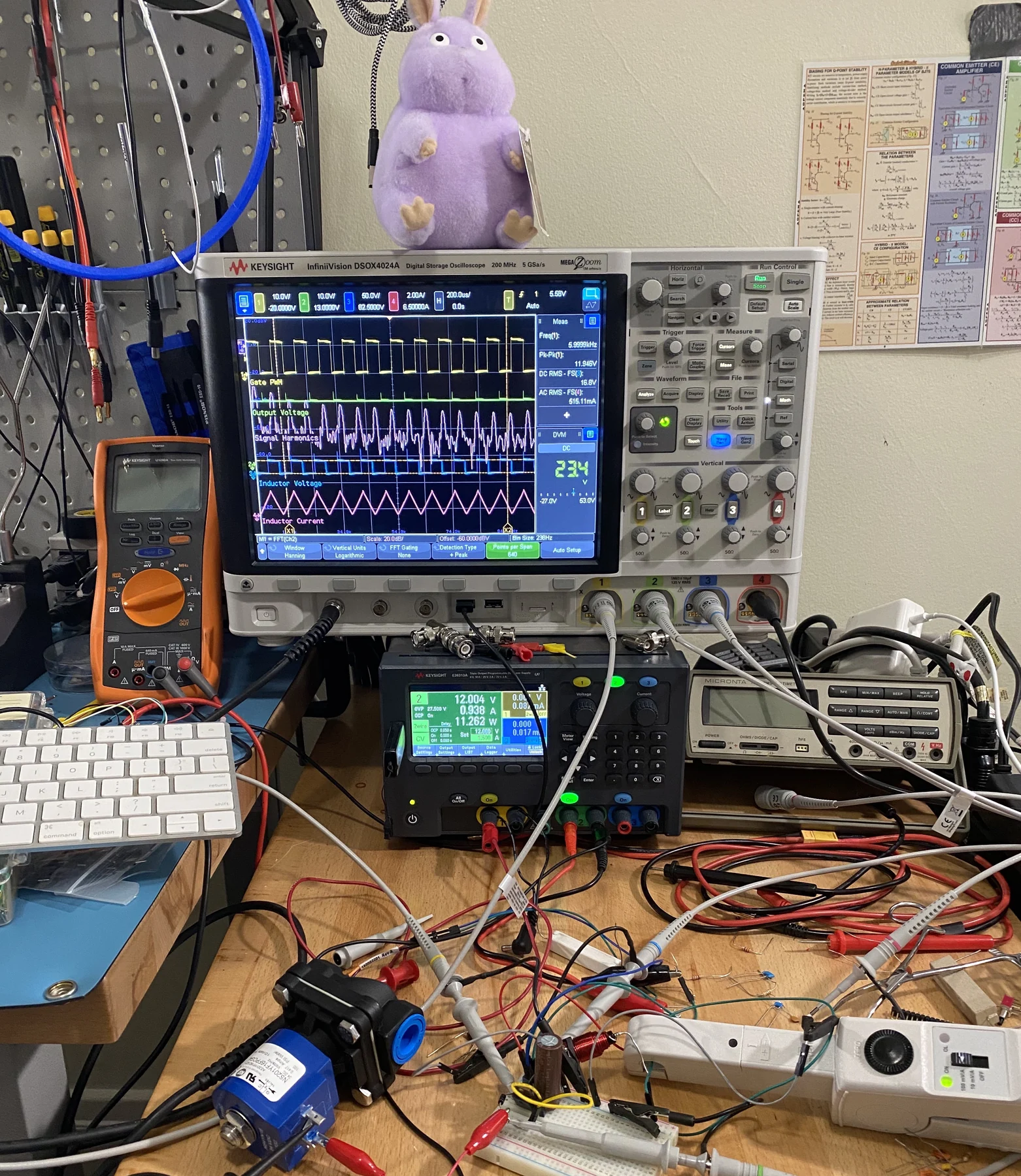
A continuously changing voltage is still not a digital number. An analog-to-digital converter measures it at selected instants, a process called sampling. If a heart sensor samples once each second, it records snapshots rather than every detail of the changing heartbeat. More frequent sampling can capture faster changes, provided the sensor and electronics can respond quickly enough.
A useful mental experiment is to draw a smooth wave, then mark only a few points along it. With many points, its shape is recognizable; with too few, a fast wave may look slower or vanish between marks. Digital health devices therefore make design choices about how often to sample, how much data to retain, and which changes matter for their intended task [2].
Encoding, display, and meaning
At each sample, the converter assigns the measured voltage to one of a finite set of digital levels. The computer stores these levels as binary digits, or bits, and software may convert them to familiar units. Rounding can make a display easier to read, but a screen that shows one decimal place does not prove that the original measurement is accurate to that precision.
A continuous glucose monitor, for instance, detects glucose in fluid between cells and sends readings to a phone throughout the day [1]. That stream can help a person and care team see patterns, but it is still sensor data processed by a device. Digital-health systems can share and organize information for monitoring and care [2]; whether a particular reading diagnoses a condition depends on the device, its validation, and the clinical context.
Sources & further reading
- Sensors NIBIB
- Digital Health NIBIB
Prepared for the independent PSI Center reading library. About edition dates and source checking.
This explainer describes scientific principles. It does not assess individual treatment choices.