What does a cuff actually measure when it reports blood pressure? It does not watch blood move through every vessel. Instead, it detects physical effects of a heartbeat and uses them to estimate pressure in an artery. That distinction connects an everyday medical reading to the broader physics of force, area, motion, and sensing—and clarifies why a number is useful without being a complete description of the body.
Pressure is force spread over area
Pressure describes how much force acts on a given area. A force of the same size produces greater pressure when concentrated on a small surface than when spread over a large one. This is why a narrow heel presses harder into soft ground than a broad shoe sole, even if the person’s weight is unchanged.
In a fluid such as blood, pressure acts in all directions and pushes on vessel walls. The heart’s contractions create changing pressure as blood is driven into the circulation. The heart is a pump connected to a branching network of arteries, veins, and capillaries; valves help keep flow moving in the intended direction [2]. A pressure reading therefore reflects forces in a dynamic system, not a static quantity like the height of a table.
How a cuff turns motion into a number
A blood pressure cuff works by temporarily squeezing an artery in the arm. As the cuff pressure changes, the artery alternately opens and closes with the pulse. In common automated devices, pressure sensors detect small oscillations in the cuff caused by those changes. The device processes the pattern to estimate the familiar upper and lower pressure values; it does not directly sample blood inside the artery.
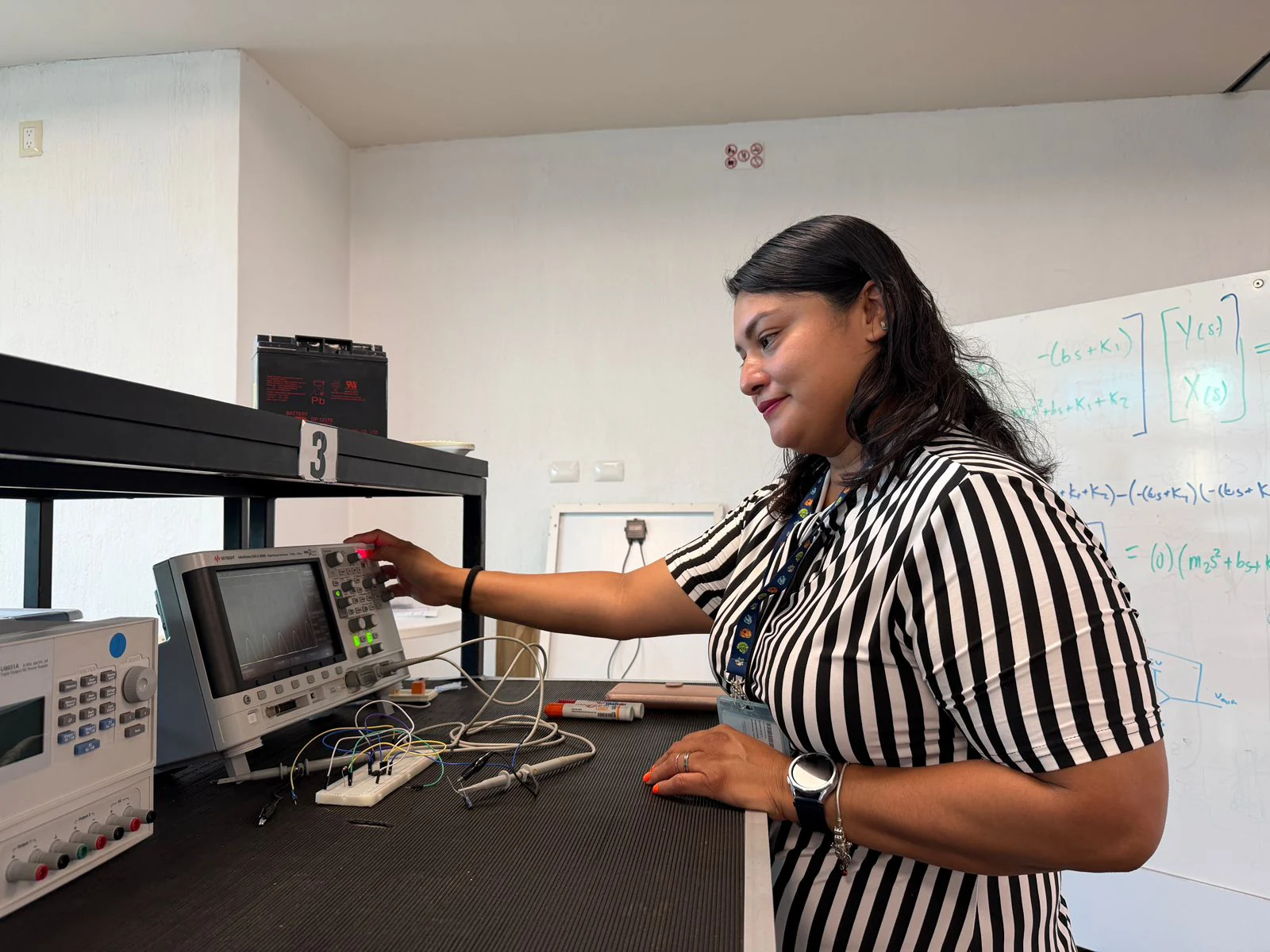
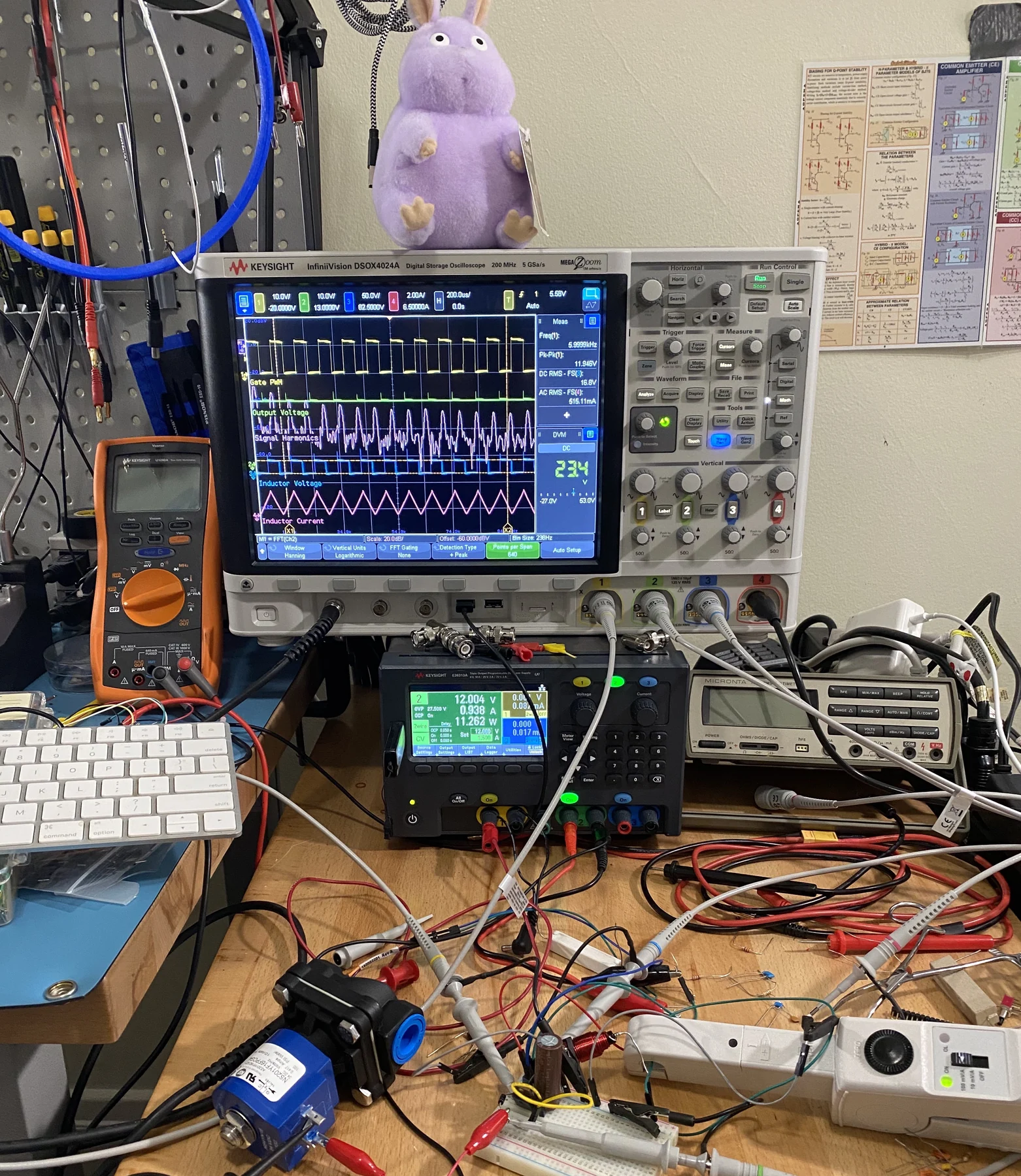
The sensor is a translator between physical input and recorded information. Sensors can respond to pressure, temperature, light, flow, magnetic fields, or chemical signals, among other quantities [1]. A pressure sensor might convert a tiny deformation of a material into an electrical signal. Electronics then amplify and interpret that signal. Each step—from artery to cuff, cuff to sensor, sensor to display—depends on calibration and assumptions about how the measured signal relates to the quantity of interest.
A heartbeat is a changing signal
Imagine drawing pressure against time for one heartbeat. The curve rises as the heart contracts and falls as it relaxes, while the next beat begins before the circulation has become motionless. A single displayed value compresses this changing waveform into a useful summary. It cannot show every beat, every vessel, or how pressure varies through the body.
This is a general feature of measurement. A thermometer reports temperature at a location, while a wearable may track heart rate or sleep-related patterns over time. Such devices detect particular signals; they do not automatically diagnose disease. The measurement’s meaning depends on what the sensor can detect, how it has been checked, and the question being asked. A pulse oximeter, for example, uses changes in light absorption to estimate blood oxygen and heart rate [1].
Numbers need context
The pressure acting on a vessel depends on more than the heart alone. Blood volume, vessel properties, and the timing of contraction and relaxation all shape the pattern. A cuff reading taken at one moment is therefore a snapshot under particular conditions. Repeated measurements can reveal whether a pattern persists, but no single value provides a complete account of circulation or overall health.
The useful question is not whether a measurement tells everything. It is whether it measures the relevant physical quantity reliably enough to support a decision. Knowing that pressure is force per area, and that a sensor infers it through a chain of mechanical and electrical effects, makes the reading easier to interpret. It also makes its boundary clearer: a number is evidence about a physical process, not the process in its entirety.
Sources & further reading
- Sensors NIBIB
- How the Heart Works NHLBI
Prepared for the independent PSI Center reading library. About edition dates and source checking.
This explainer describes scientific principles. It does not assess individual treatment choices.