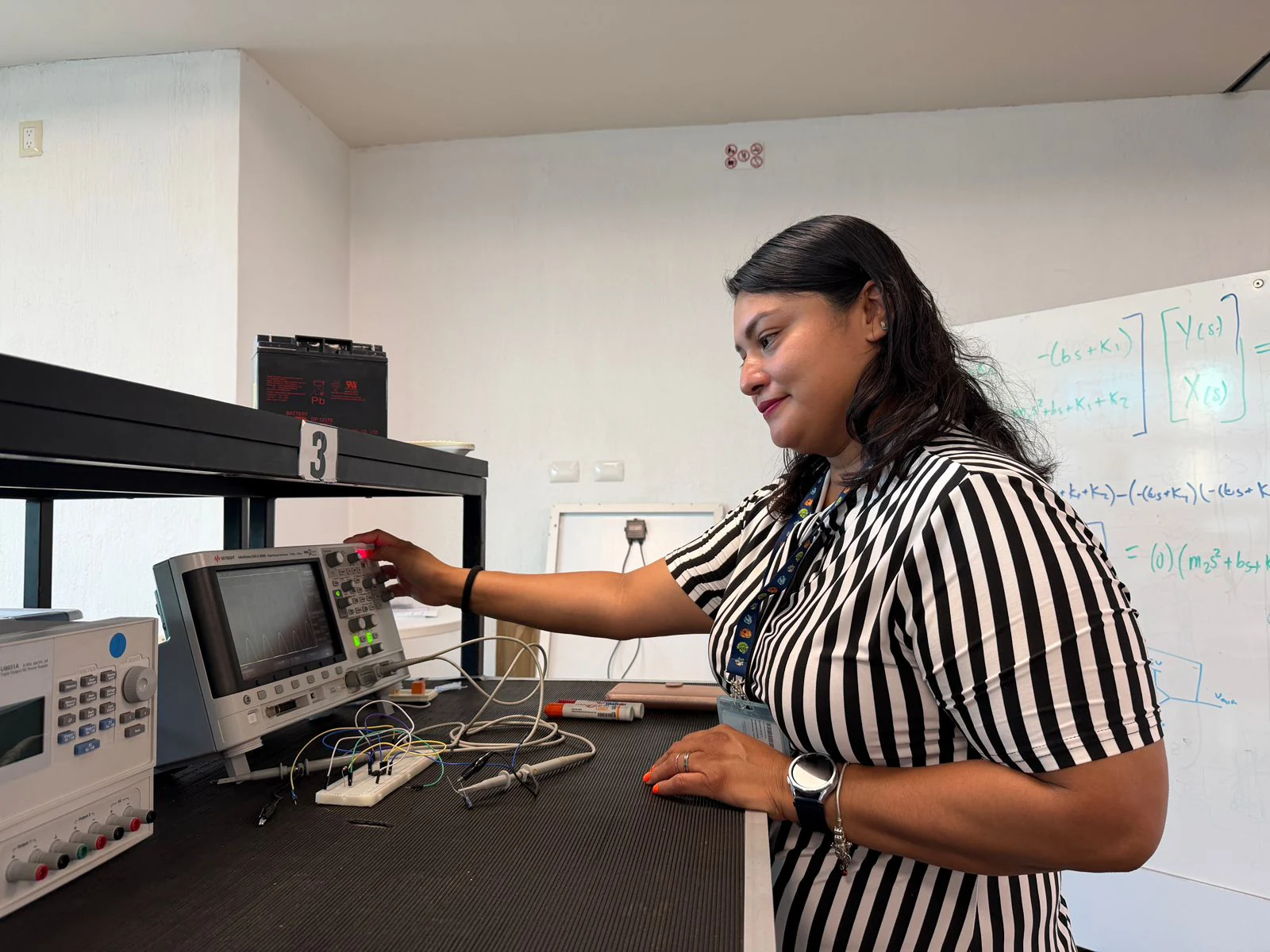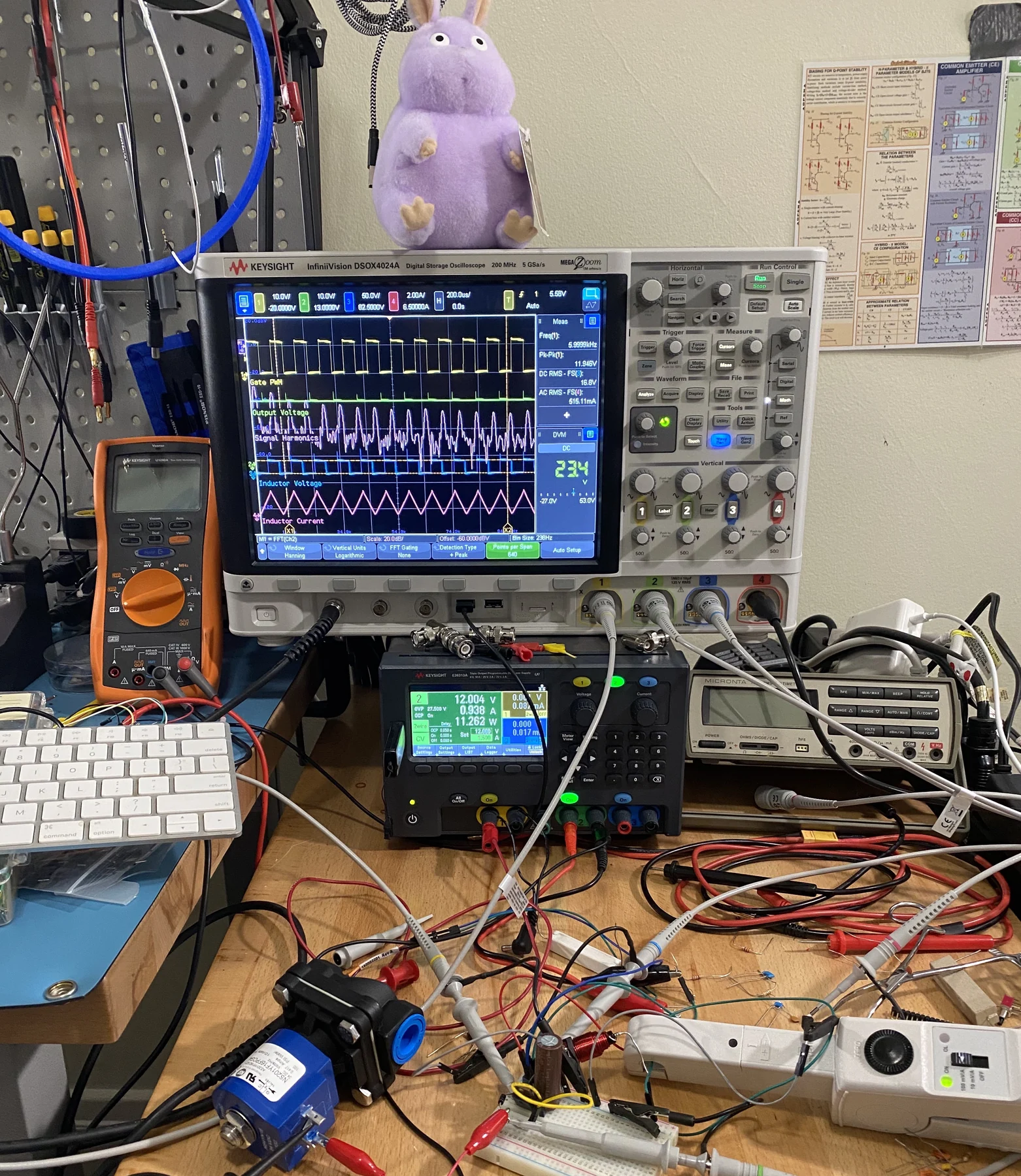
If a computer predicts how a biological system will behave, how do we know the prediction means anything outside the computer? A simulation follows mathematical rules, but the real body supplies the test. Validation data—measurements collected from experiments or clinical observations—help show whether a model’s predictions match the system it aims to represent.
A model is a structured guess
Computational modeling uses computers to simulate complex systems through mathematics, physics, and computer science. A model represents a system using variables, then calculates outputs under specified conditions. Weather forecasting offers a familiar analogy: atmospheric variables are entered into equations, and the results are predictions rather than direct observations of tomorrow’s sky [1].
Biomedical models can be mechanistic, built around established principles such as physical laws or known biochemical processes; data-driven, built by finding patterns in large datasets; or hybrid, combining the two [1]. Each approach makes choices about what to include. A model of blood flow, for example, may represent fluid motion and vessel geometry. Its output is meaningful only in relation to those choices and the information supplied.
Why fit is not enough
A simulation can reproduce the data used to construct it and still perform poorly on new conditions. This is because many different assumptions or parameter combinations can generate similar outputs for the original examples. Validation asks a more demanding question: when predictions are compared with independent measurements relevant to the intended use, do they agree closely enough to support the conclusions being drawn?
Consider a model of a heart valve. It might predict how a change in valve geometry affects flow. If measurements from experiments or clinical data agree with those predictions, confidence rises for the tested conditions. NIBIB describes a fluid-structure interaction model of all four heart valves whose predictions were in excellent agreement with clinical and experimental data [1]. That agreement supports the model’s use as a research tool; it does not mean every possible heart or disease state has been tested.
Data connect the virtual to the physical
Validation data need to represent the system and conditions the model is meant to address. Measurements may be noisy or incomplete, and the model may leave out variables that matter. A discrepancy between prediction and observation is useful information: it can point to an inaccurate assumption, a measurement limitation, or a system behavior the model does not yet represent. The comparison is a way to find the boundary of reliability, not simply to award a pass or fail.
The same reasoning applies to devices. Medical devices can monitor, modulate, or supplement bodily functions, from wearable sensors to implanted pacemakers [2]. A model used to inform a design might estimate electrical, mechanical, or physiological behavior. But a modeled response cannot by itself establish that a device will behave the same way in people. The evidence needed depends on the question, the device, and the conditions under which predictions will be used.
Predictions should travel with their limits
Validation is not a one-time stamp that makes a model universally true. A model validated for one range of inputs may need more evidence before it is applied to another population, anatomy, device, or clinical decision. A weather model is not automatically reliable for every region just because it predicted conditions well elsewhere; the same caution applies to models of biology.
Digital twins make the point especially clearly. They pair a physical system with a virtual representation and update the model as new information arrives. In a proposed patient application, clinical assessments and images could update a model as a tumor changes, allowing simulations of possible treatment scenarios [1]. The model remains one component of a larger framework. Its usefulness depends on the quality of the measurements, the rules connecting those measurements to predictions, and continued comparison with what happens in the physical system. Simulation expands what can be explored; validation data tell us how far its conclusions can travel.
Sources & further reading
Prepared for the independent PSI Center reading library. About edition dates and source checking.
This explainer describes scientific principles. It does not assess individual treatment choices.