A plausible physical explanation can show how a therapy might act, but patient benefit is a separate question. Clinical trials test that question by measuring outcomes in people under defined conditions.
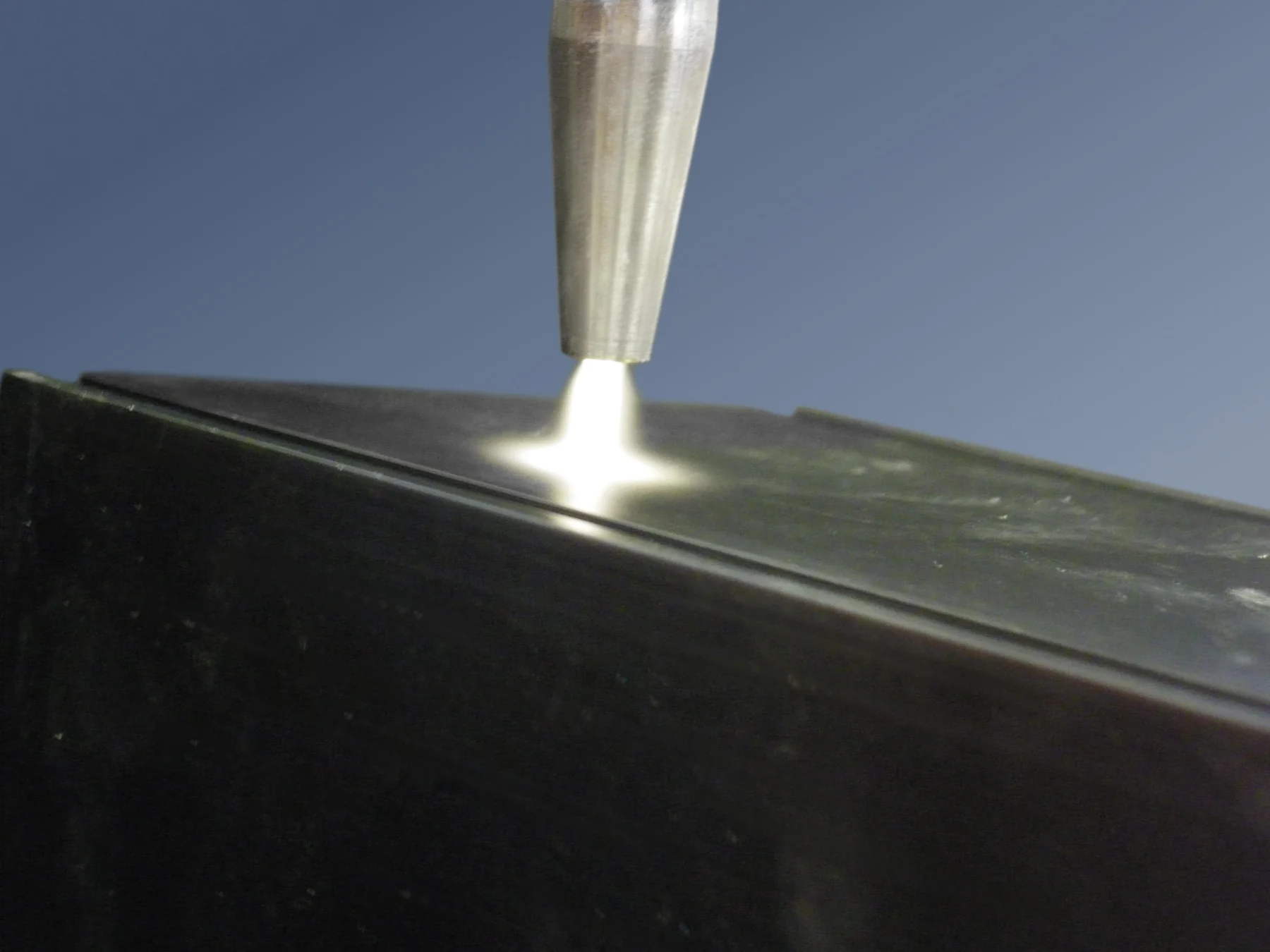
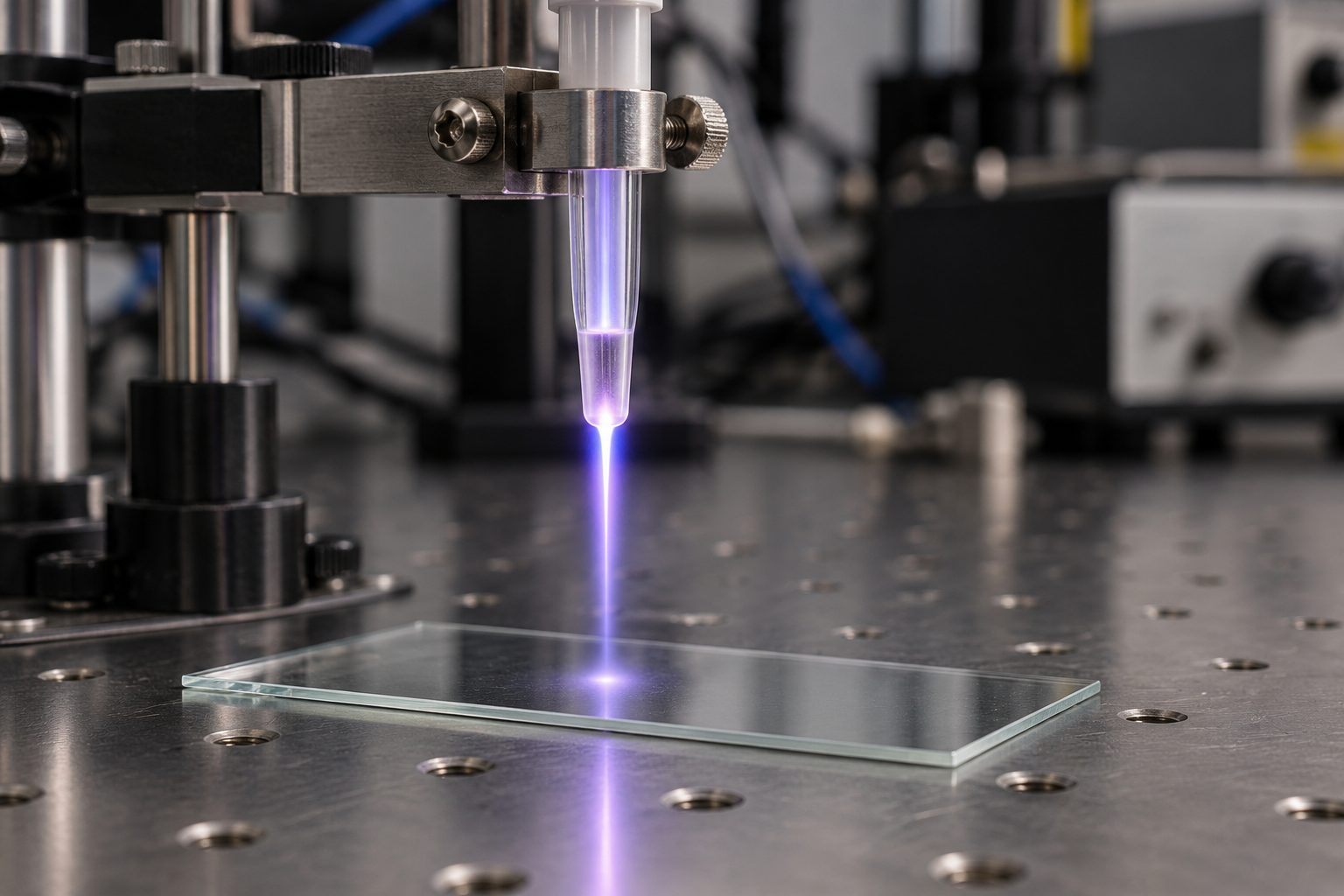
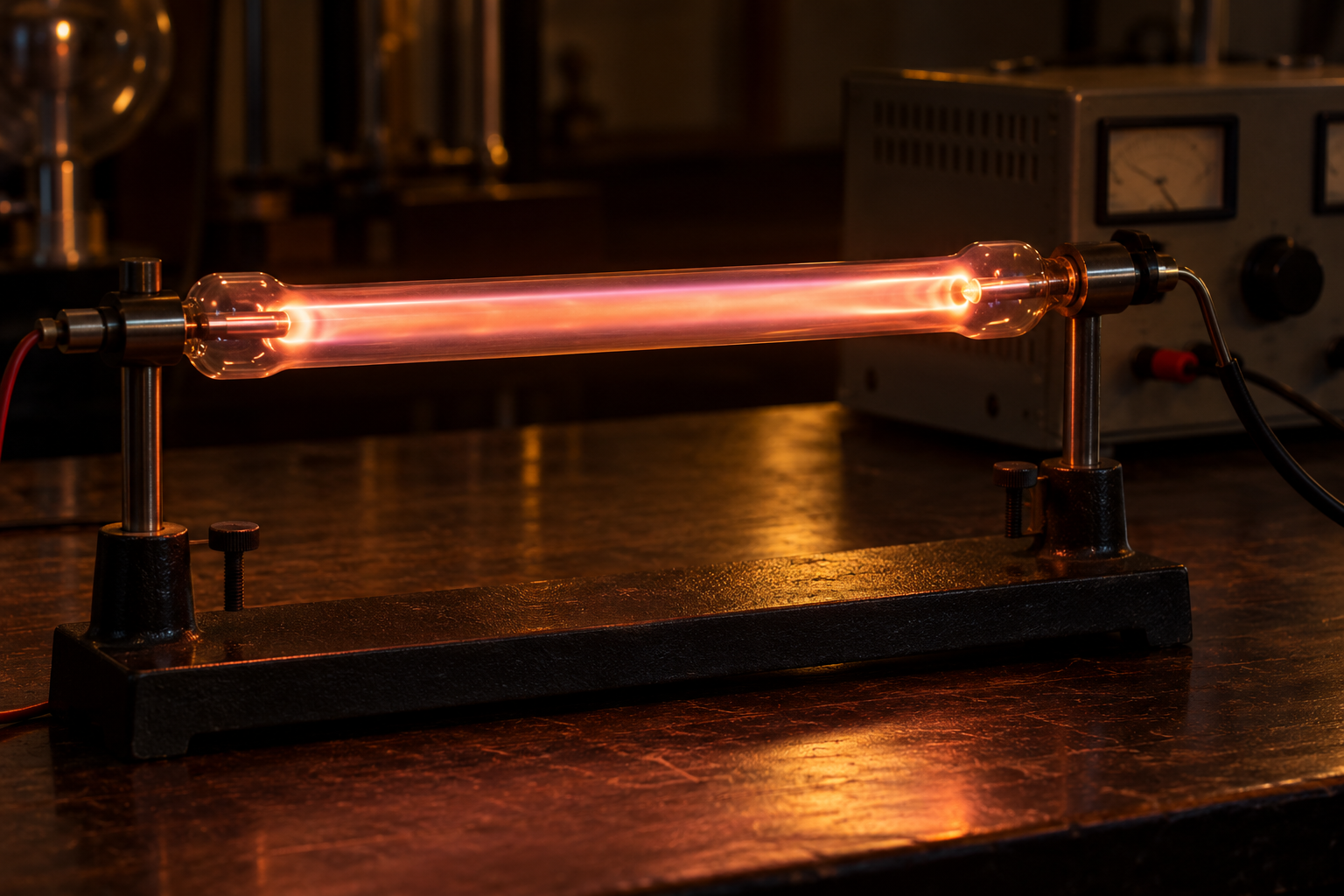
Cold plasma can create chemically active particles at a surface, but the same reactivity that may affect microbes or tissue can also cause damage. Wound and cancer studies remain distinct from proof of routine clinical benefit.
Cold plasma research and gas-plasma sterilization share a name but serve different purposes. Their safety depends on chemistry, exposure, tissue context and evidence—not simply whether a process feels cool.
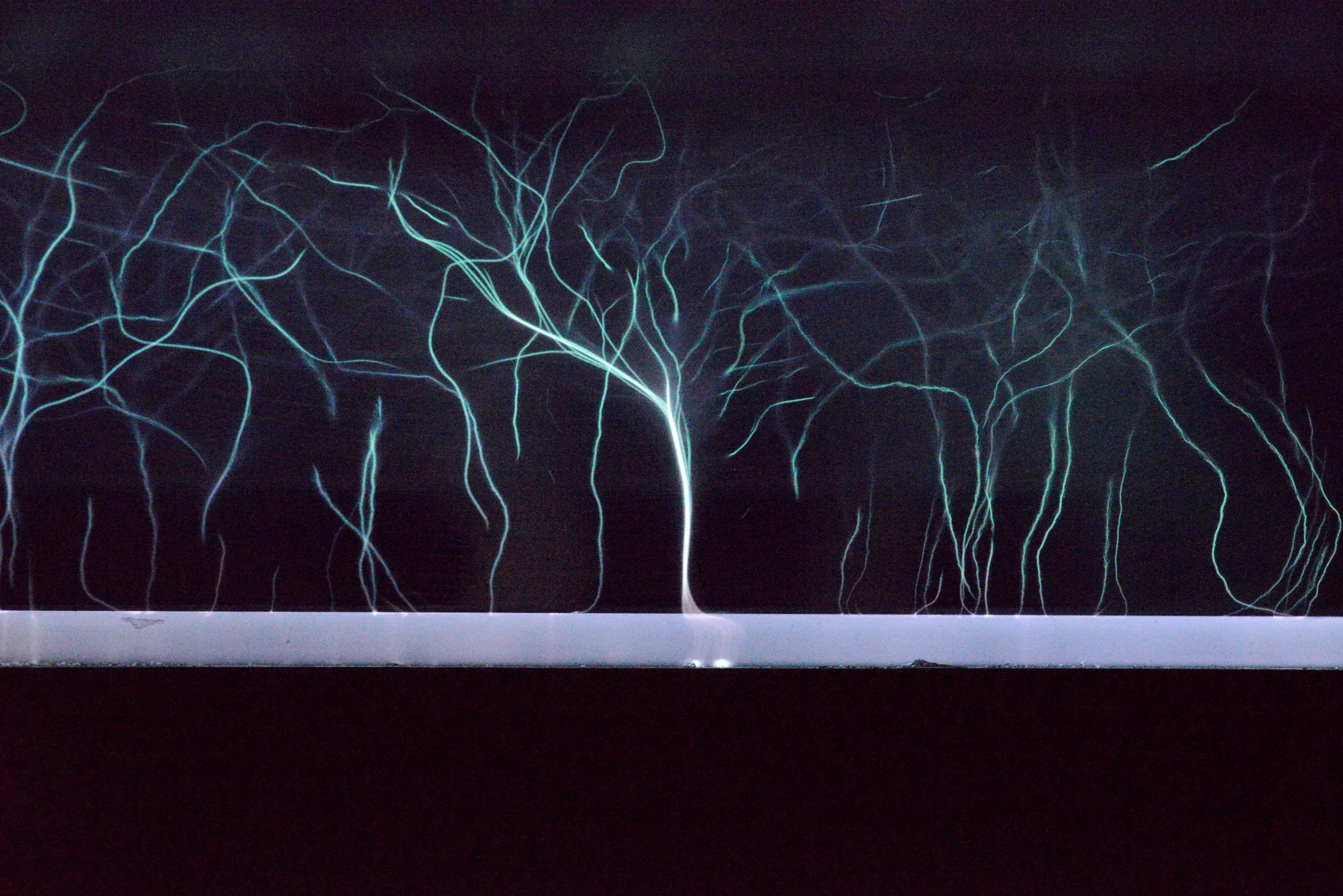
Cold atmospheric plasma has been investigated as a local treatment approach, with a small phase I study focused on safety alongside surgery. Selectivity remains a research question, not established cancer effectiveness.
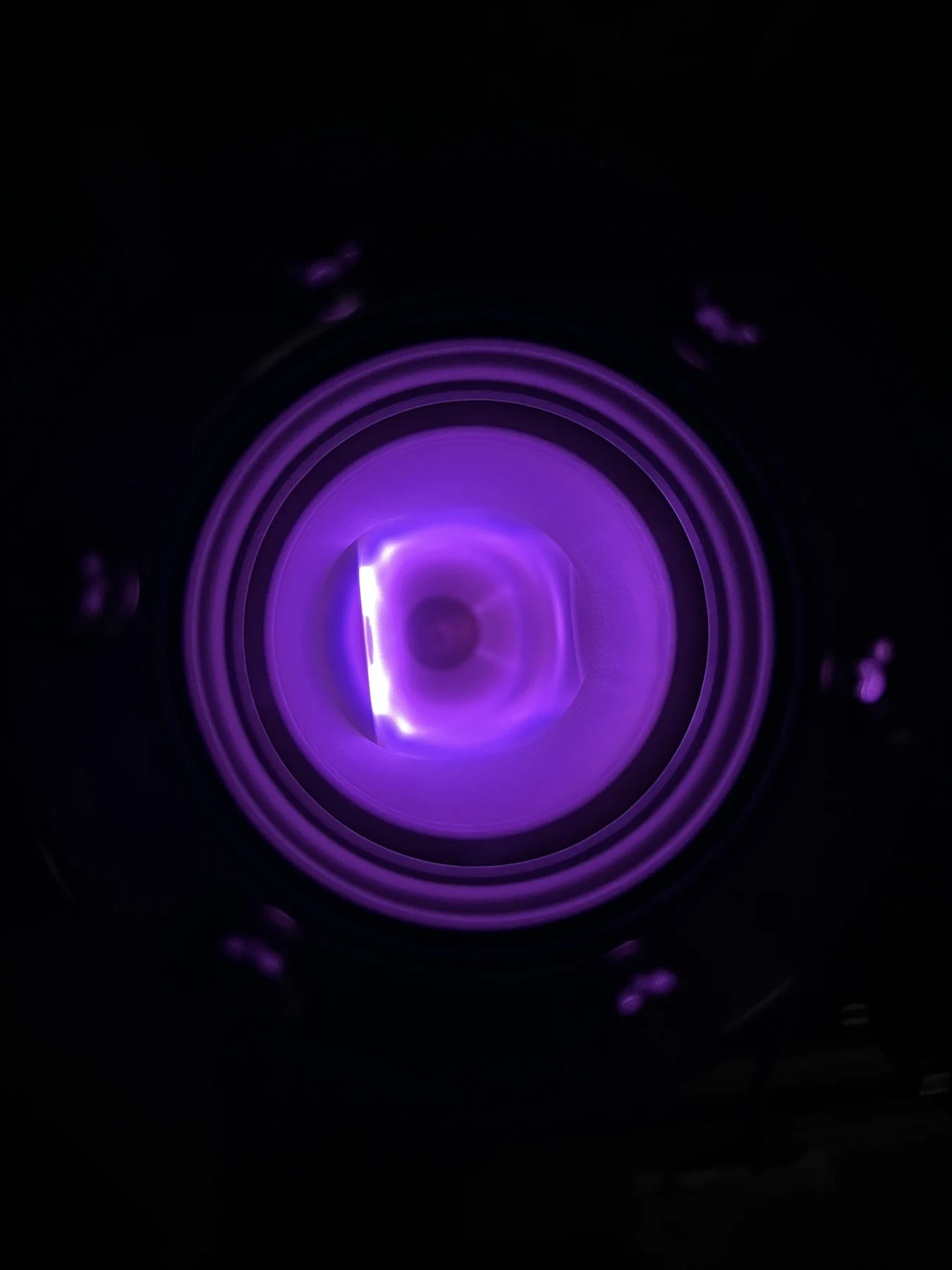
Cold atmospheric plasma can generate reactive oxygen and nitrogen species, molecules that participate in chemical interactions with cells and tissues. Their effects depend on context, and laboratory mechanisms do not establish clinical benefit.
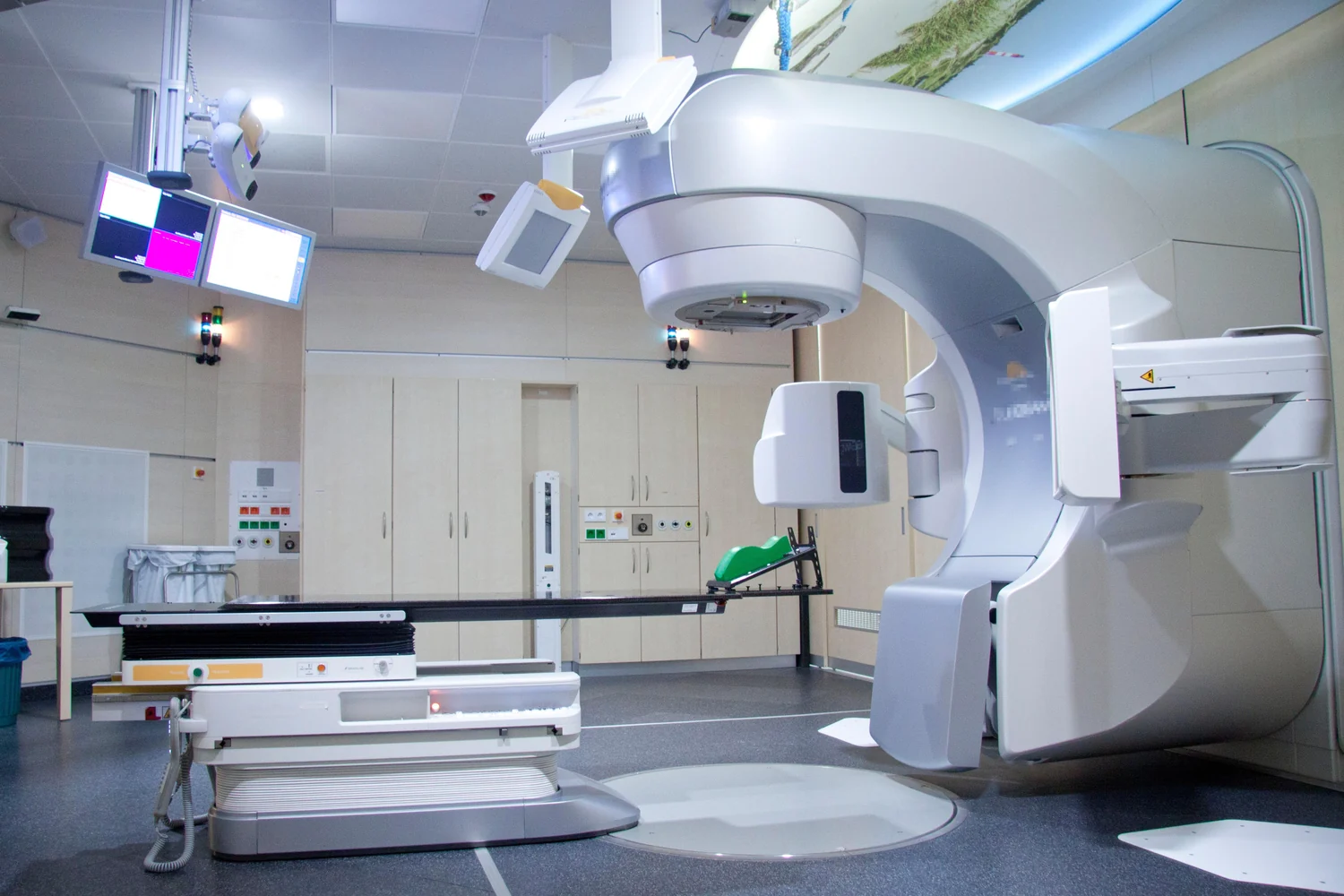
A radiation technology claim becomes meaningful when its target, dose delivery, comparison, and patient outcome are specified. Physics can explain a rationale; clinical evidence tests whether it helps.
The same word names a charged state of matter and the liquid part of blood. Cold atmospheric plasma is under study for medical uses, but early research does not establish routine benefit or effectiveness.
Cold atmospheric plasma can generate reactive chemical species studied for tumor biology. A small phase I surgical study examined safety and feasibility, leaving effectiveness questions for larger, controlled research.
A device enters human research through a sequence of design, safety, oversight, and evidence questions. Permission to study a device is not the same as evidence that it works or authorization for routine commercial use.
A small first-in-human study can establish whether a treatment approach merits further evaluation. Its design and size limit what it can show about benefit, even when early observations appear promising.
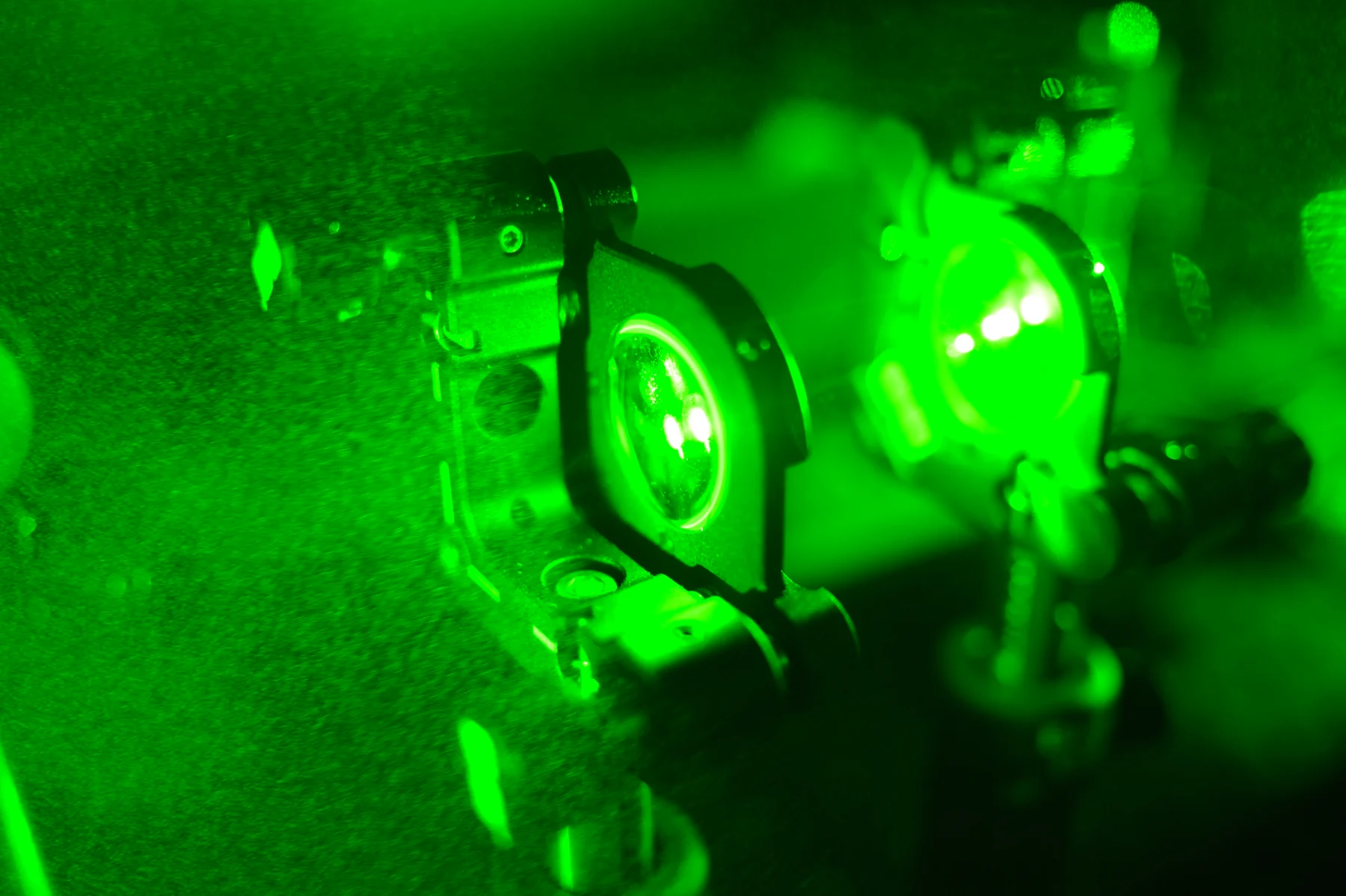
Light can reveal different features of tissue depending on its wavelength. The same choice shapes how deeply it travels, what molecules absorb it, and whether it is used to image, measure, or treat.
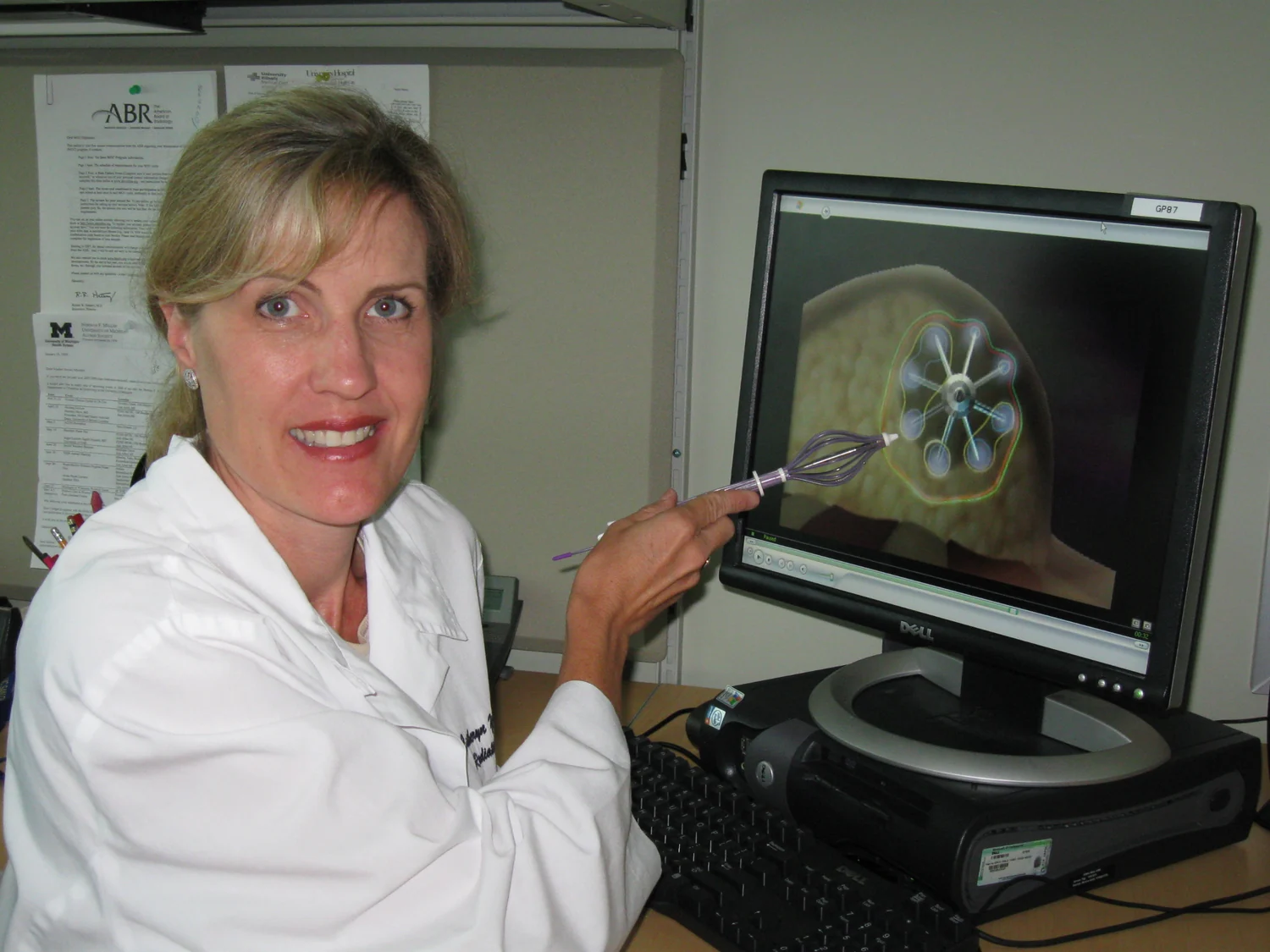
Radiation can affect healthy cells near a tumor, so the body region receiving treatment helps shape the side effects. Beam design, dose schedule, and tissue recovery all influence what happens.
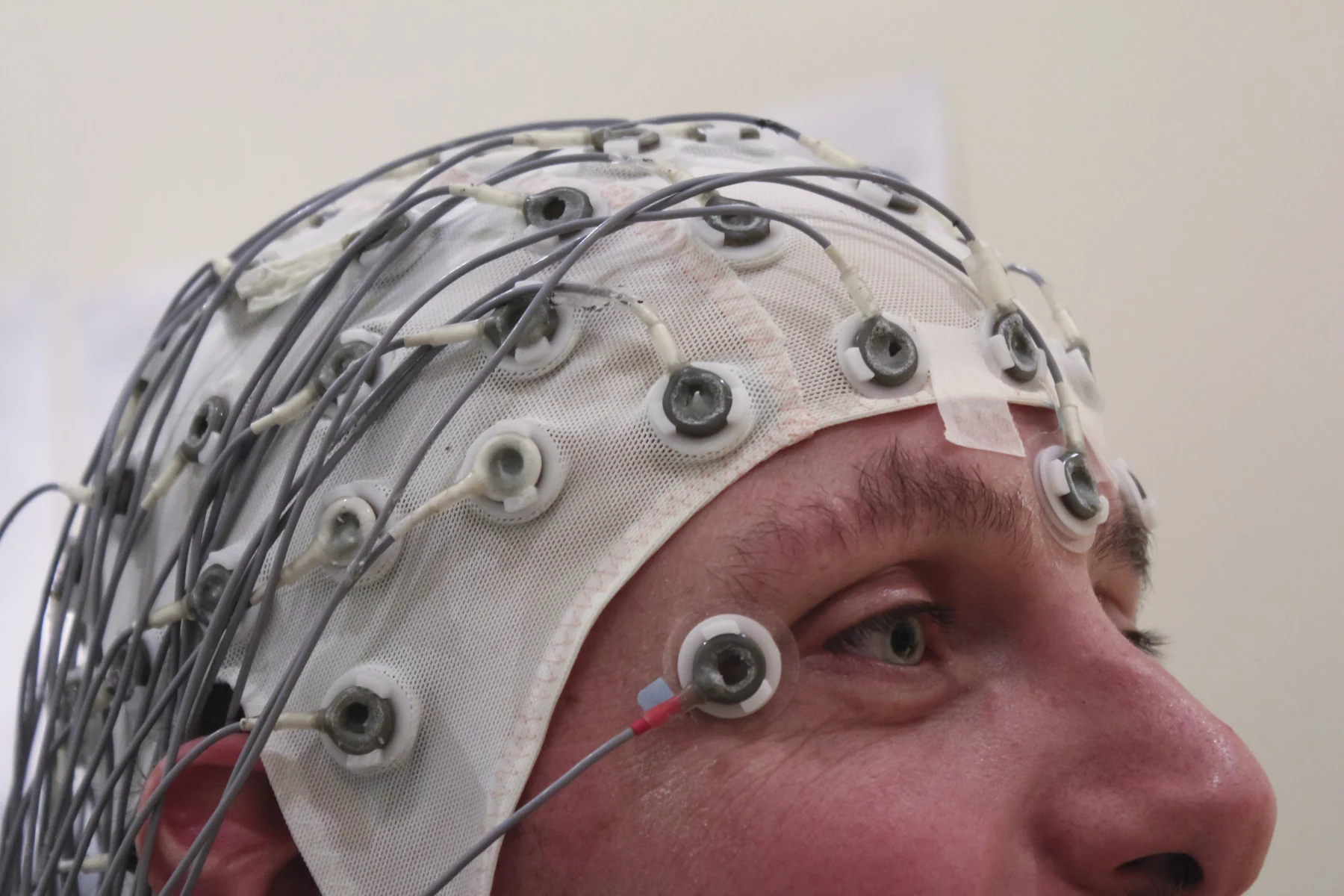
Brain stimulation therapies differ in how energy reaches neural tissue, where it acts, and what evidence supports their use. Comparing them requires attention to delivery, targeting, clinical purpose, and the distinction between authorized and experimental methods.
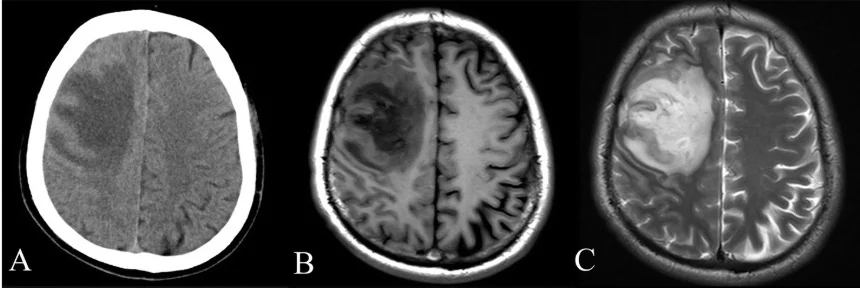
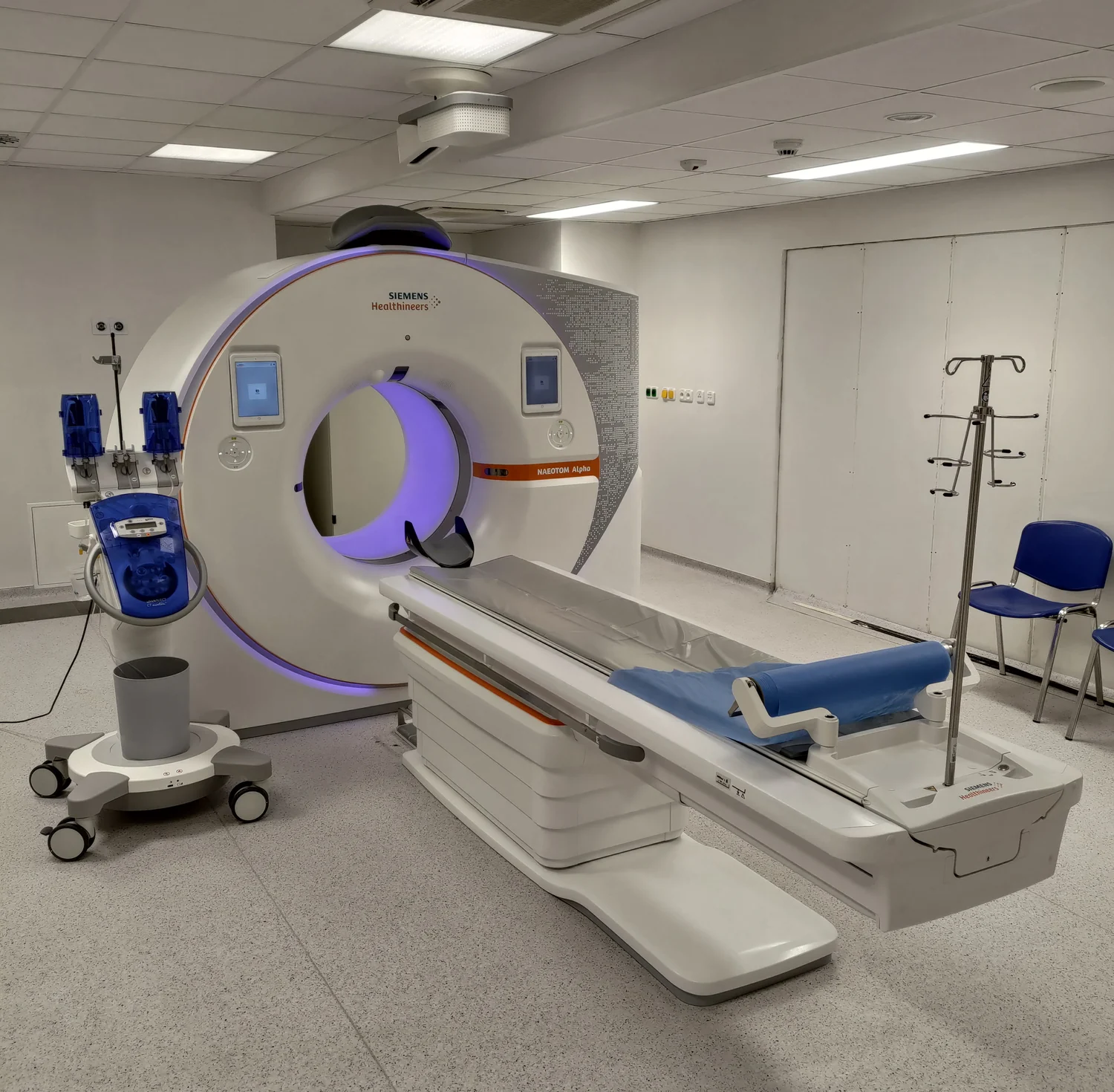
Medical images turn measurements into a grid of picture elements, but visible detail depends on more than screen sharpness. CT and MRI collect different signals and build images through distinct physical processes.
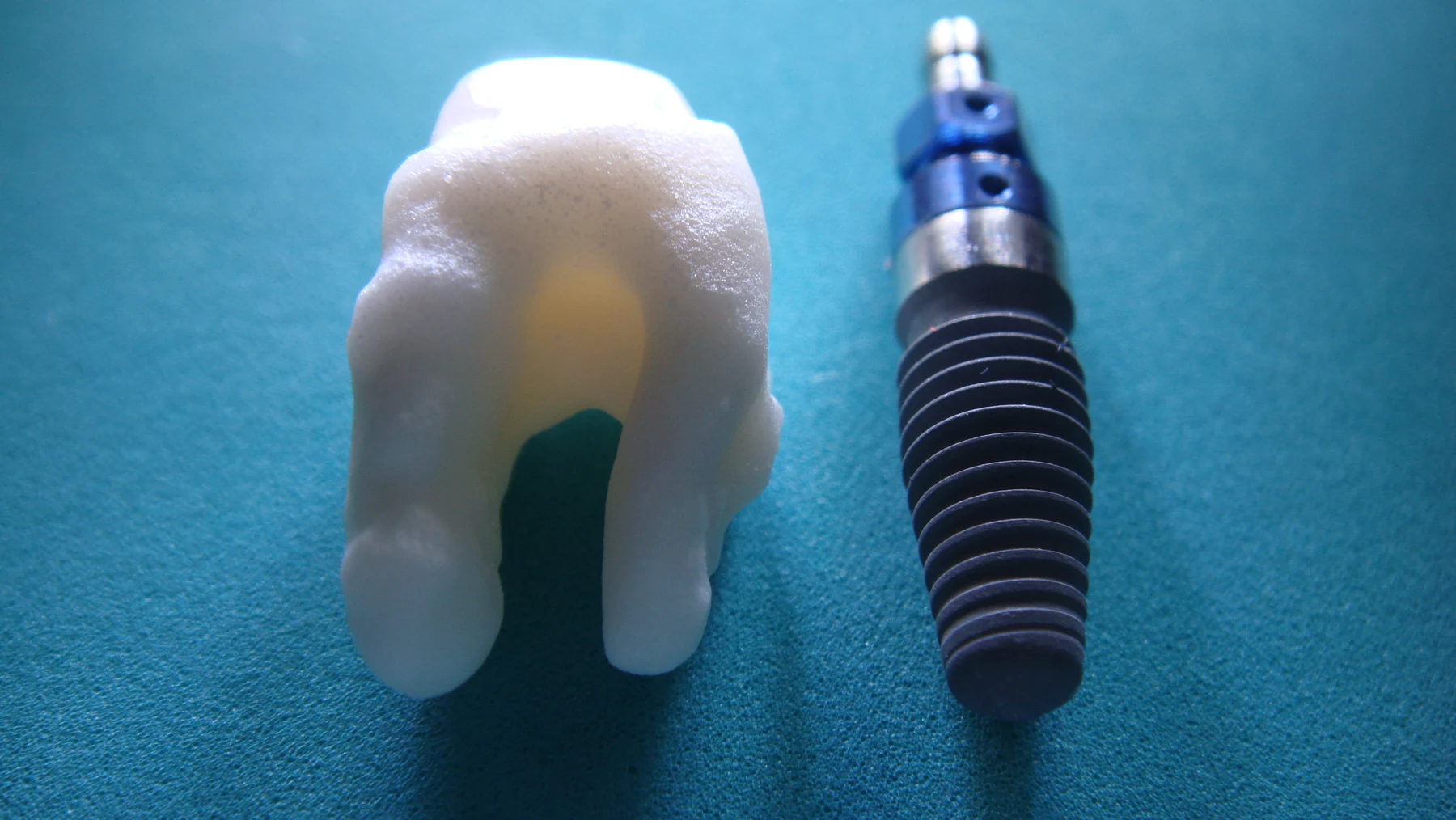
An implant’s material is only part of how it performs. The body responds to foreign objects, and that response can alter device function, tissue integration, comfort, and the risks considered in evaluation.
Radioactive decay is probabilistic: each nucleus has a chance to decay, while a sample’s expected activity falls by halves over time. The pattern approaches zero without specifying a final atom’s schedule.
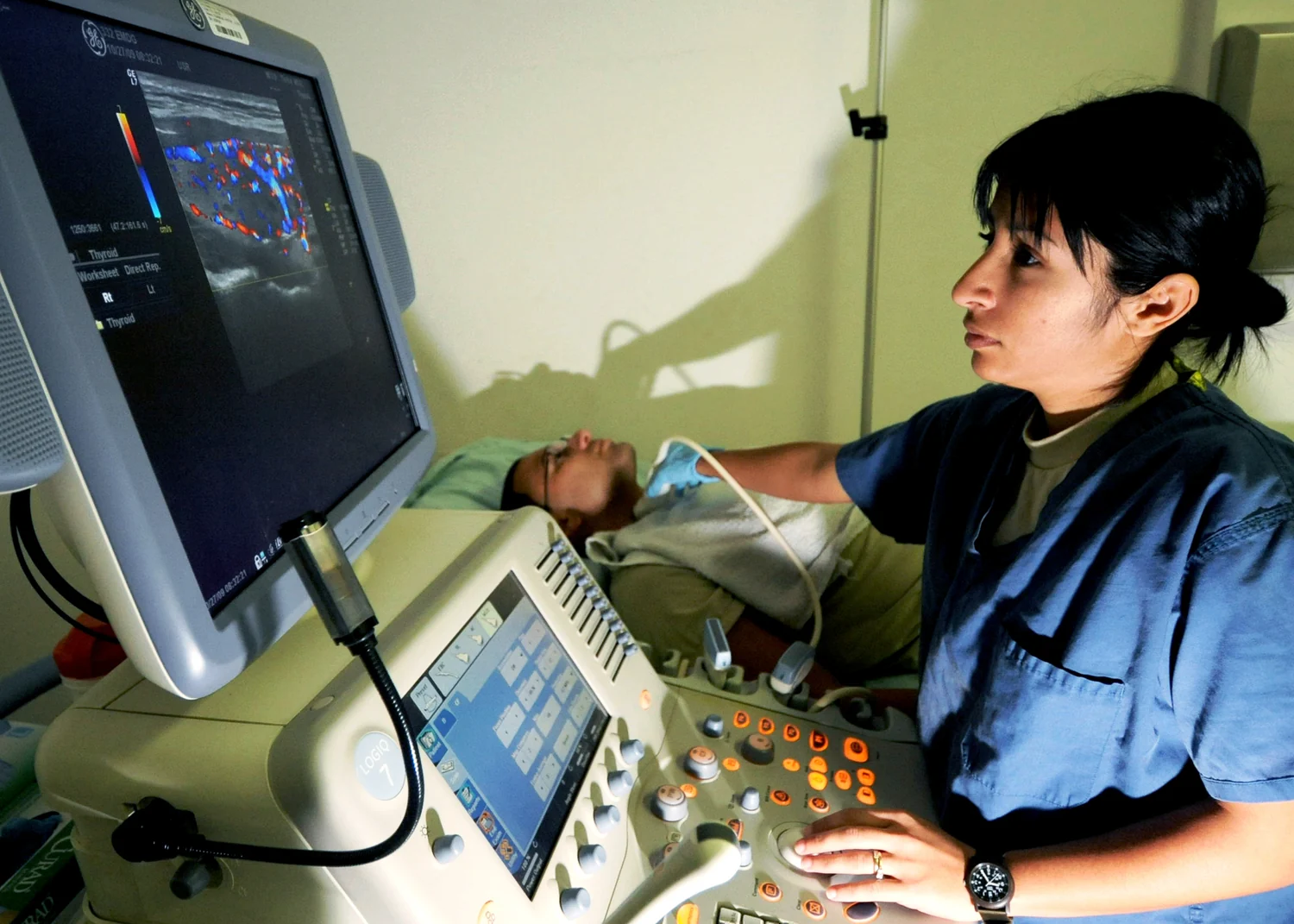
Sound waves can reveal moving structures and, at sufficient intensities, transfer energy to tissue. To assess a treatment claim, distinguish imaging from intervention, then ask what was tested, in whom, and against what comparison.
MRI and CT contrast agents make images clearer through different physical interactions. One changes how nearby hydrogen protons return to alignment; the other changes how strongly a material attenuates X-rays.