If two treatments both influence brain activity, why can’t one simply stand in for the other? The answer begins with how energy reaches the nervous system. An implanted electrode, a current applied at the scalp, and a magnetic coil outside the head create different patterns of stimulation. Their targets, clinical evidence, burdens, and risks also differ. “Brain stimulation” names a broad family of approaches, not a single interchangeable treatment with one mechanism or one level of proof.
Different routes deliver different fields
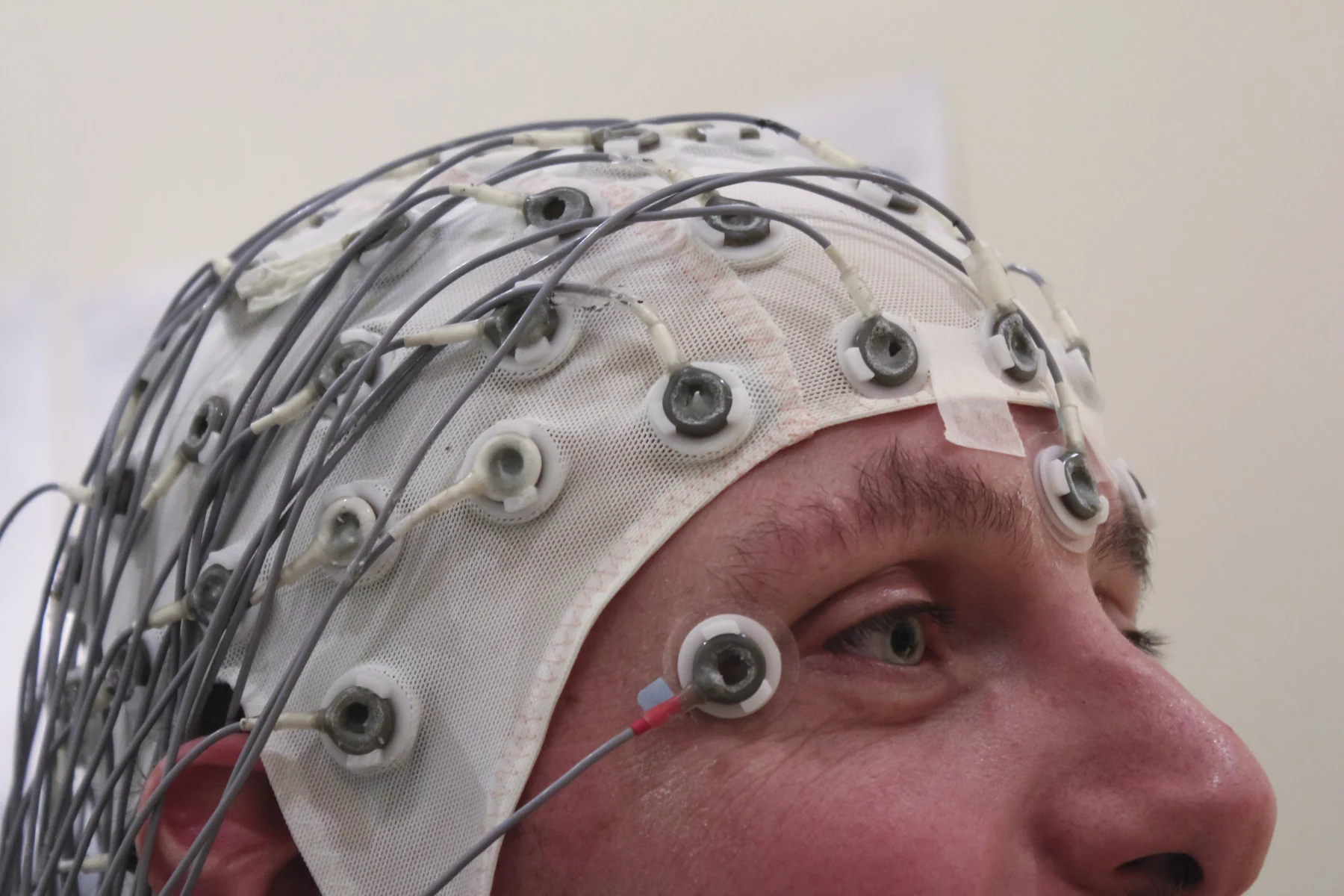
Electricity can reach the brain directly through electrodes implanted in neural tissue or indirectly through electrodes placed on the scalp. Magnetic fields can also induce electrical currents in the brain, as described by the National Institute of Mental Health [1]. The route matters: tissue between a device and a target affects where and how strongly the field acts.
Repetitive transcranial magnetic stimulation, or rTMS, uses a coil near the head. Rapidly changing magnetic pulses induce weak currents in neural tissue, stimulating selected brain regions [1]. Deep brain stimulation, or DBS, uses implanted electrodes and is categorized on the NIMH page among newer therapies still considered experimental for the mental disorders discussed there [1]. Similar language about electrical activity does not erase the difference between an external magnetic coil and implanted electrodes.
Targeting changes the experience
A useful mental experiment is to compare warming one small tile with warming an entire floor. Both transfer energy, but their spatial patterns and effects differ. Brain stimulation has the same basic design question: where does the induced activity occur, and how broadly? NIMH notes that rTMS targets a specific brain site, while ECT stimulation is more generalized [1]. The procedures differ in whether anesthesia is used, how stimulation is delivered, and which clinical purposes they serve.
Placement and pulse pattern matter even within one treatment family. For ECT, the electrode arrangement and pulse width influence the distribution of stimulation and are relevant to cognitive side effects, including memory problems [1]. In rTMS, researchers continue to study optimal brain sites and pulse delivery parameters [1]. Thus a device’s energy source alone cannot predict its clinical effect; geometry and timing help define the intervention.
Evidence is tied to a specific use
A therapy’s evidence applies to the method and condition actually studied. NIMH distinguishes therapies authorized by the FDA for specific mental disorders from methods it describes as experimental, including DBS [1]. Authorization is not a blanket statement that every form of stimulation treats every condition. It refers to particular devices and uses, and the page cautions that research continues on where these therapies work best.
Clinical trials also differ in purpose. The National Cancer Institute explains that trials may test treatments, prevention strategies, screening, or supportive care, each designed to answer a different research question [2]. That framework helps clarify why an early study, a trial of a new protocol, and established use are not equivalent kinds of evidence. A study can contribute important knowledge without establishing a treatment as routine care.
The label does not replace clinical context
Brain stimulation is used in carefully defined clinical settings, often after other treatments have been considered, and NIMH says these therapies should be prescribed and monitored by trained health professionals [1]. The page also describes treatment plans as based on an individual’s medical situation and potentially combined with medication or psychotherapy. These are features of clinical care, not properties that can be inferred from a device’s name.
The broader lesson is to compare stimulation methods along several axes: how energy is delivered, which tissue is targeted, whether the procedure is invasive, and what evidence supports a particular use. Clinical trial phases provide one way to organize questions about safety and effectiveness, but their answers remain specific to a study’s design and participants [2]. Calling two approaches “brain stimulation” is a starting point for comparison, not a reason to treat them as substitutes.
Sources & further reading
- Brain Stimulation Therapies NIMH
- Clinical Trials: What Are the Phases? National Cancer Institute
Prepared for the independent PSI Center reading library. About edition dates and source checking.
This explainer describes scientific principles. It does not assess individual treatment choices.