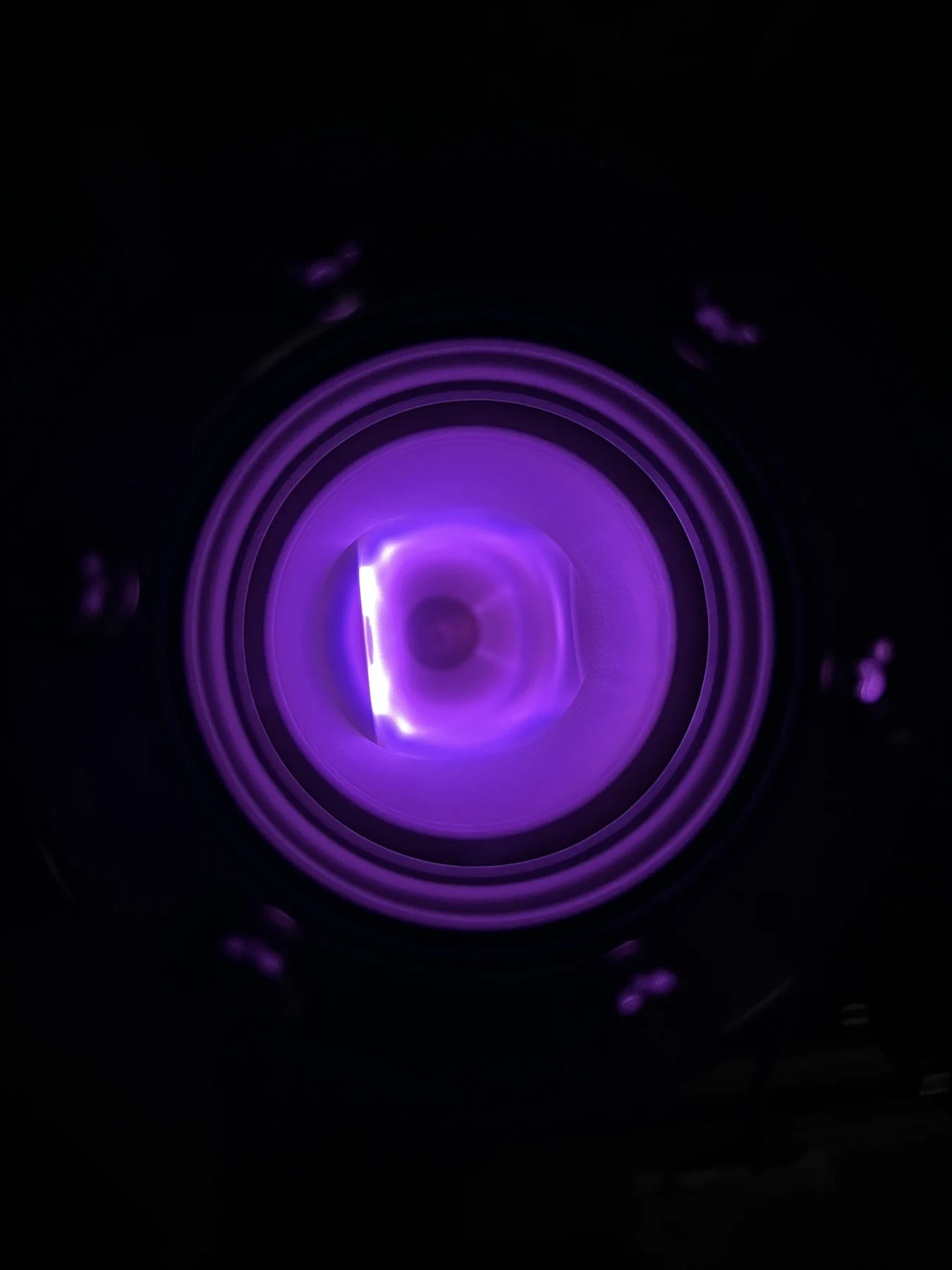
Plasma processes can operate in open air near tissue or inside an evacuated sterilization chamber. Pressure, gas chemistry, energy delivery, and intended target distinguish these technologies and their evidence.
An implant and the tissue around it move, deform, and respond to one another. That physical relationship can affect sensor readings and device longevity, making material choice and biological response part of the measurement problem.
Medical scanners collect indirect measurements, then mathematics turns those signals into a view of the body. Reconstruction combines physical assumptions, computation, and choices about what the resulting image can reliably show.
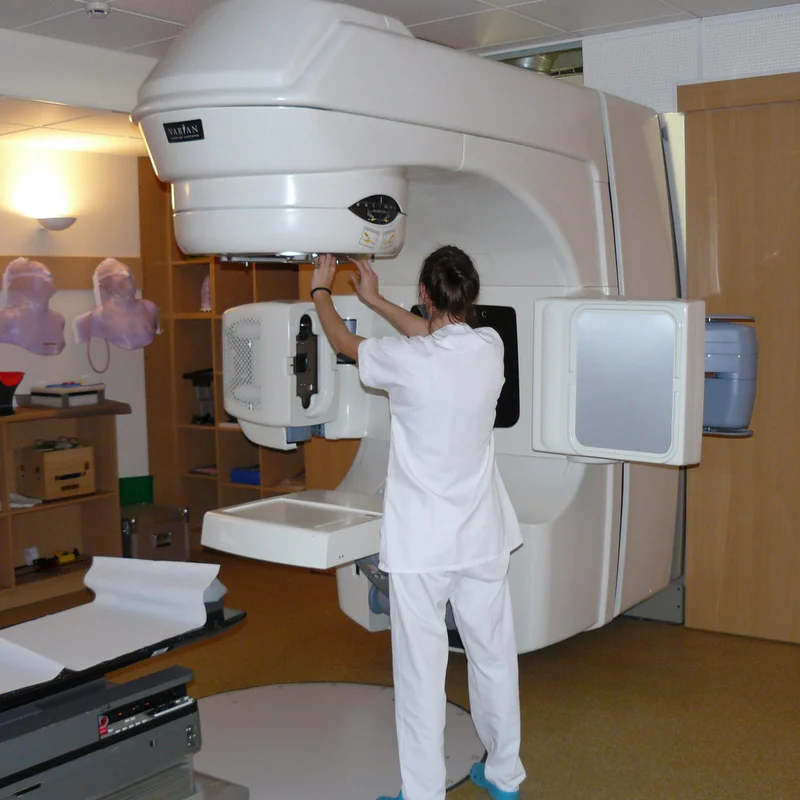
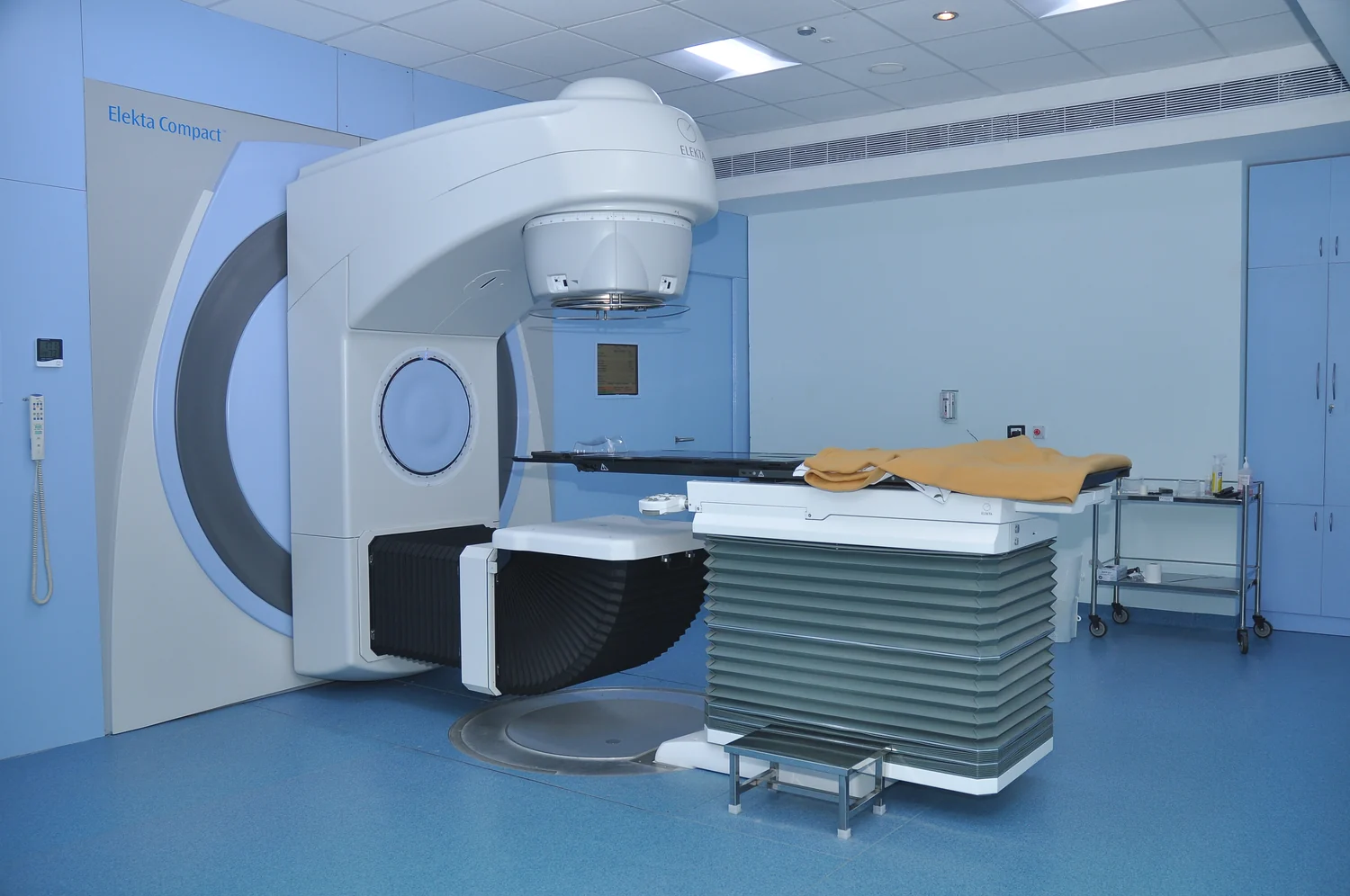
Radiation can shrink a tumor that presses on nearby structures, easing symptoms such as pain or breathing trouble. Its local physical effects and delayed biology explain both its use and its limits.
Deep brain stimulation delivers electrical pulses through implanted electrodes to influence selected brain circuits. Its use depends on the condition, device, and clinical evidence; the mechanism alone does not establish benefit for every disorder.
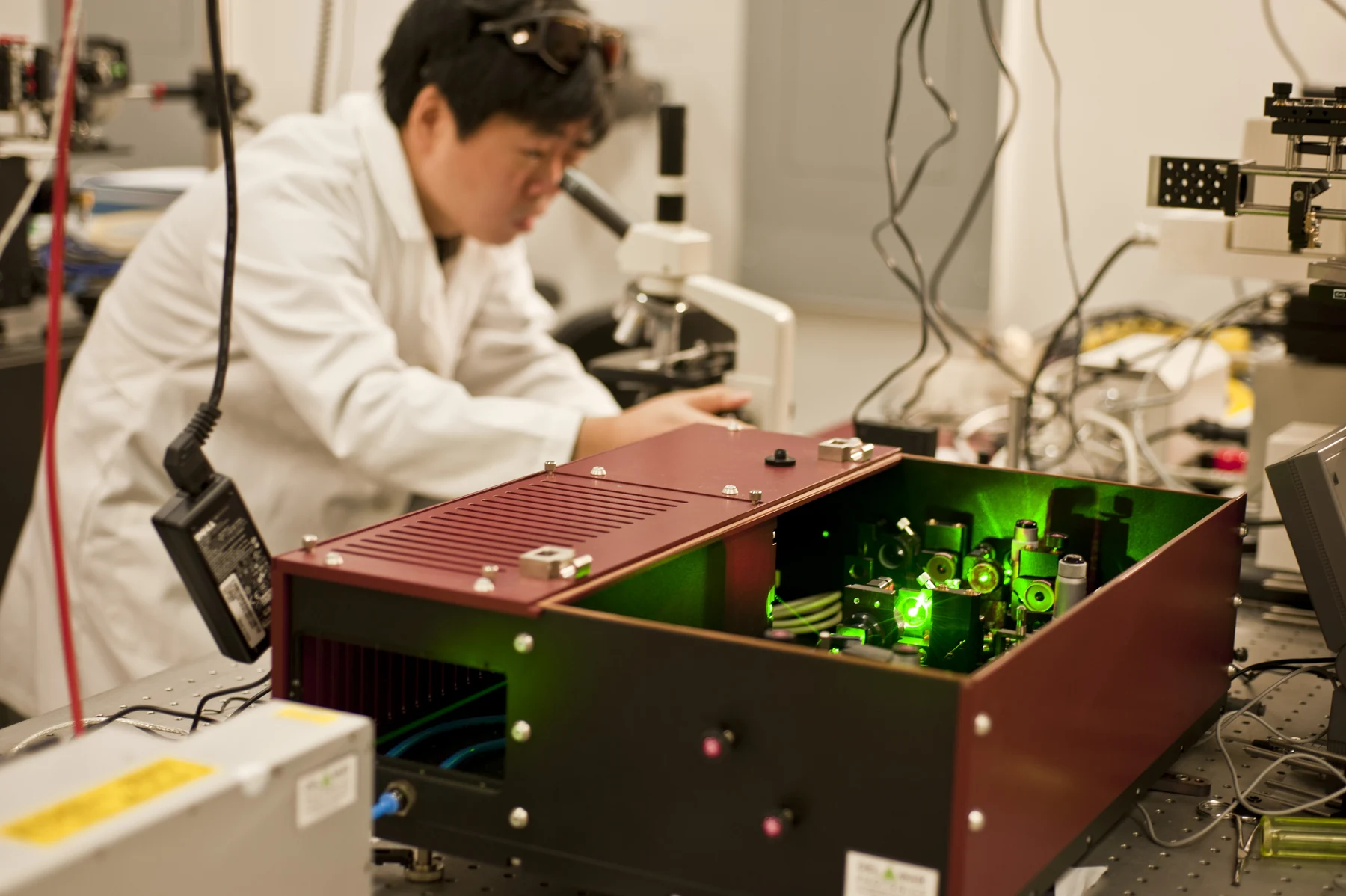
Light can lose energy to tissue or change direction while remaining light. Those different interactions shape what optical instruments can measure, from absorption-sensitive blood signals to depth limits imposed by scattering.
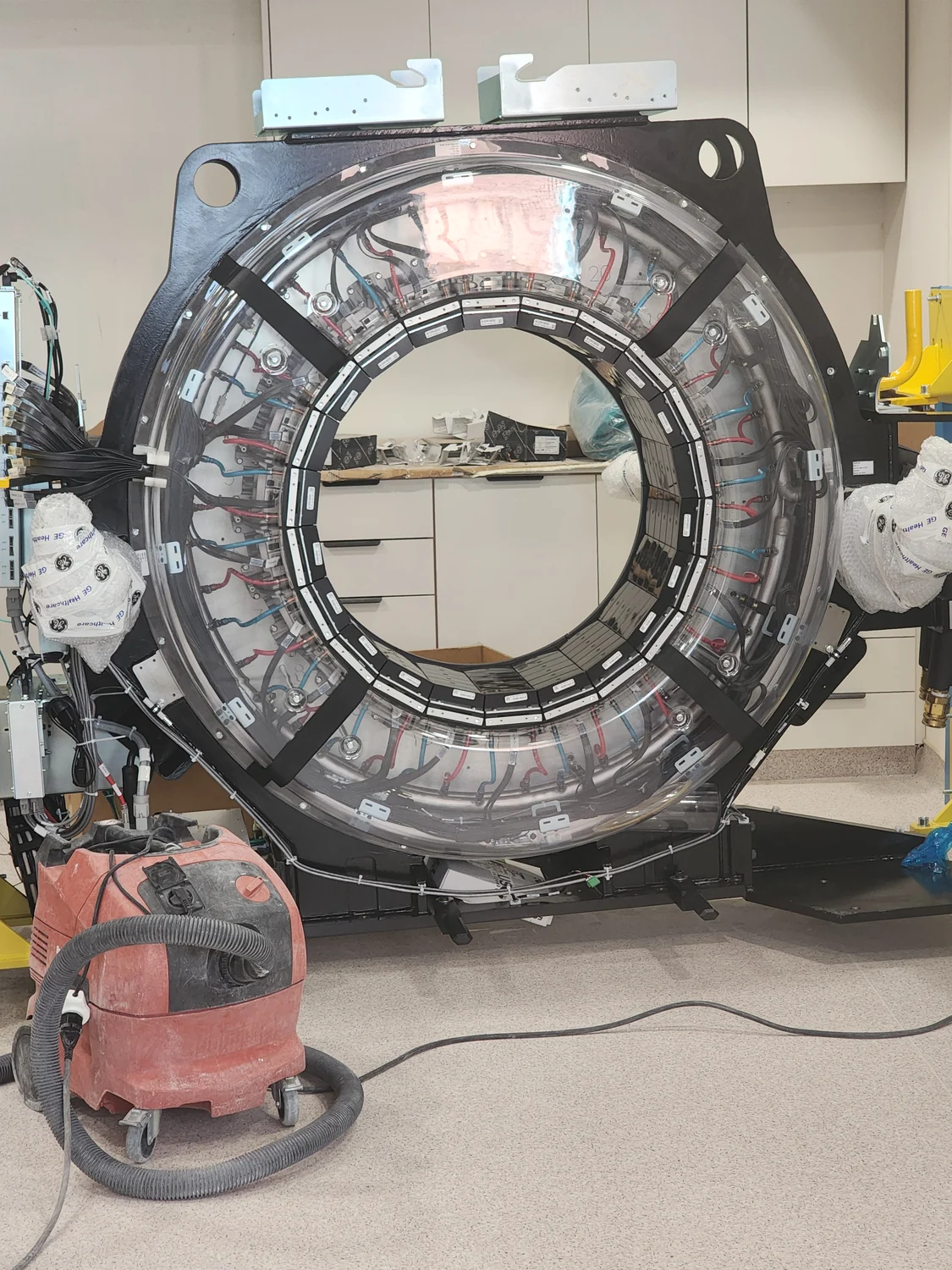
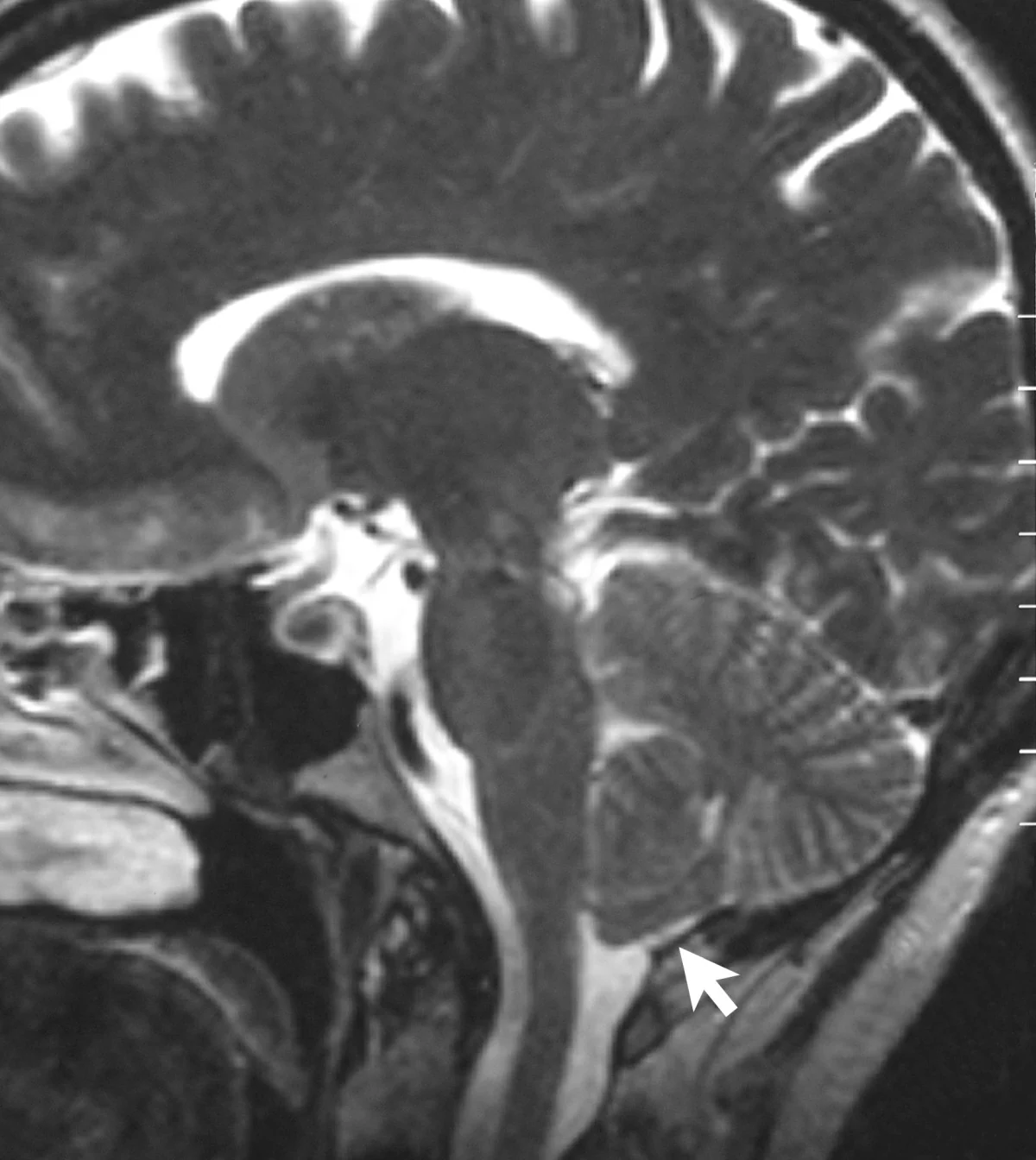
MRI builds images from signals produced as hydrogen protons respond to magnetic fields and radio pulses. Even small movements can misalign the measurements that a computer combines into a picture.
A biodegradable implant does not simply disappear. Its breakdown changes the material and exposes surrounding tissue to new substances, so safety evaluation must consider the device, its use, and what it releases over time.
A pacemaker must track the heart’s electrical timing and, when needed, add pulses that help guide its rhythm. The paired roles show how measurement and intervention can share one device.
A radioactive tracer is useful because its decay can reveal where a molecule travels or deliver energy near a target. Its changing activity shapes when imaging is possible and how therapy is planned.
A computer model can explore how sound travels through tissue before a device is tested, but its predictions depend on the assumptions and measurements built into it.
Radiation damages cellular DNA, but its effects unfold over time. Dividing a planned course into separate treatments can give healthy tissue opportunities to recover while clinicians deliver a carefully shaped dose to a target.
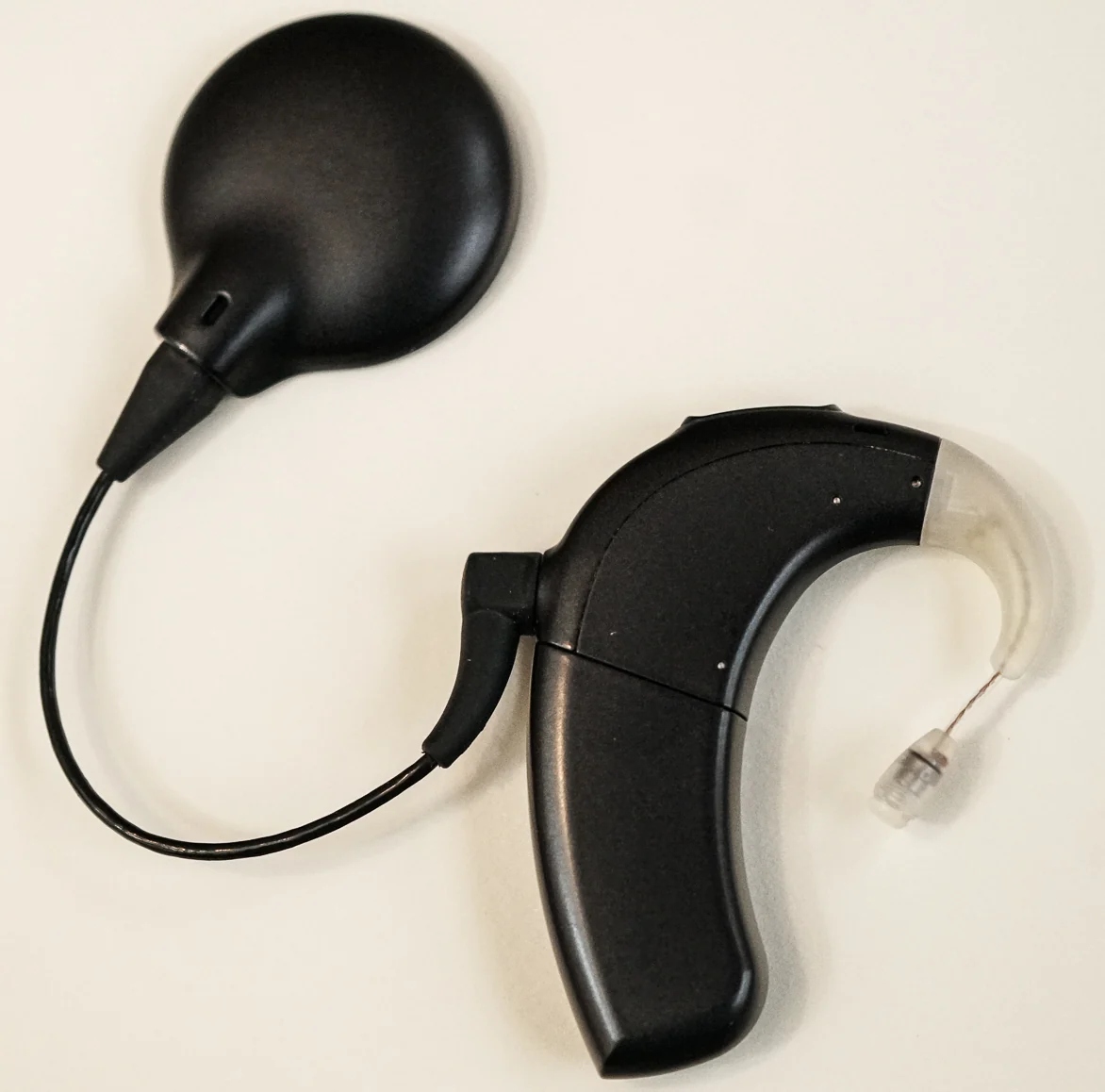
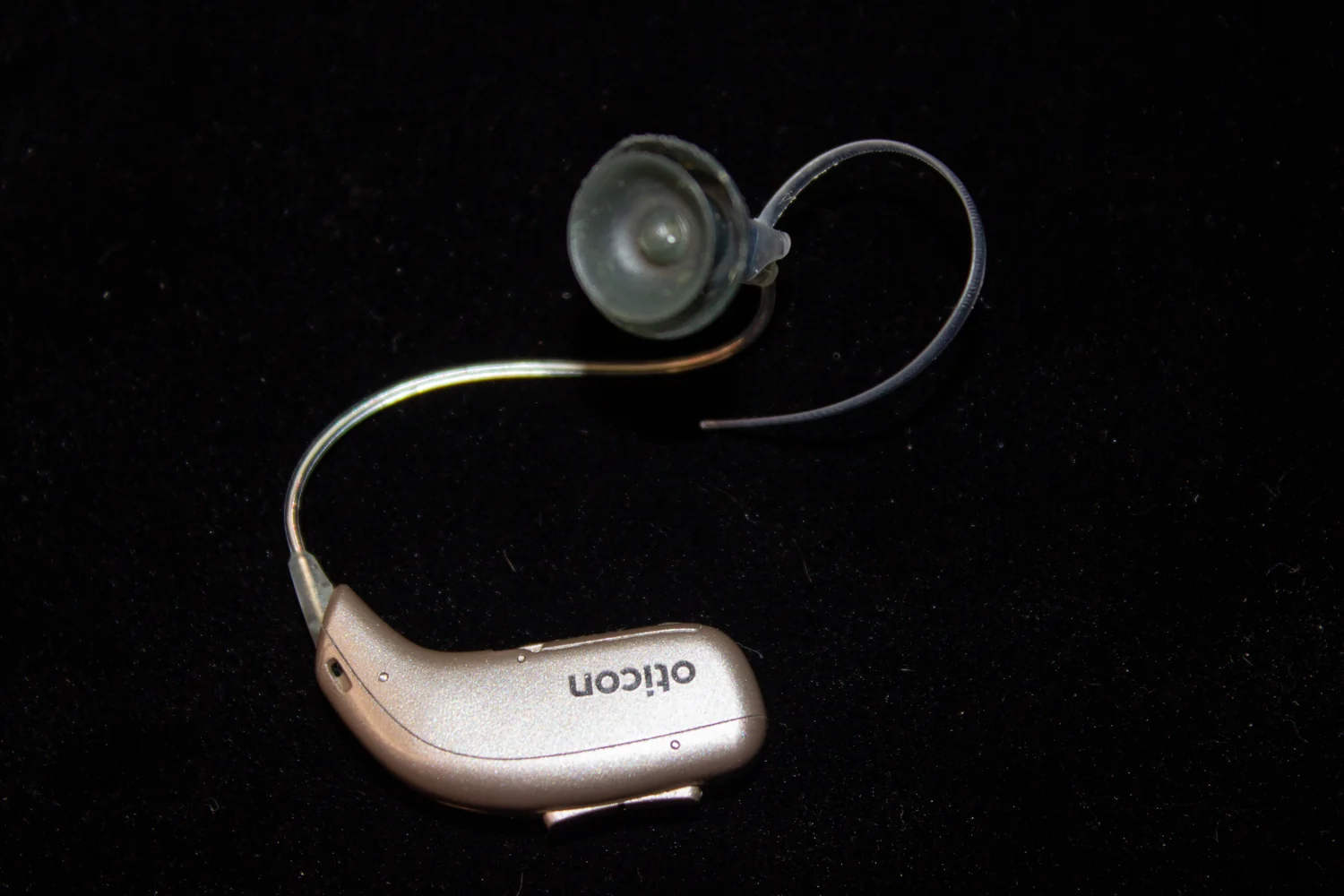
Hearing turns air pressure changes into fluid motion, then into electrical signals interpreted by the brain. Cochlear implants take a different route, bypassing damaged ear structures to stimulate the auditory nerve.
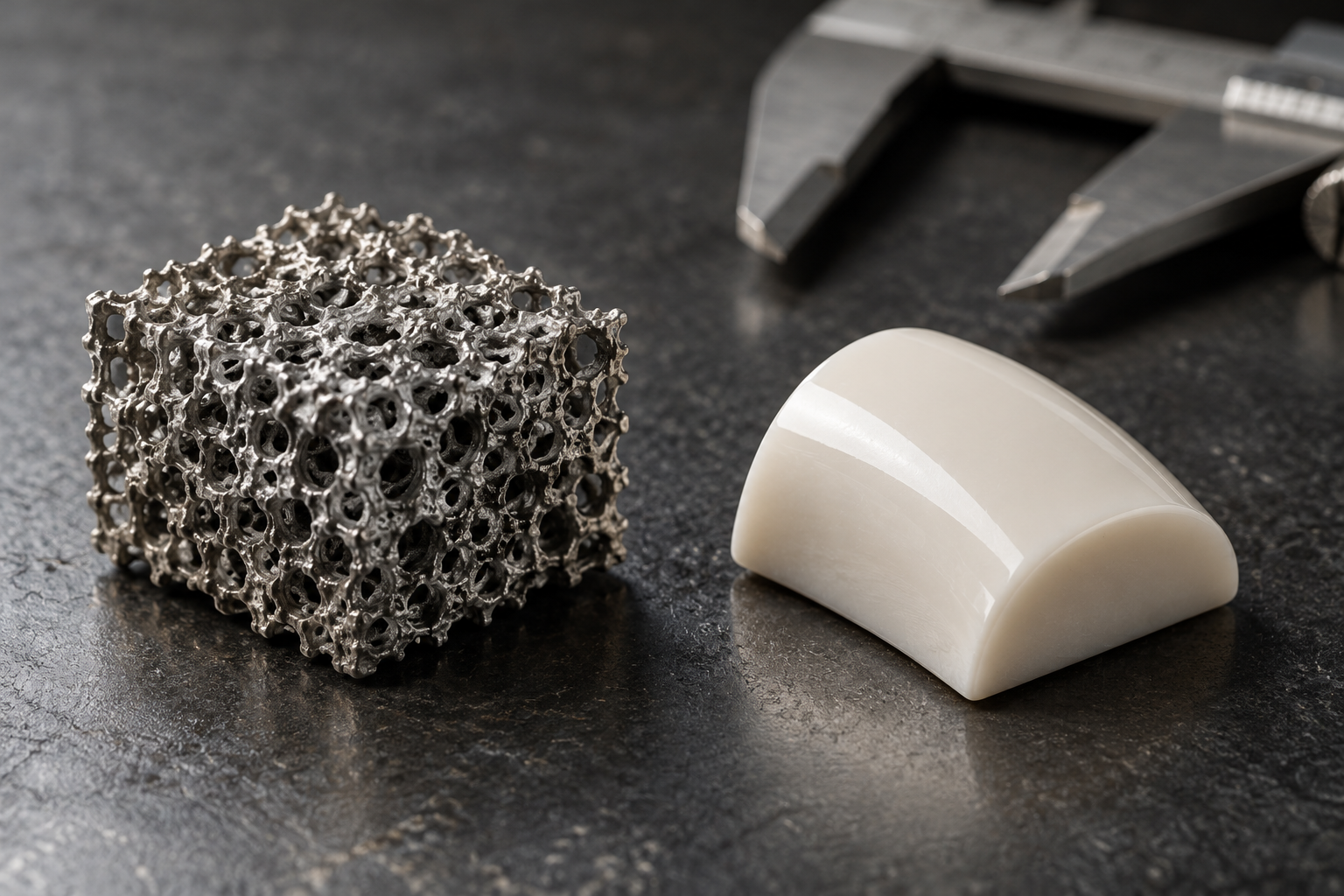
An implant’s internal architecture can shape how cells and tissue interact with it. Porosity offers potential routes to integration, while material choice, pore geometry, and manufacturing quality all constrain what the design can achieve.
A pattern in measurements can point toward an explanation, but it does not show how one thing causes another. Models and experiments help turn an observed association into testable physical steps.
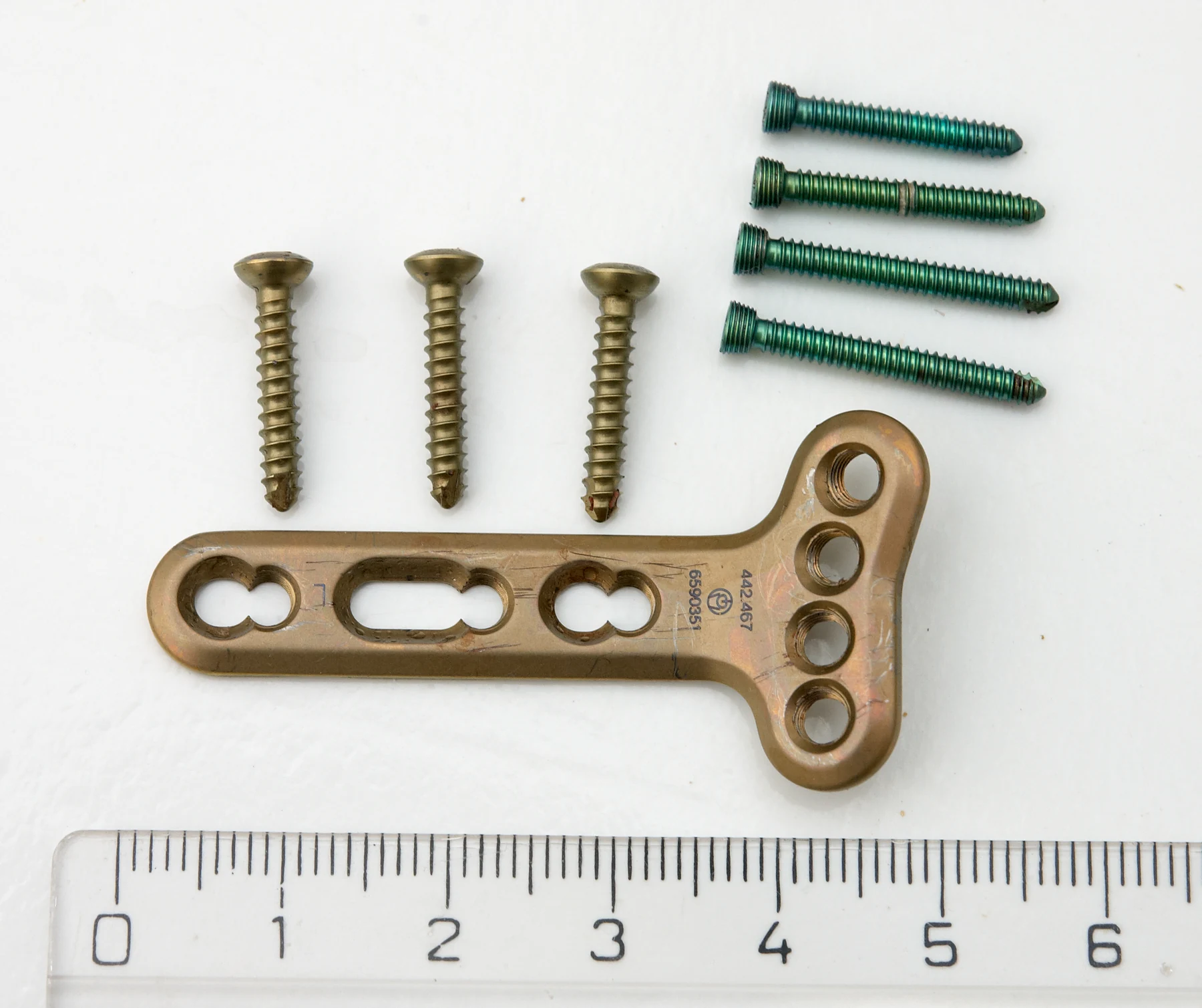
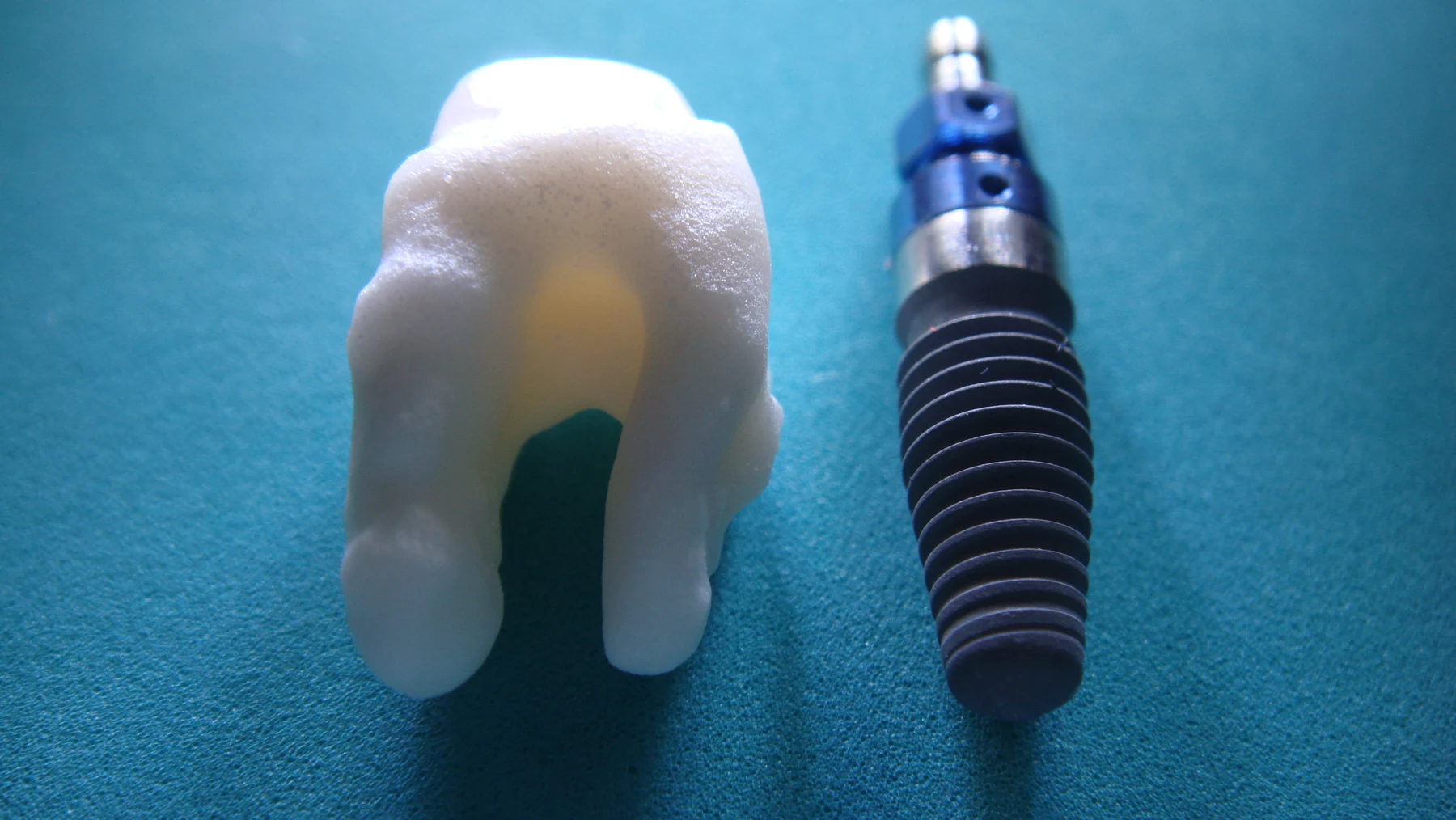
An implant’s exterior is the first part the body encounters. Its chemistry, texture, wear, and coatings can influence immune response and tissue integration, even when the device’s core material is strong and durable.
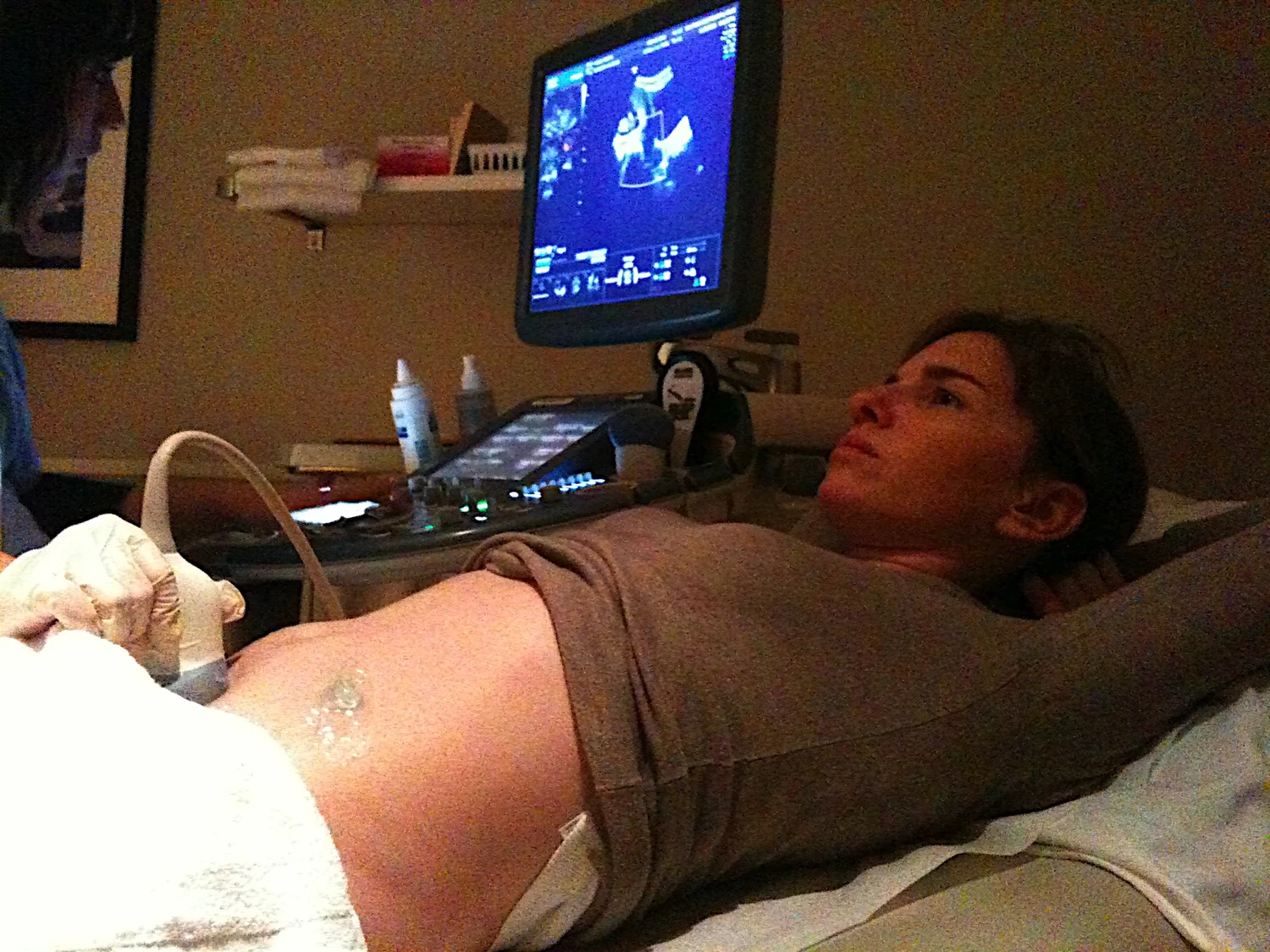
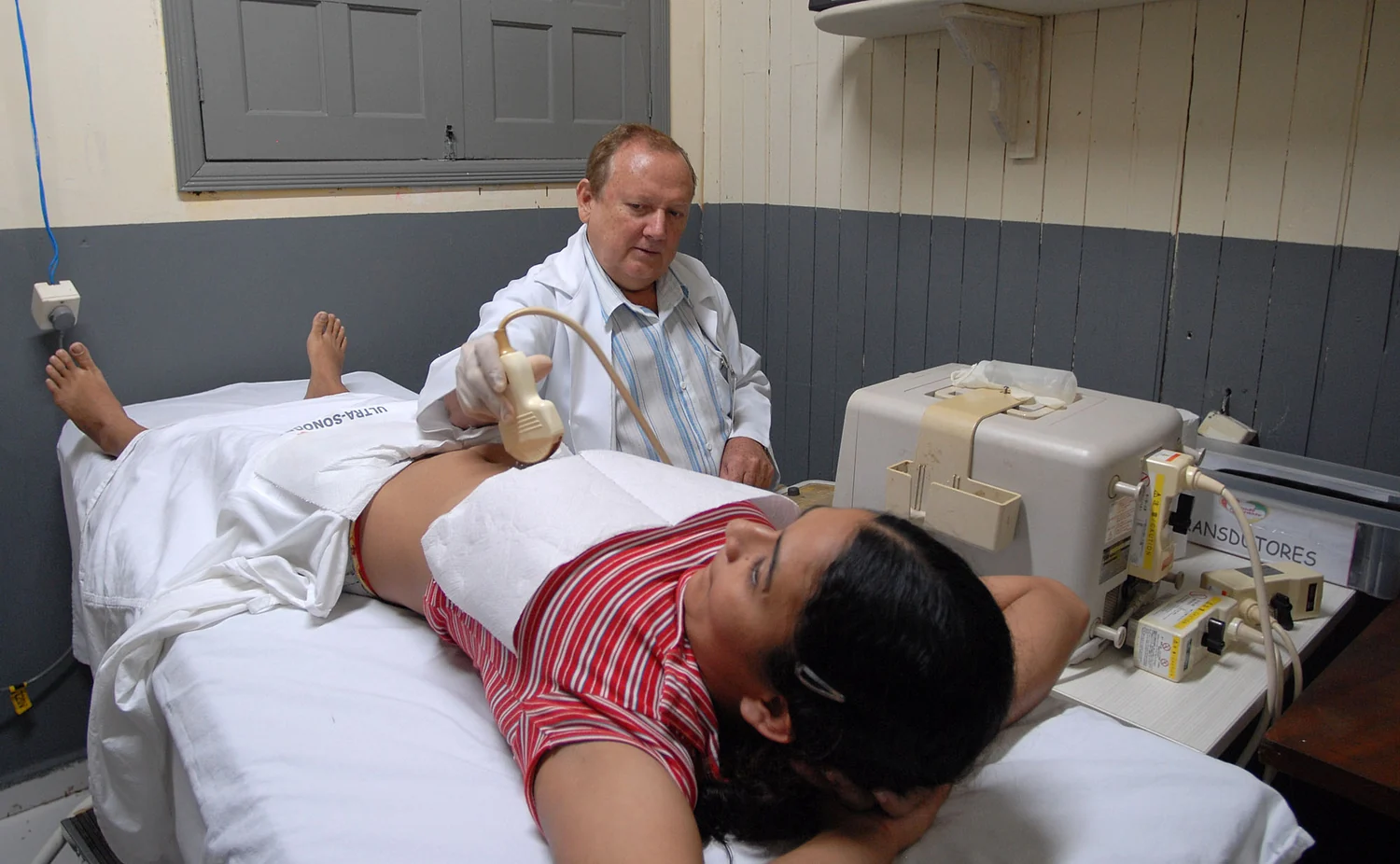
Ultrasound avoids ionizing x-rays, yet it still sends energy into tissue. Prudent use means obtaining useful information while limiting unnecessary exposure, with special care around prolonged scans and untrained operation.
Medical devices often rely on contact between two substances: blood and dialysis fluid, tissue and an implant, or light and a lens. Surface area shapes how much interaction is possible, while flow and material properties determine what that area accomplishes.