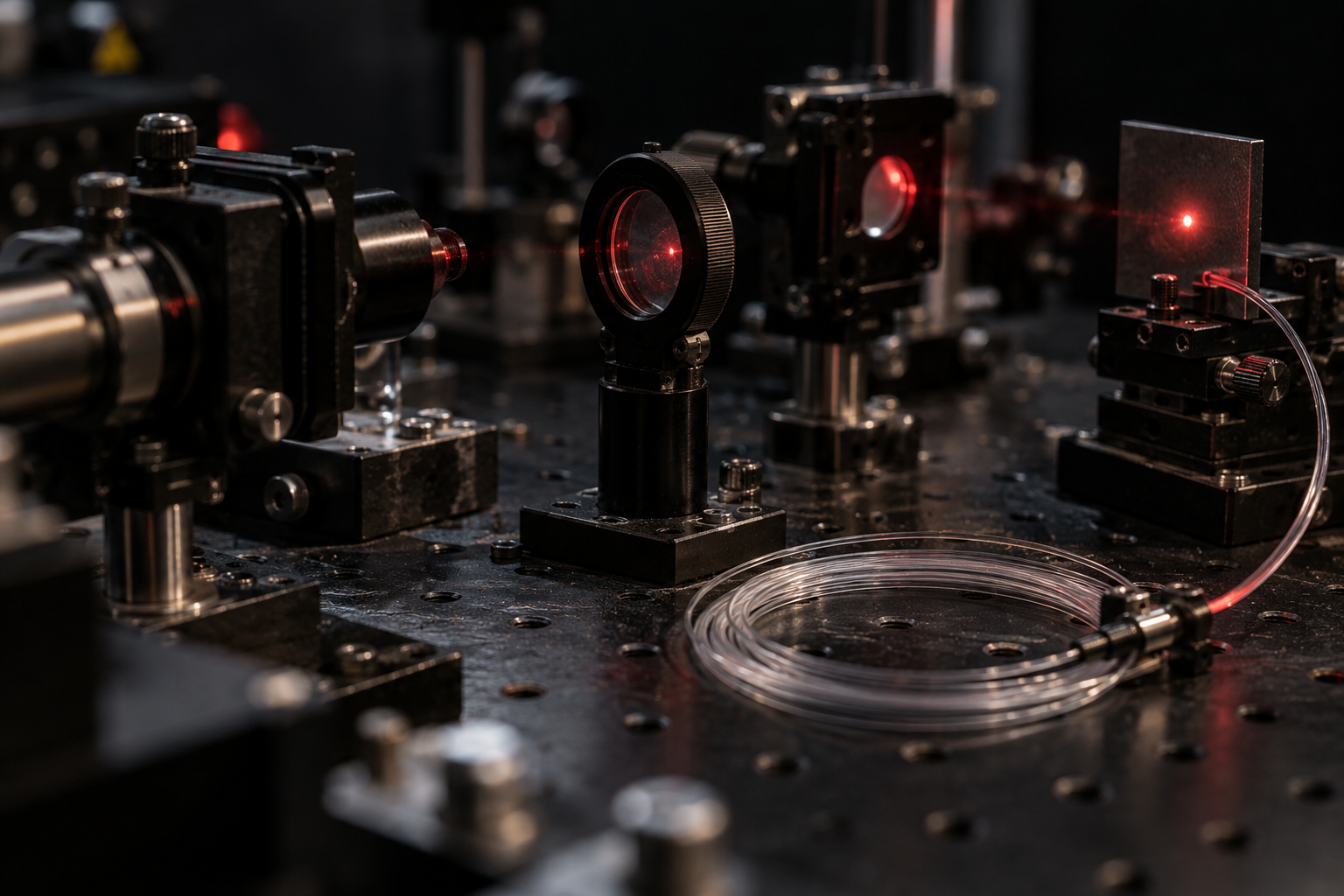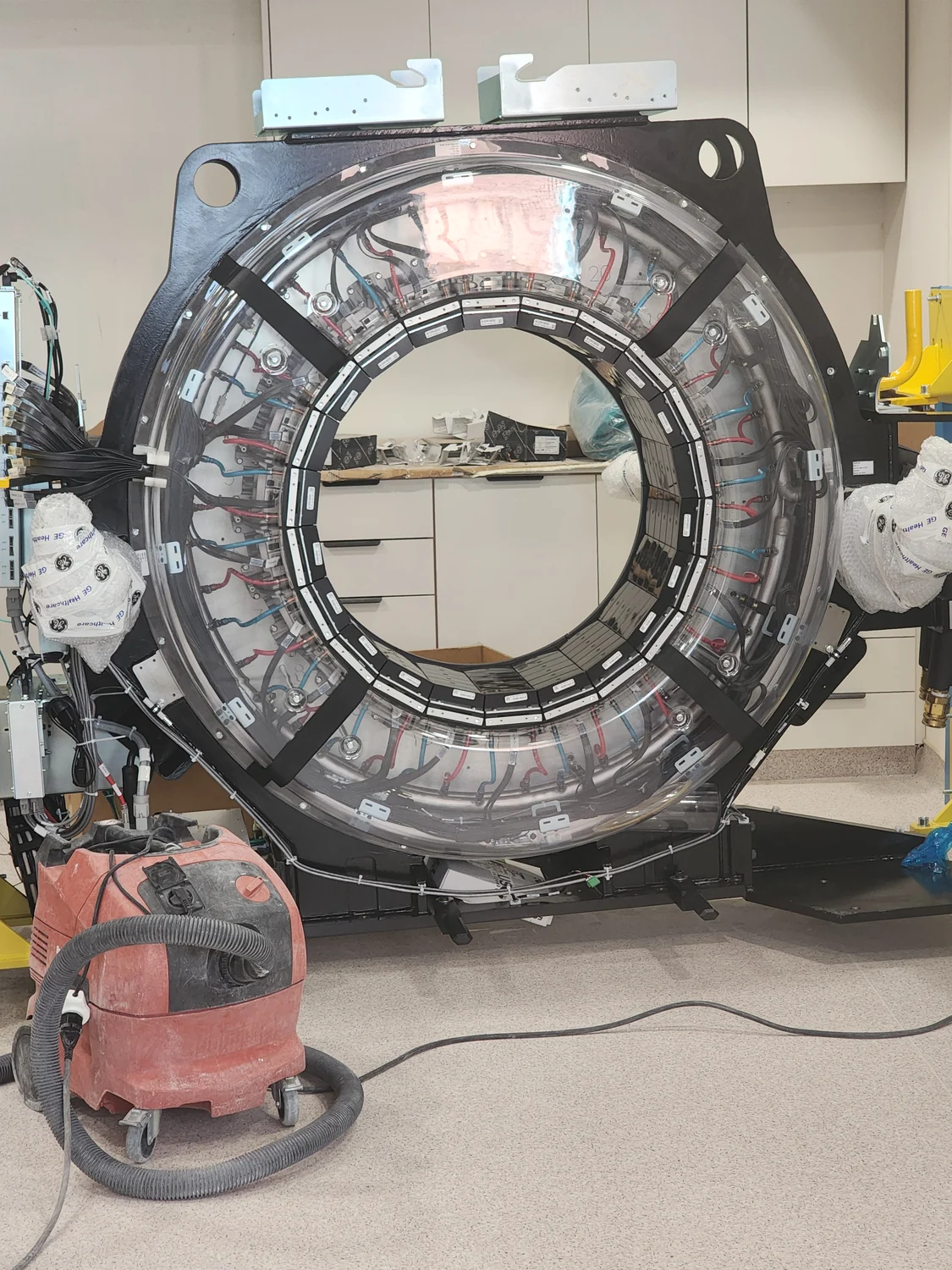
What Combines Optical Imaging with MRI?
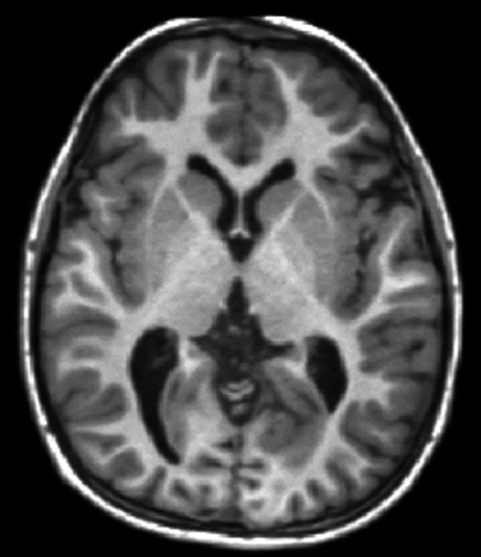
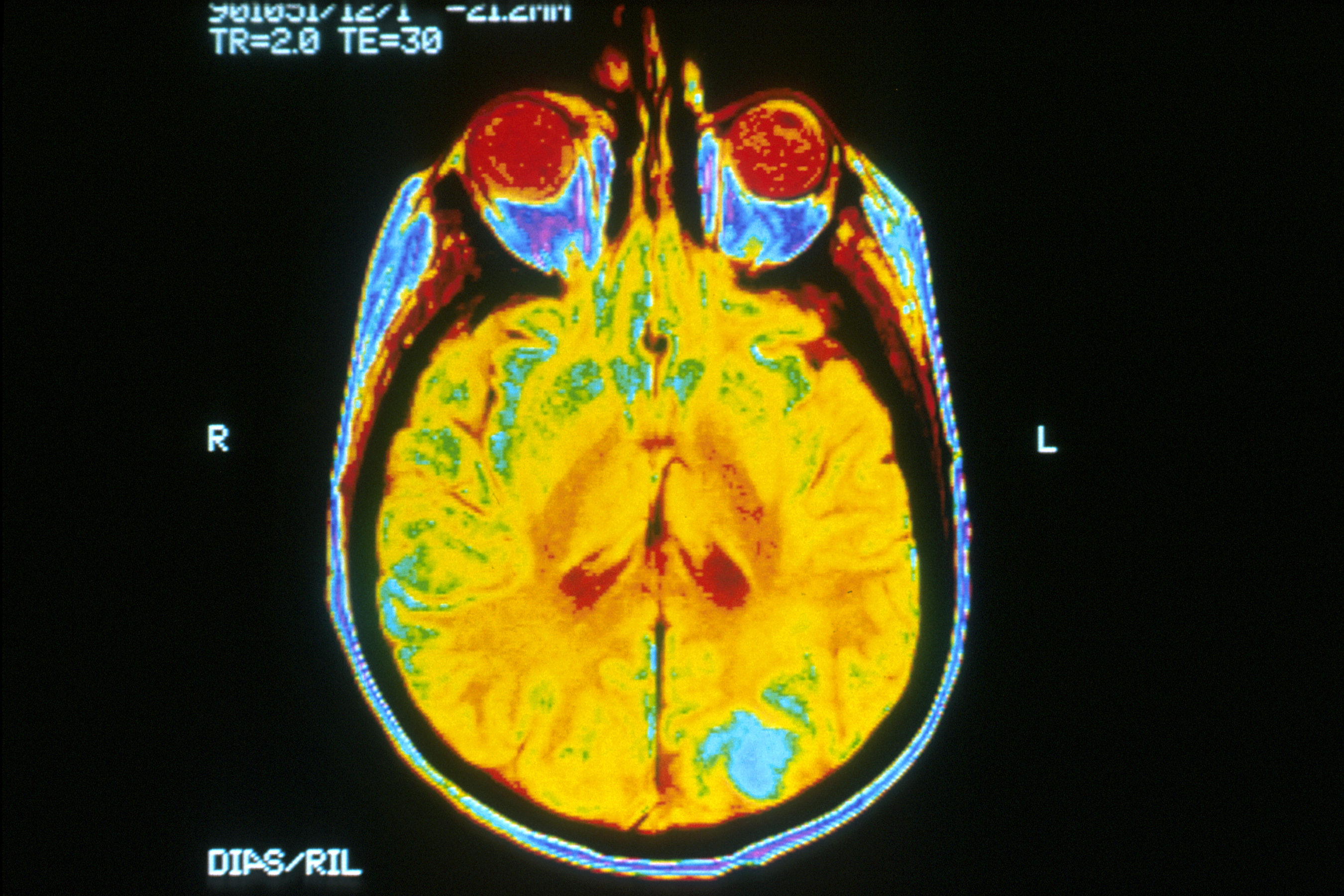
Optical imaging and MRI reveal tissue through different physical signals. Combining them can add complementary detail, though the methods have different strengths, scales, and practical limits.
A closer look at the science
behind better healthcare.
Follow a question from first principles to the clinic. Browse the science of imaging, treatment, materials, and measurement.
325 articles
Deep dives first, then reading editionsOptical imaging and MRI reveal tissue through different physical signals. Combining them can add complementary detail, though the methods have different strengths, scales, and practical limits.
A measurement needs more than a numeral: its unit defines the scale, while traceability connects results through documented calibrations. Both are essential for comparing medical measurements responsibly.
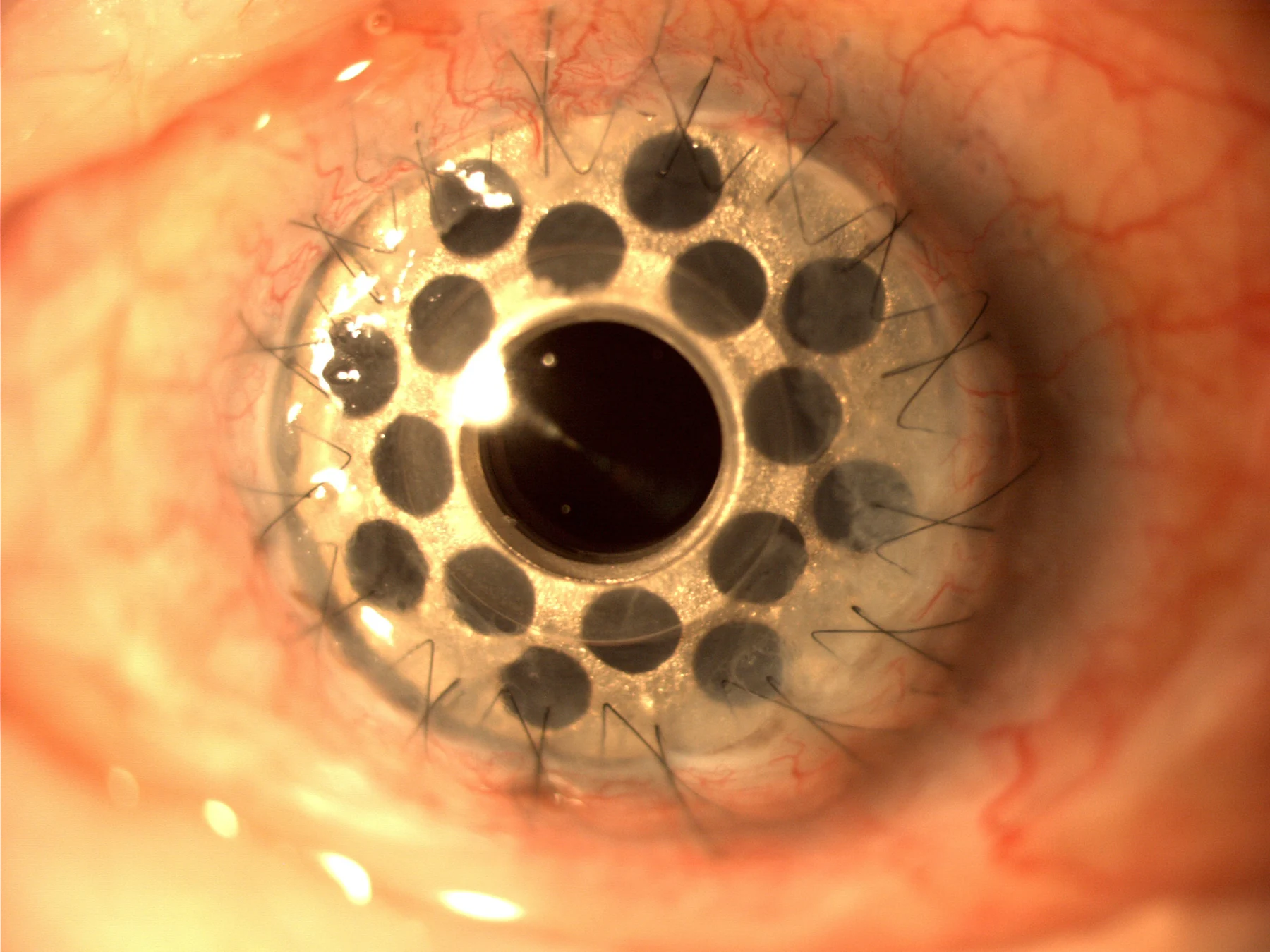
An implant’s dimensions and geometry affect how forces move through it and nearby tissue. Stress, strain, material choice, and modeling help engineers reason about performance, while biological response adds another layer.
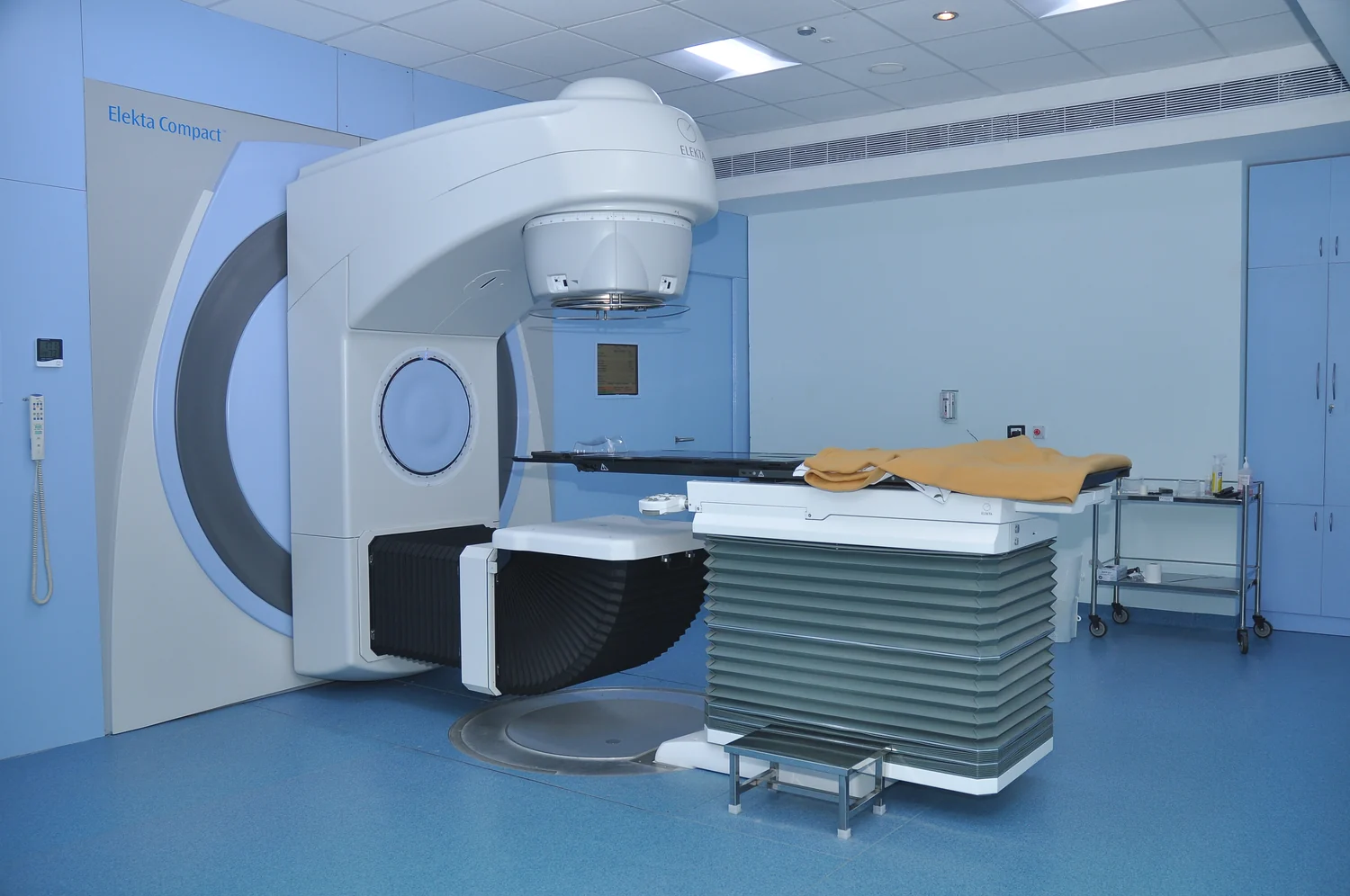
External beam treatment uses imaging, positioning, and planned beam directions to concentrate a prescribed radiation dose in a target. Photons and protons travel differently, while normal tissue exposure remains part of planning.
Ultrasonic cleaners use pressure waves to make tiny bubbles grow and collapse near instrument surfaces. Their motion helps loosen debris, while cleaning still depends on contact, fluid flow, and later disinfection or sterilization.
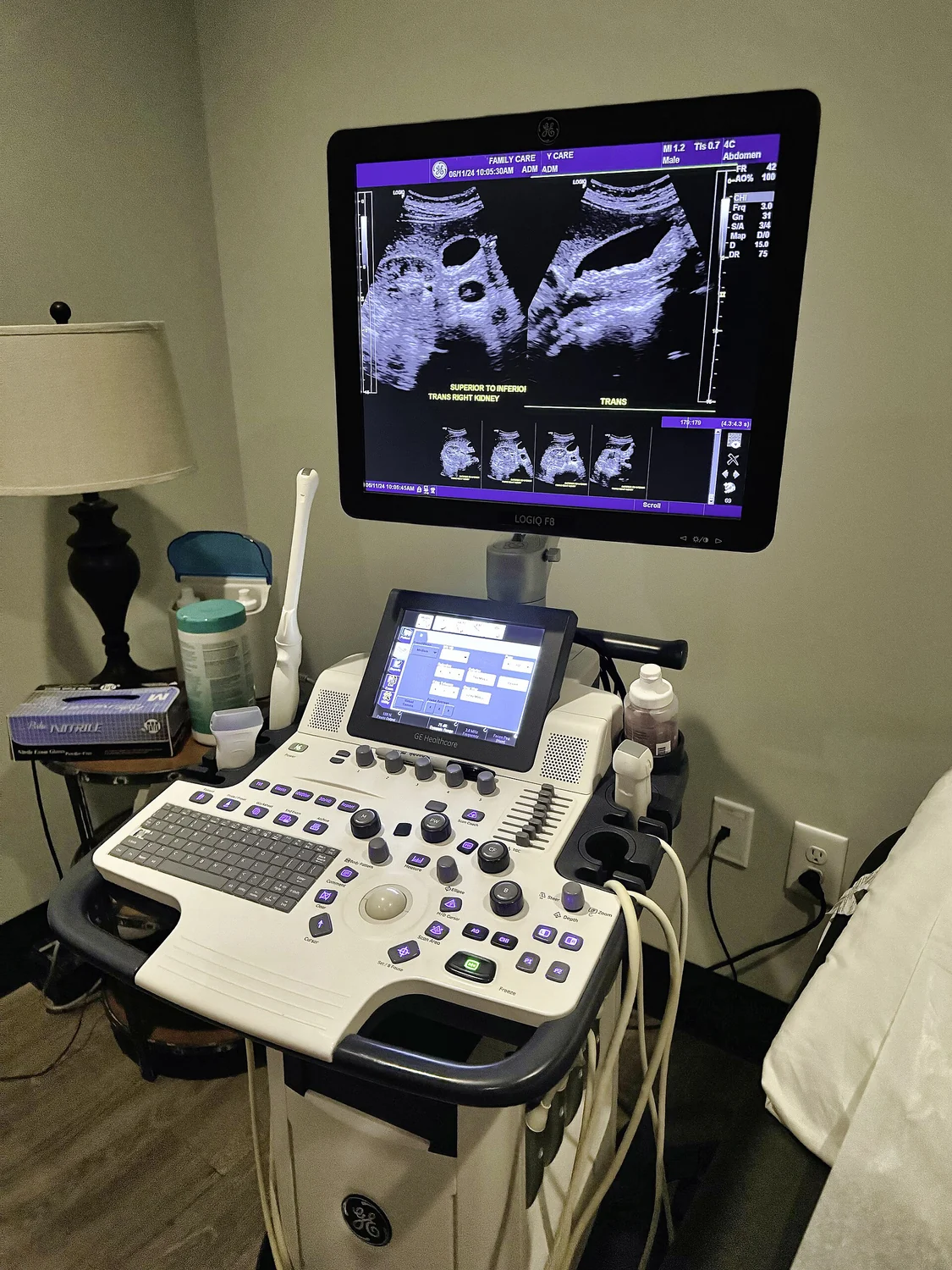
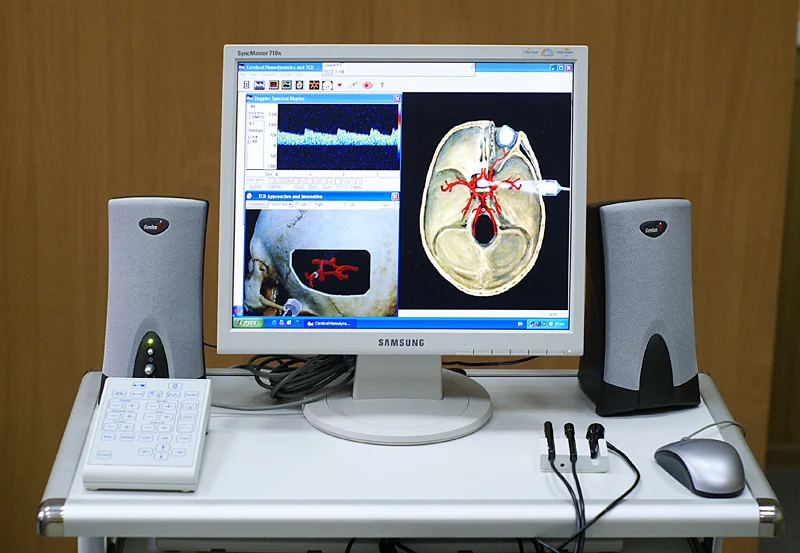
Doppler ultrasound estimates blood motion from changes in returning sound waves. Because the probe measures only motion projected along its beam, the angle between beam and flow shapes the reading and its interpretation.
Photodynamic therapy depends on a photosensitizing drug, a carefully chosen light exposure, and oxygen-driven chemistry. Its local action can spare surrounding tissue in some settings, while limited light penetration constrains which tumors it can reach.
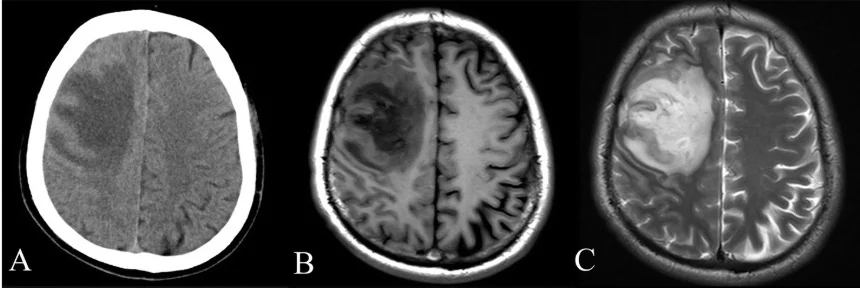
CT and MRI create images through different physical interactions. The right comparison begins with the body structure of interest, the information needed, and the tradeoffs of each method.
Cold atmospheric plasma can reduce bacteria under some study conditions, but healing depends on many interacting processes. Trial findings and guidelines show why a promising mechanism is not proof of routine clinical benefit.
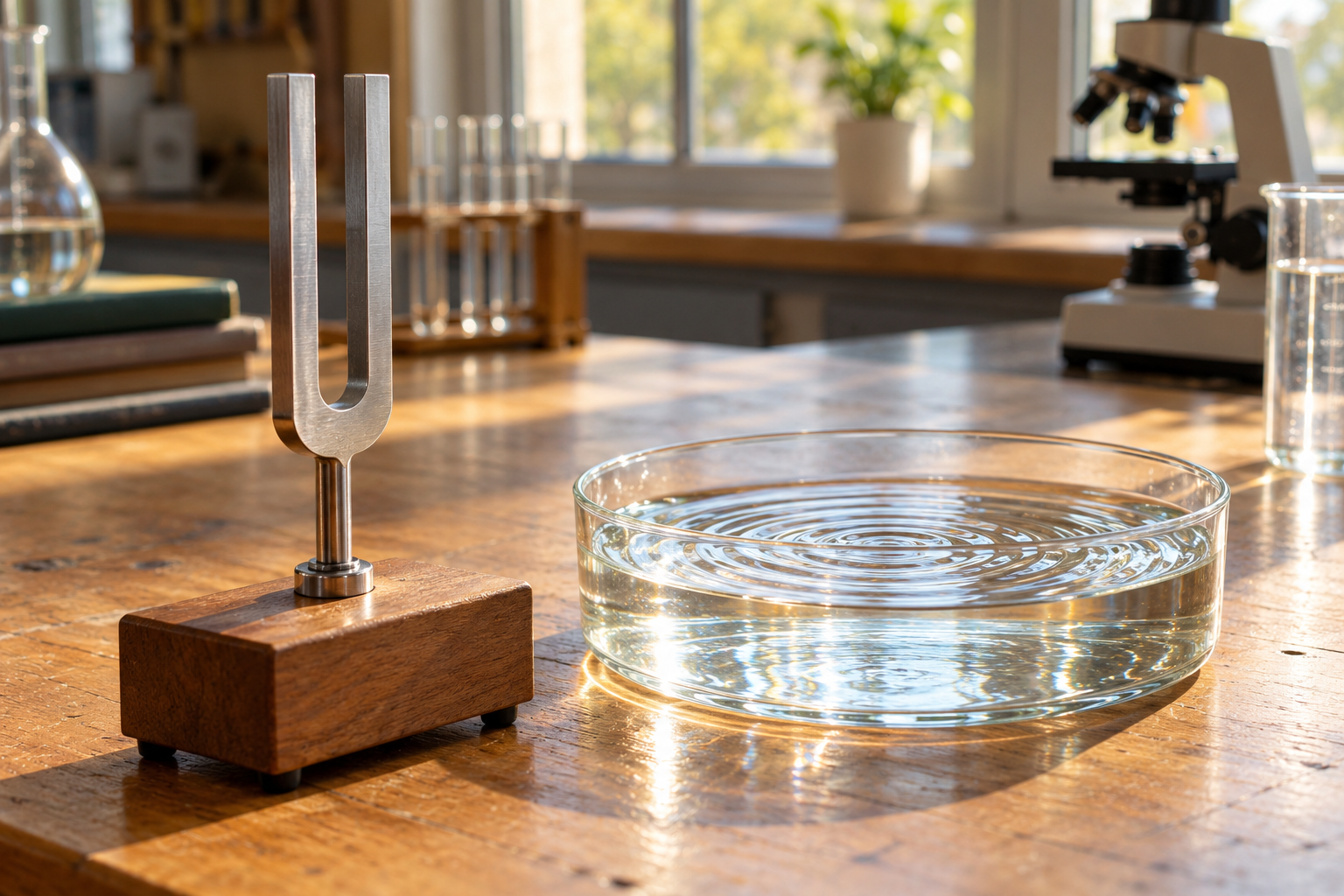
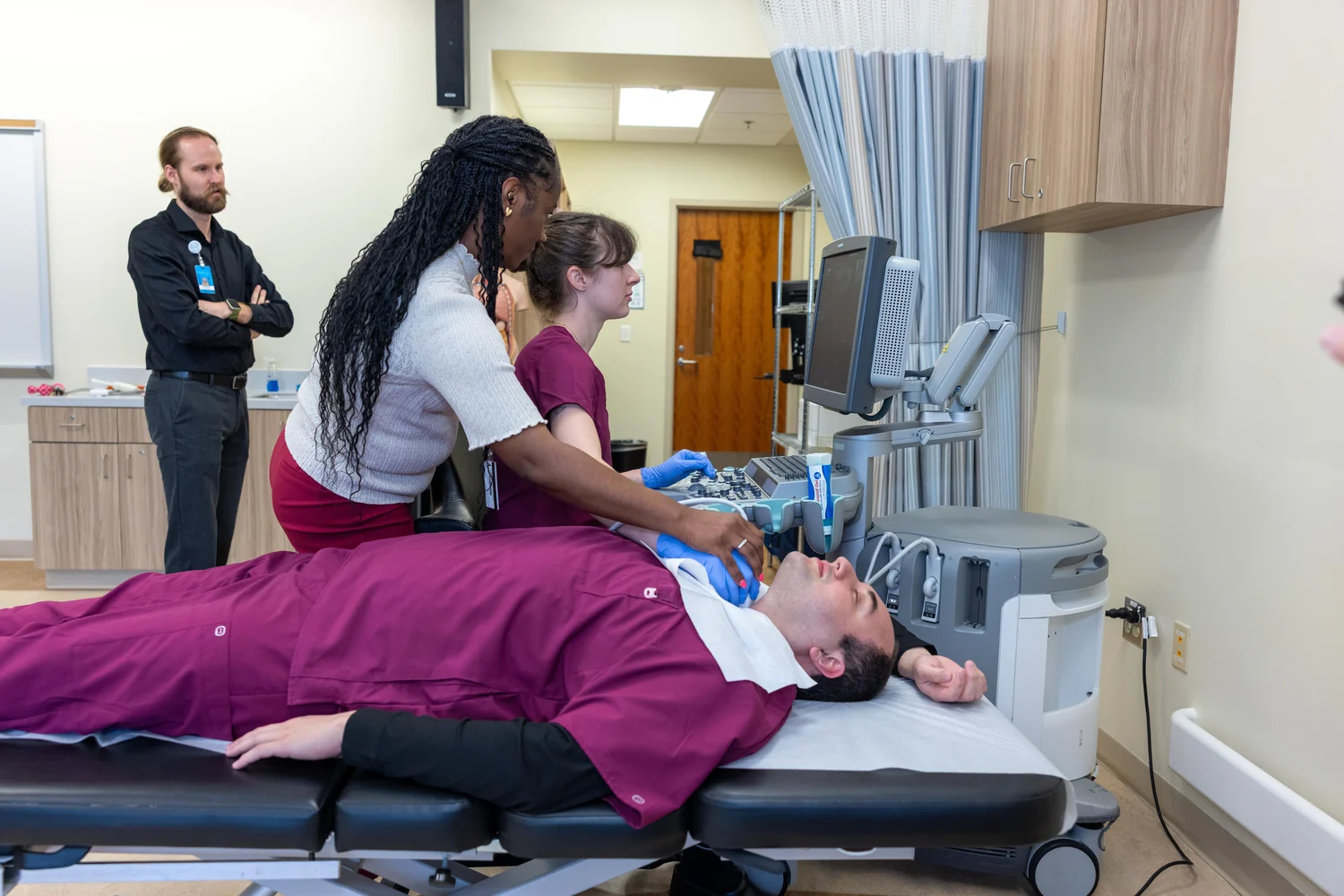
Light and sound both weaken as they travel through the body, but for different physical reasons. Understanding that loss helps explain why medical images favor certain depths, frequencies, and measurement strategies.
Sterilization depends on access: residues can shield microorganisms from a later process, including hydrogen peroxide gas plasma. Cleaning first removes material that would otherwise interfere with the sterilant’s reach and action.
A sensor that performs well on a bench may behave differently on a moving body, in a noisy room, or during everyday use. Testing in the intended setting checks whether its measurements remain useful amid real conditions and constraints.
A medical image records patterns inside the body; a diagnosis interprets those patterns alongside symptoms, history, and examination. Understanding that distinction clarifies how clinicians and AI use scans.
A hair-thin glass fiber can carry light around bends and into places a straight beam cannot reach. In medicine, that route enables both internal viewing and carefully aimed local treatment, with distinct limits and purposes.
Medical images emerge from measurements, reconstruction, and modeling. Grain, blur, and variation can reflect limited data or processing choices as well as hardware, so judging an image means understanding the whole chain.
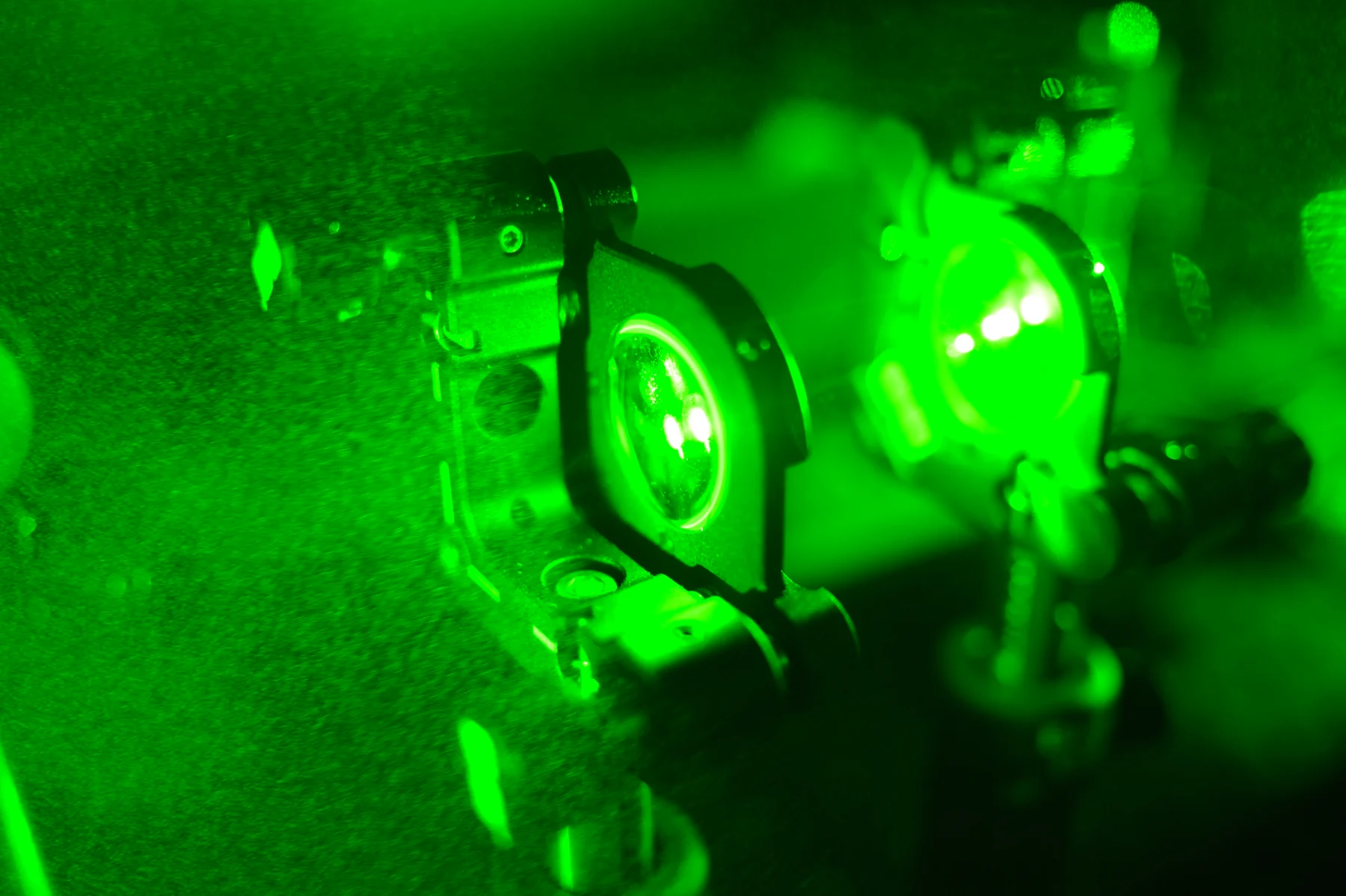
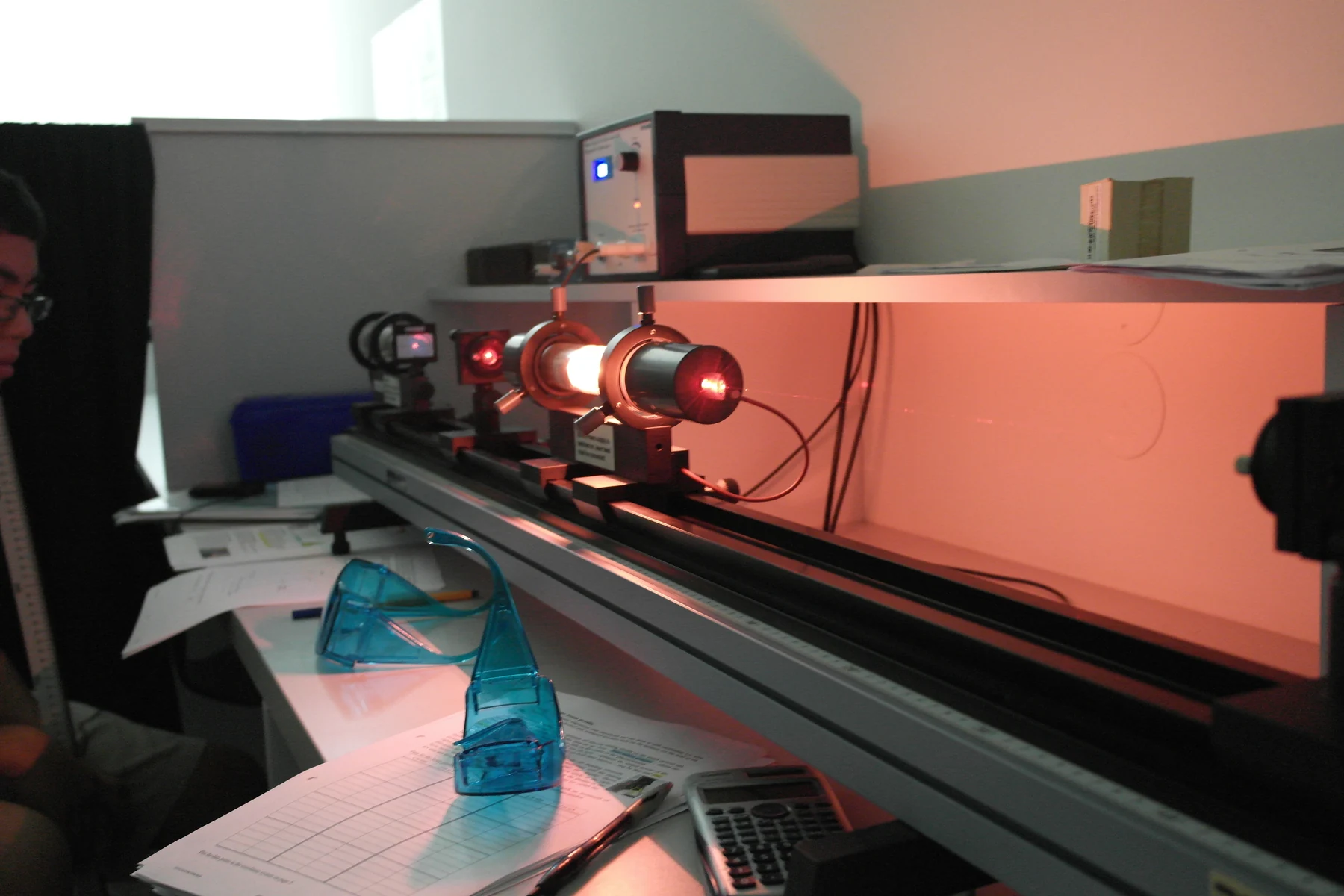
A laser concentrates light into a narrow, controlled beam that can transfer energy to selected tissue. Wavelength, delivery path, and tissue response shape its surgical uses and its limits.
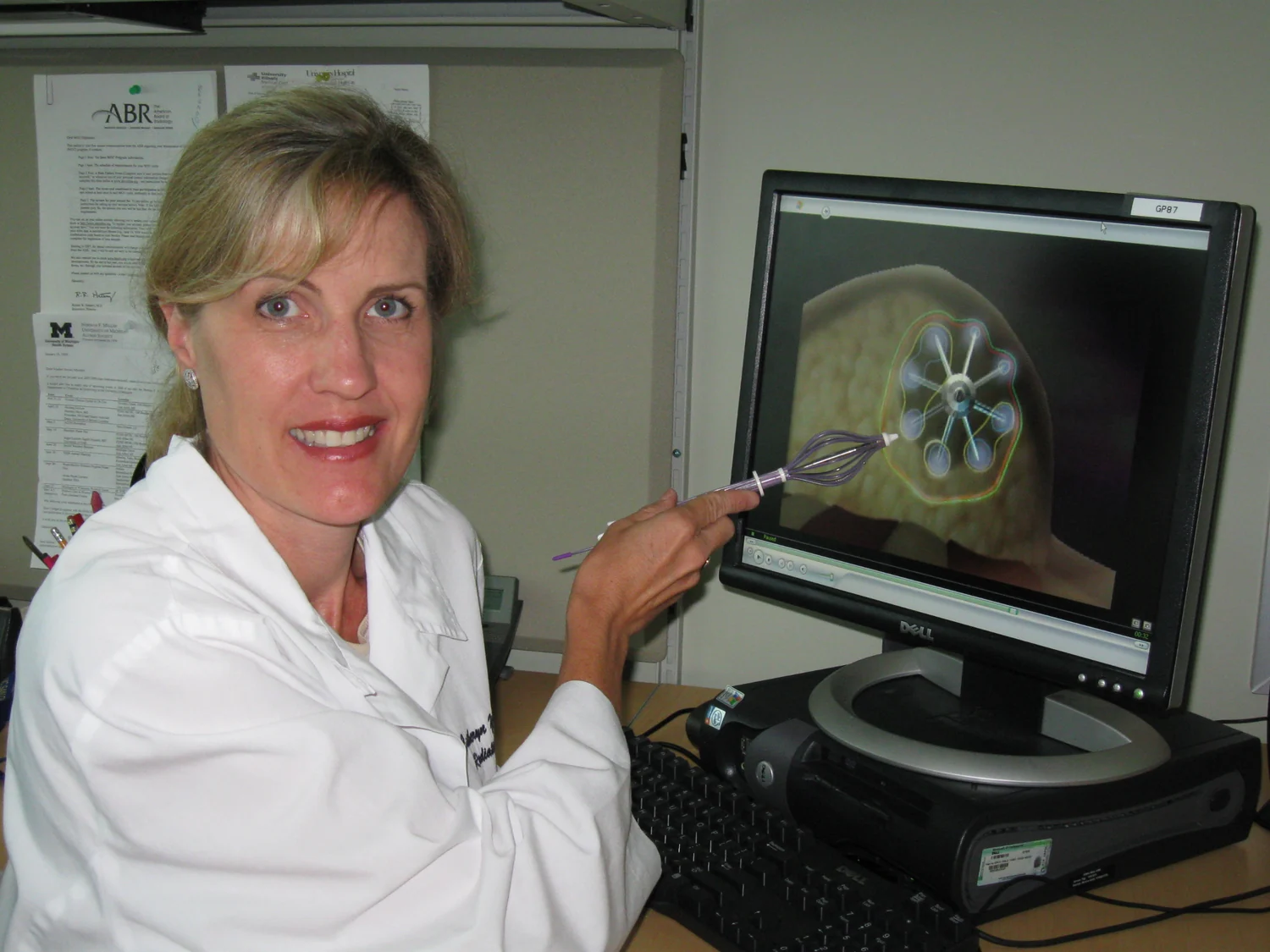
Radiation therapy damages cancer-cell DNA, but effects unfold over days, weeks, and months as cells stop dividing and the body clears damaged cells. Nearby healthy tissue can also be affected.
A promising material must pass more than a strength test before it can be used in medicine. Researchers ask how it interacts with the body, how a device performs, and whether its intended benefit holds up in people.