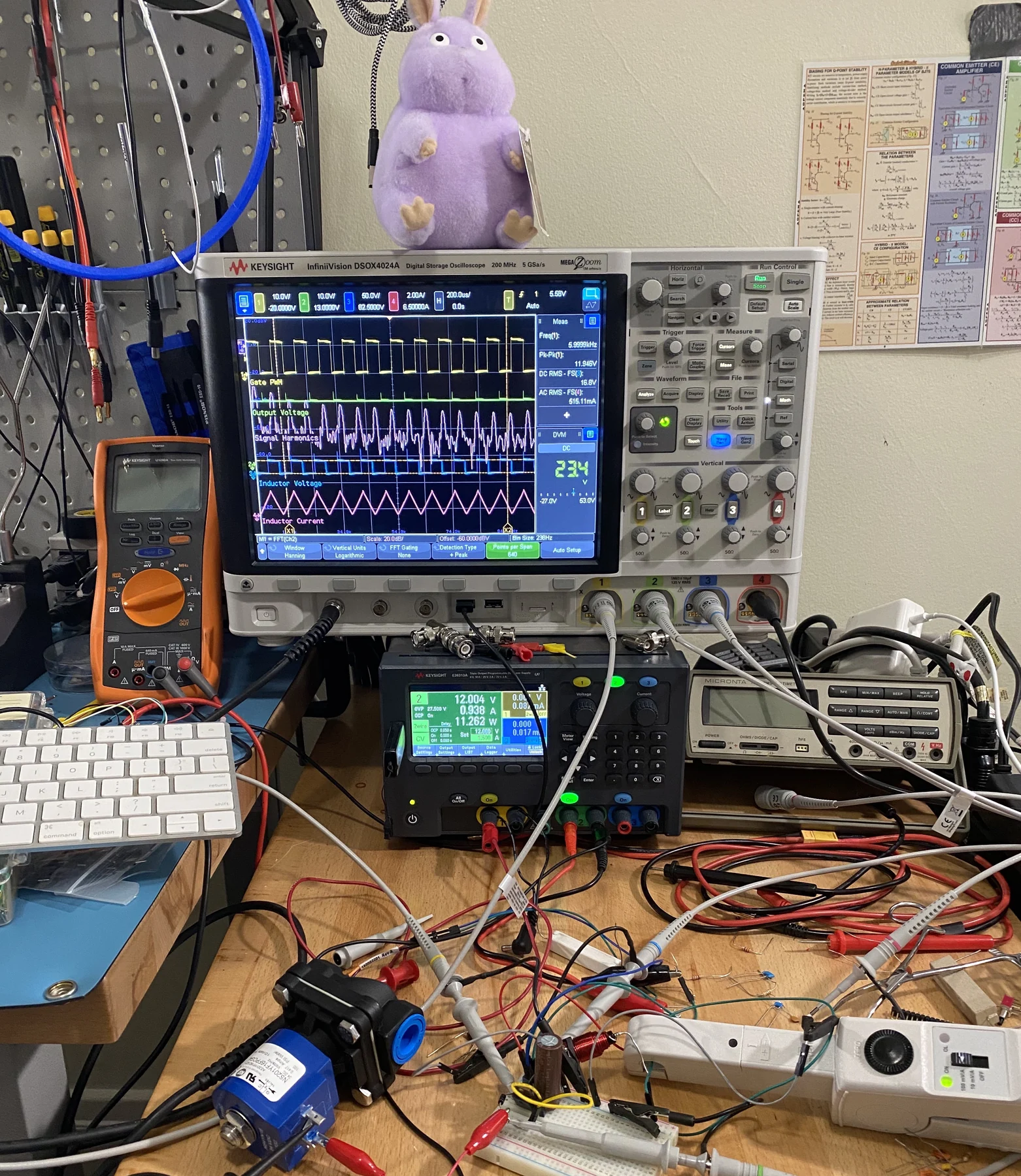
If a monitor displays “5,” what has it measured? Without a unit, the number could describe a length, a mass, a time, or something else entirely. Medical measurements become meaningful when a number is tied to a quantity and a defined unit. A second layer of trust comes from knowing how the instrument’s result relates to reference standards through calibration.
A number needs a scale
The International System of Units (SI), often called the metric system, gives shared names and symbols to measurement scales. It defines seven base units, including the meter for length, second for time, kilogram for mass, and kelvin for temperature. Other units can be derived from these; for example, speed is expressed as distance divided by time, such as meters per second. [1]
A unit is not decorative text appended to a numeral. It determines what the numeral means. A temperature reading of 37 degrees Celsius and a length of 37 centimeters use the same number but describe different quantities. Even within one kind of quantity, a value depends on the chosen unit: 1 meter and 100 centimeters describe the same length, but their numerical values differ. NIST emphasizes that a physical quantity’s value is the product of a number and a unit. [1]
A conversion preserves the quantity
Imagine a small tube measuring 2 centimeters long. Expressing it as 20 millimeters changes the numeral but not the physical length. The prefix milli means one-thousandth of the base unit, so ten millimeters equal one centimeter. Conversions work because units have defined relationships, allowing people to translate values without changing the thing measured. [1]
This shared language matters when results cross clinics, laboratories, manufacturers, or countries. SI symbols and conventions help technical information travel despite differences in spoken language. In medicine, a missing or misread unit could change the interpretation of a quantity by orders of magnitude. The safeguard is disciplined reporting: name the quantity, include the unit, and preserve the relationship between the stated value and the measurement that produced it. [1]
Calibration links instruments to references
A measurement instrument needs comparison with known references. Metrological traceability means a result can be related to a reference through a documented, unbroken chain of calibrations, with each calibration contributing uncertainty. In practice, the chain connects measurements to specified standards, often national or international standards that realize SI units. This gives laboratories a way to explain where a measurement scale comes from. [2]
Think of a ruler checked against a more carefully characterized standard, which in turn is checked against another reference. Each link records a comparison and its uncertainty. Traceability is about this documented relationship, not simply a label on a device. NIST states that providers are responsible for supporting traceability claims for their own results, and users are responsible for assessing whether those claims are valid. [2]
Traceable does not mean fit for every use
A measurement can be traceable and still not be sufficiently precise for a particular task. Uncertainty describes the range of doubt associated with a measured value; fitness for purpose asks whether that uncertainty is small enough for the decision being made. A scale suitable for weighing a package may not resolve a tiny laboratory sample. The reference chain answers one question about measurement provenance, while the intended application raises another. [2]
Medical measurements rely on both layers. Units make values interpretable, and traceability provides a route to references that can support comparison. Neither replaces careful instrument design, appropriate calibration, or understanding what quantity is being sensed. A bare number is only a starting point; a meaningful result carries its unit, its measurement context, and a justified connection to standards. [1] [2]
Sources & further reading
Prepared for the independent PSI Center reading library. About edition dates and source checking.
This explainer describes scientific principles. It does not assess individual treatment choices.