What makes a beam of light useful to a surgeon when ordinary light cannot cut or seal tissue? A laser can deliver concentrated energy along a narrow, directed path. Its wavelength and intensity affect how tissue absorbs that energy, while optical fibers can carry the beam through a flexible instrument to an internal site. The result is a tool for local treatment whose precision depends on matching the light, the tissue, and the procedure.
A narrow beam carries concentrated energy
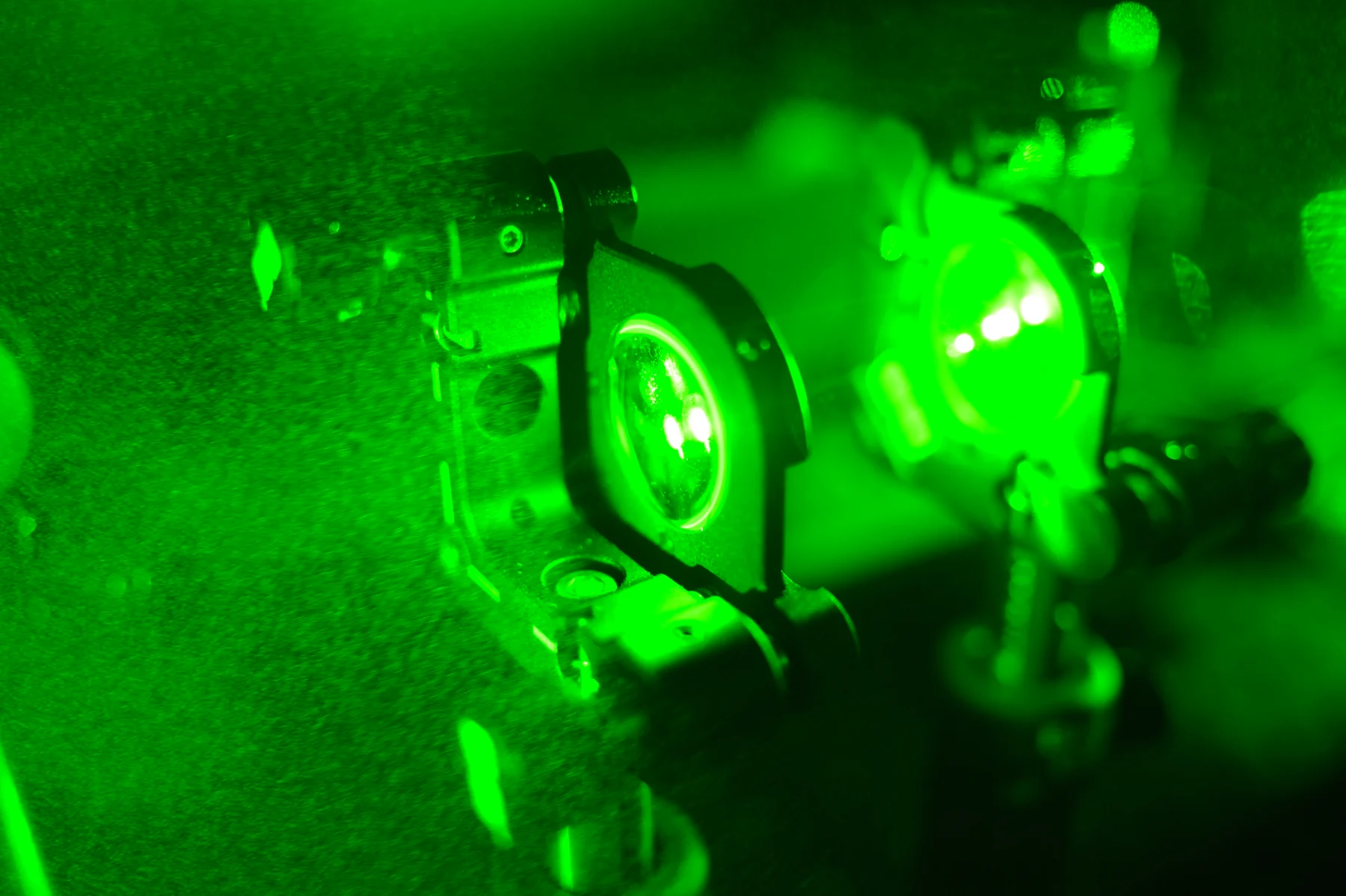
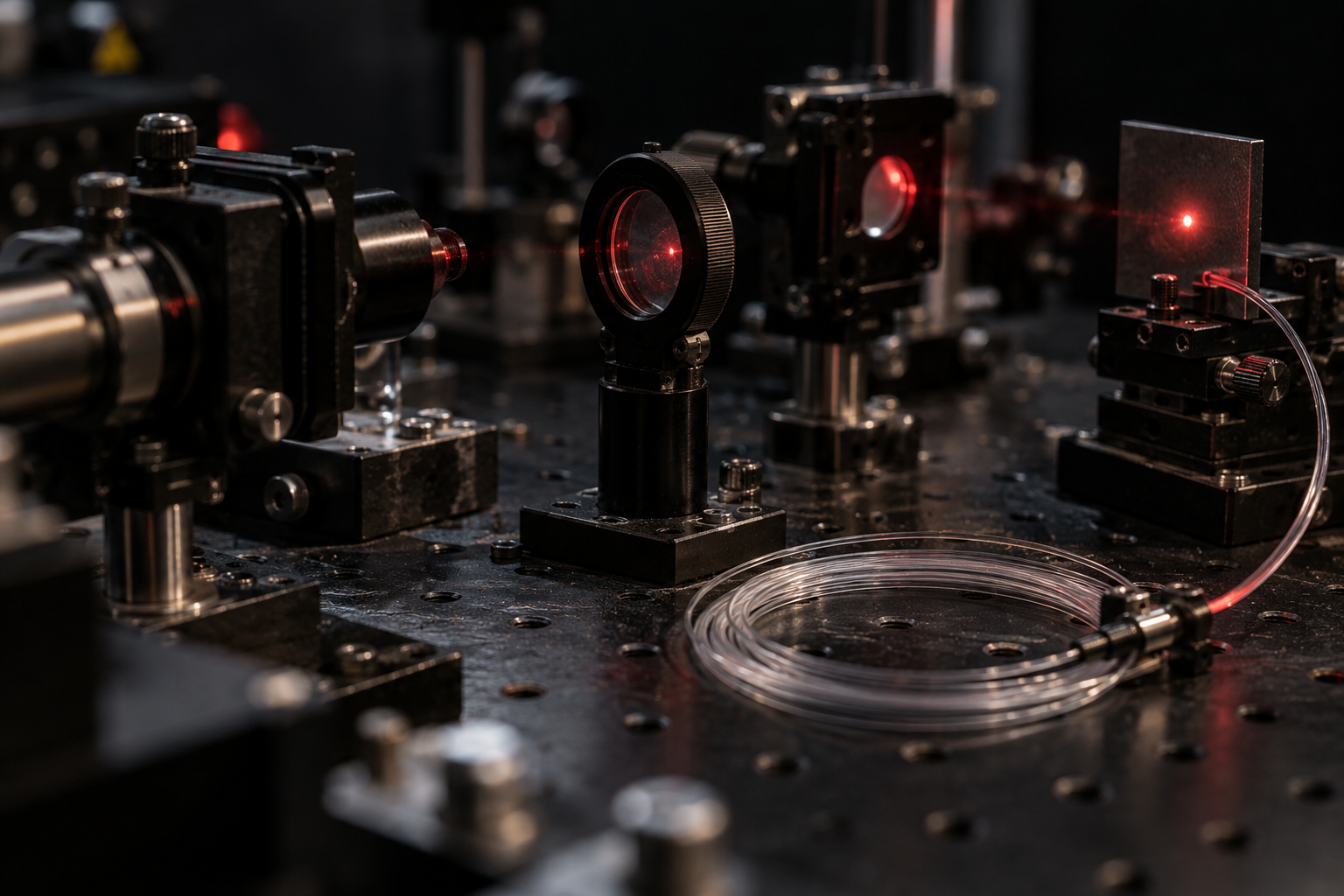
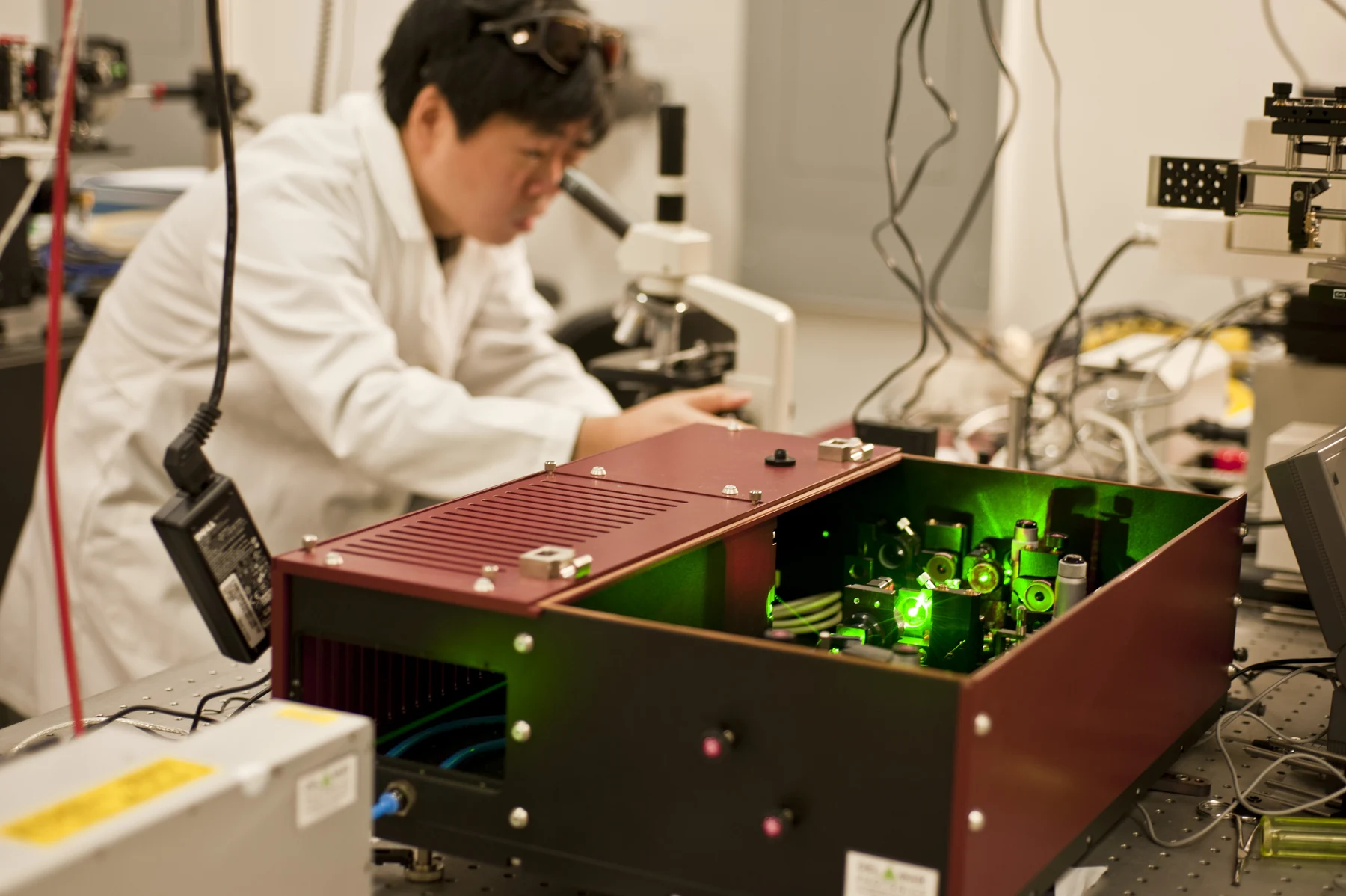
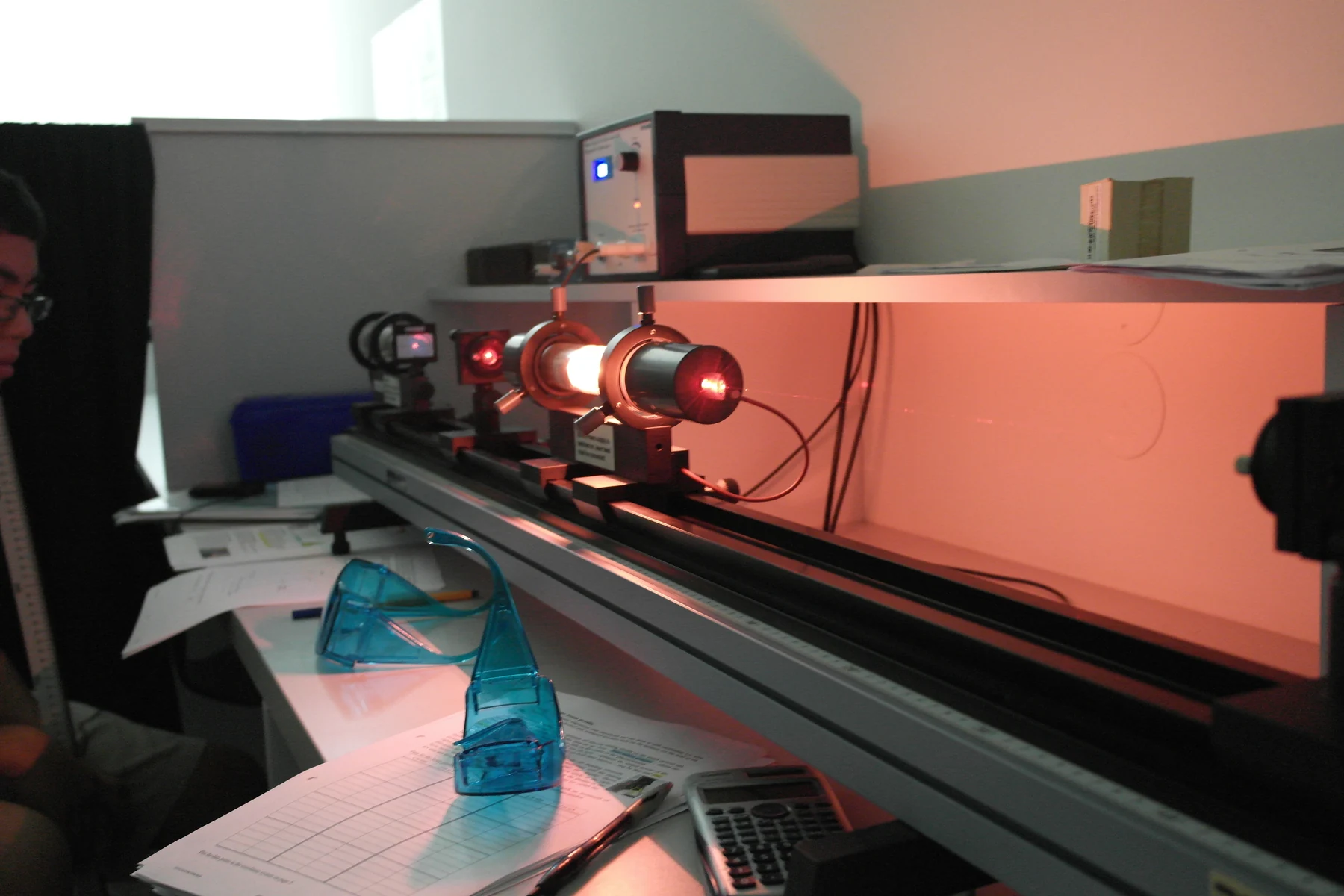
Laser is short for light amplification by the stimulated emission of radiation. In a basic laser, an energized medium produces light that is amplified and directed. Unlike the mixture of wavelengths emitted by a lamp, laser light has a specific wavelength and can form a focused, narrow beam. Concentrating light into a small area can produce high intensity, even over distance [2].
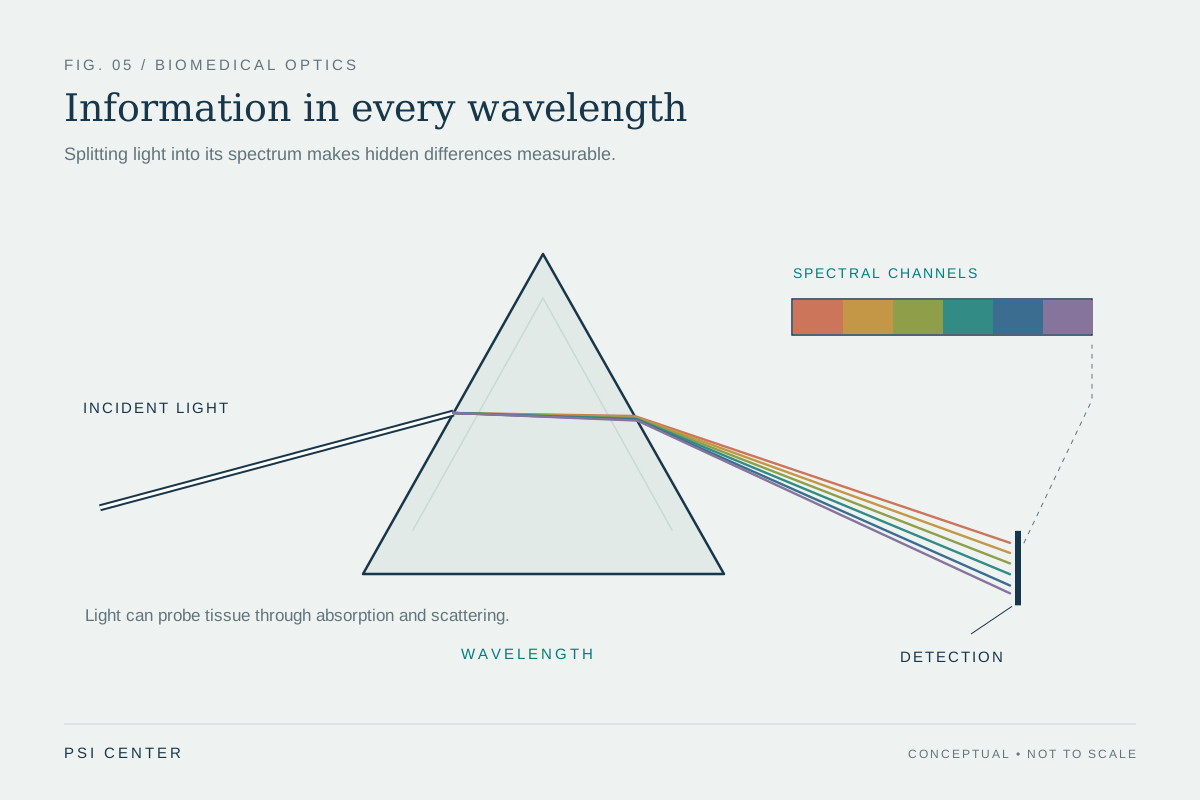
In surgery, that concentration matters because energy can be delivered to a selected region rather than broadly illuminating a surface. But “laser” does not name one single kind of light or one tissue effect. Wavelength influences how tissue absorbs light, and different lasers are used for different targets and depths. The beam’s usefulness comes from controlled delivery, not from light being inherently harmless or selective.
Tissue response depends on wavelength
Tumor and normal cells can absorb different wavelengths differently, so choosing a wavelength can help target particular tissue [1]. Carbon dioxide and argon lasers can cut at the skin’s surface without penetrating deeply, which suits some surface lesions. Nd:YAG lasers are more often used through an endoscope for internal organs; their light can also travel through optical fibers for laser interstitial thermal therapy, which heats tissue from within [1].
A practical distinction is between cutting or destroying tissue and using laser energy as part of another treatment. Lasers may help seal blood vessels during surgery, reducing bleeding, or seal lymph vessels and nerve endings after surgery [1]. In photodynamic therapy, an argon laser may be used as one component of treatment. These are different ways to deploy light, each relying on a defined interaction rather than a general property called “laser precision.”
A fiber can take light around a bend
Many internal procedures deliver laser light through an endoscope, a narrow lighted tube used to view tissues. Optical fibers—thin strands that transmit light—can carry the beam through a flexible instrument to a site reached through a body opening. The clinician can then direct light at a selected area to cut or destroy tissue [1]. This is a form of local treatment: it addresses a specific part of the body rather than acting throughout it.
The geometry is useful, but it does not erase tradeoffs. Lasers require specialized equipment and operator training, and the effects may not last long enough to avoid repeat treatment. A technique that is effective for a surface target may not suit a deeper or differently absorbing tissue. The path of delivery, the laser type, and the target’s location all constrain what a procedure can accomplish [1].
Precision comes with safety controls
A focused beam can concentrate energy enough to injure eyes or skin. The FDA groups lasers into hazard classes, with the potential for harm generally increasing at higher classes; direct or reflected exposure from some powerful lasers can be hazardous [2]. Medical use therefore relies on safety measures and specialized training alongside the intended tissue effect. A narrow beam is controllable, but it still carries energy that must be managed.
Laser surgery is one example of how optical physics can become a clinical instrument: select a wavelength, deliver it along a controlled path, and use tissue’s response to produce a local effect. The same underlying beam properties also appear in nonmedical devices, from optical readers to industrial cutters [2]. What distinguishes surgical use is the combination of a medical purpose, equipment designed for that procedure, and careful control of where the energy goes.
Explore the physics: an explanatory diagram
Sources & further reading
- Lasers in Cancer Treatment National Cancer Institute
- Laser Products and Instruments FDA
Prepared for the independent PSI Center reading library. About edition dates and source checking.
This explainer describes scientific principles. It does not assess individual treatment choices.