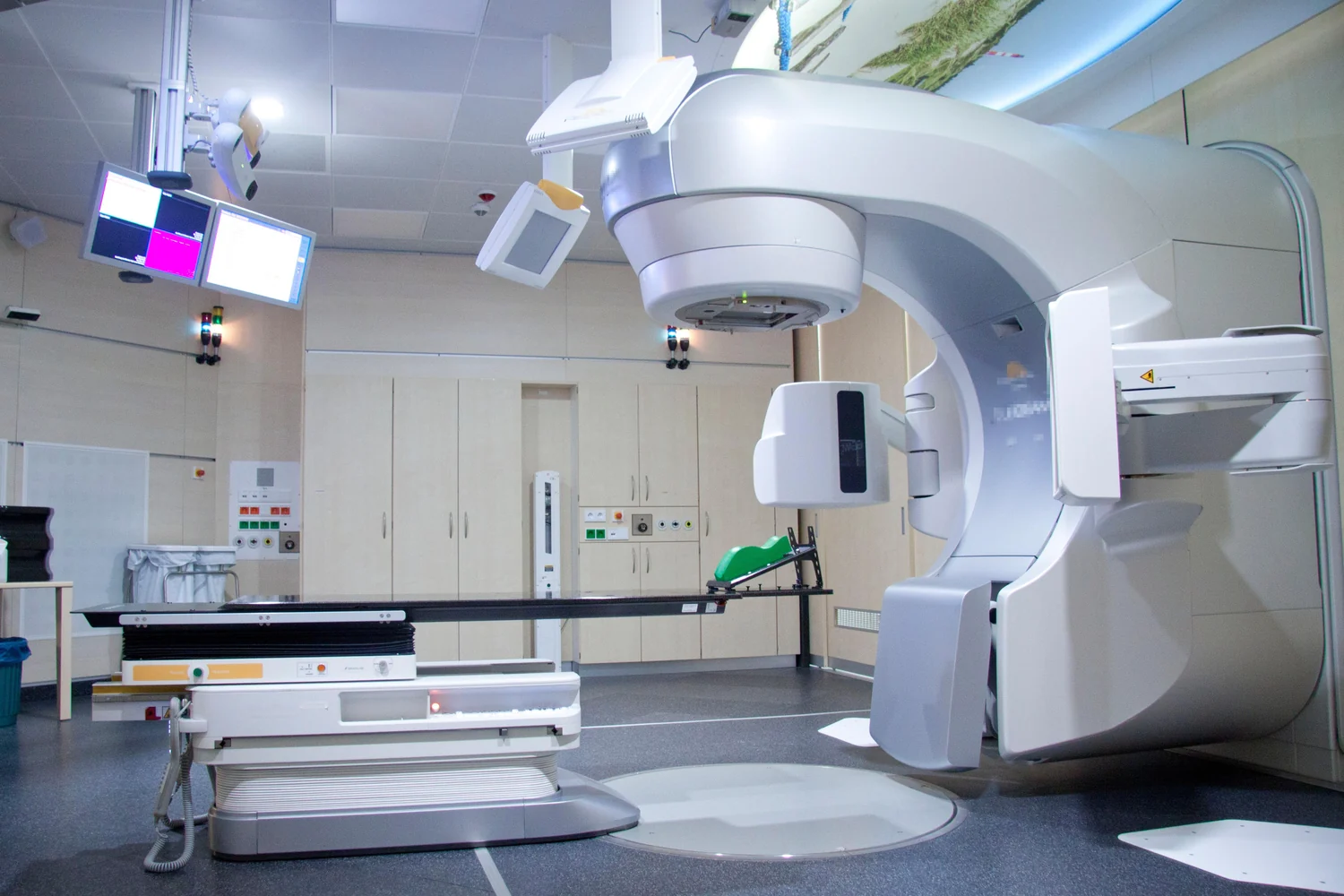
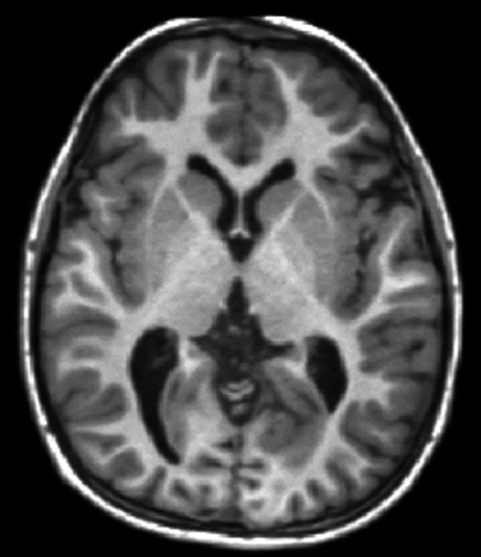
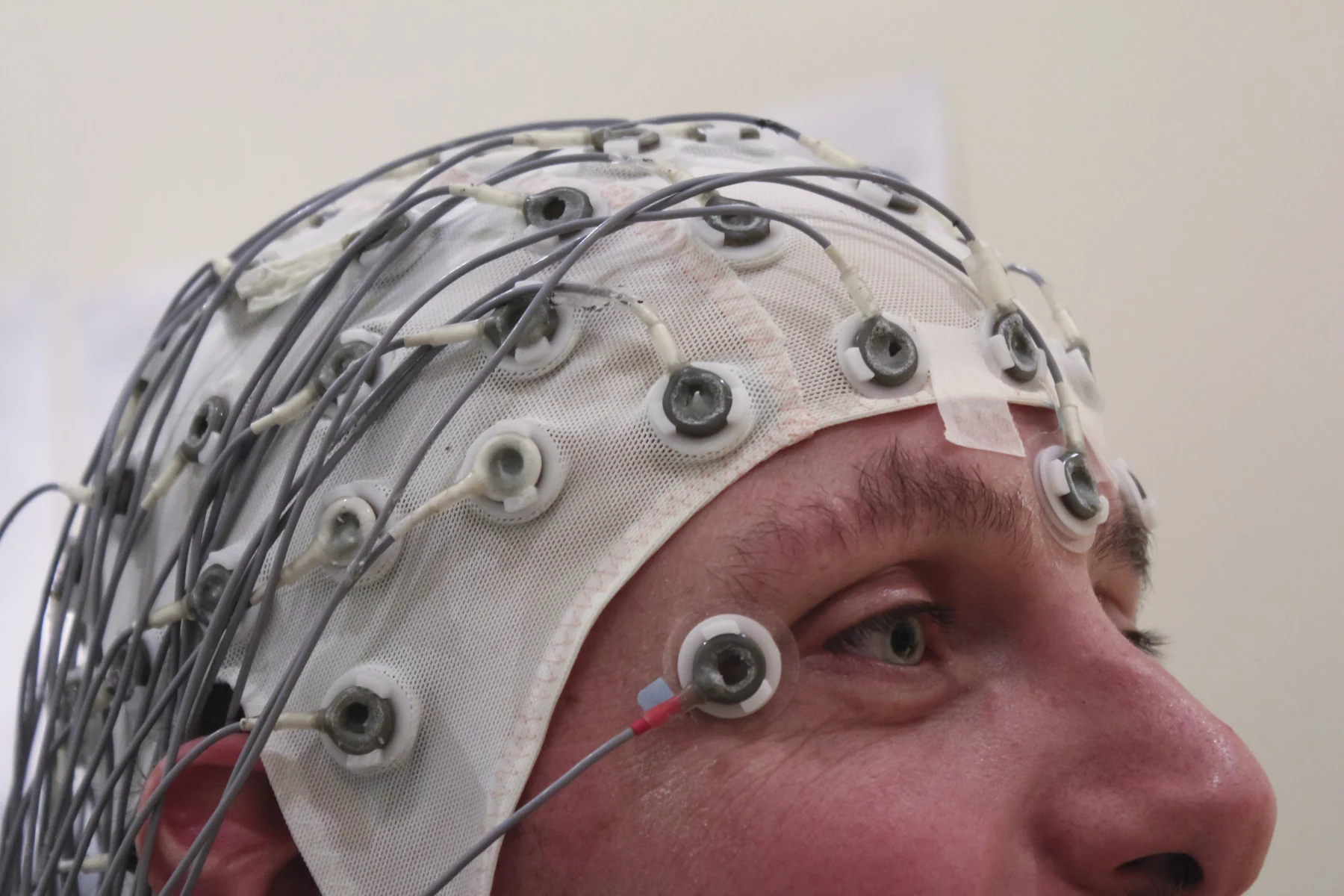
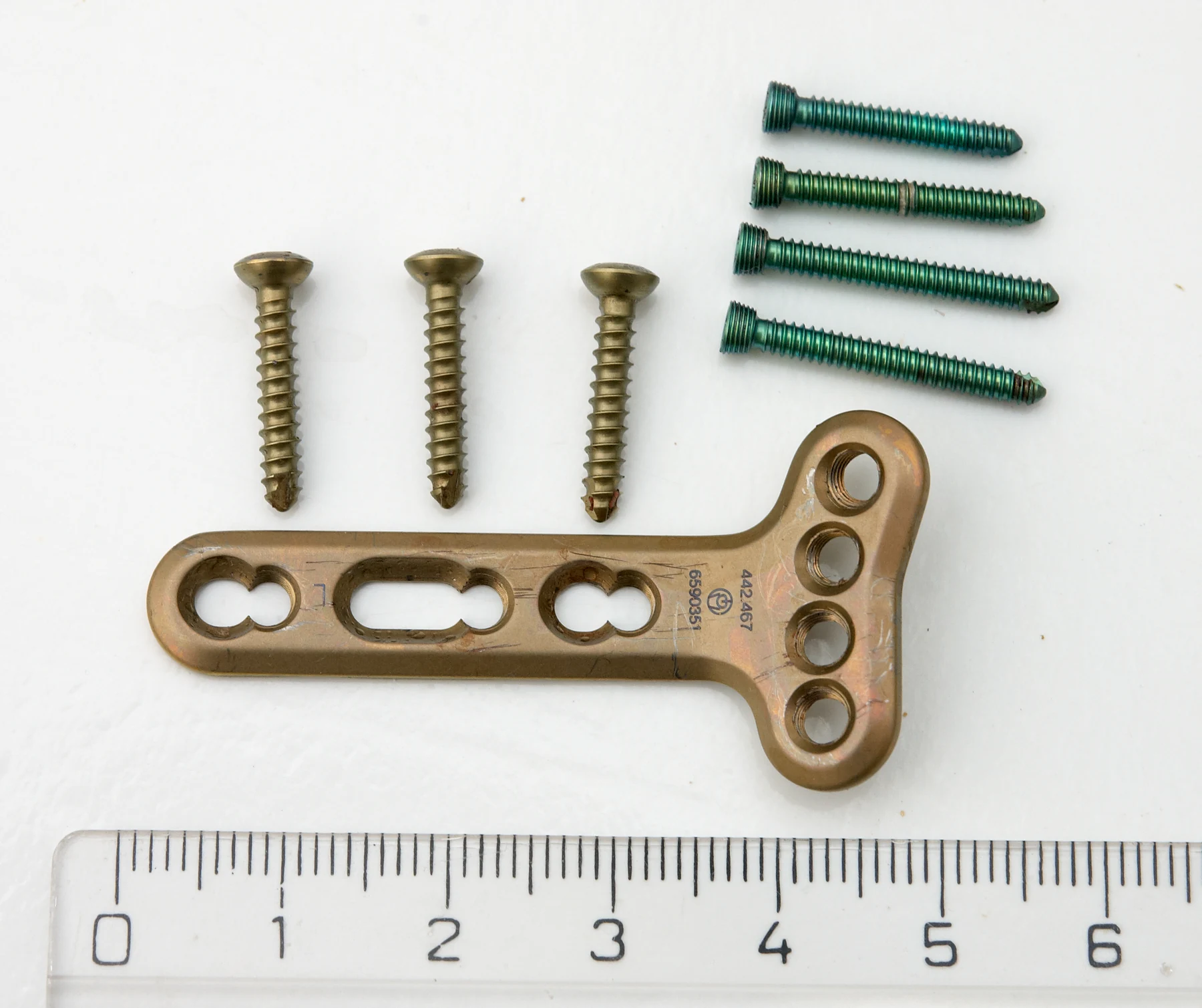
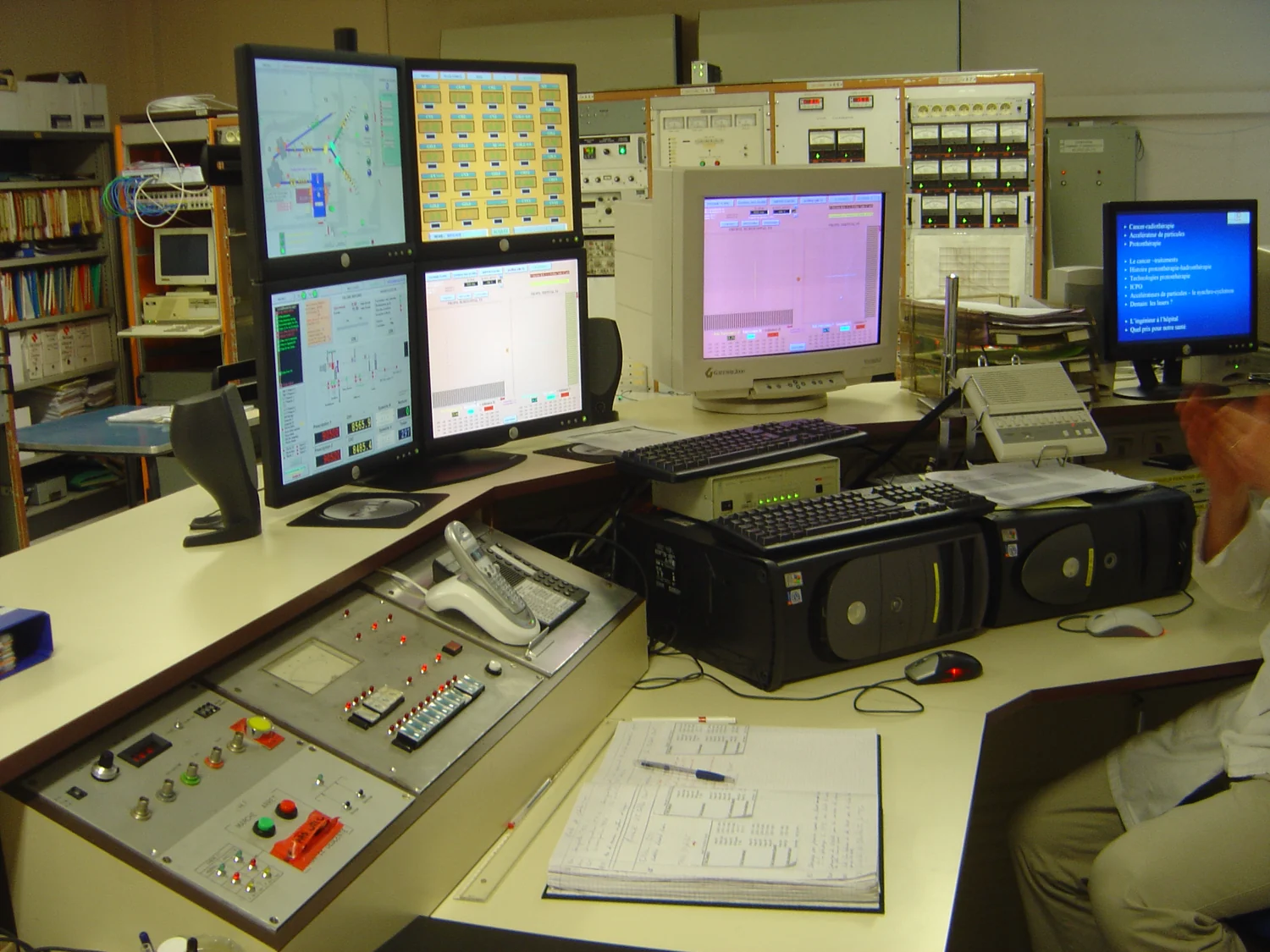
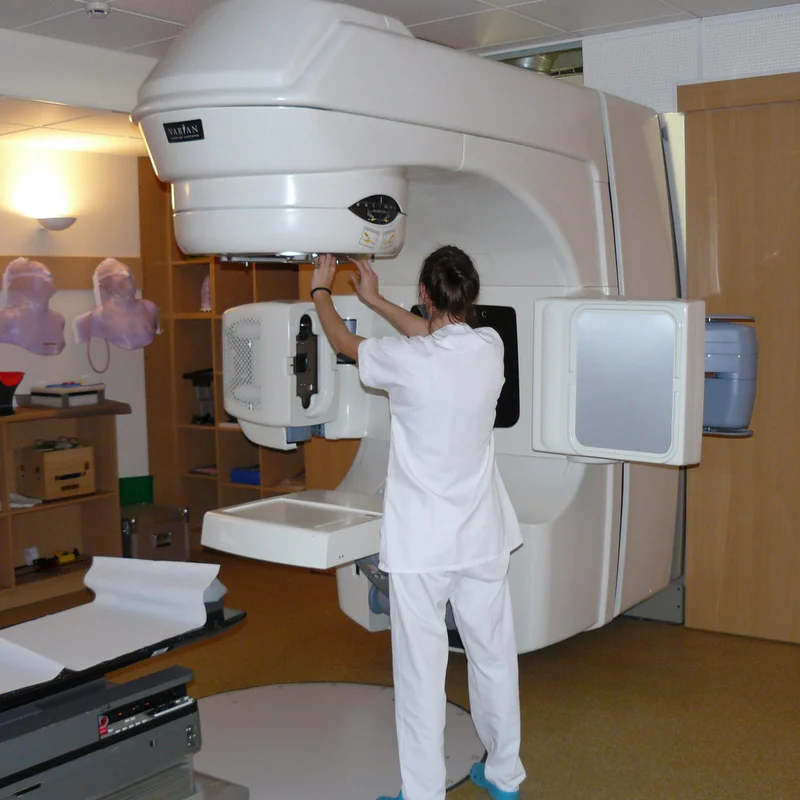
Imaging and radiation treatment both use ionizing radiation, but they pursue different physical goals. A scan seeks enough signal to answer a question; therapy aims to damage tumor-cell DNA while limiting harm to nearby tissue.
An MRI scanner combines powerful static and changing magnetic fields with radiofrequency energy. Understanding how those forces interact with metal, implants, and the body explains why preparation is part of the imaging procedure.
EEG electrodes detect changing voltage patterns at the scalp that reflect coordinated brain activity. The record can support evaluation and monitoring, but it cannot measure intelligence or rule out every seizure.
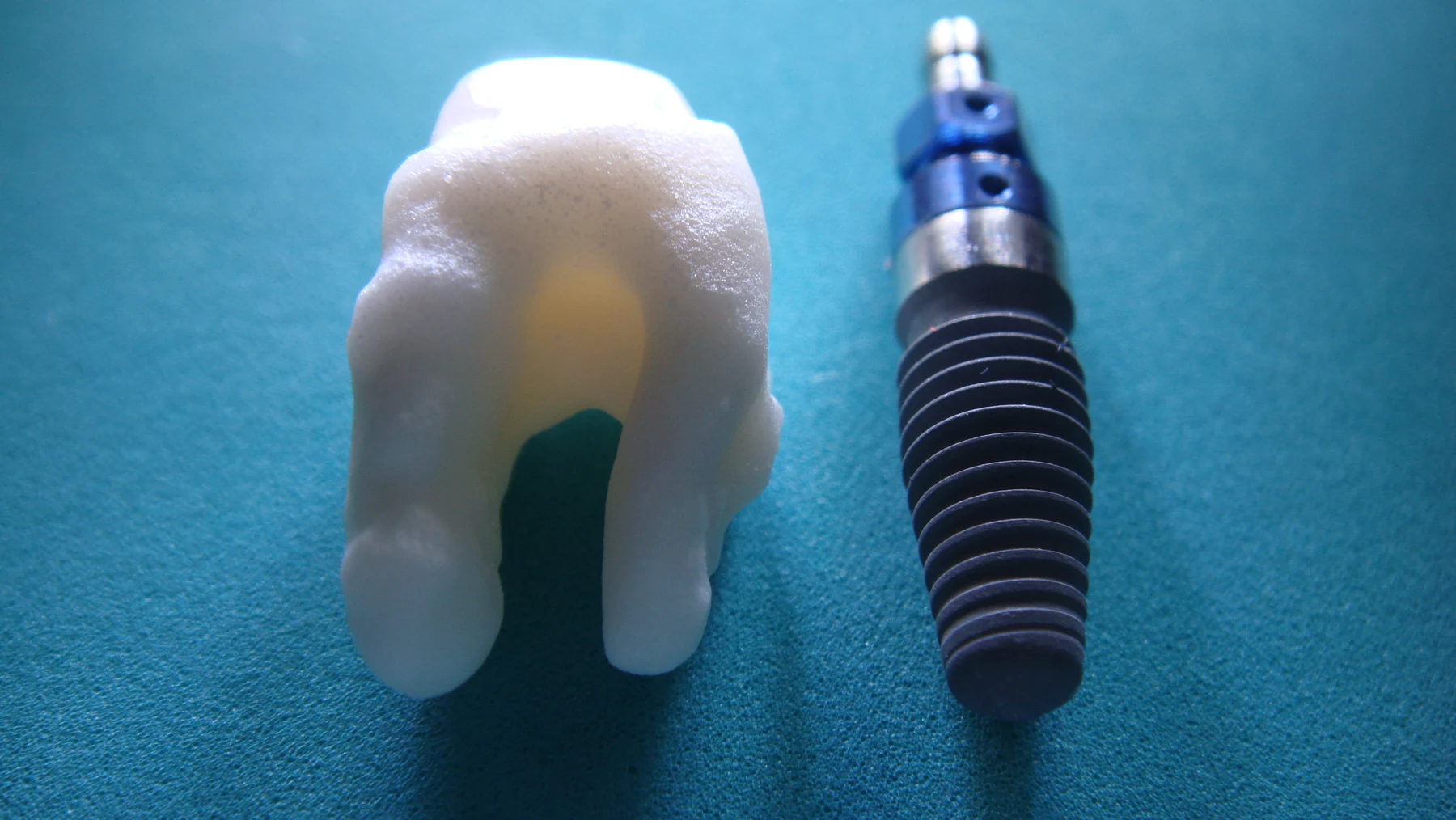
A patient-matched implant can be designed with remarkable geometric detail, yet its safety depends on the material, manufacturing process, and real-world performance as well as the digital file.
Radiation plans rely on knowing where a target sits, but tumors in the chest and abdomen can move as a person breathes. Imaging and computational models help teams account for that changing position.
Blinding helps limit expectations from shaping trial outcomes, but a device may be visible, audible, or physically perceptible. Sham procedures and outcome design can reduce bias without making every trial fully masked.
Hydrogels hold large amounts of water inside a connected polymer structure. Their soft, wet character can make them useful research materials, but behavior in a dish or animal model does not establish that a hydrogel is a proven treatment.
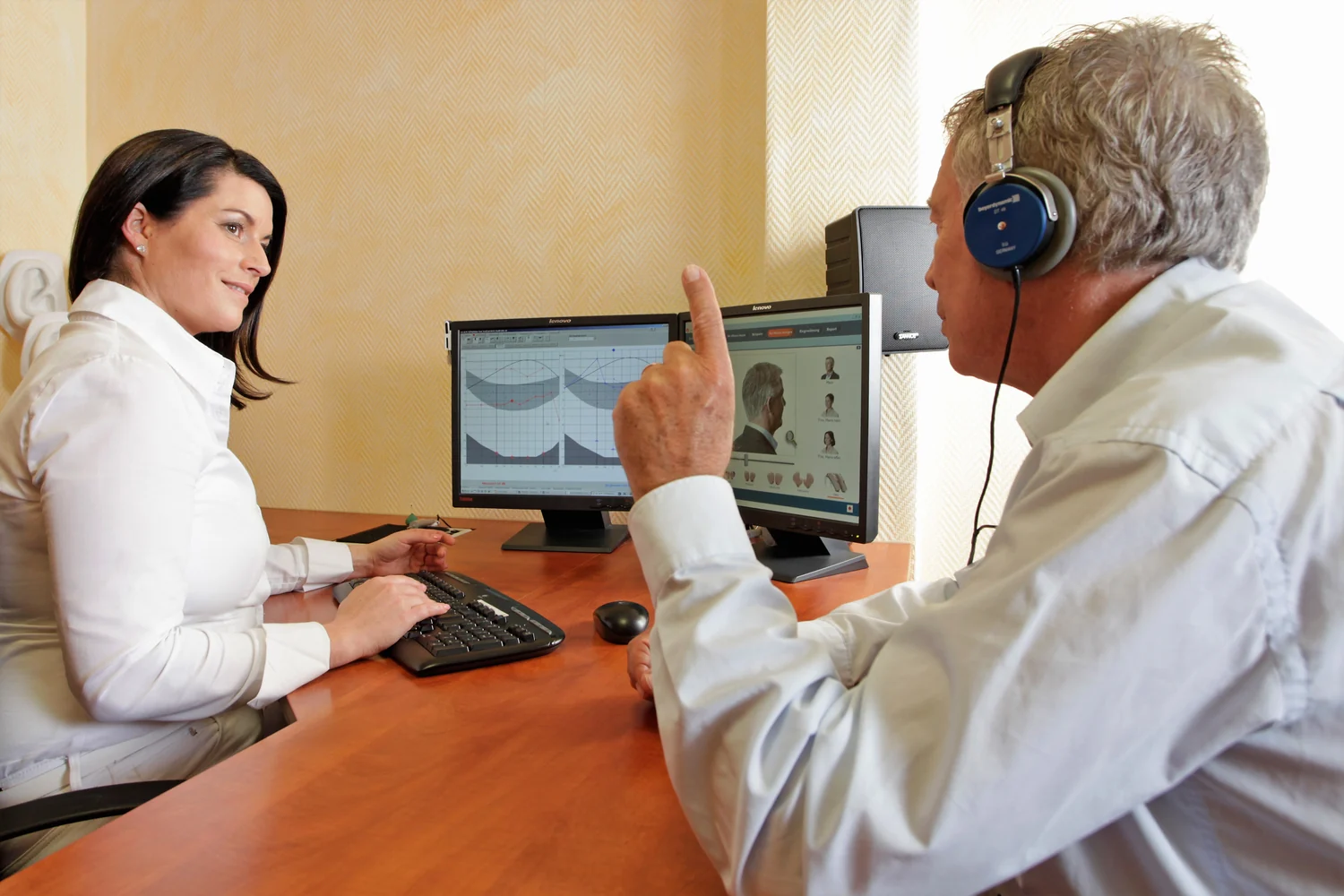
A directional hearing aid can emphasize sounds arriving from a chosen direction, but it cannot perfectly isolate speech from a noisy room. Its usefulness depends on microphone geometry, processing, hearing needs, and the acoustic setting.
A device can deliver light precisely and still leave its health benefit uncertain. Understanding the gap between physical performance, regulatory review, and patient outcomes helps put claims in perspective.
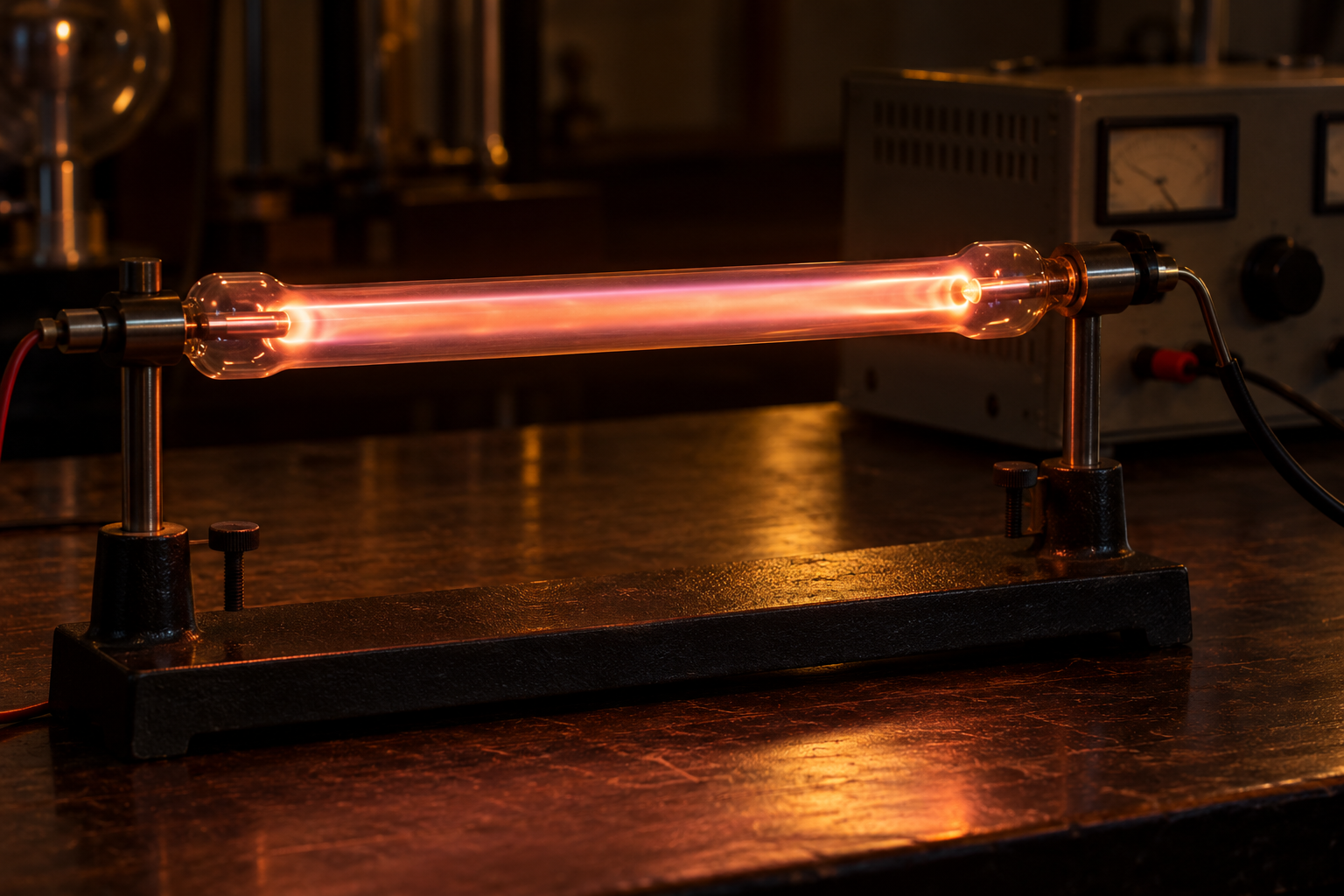
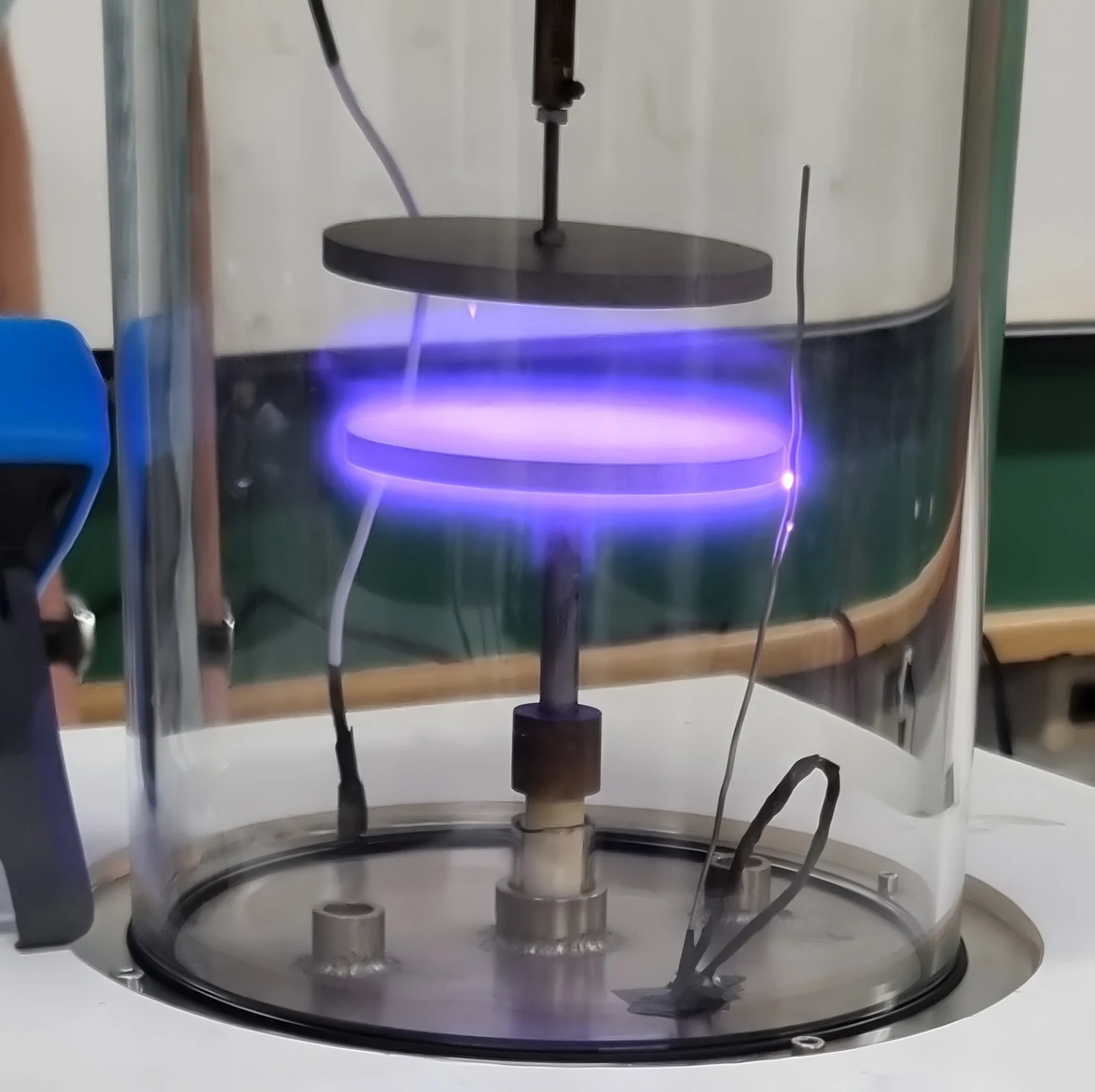
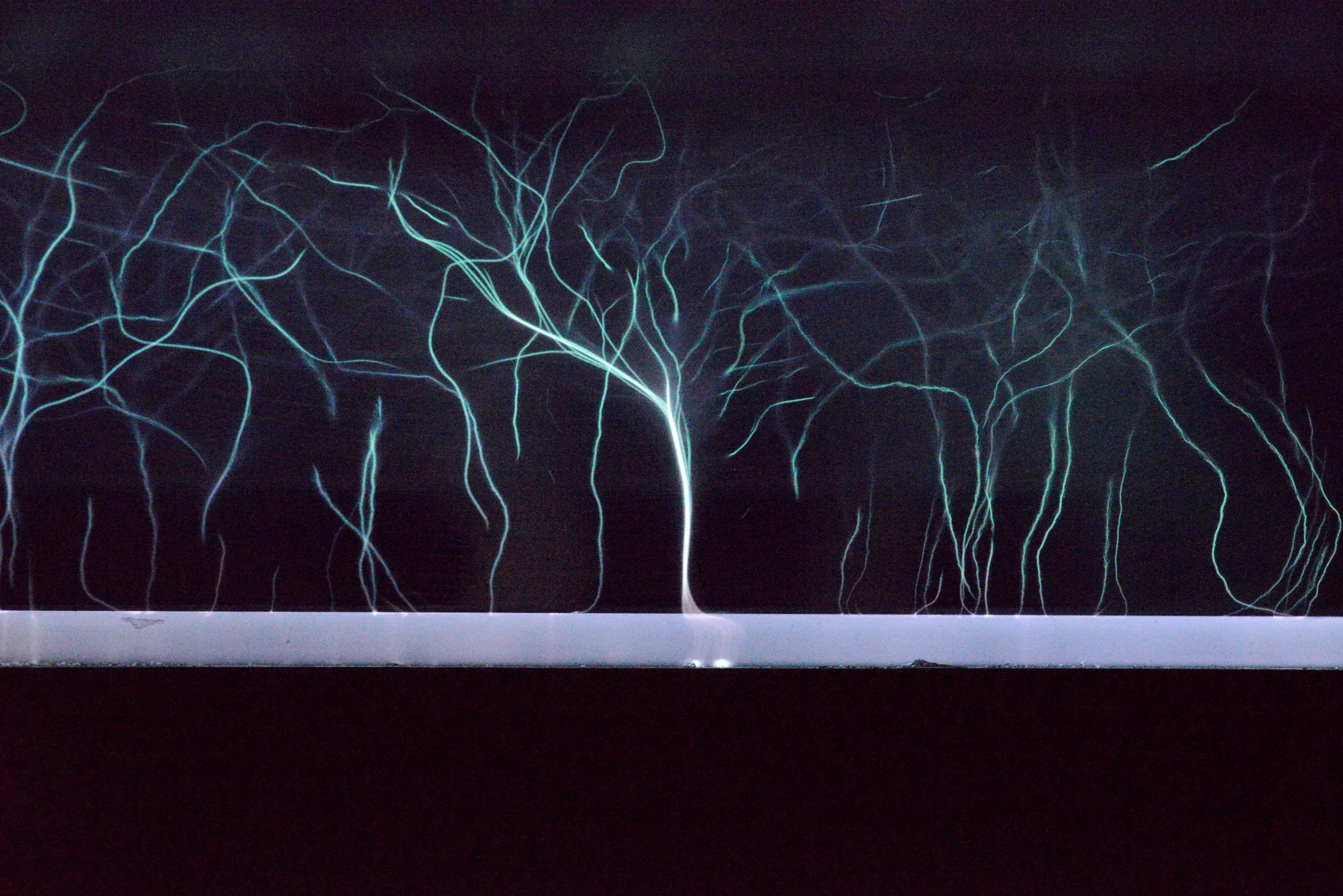
Cold atmospheric plasma is a partially ionized gas under investigation for selected tissue applications. Device shape, spacing, and treatment geometry affect how an exposure reaches a surface, while clinical evidence remains unsettled.
An implant’s material faces a warm, wet, chemically active environment for months or years. Corrosion and wear can alter the device and release products, so safety evaluation considers the material, design, location, manufacturing, and duration of contact.
Both technologies use acoustic waves, but an ultrasonic cleaner applies energy to remove soil from objects while diagnostic ultrasound records echoes from inside the body. Their purposes, operating conditions, and safety questions are different.
Radiation planning balances dose at a target against exposure along the beams’ paths. Multiple directions can concentrate overlapping contributions at a tumor while limiting the dose any one path delivers to nearby tissue.
A thermometer’s reading gains meaning through documented comparisons with reference standards. Each link contributes uncertainty, and traceability alone cannot show whether a measurement is precise enough for its purpose.
Comparing an experimental treatment with standard care helps separate a new intervention’s contribution from the effects of established wound management. Cold atmospheric plasma research shows why promising signals and practice recommendations can differ.
A returning echo or light reflection is more than a nuisance: it signals a change in material properties. Imaging instruments use that change to infer where layers lie and how tissues differ.
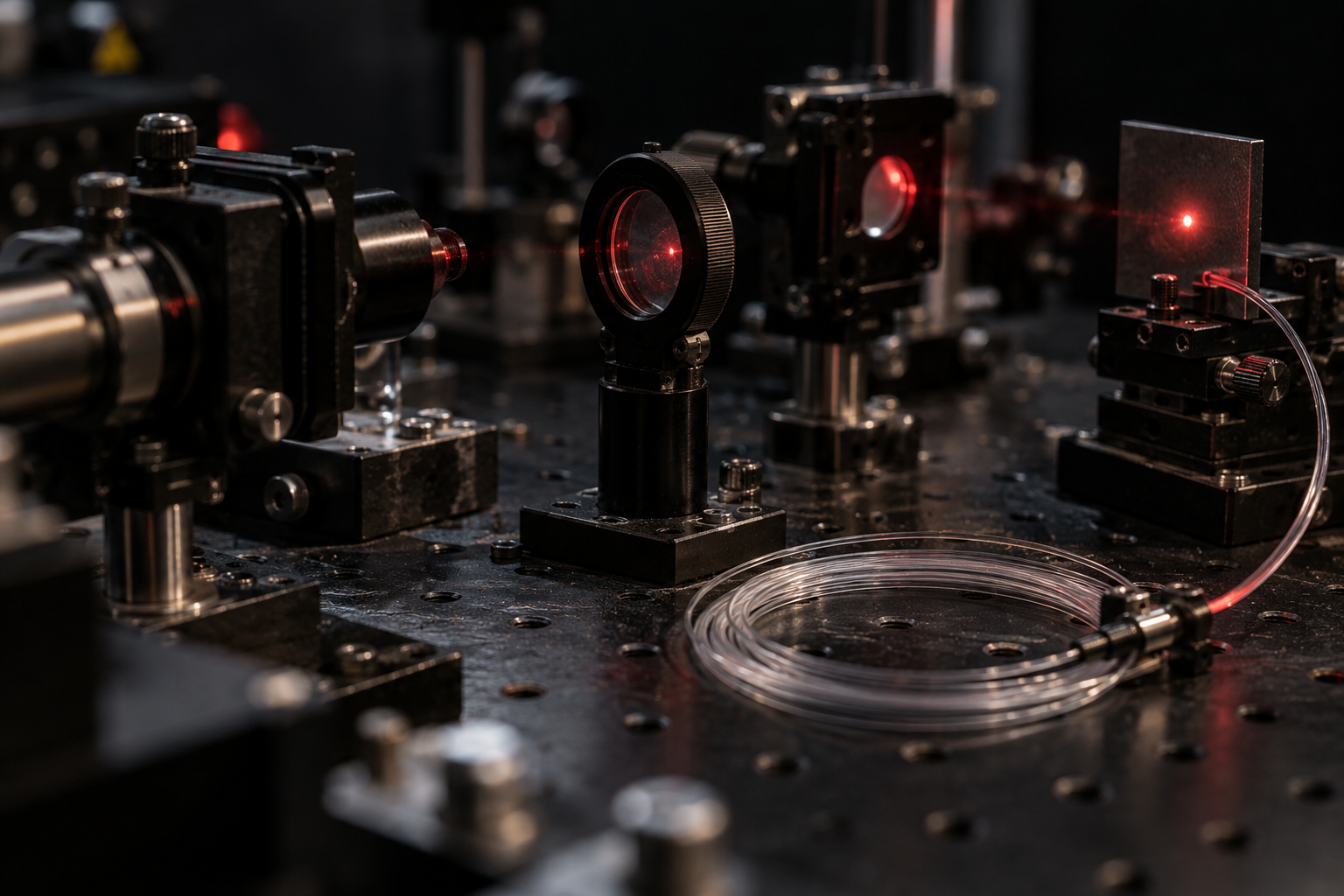
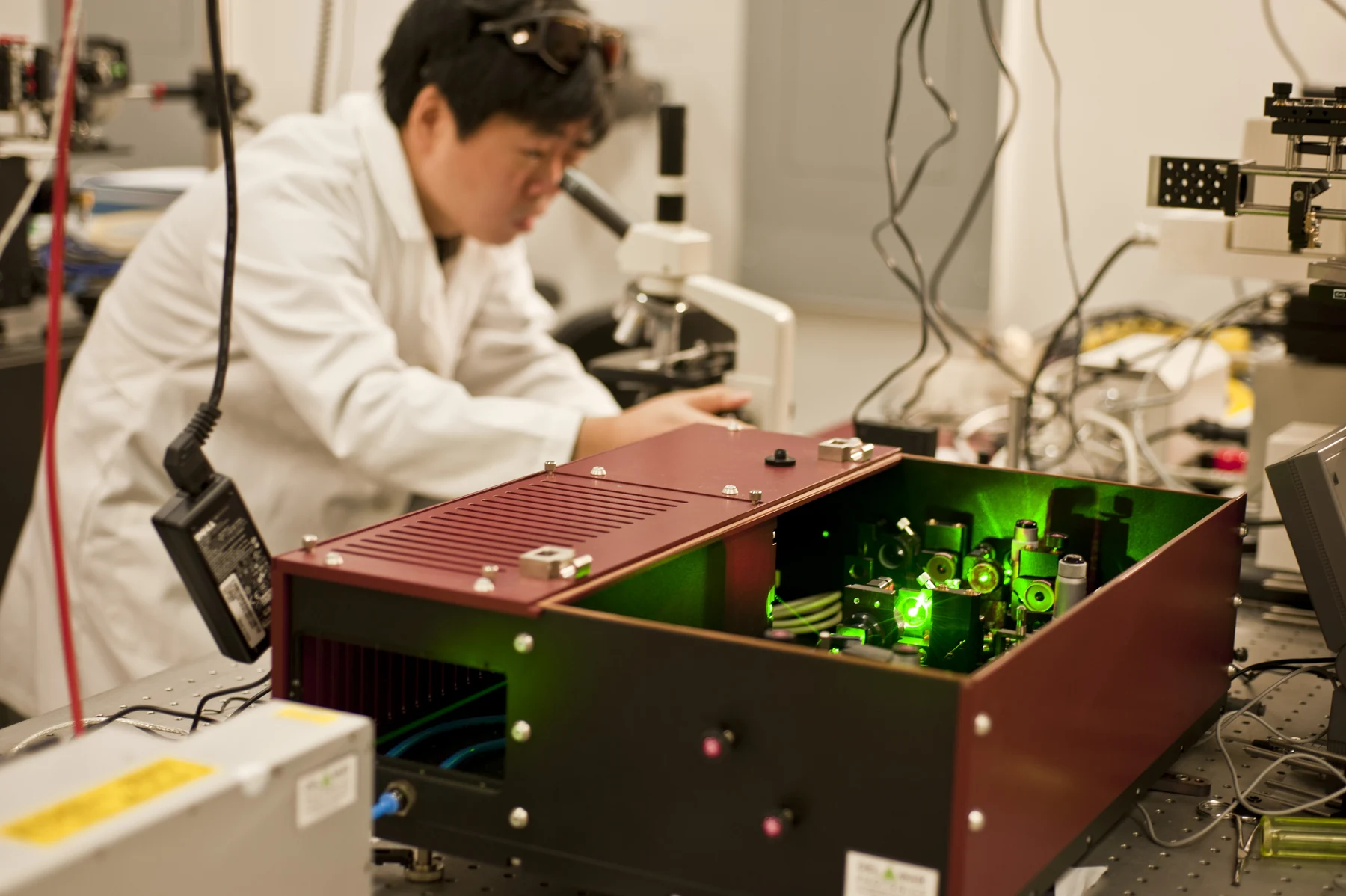
In light-based cancer treatments, the location and route of illumination help determine what tissue can be reached. Wavelength, optics, and anatomy are part of the therapy’s design, not mere accessories.
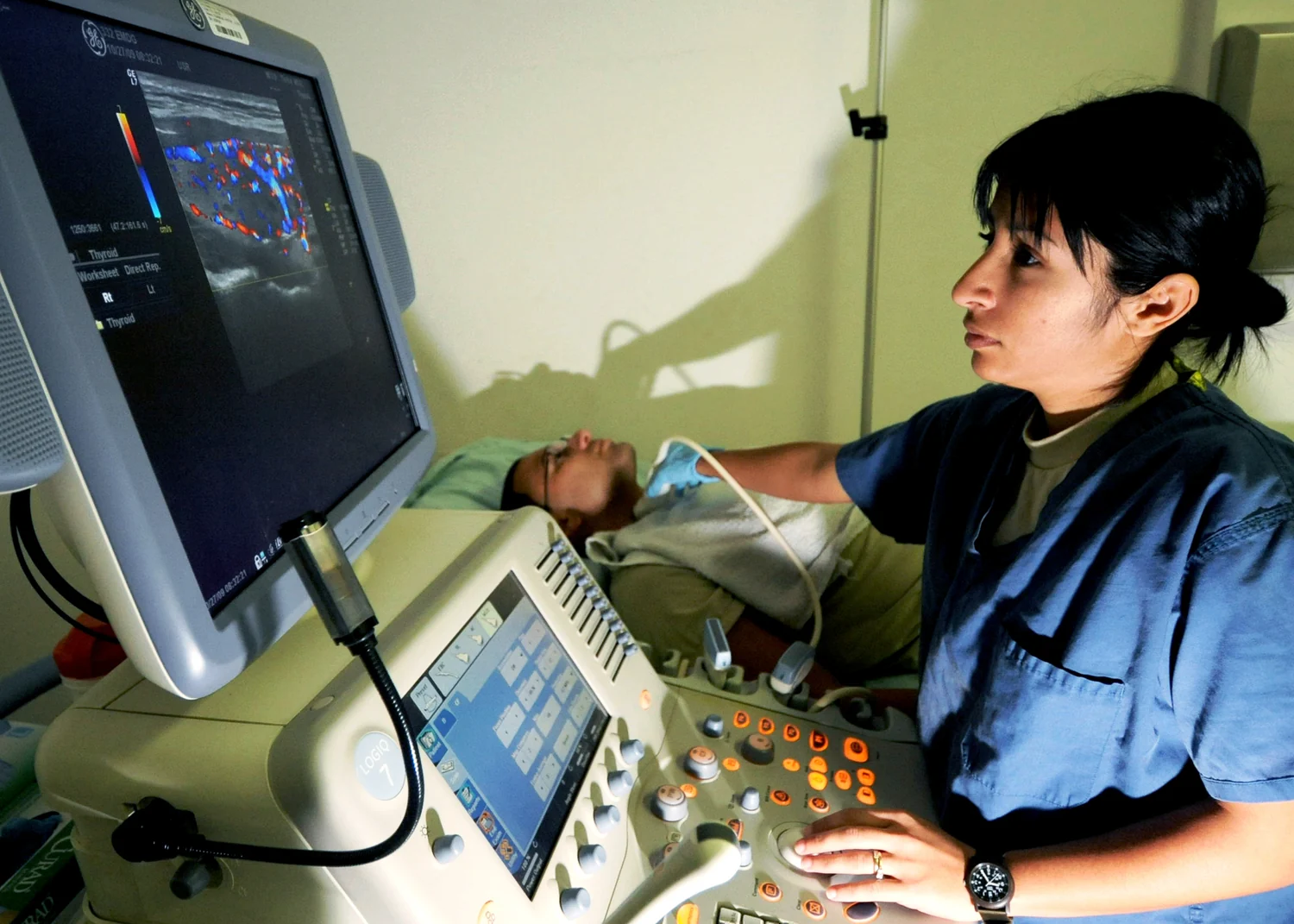
Color Doppler turns small frequency shifts in returning sound into a visual account of blood movement. Reading the map means understanding both what the colors encode and what they leave out.