If a treatment is a machine that touches the body, can a participant be kept from knowing whether they received it? Sometimes, but not always. A device can make noise, create warmth, alter sensation, or require a recognizable procedure. These clues can reveal assignment even when a study is designed to conceal it. Understanding this problem helps explain why device trials need careful comparisons, credible sham procedures, and outcomes that do not depend only on expectation.
What blinding is meant to do
In a clinical trial, blinding means withholding knowledge of treatment assignment from participants, clinicians, outcome assessors, or some combination of them. The aim is to reduce the chance that expectations influence behavior or measurement. A participant who believes a treatment will help may report symptoms differently; an assessor who knows assignment may judge an ambiguous outcome differently.
A drug capsule can sometimes be matched to a placebo capsule in appearance and taste. A device is harder to imitate because its physical action may be perceptible. Even a convincing sham must avoid delivering the active effect while preserving the experience of treatment. This is a design challenge rather than a simple label: different people in the trial may be blinded to different degrees.
The device can reveal its assignment
Suppose a device emits a sound or a sensation that a sham cannot reproduce. A participant may infer which group they are in, consciously or otherwise. A treating professional may see the equipment or know how it operates. Even if the participant is not told, clues can weaken the concealment and potentially affect subjective reports, adherence, or follow-up behavior.
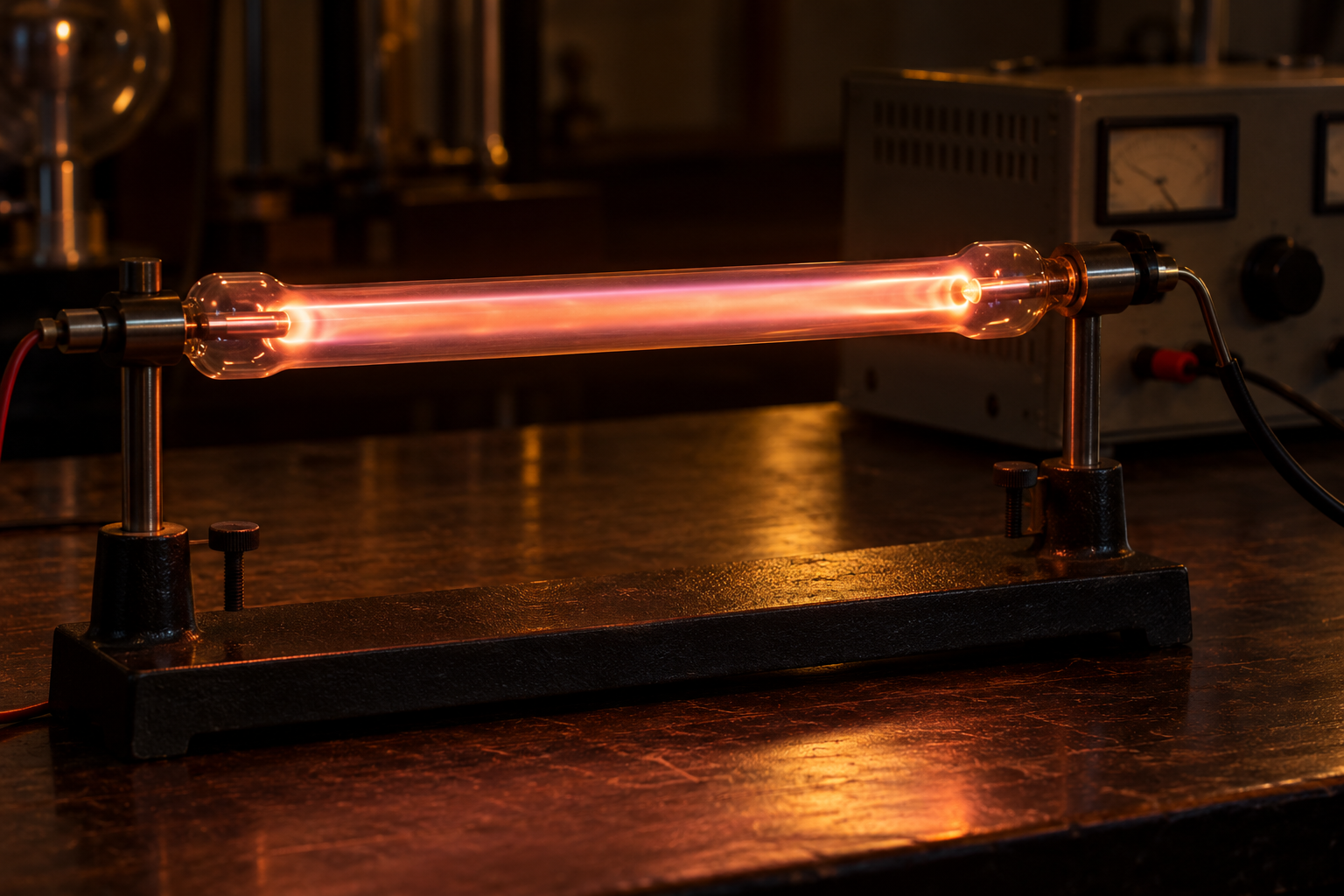
Trials of cold atmospheric plasma for wounds illustrate the range of approaches. A randomized trial of diabetic foot-ulcer wounds compared standard care plus plasma applications with standard care plus placebo treatment, and was described as patient-blinded [2]. Another trial of direct cold atmospheric plasma for venous leg ulcers was open-label, with treatment groups receiving plasma in addition to standard care [1]. These designs answer related questions under different conditions, but the open-label study cannot use participant masking to limit expectation effects.
Shams and outcomes each have limits
A sham can help distinguish the effect of the active device from the experience of receiving attention or undergoing a procedure. But a sham that feels obviously different may fail to keep participants unaware. A sham that imitates too much could itself produce a biological effect. Researchers must decide what aspect of the device should be reproduced and what outcome can be measured fairly.
Objective measurements, such as wound area recorded using a consistent method, can be less vulnerable to expectation than a self-reported symptom. Yet measurement choices still matter: assessors may know assignment, and procedures for tracing or judging healing can vary. In the diabetic foot-ulcer study, outcomes included wound size, infection, microbial load, and well-being [2]. A trial can reduce bias by masking assessors or standardizing images even when clinicians delivering treatment cannot be blinded.
Read the result with the design in view
Randomization helps balance groups on average, but it does not erase every source of bias or make a small study definitive. The diabetic foot-ulcer trial reported improved wound-area outcomes with plasma compared with placebo, while infection and microbial-load differences were not statistically significant [2]. The venous-ulcer trial reported numerically higher healing proportions in plasma groups, but between-group differences were not statistically significant; it was open-label and included 46 patients [1].
These studies concern cold atmospheric plasma wound treatment; that is not the same as argon plasma coagulation, which heats and coagulates tissue, or gas-plasma equipment sterilization. Nor do trial findings alone establish routine-care benefit. For diabetes-related foot ulcers, the 2023 IWGDF guideline recommends against other gases including CAP for healing, citing low-certainty, biased evidence. Blinding is one part of evidence quality. The reader also needs to consider the comparison, sample, outcome, uncertainty, and clinical guidance. [3]
Sources & further reading
- Direct Cold Atmospheric Plasma for Venous Leg Ulcers: Randomized Trial Smits et al., Advances in Wound Care (2024)
- Cold Atmospheric Plasma for Diabetic Foot Ulcers: Randomized Trial Stratmann et al., JAMA Network Open (2020)
- Guidelines on Interventions to Enhance Healing of Foot Ulcers: 2023 Update International Working Group on the Diabetic Foot
Prepared for the independent PSI Center reading library. About edition dates and source checking.
This explainer describes scientific principles. It does not assess individual treatment choices.