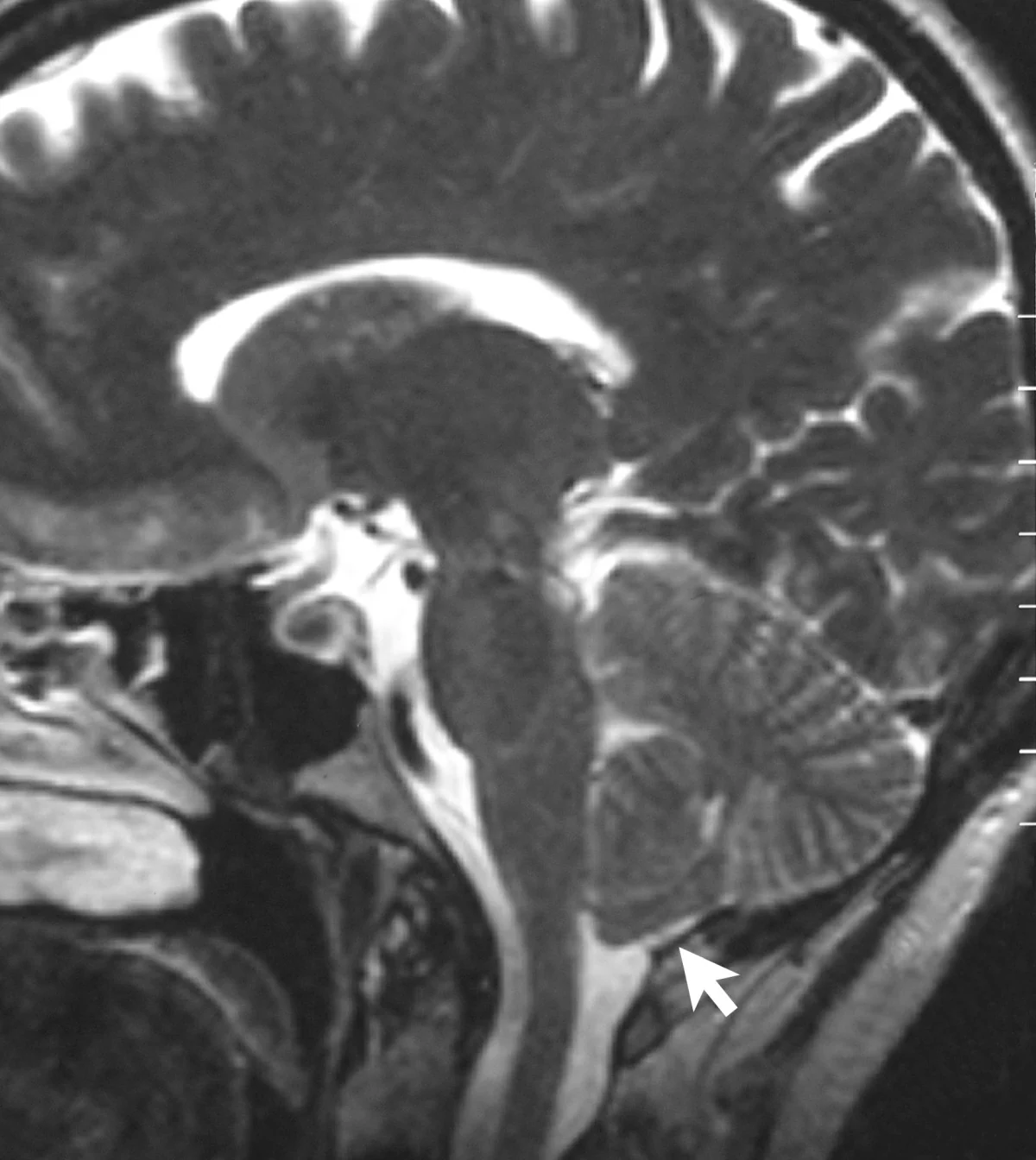
An image can look crisp yet conceal nearby structures. Resolution depends on more than pixel count: the imaging method, contrast, motion, and reconstruction all shape whether a feature can be distinguished.
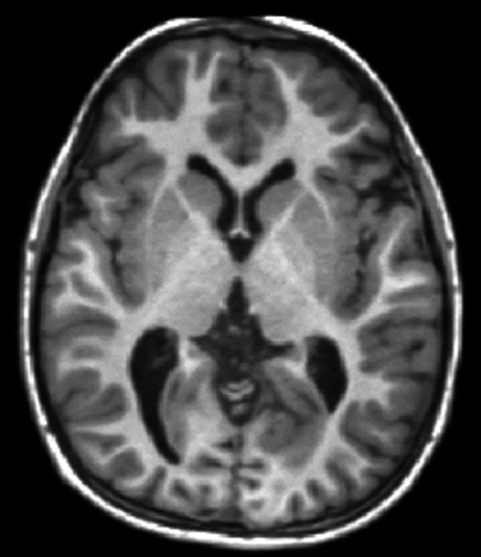
Functional MRI maps changes linked to brain activity by measuring a blood oxygenation signal. Understanding the chain from neural demand to magnetic resonance helps clarify both what these maps show and what they leave uncertain.
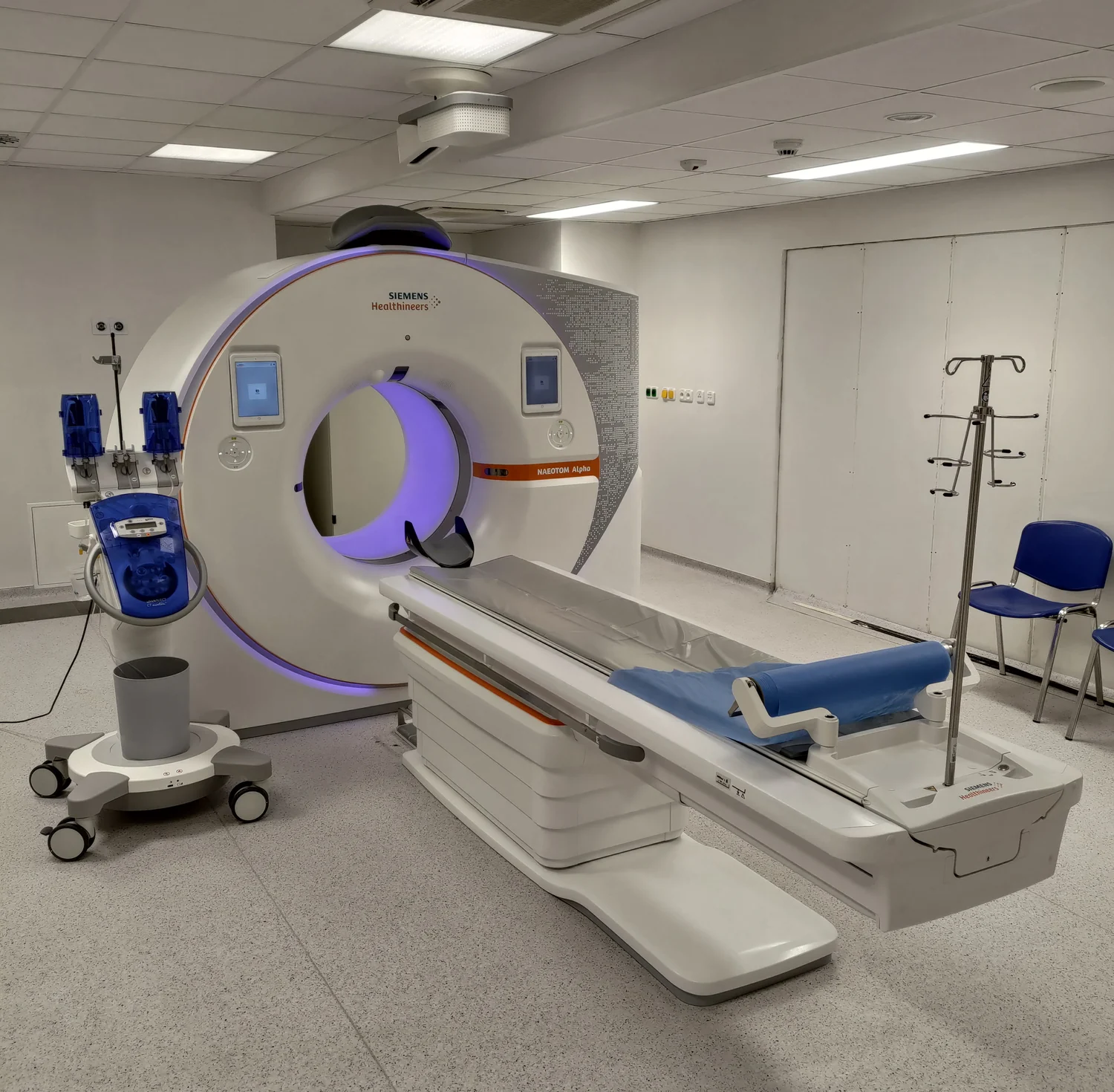
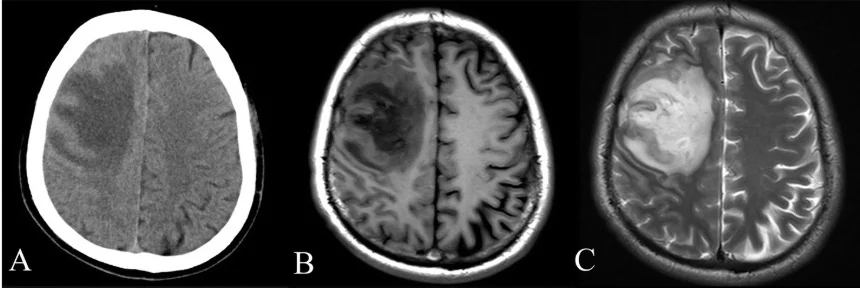
CT and MRI create images through different physical interactions. The right comparison begins with the body structure of interest, the information needed, and the tradeoffs of each method.
A medical image records patterns inside the body; a diagnosis interprets those patterns alongside symptoms, history, and examination. Understanding that distinction clarifies how clinicians and AI use scans.
Medical images emerge from measurements, reconstruction, and modeling. Grain, blur, and variation can reflect limited data or processing choices as well as hardware, so judging an image means understanding the whole chain.