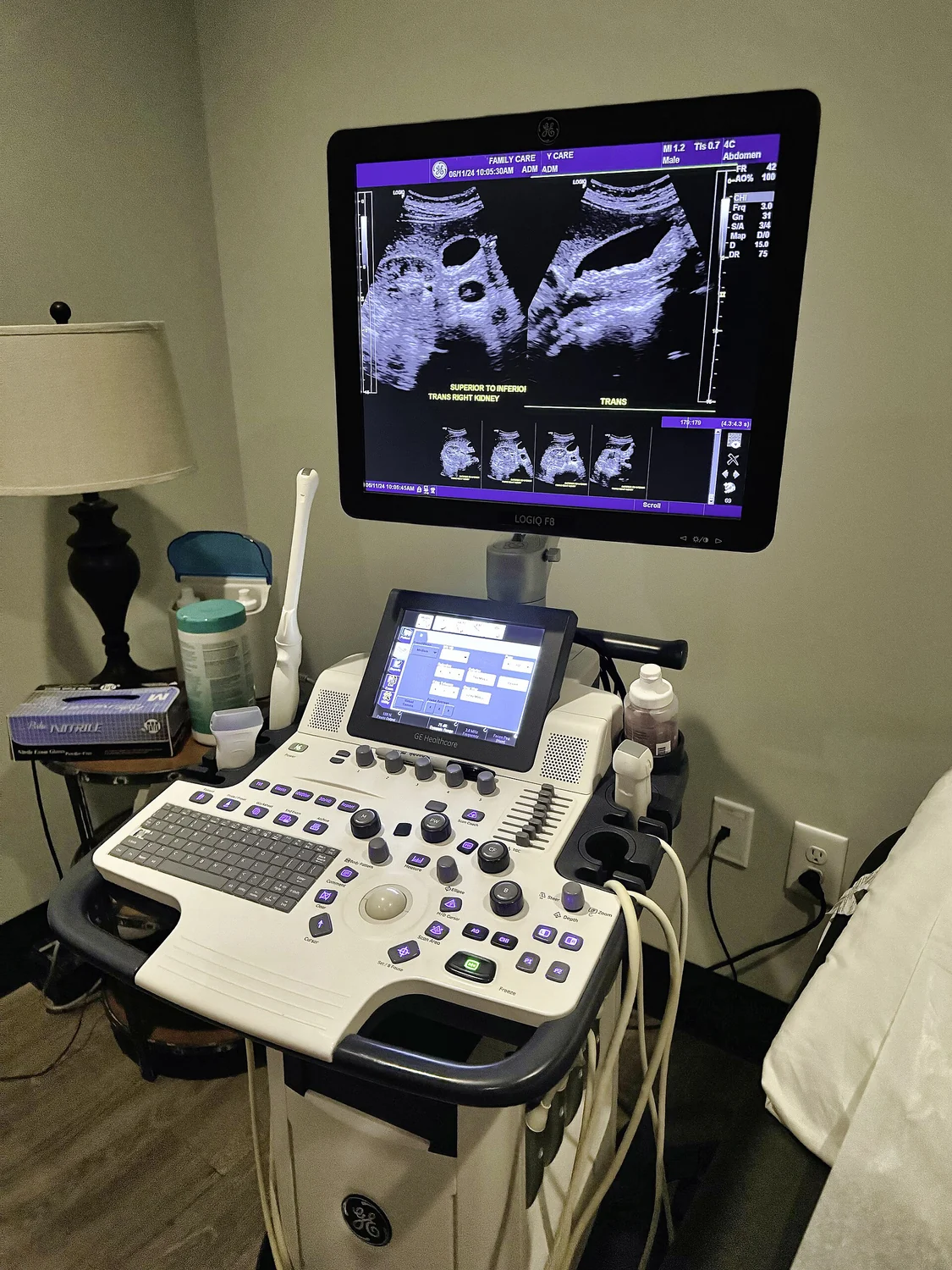
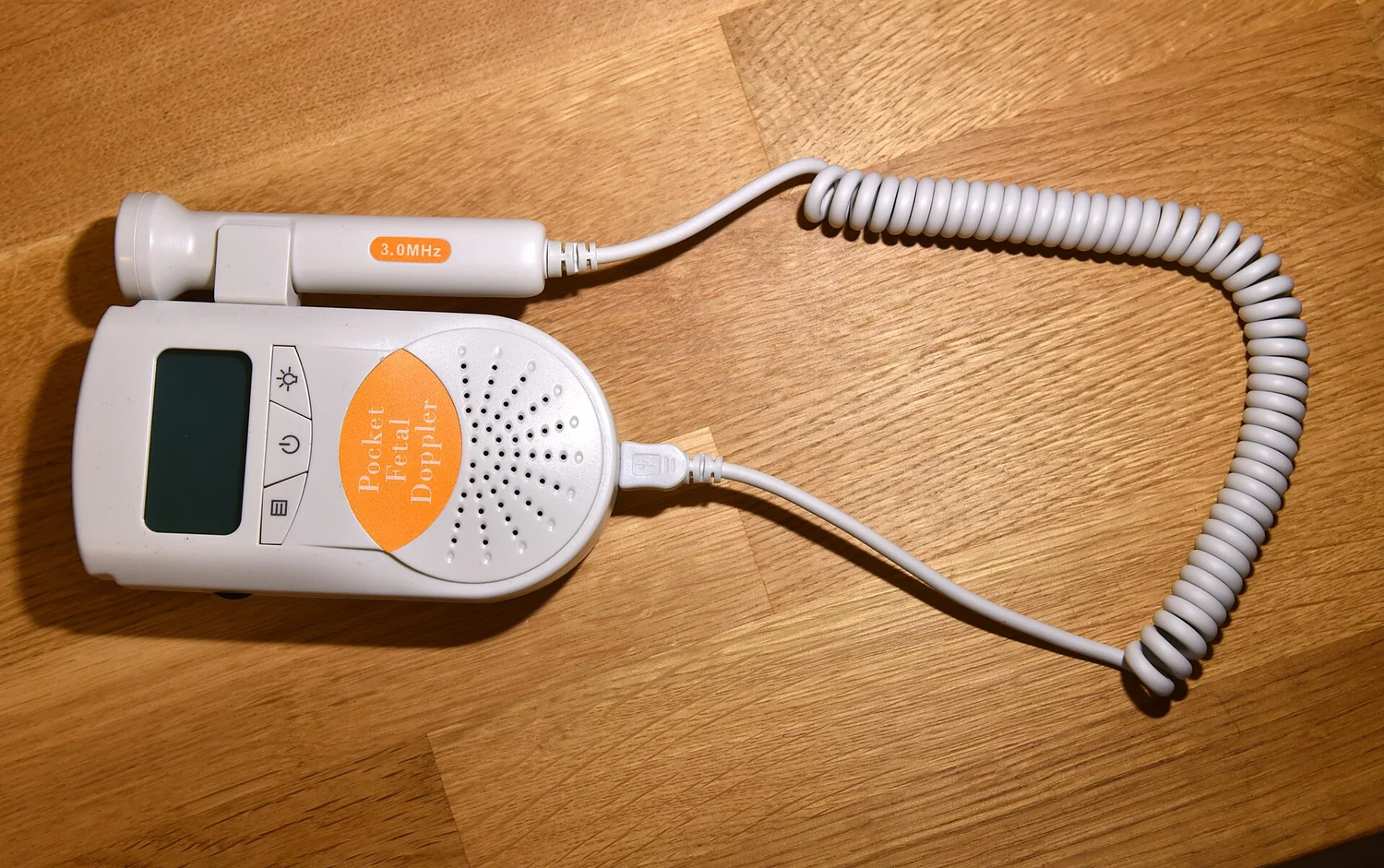
Both technologies use acoustic waves, but an ultrasonic cleaner applies energy to remove soil from objects while diagnostic ultrasound records echoes from inside the body. Their purposes, operating conditions, and safety questions are different.
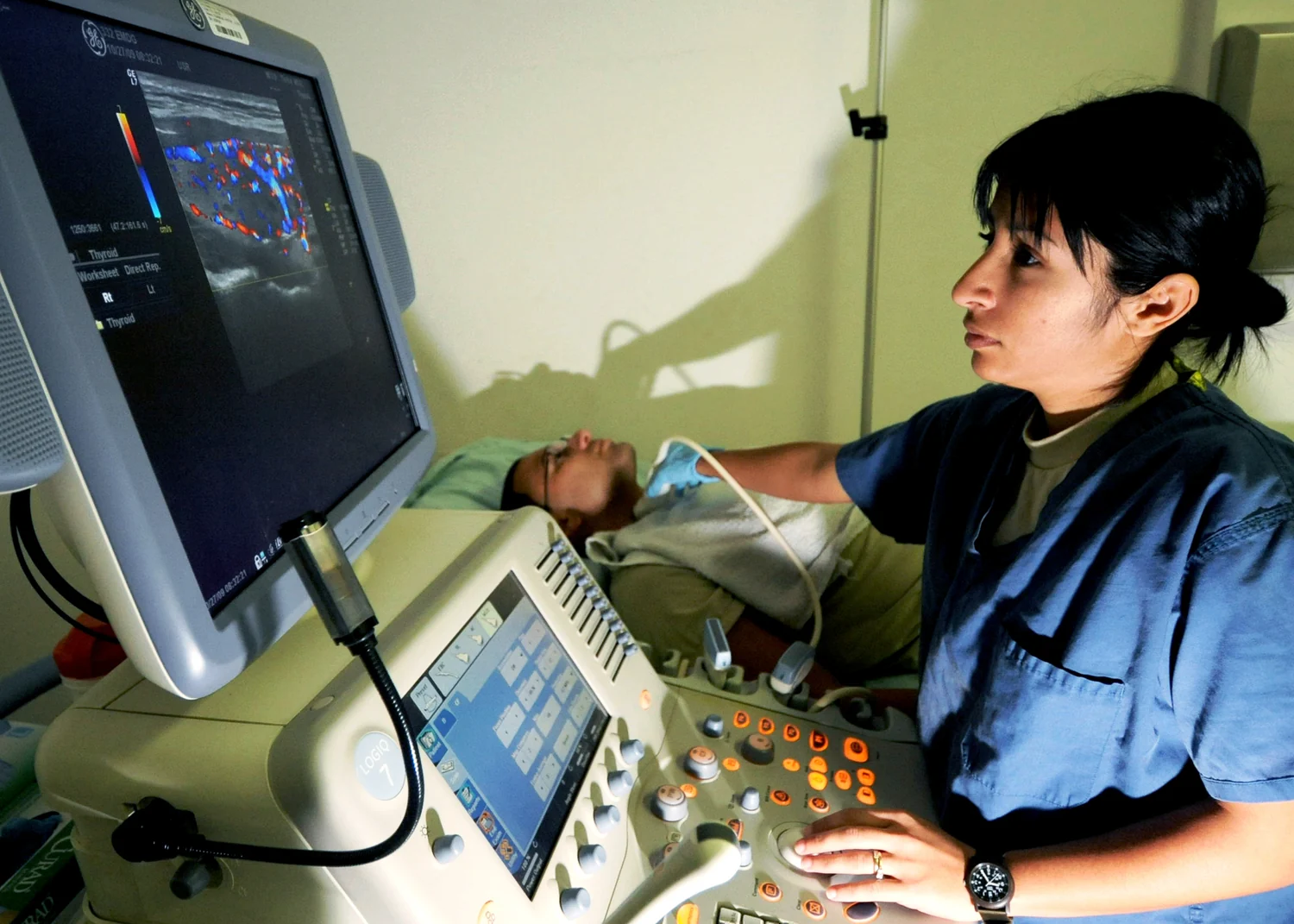
Color Doppler turns small frequency shifts in returning sound into a visual account of blood movement. Reading the map means understanding both what the colors encode and what they leave out.
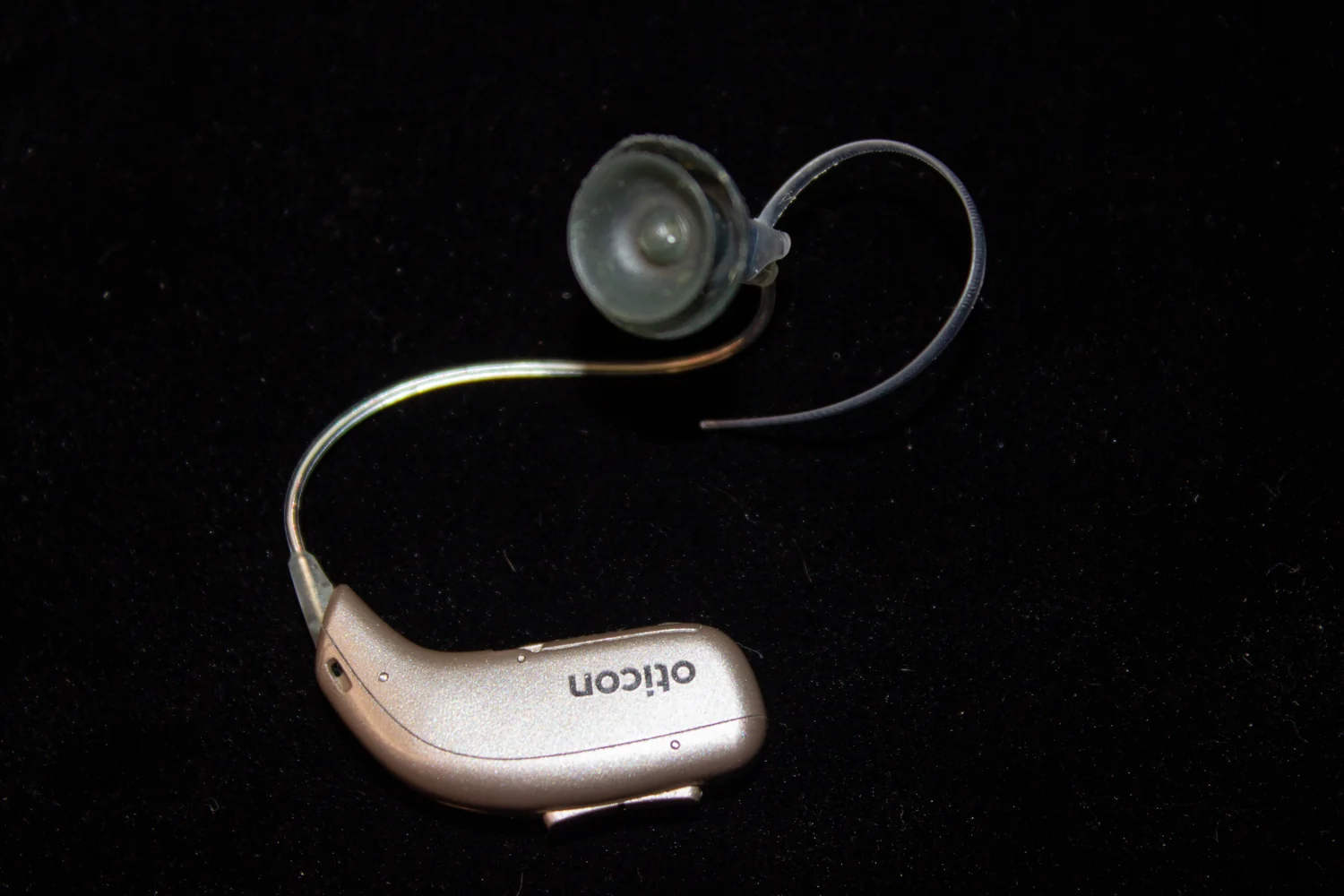
A hearing aid changes sound before it reaches the inner ear, where surviving sensory cells still have to convert vibration into neural signals. Digital processing can shape amplification, but it cannot restore damaged hearing to normal.
Ultrasonic cleaners use pressure waves to make tiny bubbles grow and collapse near instrument surfaces. Their motion helps loosen debris, while cleaning still depends on contact, fluid flow, and later disinfection or sterilization.
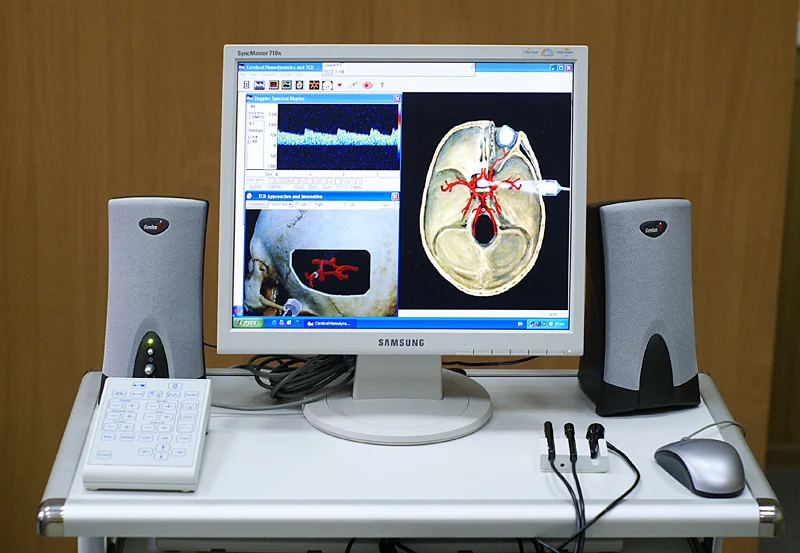
Doppler ultrasound estimates blood motion from changes in returning sound waves. Because the probe measures only motion projected along its beam, the angle between beam and flow shapes the reading and its interpretation.