How can a sound wave break a kidney stone without making an incision? Shock-wave lithotripsy sends pulses of acoustic energy through the body and focuses them on a stone. The goal is to crack the hard deposit into smaller fragments that can pass through the urinary tract. The physics is striking, but the method is only one option among treatments chosen for the stone and situation.
Sound carries energy through tissue
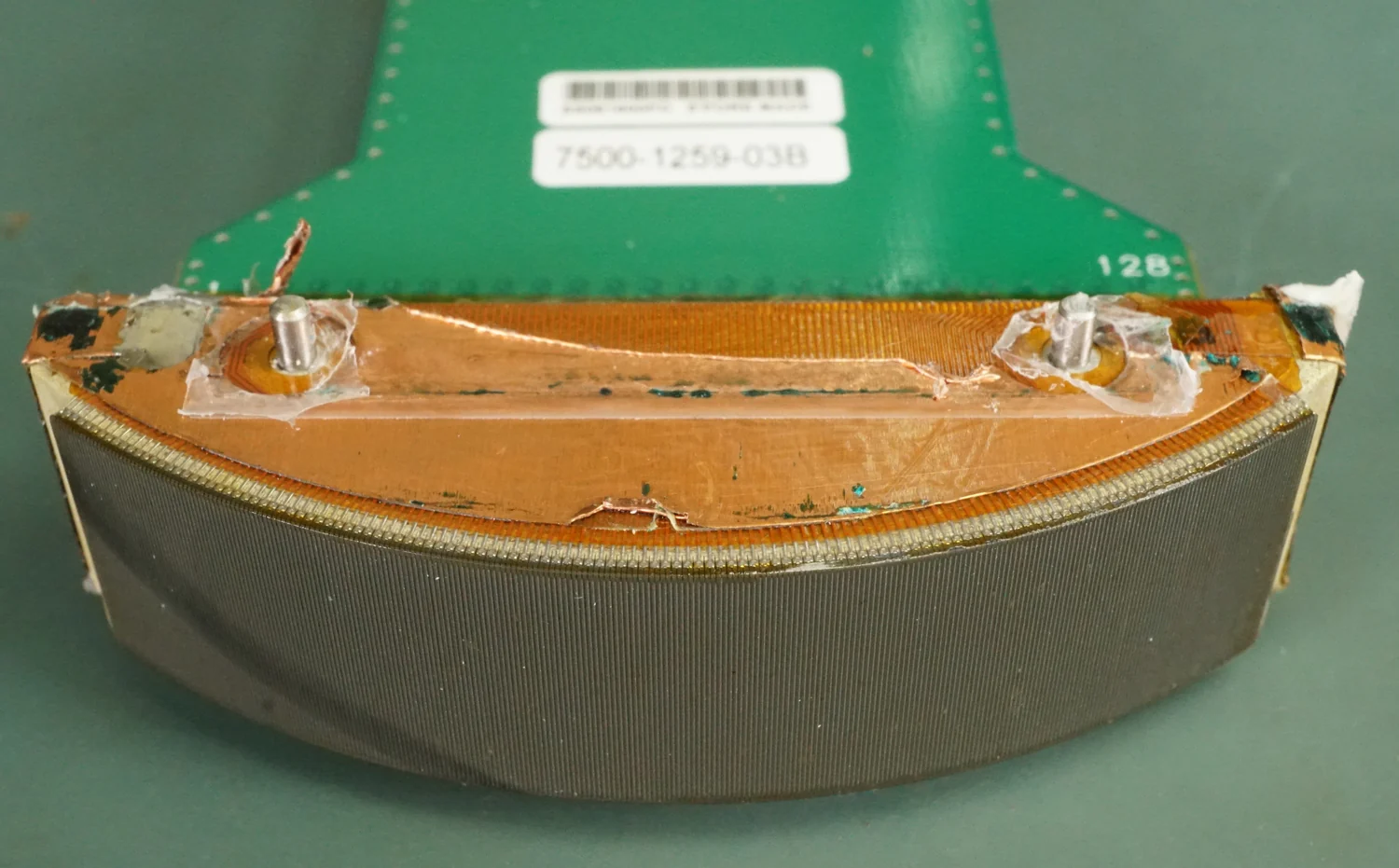
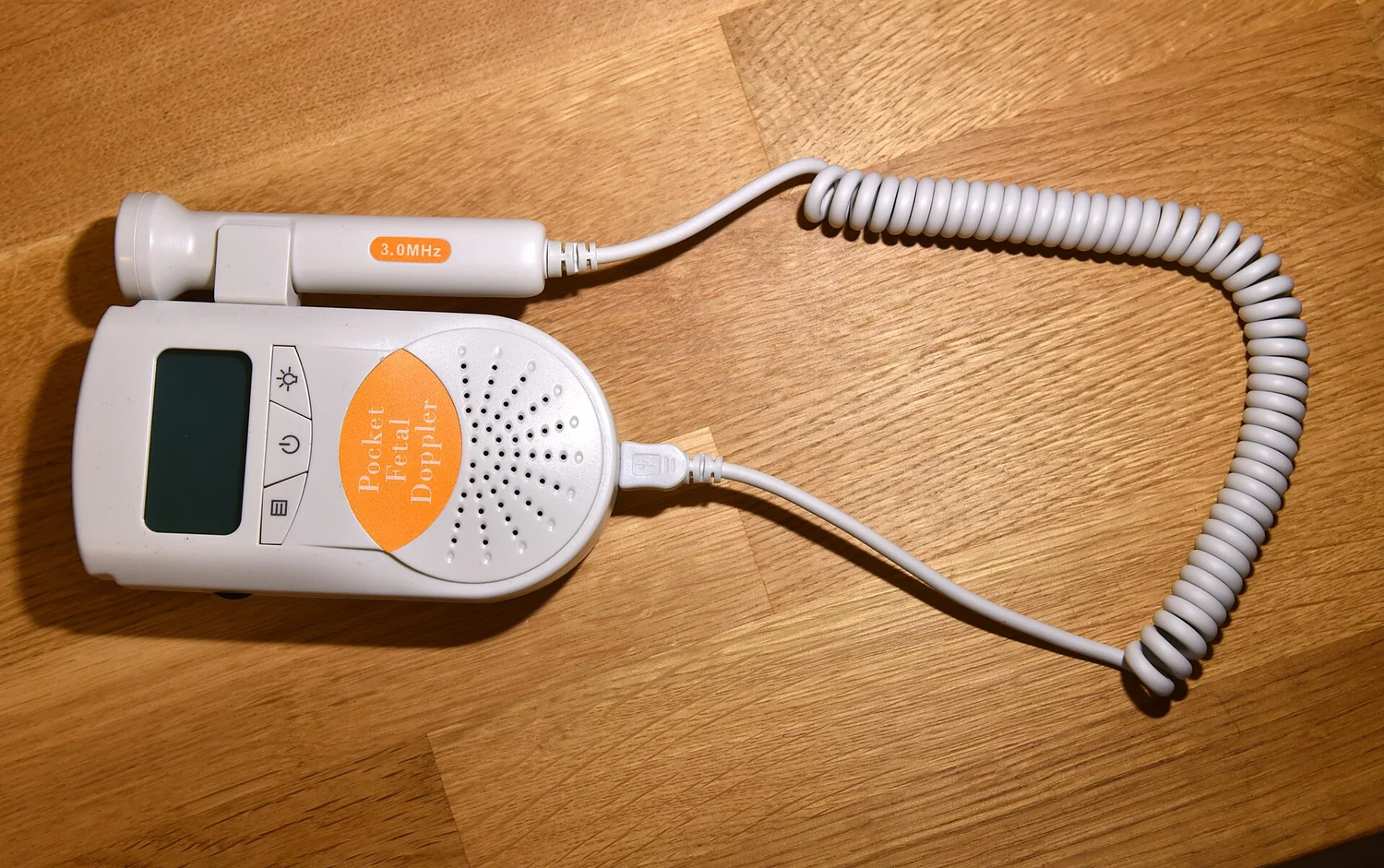
Sound is a mechanical wave: it travels through material as regions of pressure and motion. Ultrasound uses sound frequencies above human hearing, and transducers can emit waves and detect echoes [2]. Lithotripsy uses shock waves, which are brief pressure pulses with a sharp rise in pressure, directed toward a kidney stone.
A focused pulse concentrates energy in a small region. When repeated pulses reach the stone, stresses can create cracks and break it into fragments. The surrounding body is not perfectly transparent to sound, so the route through tissue and the stone’s properties matter. Lithotripsy is a therapeutic use of acoustic energy, distinct from diagnostic ultrasound, whose main task is to make images.
From one stone to fragments
The kidney filters waste into urine, which flows through narrow passages toward the bladder. A stone is a solid mineral deposit that can obstruct this route or cause pain. Breaking a stone into smaller pieces can make passage possible, but fragments still have to travel through the urinary tract; the procedure does not simply make the material vanish.
NIDDK describes shock-wave lithotripsy as a treatment in which a doctor blasts a kidney stone into small pieces, which then pass through the urinary tract [1]. The procedure can be performed with anesthesia. In contrast, ureteroscopy uses a slender scope passed through the urinary tract to locate and remove or break a stone, while percutaneous nephrolithotomy reaches the kidney through a small cut in the back [1].
Stone details guide the choice
Kidney stones vary in size, location, and composition. Those details, along with whether a stone blocks urine or causes severe pain, help health professionals choose how to treat it [1]. A small stone may pass without a procedure; a larger or obstructing stone may need urgent treatment. Lithotripsy is therefore not an automatic answer for every stone.
A practical mental picture is a pebble lodged in a branching stream. Crumbling it may help water carry the pieces onward, but a large fragment can still lodge in a narrow section. The path, fragment size, and flow all matter. Likewise, whether breaking a stone is suitable depends on its circumstances, and clinicians may select a different approach when access or removal is preferable.
Imaging and energy have different jobs
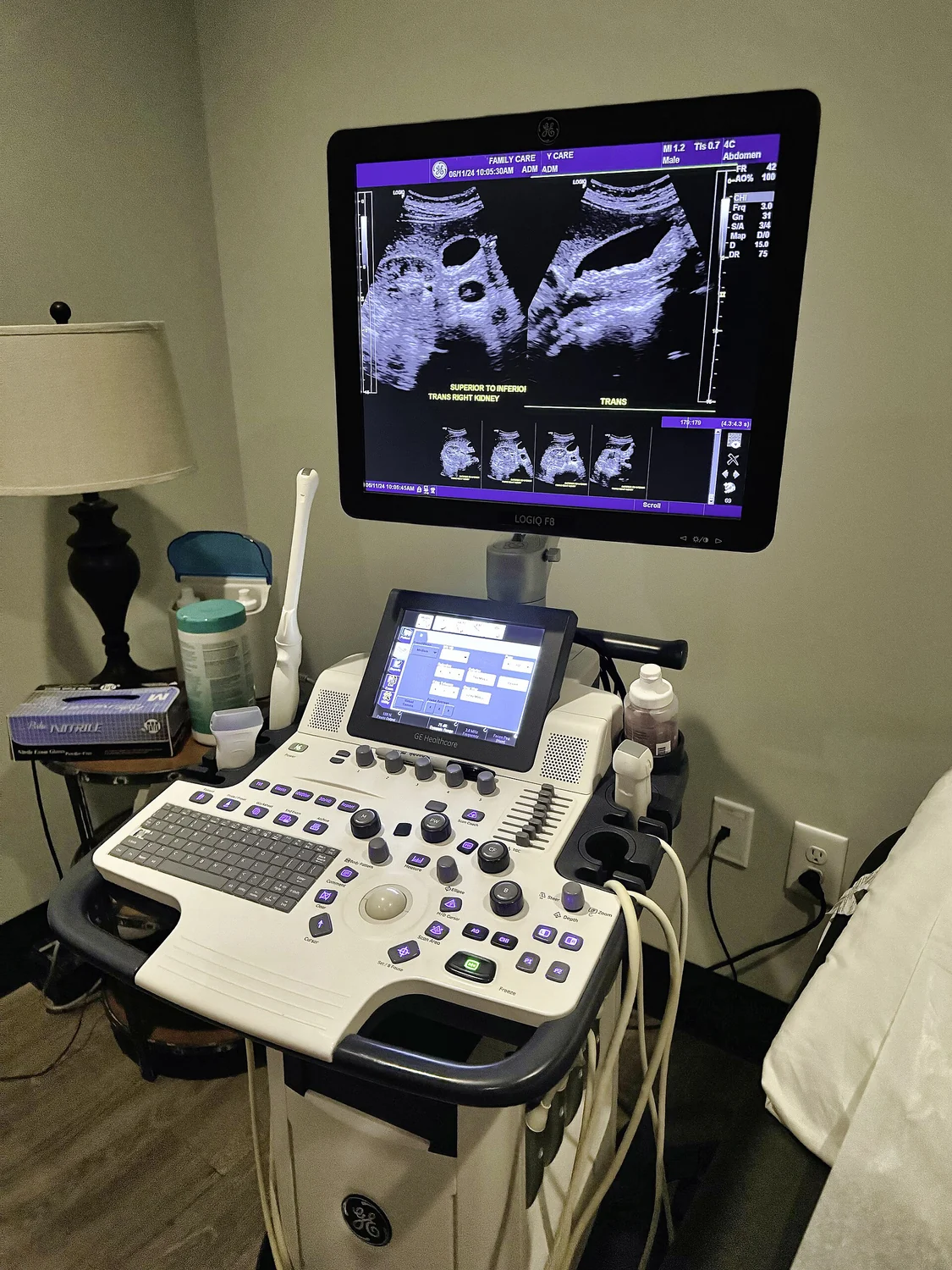
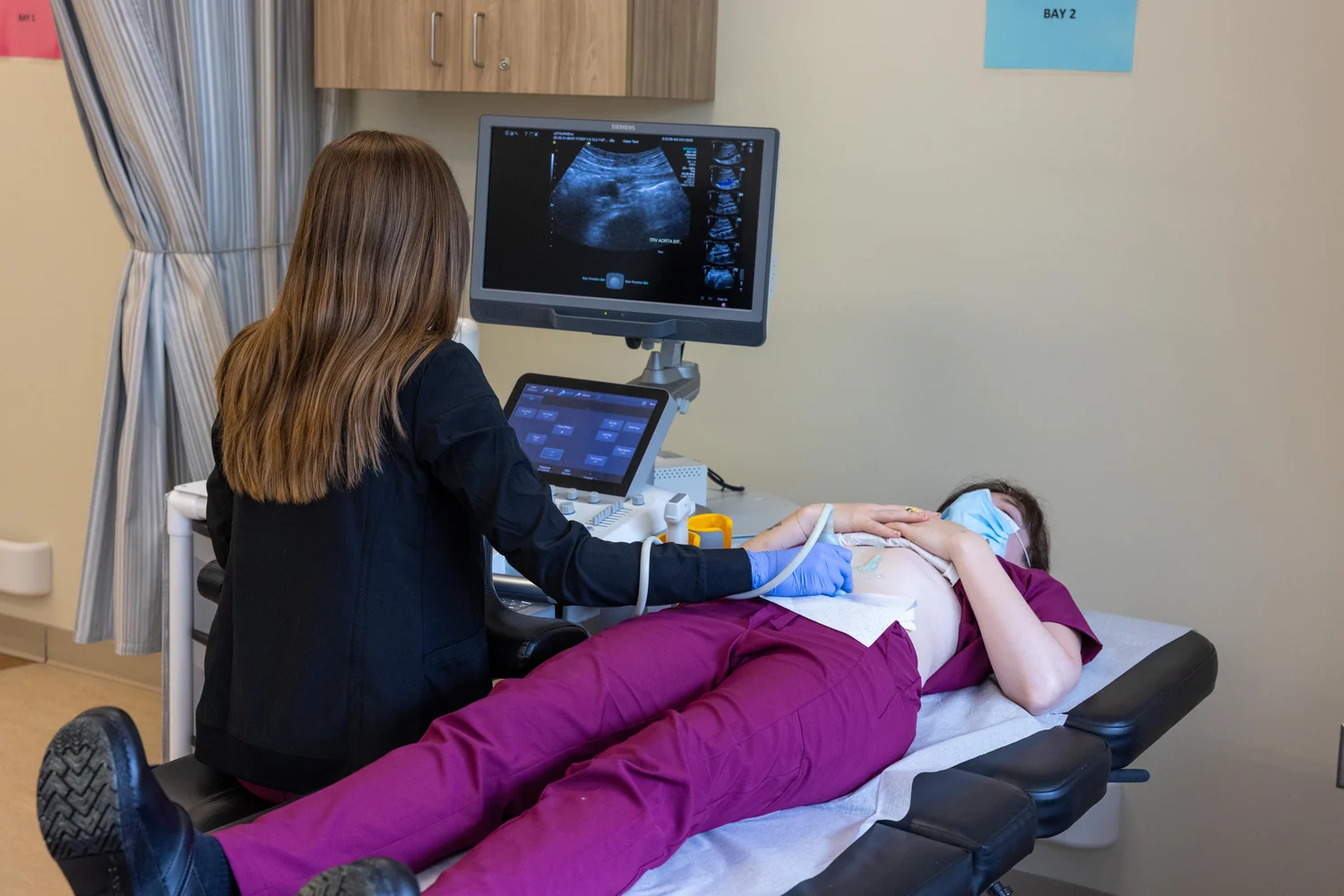
Diagnostic ultrasound forms images by sending sound into the body and timing returning echoes from tissue boundaries [2]. Therapeutic ultrasound can instead deliver higher acoustic output to modify or destroy tissue. Lithotripsy’s shock waves are another therapeutic acoustic application, aimed at fragmentation rather than at producing a diagnostic picture.
The broader lesson is that “sound treatment” does not name one mechanism or purpose. Imaging uses echo patterns to infer structure; lithotripsy uses focused mechanical stress to crack a stone. Following treatment, a clinician may assess whether fragments have passed and consider the stone’s composition when thinking about future prevention. NIDDK notes that analysis of a removed or passed stone can help identify its type [1].
Sources & further reading
- Treatment for Kidney Stones NIDDK
- Ultrasound NIBIB
Prepared for the independent PSI Center reading library. About edition dates and source checking.
This explainer describes scientific principles. It does not assess individual treatment choices.