What good is a strong scaffold if cells inside it cannot exchange materials with their surroundings? In tissue engineering, a scaffold is a framework intended to support cells as tissue forms or repairs. Its mechanical strength matters, but so do its pores, chemistry, and pathways for movement. Looking at a dialysis filter makes the transport problem concrete: a material can hold shape while still allowing selected substances to cross a boundary.
Strength supports shape, but cells need a neighborhood
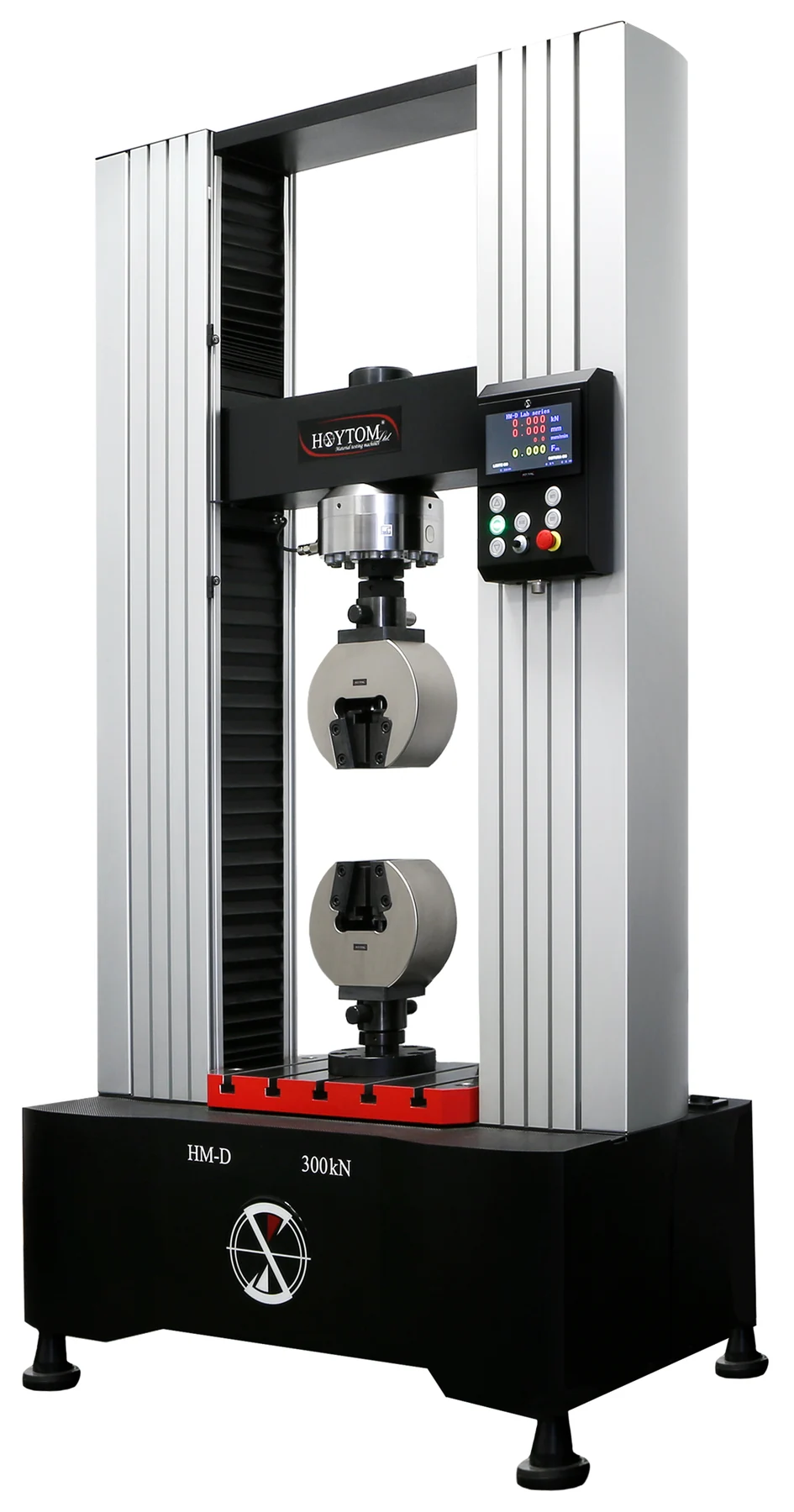
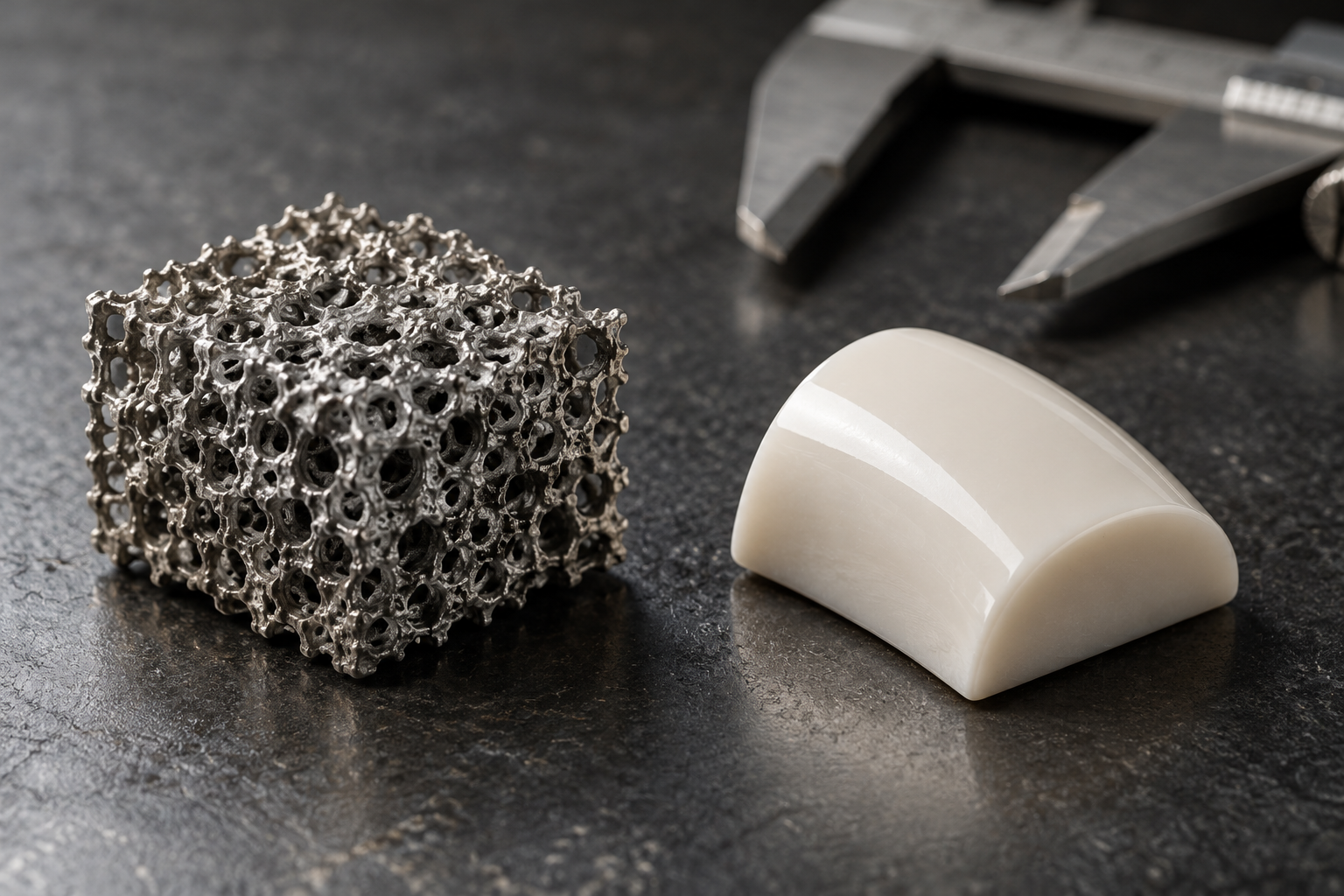
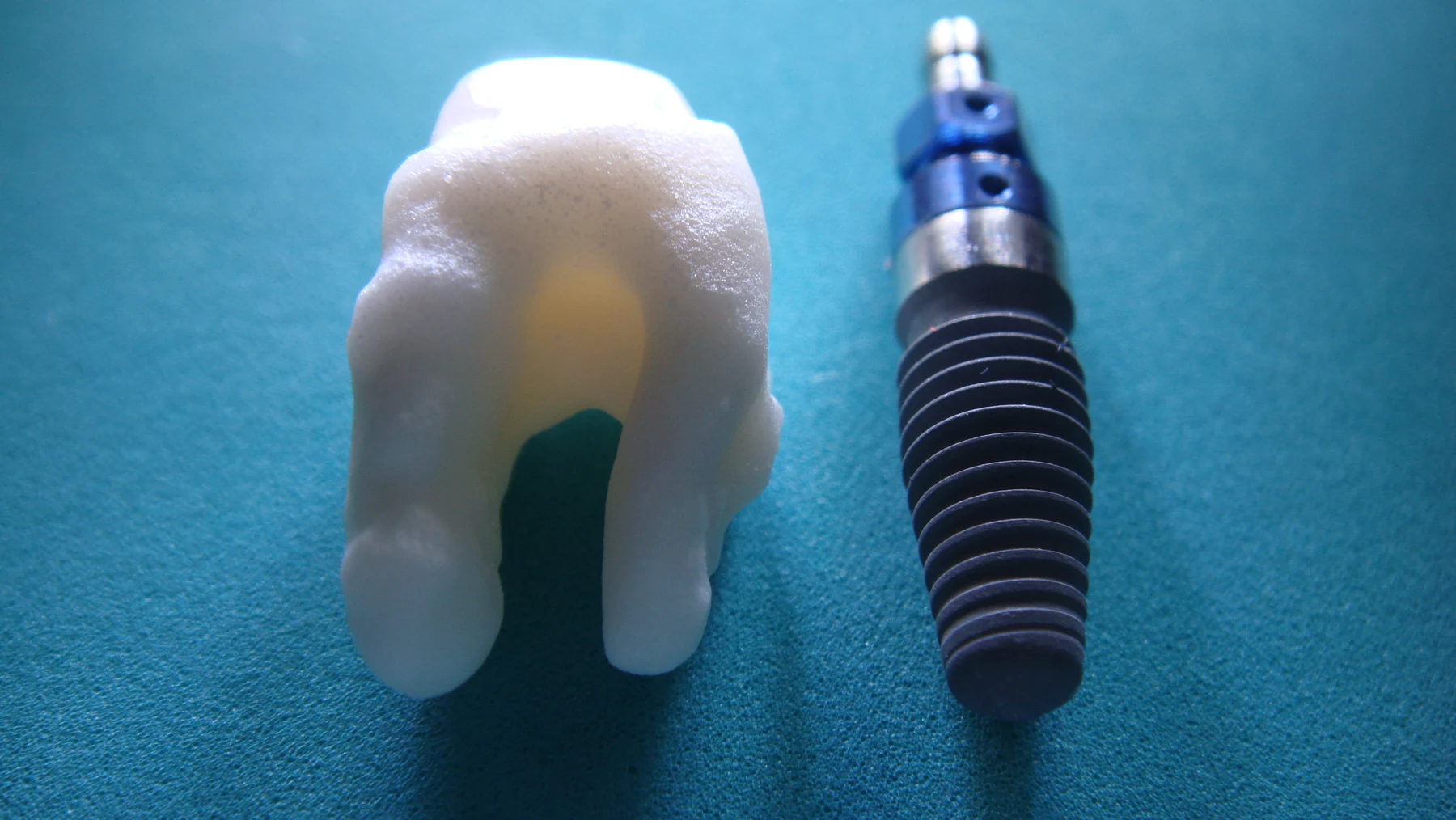
Biomaterial scaffolds can provide a structural framework intended to restore, maintain, or improve damaged tissues. Materials may be natural or synthetic, including polymers, metals, and ceramics, and are shaped into forms such as fibers, foams, films, and porous structures [1]. The right mechanical properties depend on the job: a load-bearing joint replacement faces repeated forces, while a soft tissue scaffold must interact with more delicate surroundings.
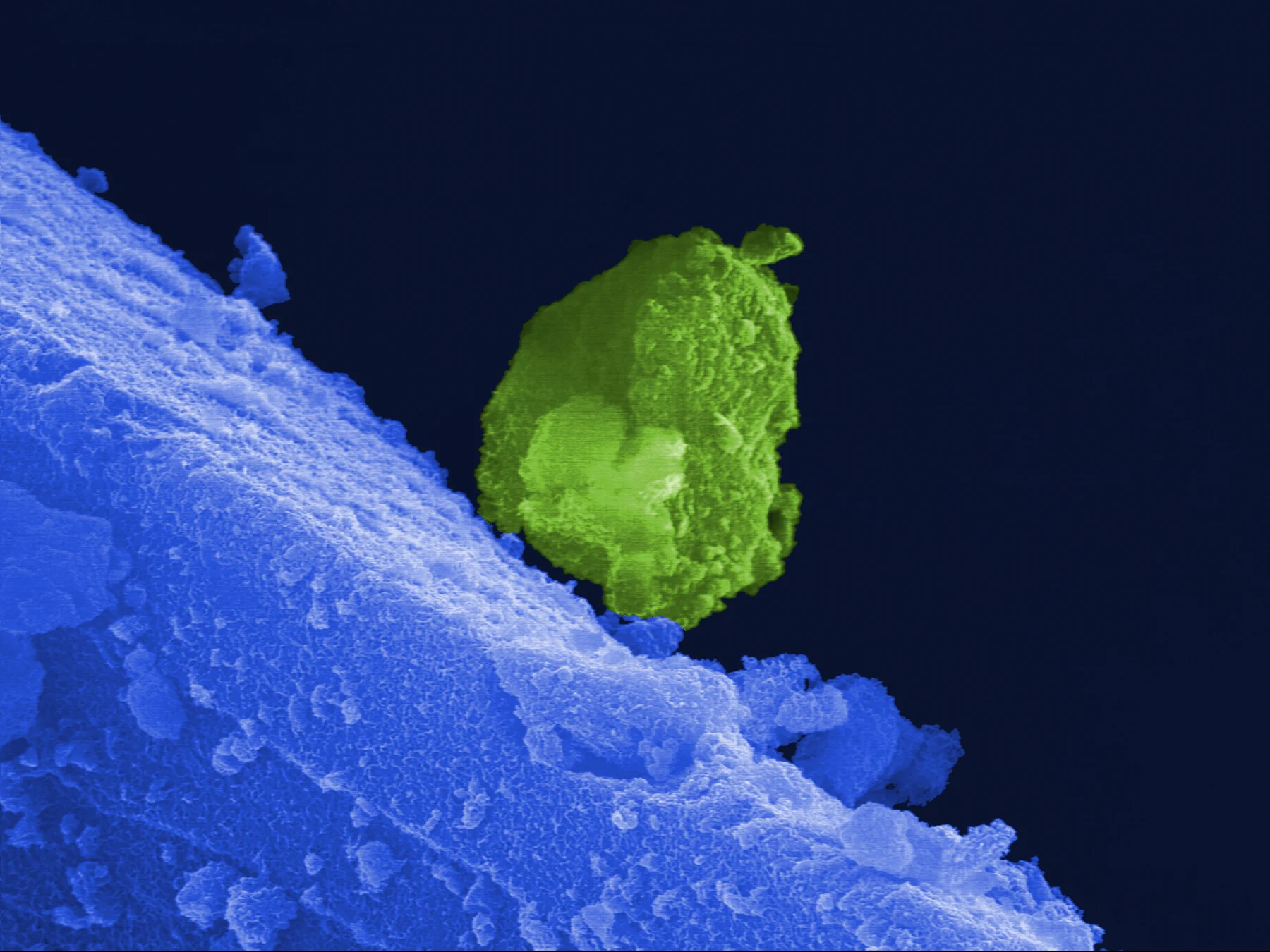
Cells do not simply need a place to sit. They respond to stiffness, surface chemistry, and the structure around them. The body’s extracellular matrix, or ECM, is the network of proteins and molecules surrounding cells. Materials that mimic aspects of this native scaffold can provide signals that encourage tissue integration, while a foreign body response may instead lead to degradation or scar tissue that interferes with device function [1].
Transport is movement through a material
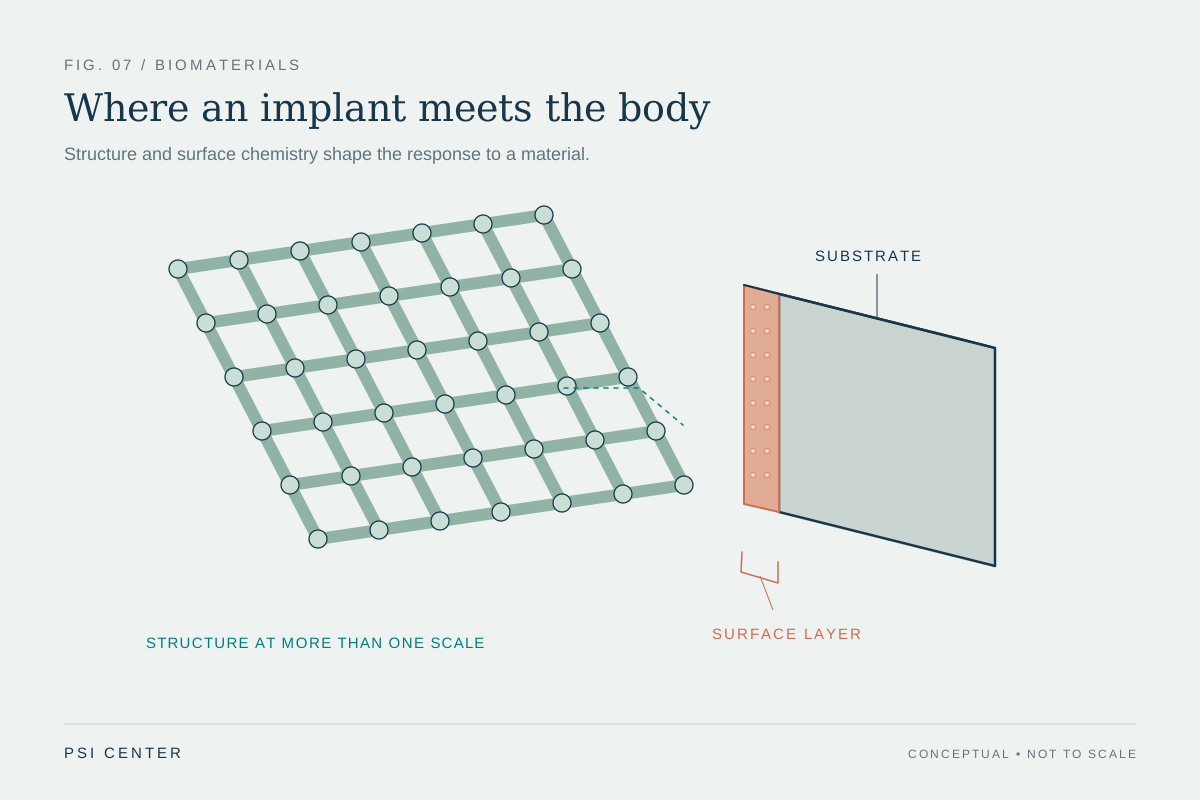
A scaffold’s architecture can influence how nutrients and signaling molecules reach cells and how waste products leave. Pores and connected pathways matter because a cell embedded deep in a dense material may not experience the same environment as one near the surface. This does not mean that one pore size or material automatically works for all tissues. The needed balance between shape retention, flexibility, and transport depends on the tissue and intended use.
A dialysis filter offers a useful comparison, although it serves a different purpose from a tissue scaffold. In hemodialysis, blood flows inside many thin hollow fibers while dialysis solution moves along the outside. Wastes pass from blood into the solution, while filtered blood stays within the fibers and returns to the body [2]. The filter’s boundary permits some movement while keeping the blood stream contained. It makes visible a general design question: what can pass, in which direction, and at what rate?
The material interface affects what crosses
In dialysis, the solution is selected and adjusted to help remove wastes, extra salt, and fluid; the filter and fluid together make the process work [2]. In a tissue scaffold, movement is not simply filtration. Cells may attach, grow, and remodel their surroundings; the material can also be designed to release a therapeutic in a controlled way or respond to biological cues such as acidity or heat [1]. The goal is to coordinate physical structure with biological interaction.
That interface can influence immune response as well. Biomaterials may be designed to reduce a chronic foreign body reaction, for example by using biologically inert materials or biodegradable materials that break down before chronic response becomes a problem. Other designs imitate native ECM features to encourage tissue integration. These strategies are design approaches, not a guarantee that every material will be accepted or that every scaffold has been proven in clinical care [1].
Trade-offs are tested in context
A material optimized for strength can be too rigid for a soft tissue; a highly porous structure may help exchange but fail under mechanical load. Engineers therefore study coupled properties: stiffness, geometry, chemical composition, degradation, and transport. A reported biodegradable piezoelectric film, for example, produced electrical current when subjected to pressure and was studied in a rabbit osteoarthritis model alongside daily exercise. Such an animal model is research, not proof of clinical benefit in people [1].
The dialysis analogy also shows why performance must be judged against a specific task. A dialyzer is designed to remove selected substances from flowing blood, while a scaffold aims to support a living tissue environment. Neither device can be assessed by strength or permeability alone. The central question is whether material structure supports the needed movement and function under relevant conditions. Biomaterials open possibilities, but each application requires evidence that its design works for its intended tissue or treatment [2] [1].
Explore the physics: an explanatory diagram
Sources & further reading
- Biomaterial Technologies NIBIB
- Hemodialysis NIDDK
Prepared for the independent PSI Center reading library. About edition dates and source checking.
This explainer describes scientific principles. It does not assess individual treatment choices.