Why can a small beam of light pose a serious risk to an eye? The answer begins with the eye’s own optics: its clear front surface and lens gather incoming light and focus it onto a compact patch of retina. A laser adds direction and concentration to that arrangement. The danger is not that every beam causes injury, but that focused energy can reach delicate tissue before the eye can protect itself.
The eye is built to gather light
Light entering the eye first meets the cornea, the clear curved surface at the front. The cornea bends the light; the lens then helps focus it on the retina, a light-sensitive layer at the back. Photoreceptor cells in the retina convert light into electrical signals that travel through the optic nerve to the brain, where they become vision [2].
A useful mental experiment is to picture sunlight passing through a magnifying glass. The glass gathers light from a broad area and concentrates it into a smaller bright spot. The eye does something similar by design, making faint scenes visible. That same concentrating function means that energy entering through the pupil can be delivered to a small area of retinal tissue.
A laser keeps its light organized
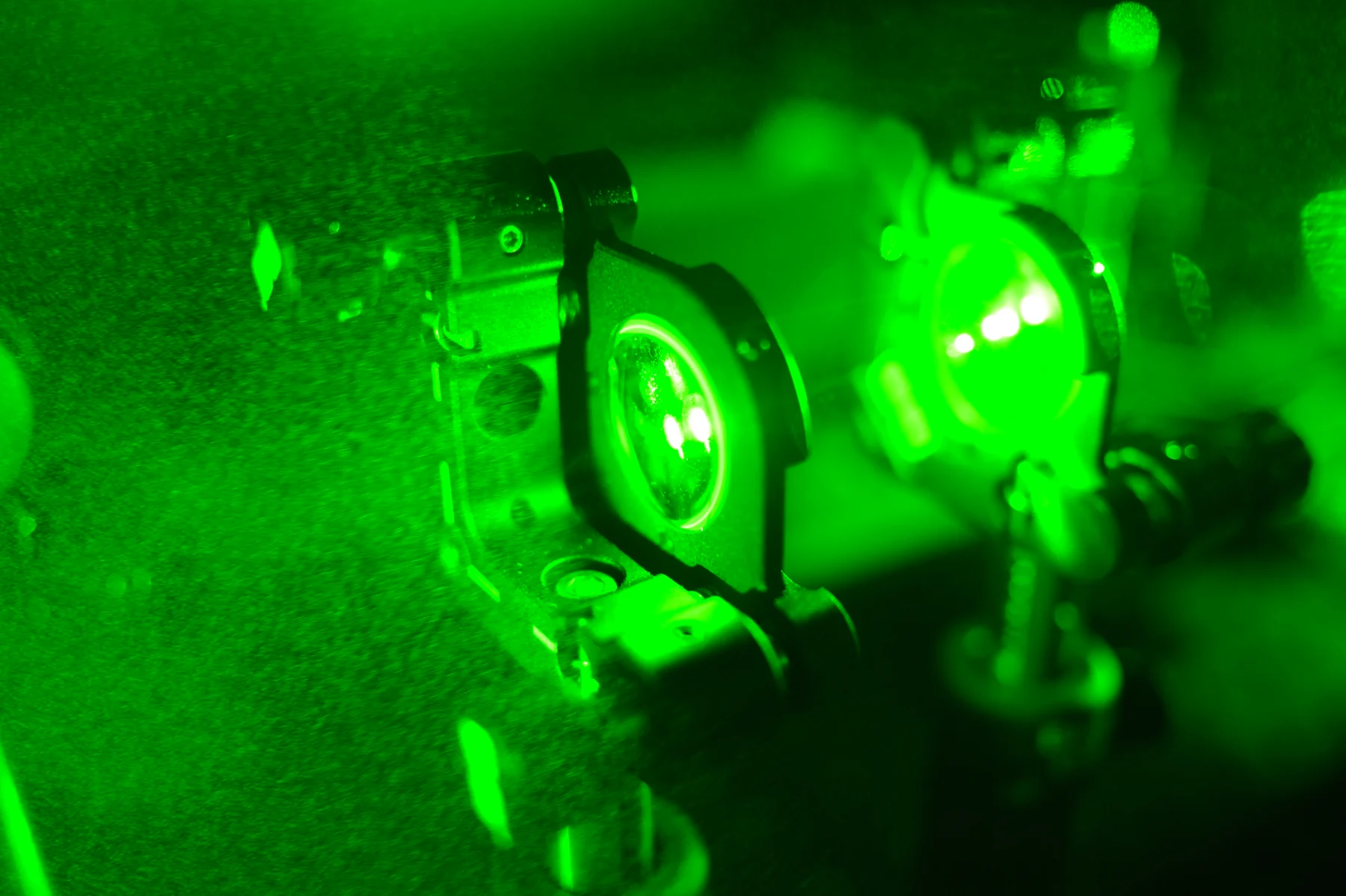
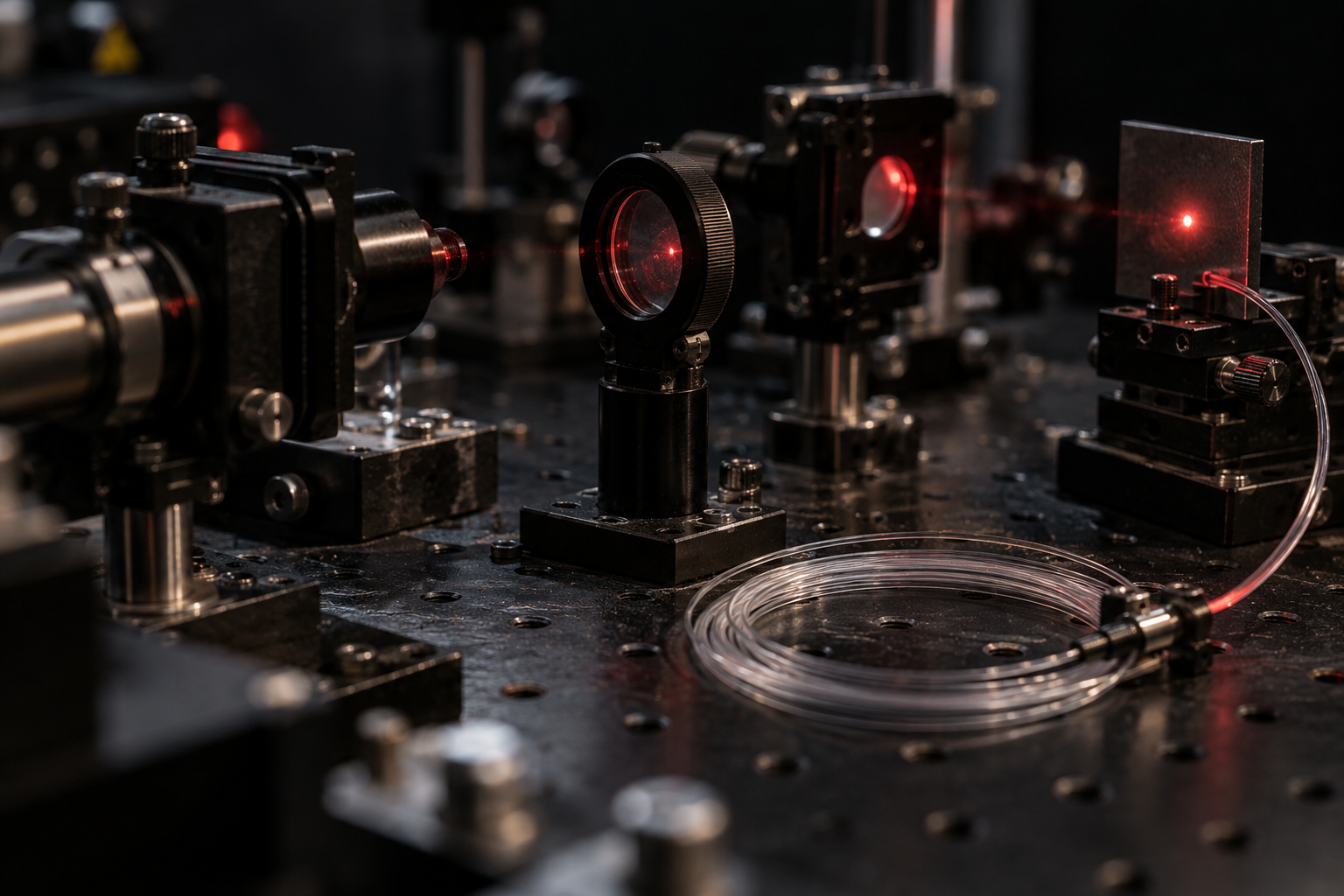
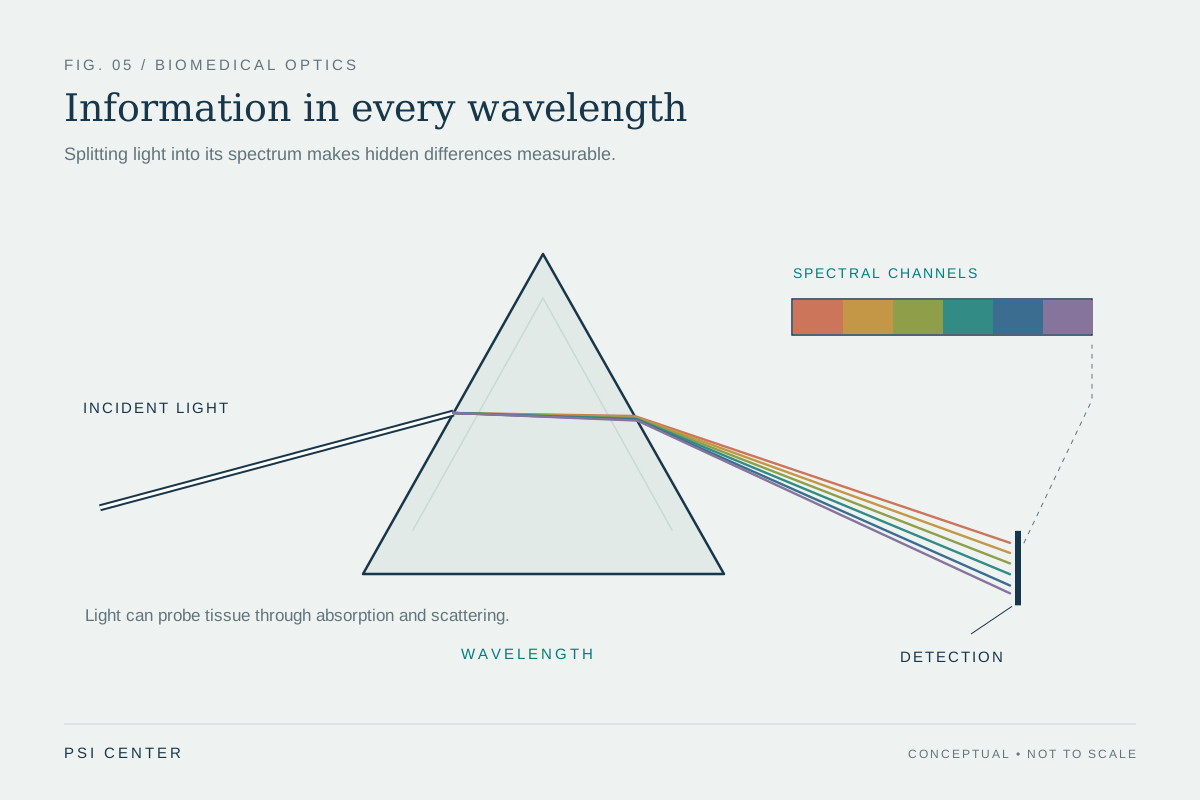
Ordinary visible sources emit many wavelengths and send light in many directions. A laser amplifies a specific wavelength into a narrow, directed beam. Since its energy is concentrated into a small area, the beam can remain intense even some distance from its source [1].
The beam’s wavelength matters because laser products may emit visible light or invisible ultraviolet or infrared radiation. A person may not see every hazardous beam, and brightness alone is not a dependable measure of risk. An LED and a laser diode are also different kinds of sources; the FDA notes that LEDs are not subject to the federal laser product performance standard [1].
Exposure depends on more than distance
A beam that spreads broadly distributes its energy over a larger area. A narrow laser beam can deliver more concentrated energy to a surface it reaches. The eye’s focusing optics then add another concentration step: light entering the pupil is directed toward the retina. Direct viewing is therefore a different exposure from light scattered around a room, though reflected beams can still matter for sufficiently hazardous products.
Risk classifications help describe this range. The FDA recognizes four principal hazard classes, with subclasses, and generally higher classes carry greater potential for serious injury if used improperly. Some lower-class products become more hazardous when viewed for long periods or with optical aids such as binoculars; higher-class products can present immediate eye hazards from direct viewing, and the highest class also poses hazards from reflected beams [1].
Controls work as a system
Labels communicate a product’s class and output power for many classes, while engineering controls and safety standards help manage exposure. These measures are not a license to point a beam toward a person: the FDA cautions that controls cannot be fully effective if lasers are used improperly [1]. Protection therefore depends on the device, the setting, and the way people handle it.
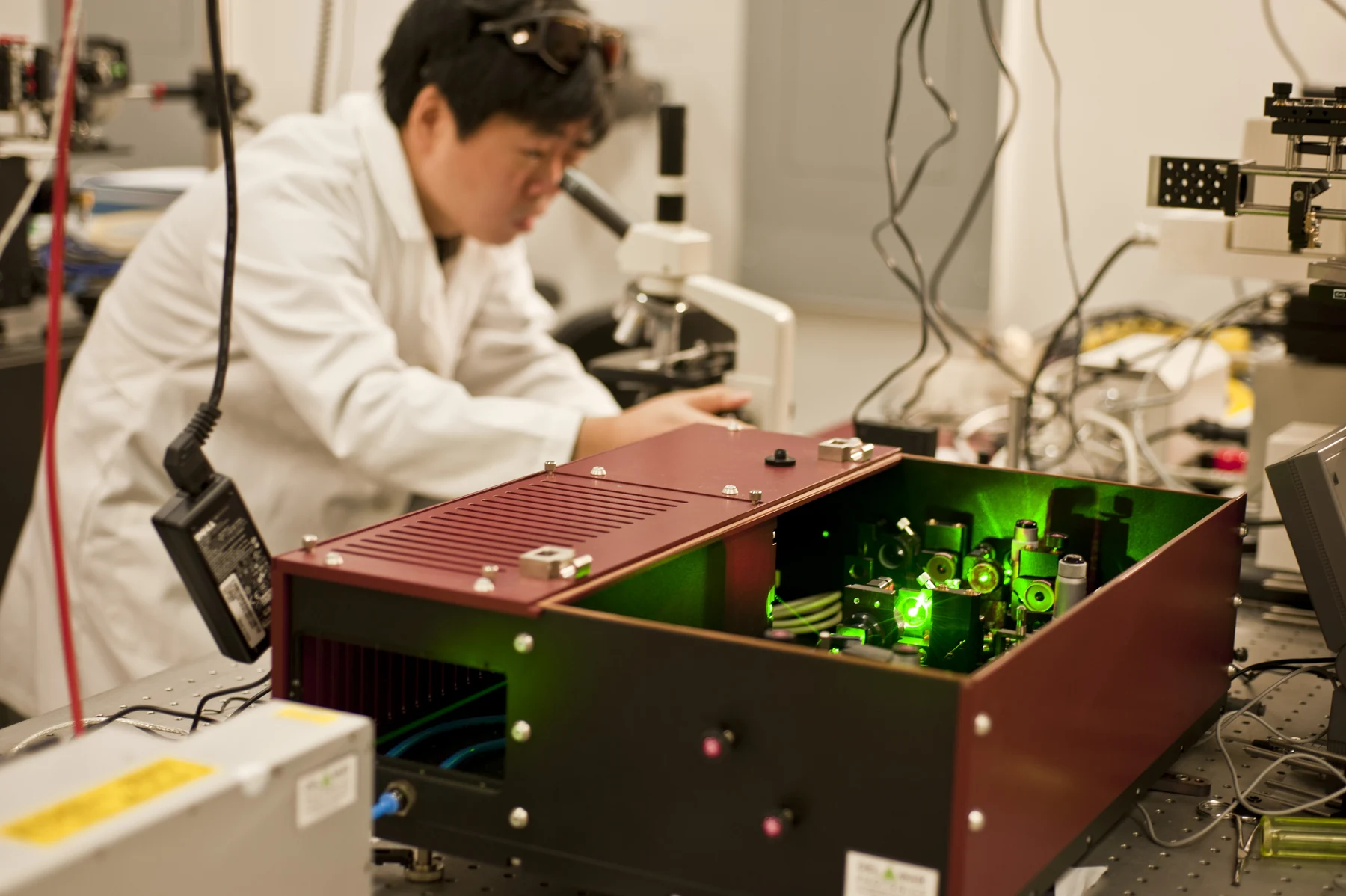
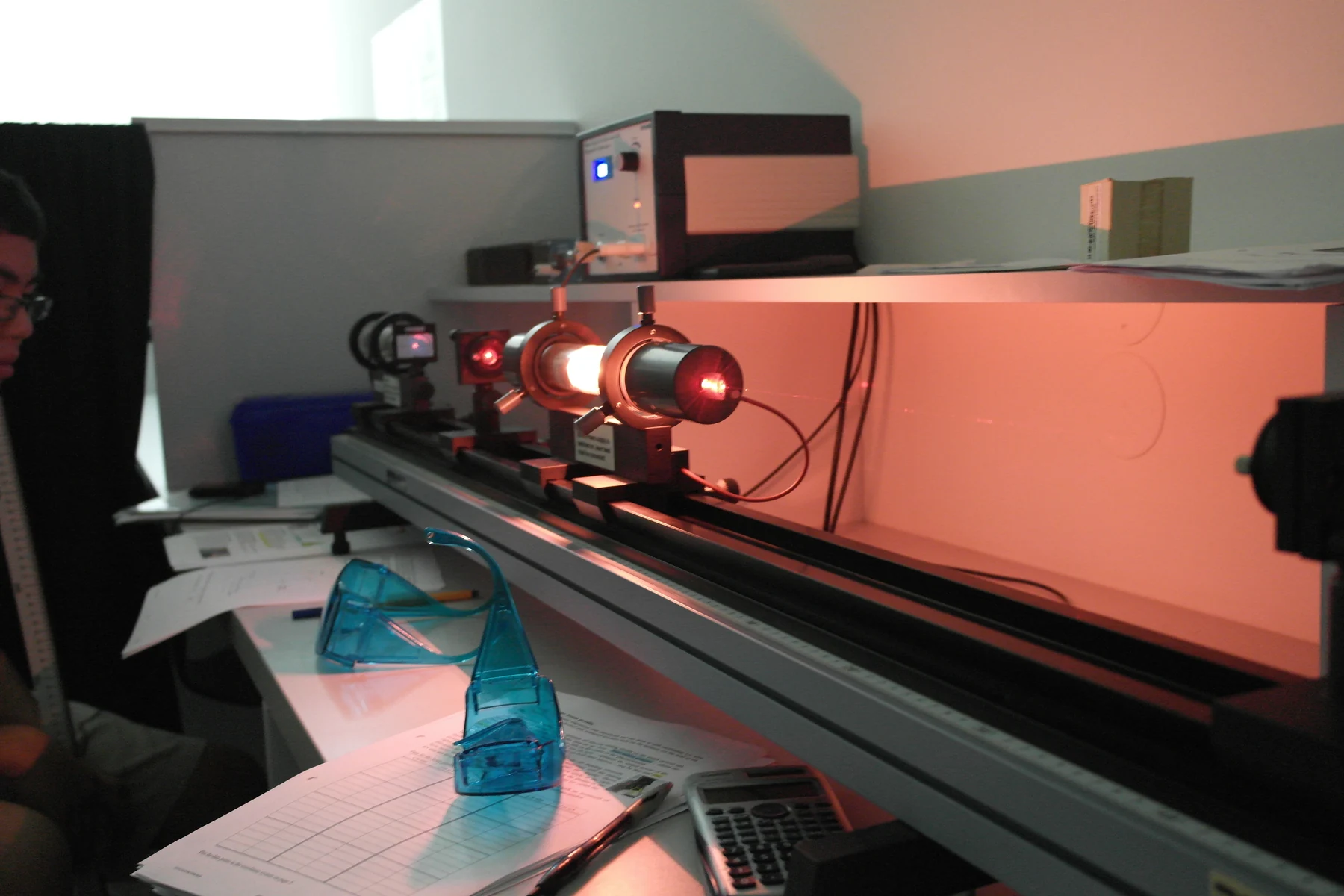
In a laboratory or medical procedure, a beam may be useful precisely because it can deliver light to a chosen location. That precision calls for protection matched to the source and task. The basic distinction is between light that is spread through a scene and energy concentrated along a directed path. The eye is an excellent light-gathering instrument; that is why a narrow beam calls for special care.
Explore the physics: an explanatory diagram
Sources & further reading
- Laser Products and Instruments FDA
- How the Eyes Work National Eye Institute
Prepared for the independent PSI Center reading library. About edition dates and source checking.
This explainer describes scientific principles. It does not assess individual treatment choices.