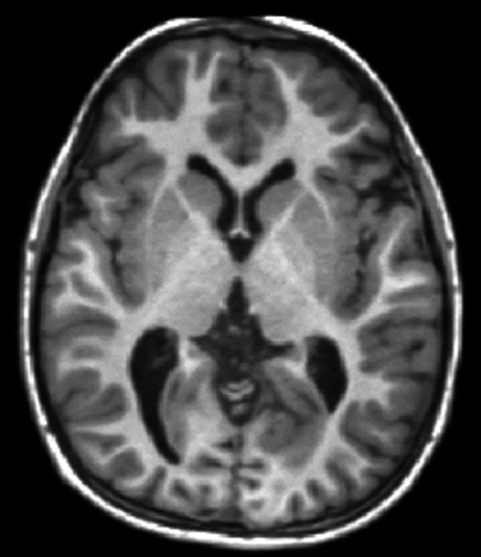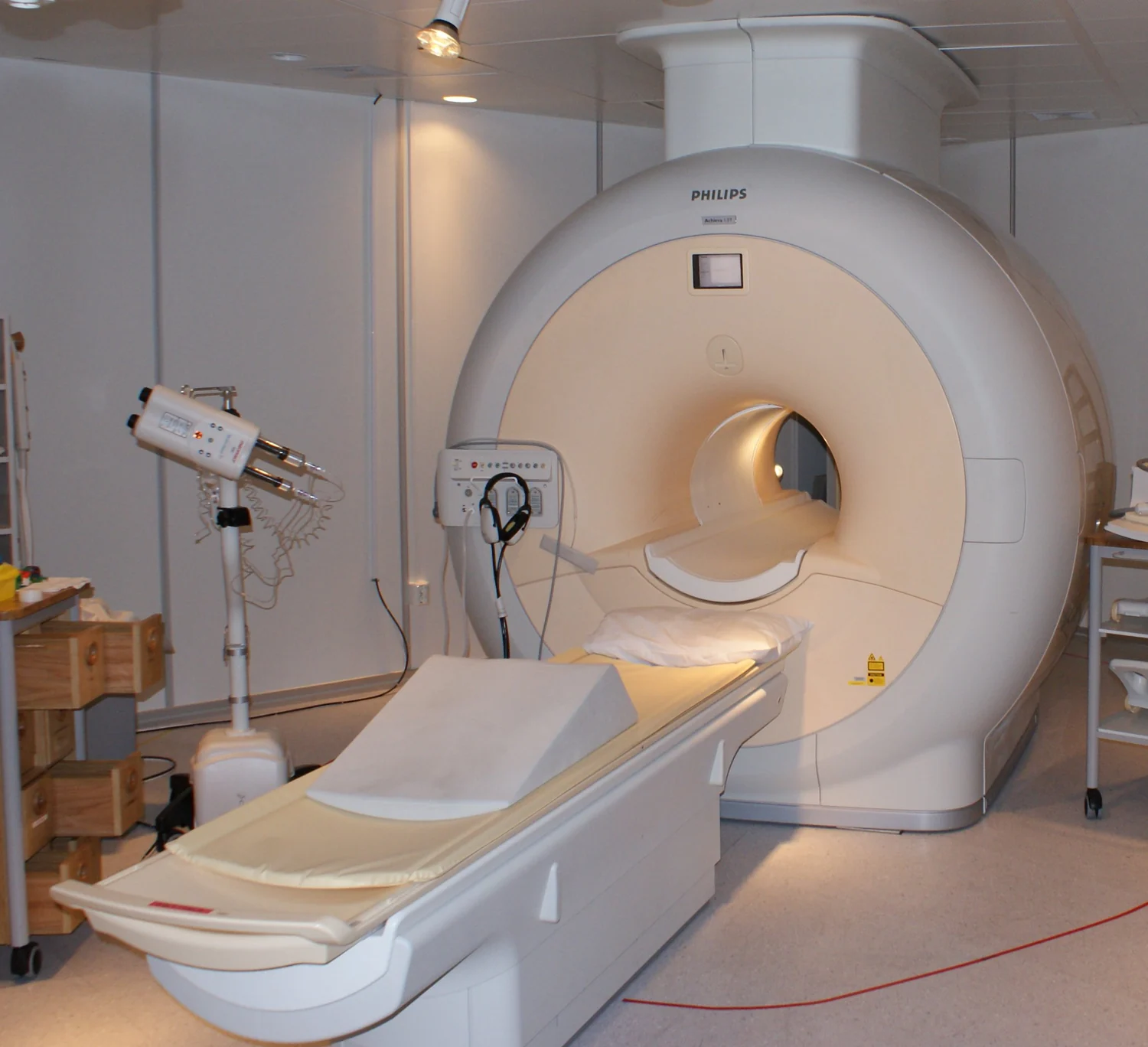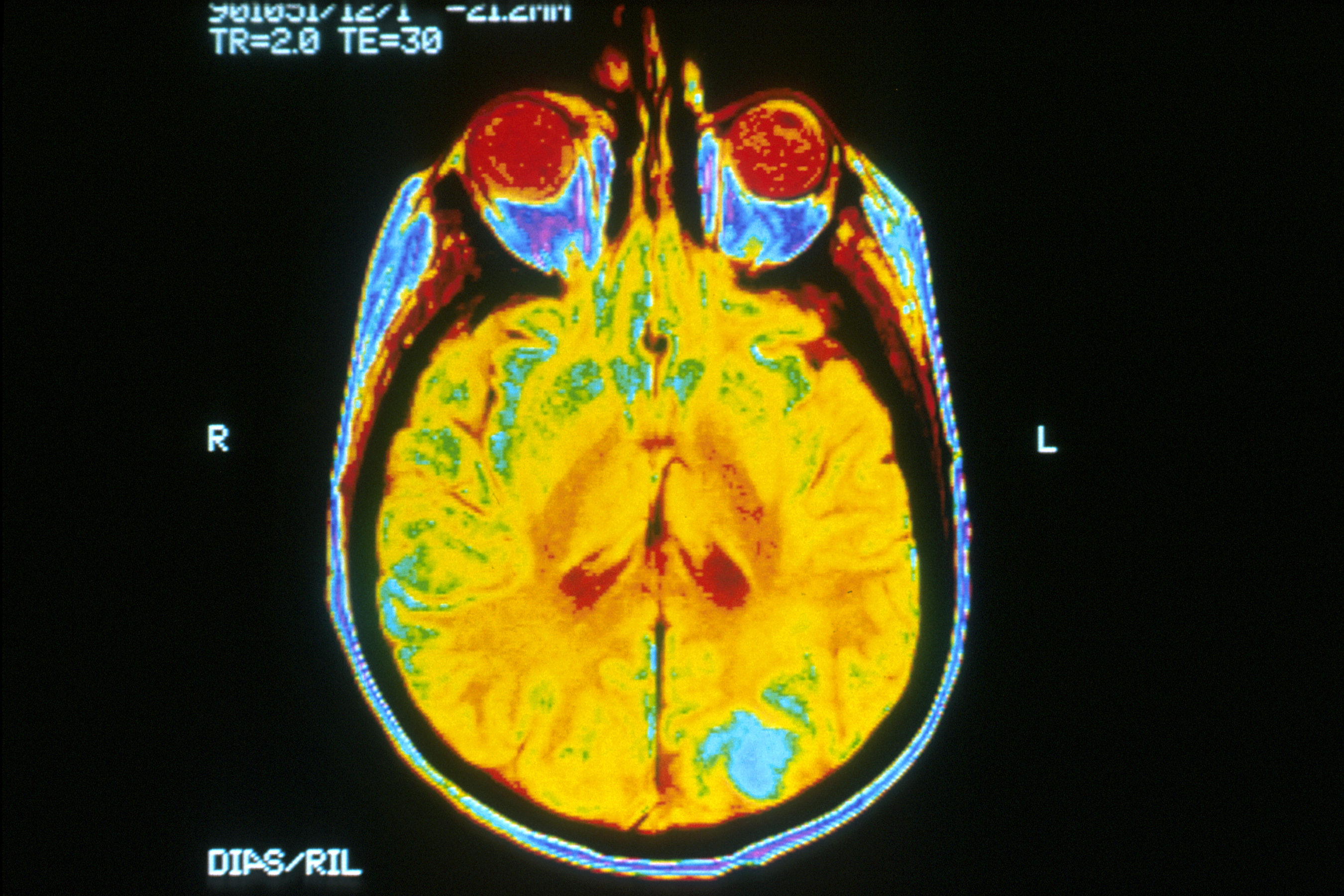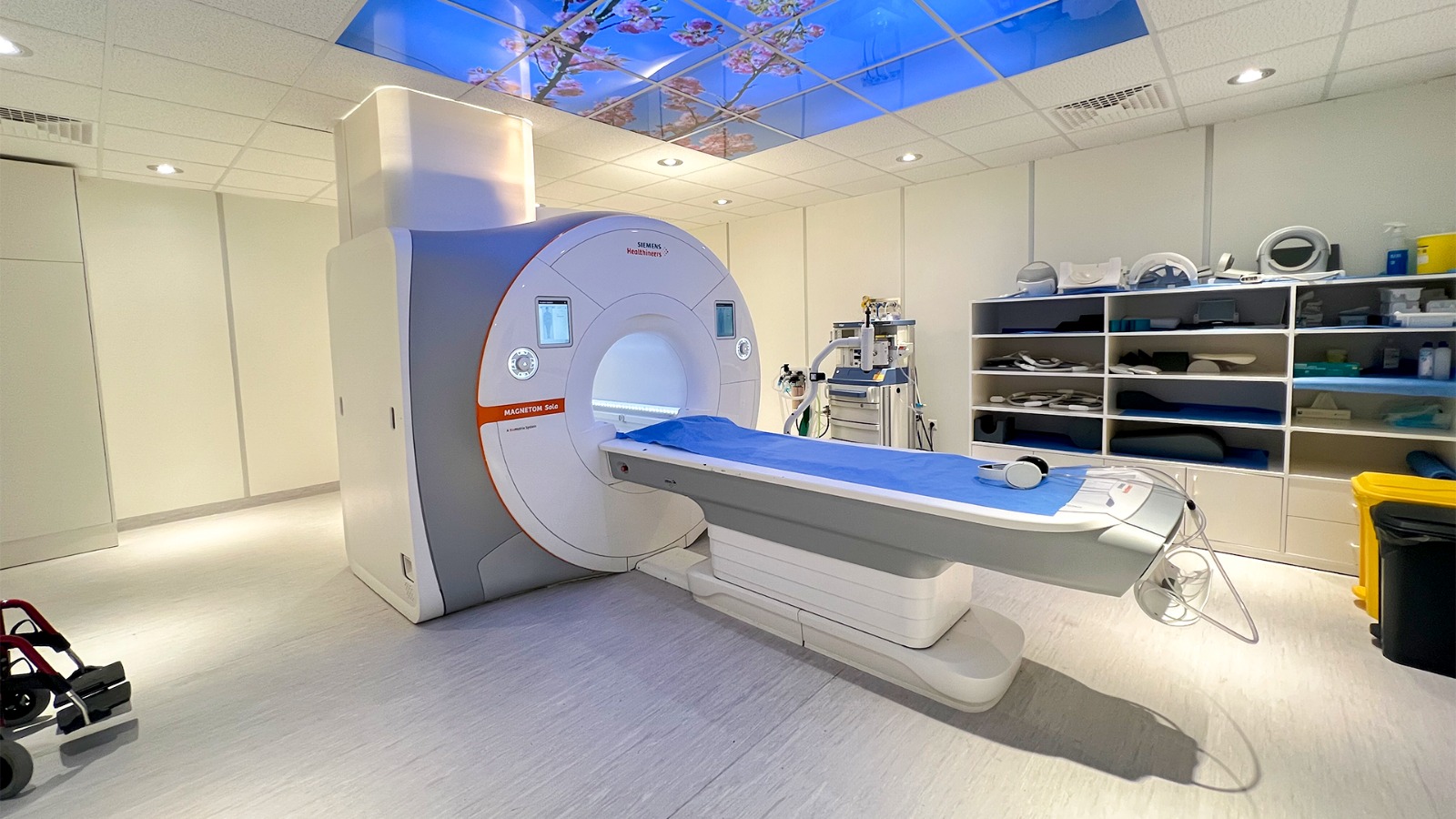
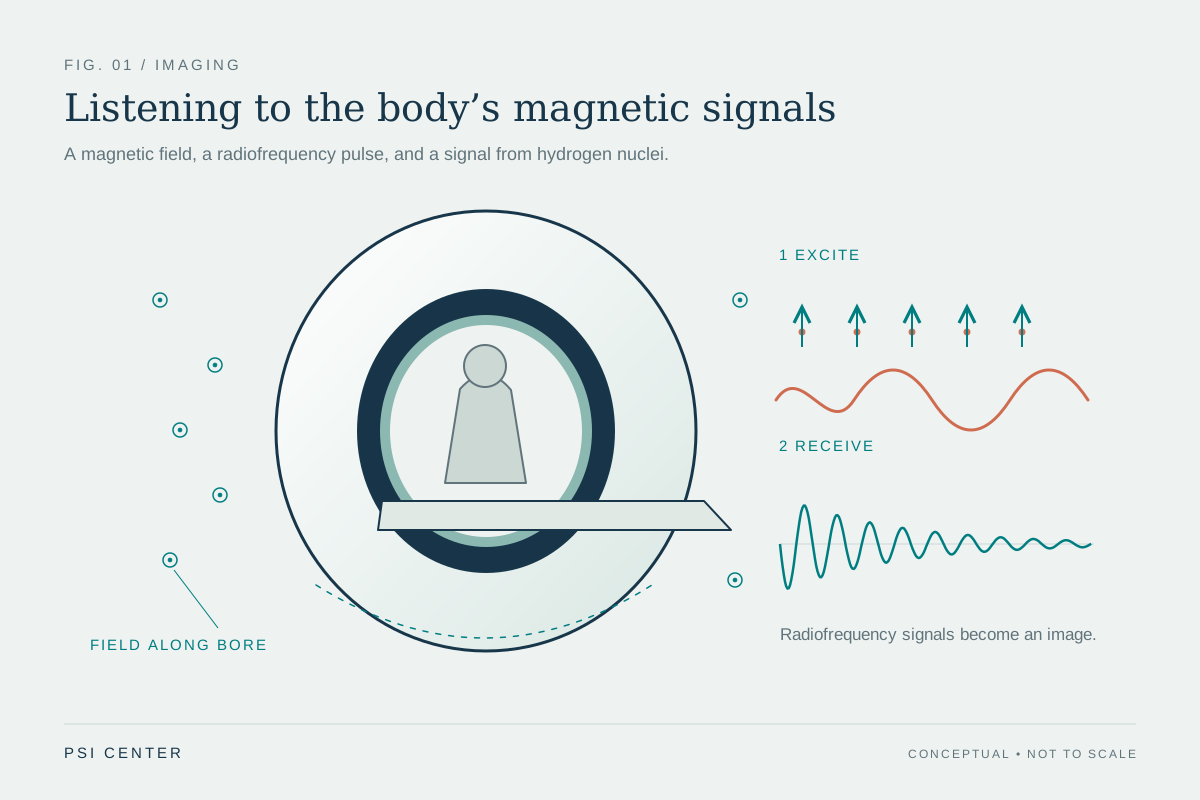
Why does an MRI team need to know about a small implant before the scan? MRI does not use ionizing x-rays; it combines a strong static magnetic field, changing magnetic fields, and radiofrequency energy. A device can interact with any of these fields, and the device can also distort the image needed to answer a clinical question. Planning therefore begins with identifying what is in the body and the conditions under which scanning is appropriate.
Three fields create different interactions
The scanner’s static magnetic field can pull on magnetic materials, potentially moving a device. Time-varying gradient fields can induce electrical effects and contribute to heating or stimulation. Radiofrequency energy can heat the body and, in some circumstances, an implant or surrounding tissue. These are distinct interactions, so a device’s material alone may not resolve every safety question [1].
MRI also has an image-quality problem to solve. An implant can degrade the image, potentially making the scan uninformative or affecting interpretation [1]. Picture trying to photograph a landscape through a warped pane: the camera still works, but the object in the field changes what can be seen. In MRI, the degree and location of distortion matter because the scan is chosen to answer a specific question.
A label describes conditions, not a universal yes
The FDA distinguishes MR Safe devices, which pose no known hazards in all MR environments, from MR Conditional devices, which may be used safely only under specified conditions. A device with unknown MRI safety status should be treated as MR Unsafe until its status is established [1]. This classification is not a simple ranking of good and bad materials; it connects the device to operating conditions.
Conditions can include limits on the scanner environment or how a device is handled. The relevant point is that “conditional” means the details matter. A pacemaker, stent, joint replacement, or other implant cannot be treated as interchangeable with another just because both contain metal or occupy a similar body region. The exact device information informs the plan.
Why small magnets outside the scanner matter
MRI is not the only setting in which magnets can interact with an implant. Certain consumer electronics, including some phones and smart watches, have magnets strong enough at close range to switch some implanted cardiac devices into a magnet mode, temporarily changing normal operation [2]. In magnet mode, an implanted device may suspend or alter functions; the effect depends on the device and the field.
That example helps explain why magnetic susceptibility is practical, not abstract. The FDA advises keeping potentially interfering consumer electronics at least six inches from implanted devices and avoiding a pocket directly over the implant [2]. These precautions concern close-range consumer magnets; MRI planning involves a much larger, carefully controlled magnetic environment and device-specific safety assessment.
Planning protects both the patient and the question
Before scanning, staff need reliable information about implanted, external, and accessory devices. The MRI team can then assess whether the device is MR Safe or MR Conditional and whether the intended scan can meet applicable conditions. If status is unknown, the FDA says it should be assumed MR Unsafe [1]. The purpose is not paperwork for its own sake: it is to address potential movement, heating, malfunction, and image degradation.
The scan also has to answer a useful question. MRI often provides strong soft-tissue contrast and can image in different directions, but an implant may obscure the very anatomy being examined [1]. Thus planning considers two linked outcomes: avoiding device-related hazards and obtaining interpretable images. The same scanner settings that create useful signals make advance knowledge of the device essential.
Explore the physics: an explanatory diagram
Sources & further reading
Prepared for the independent PSI Center reading library. About edition dates and source checking.
This explainer describes scientific principles. It does not assess individual treatment choices.