A small randomized pilot published on 29 September 2026 tested whether cold atmospheric plasma could be added to routine care for tracheostomy wounds in critically ill patients. The treated group had a numerically larger reduction in wound area after seven days, but the difference was not statistically significant. The study offers early feasibility and safety information; it does not establish that plasma improves healing or prevents infection. [1] [2]
Why test plasma at a tracheostomy site?
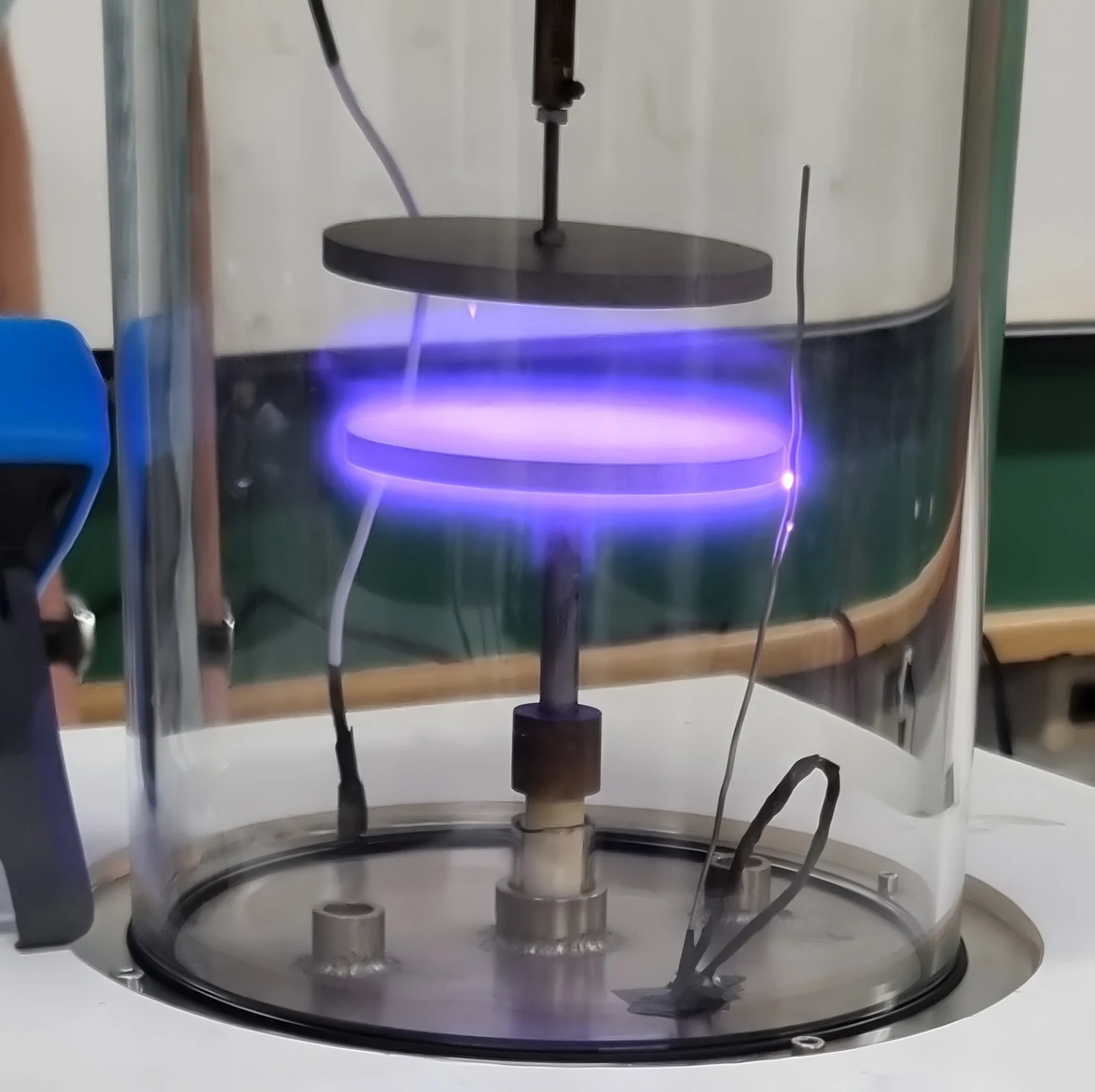
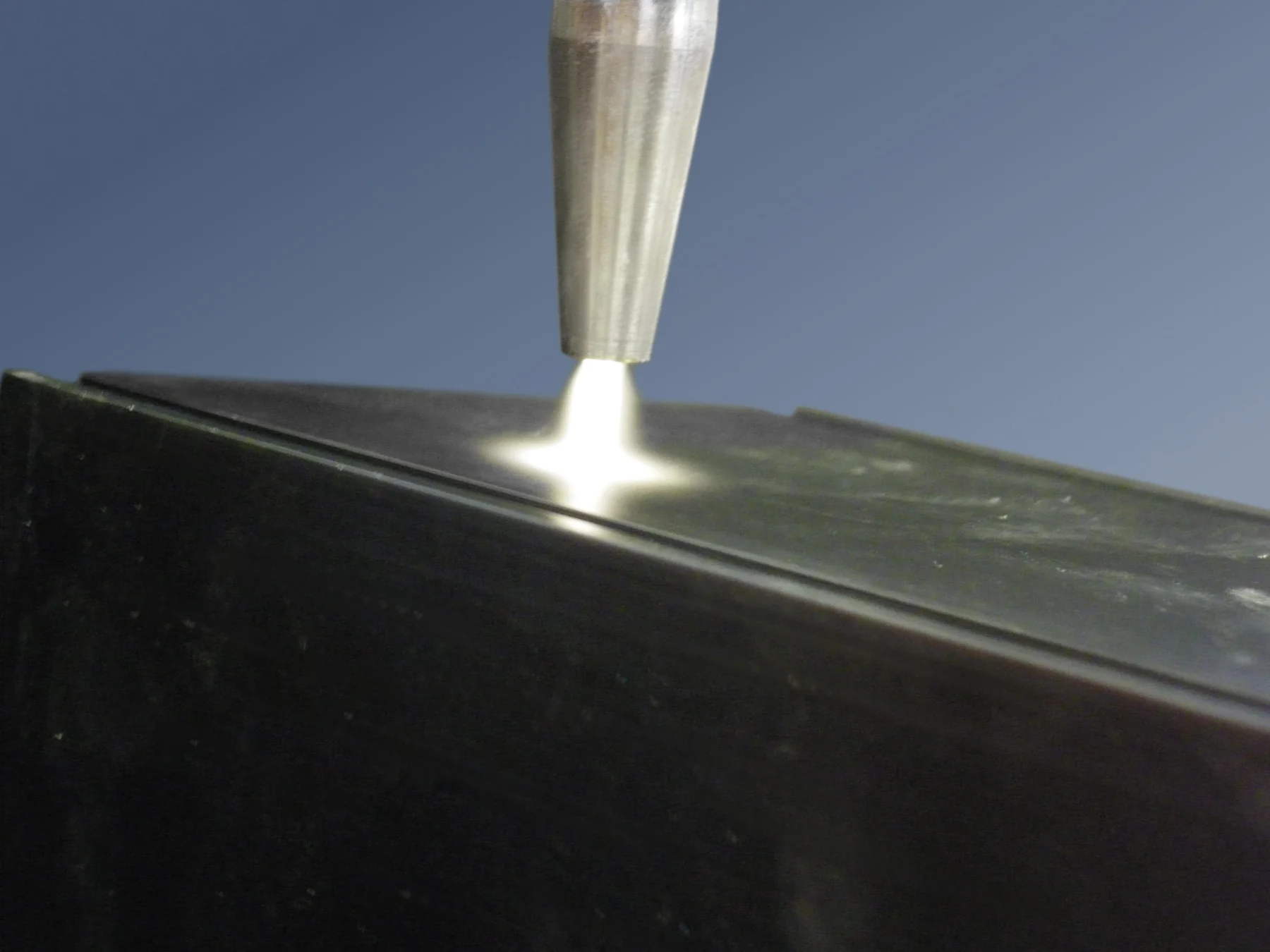
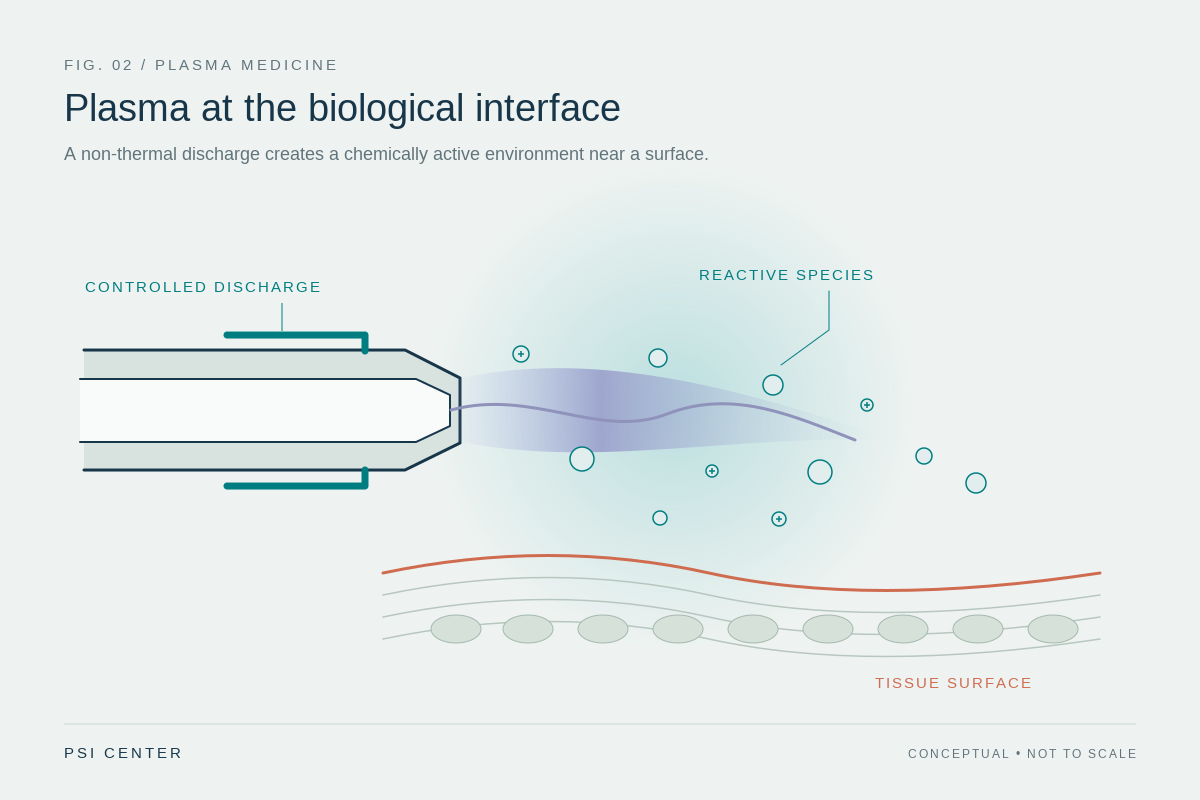
A tracheostomy creates an opening in the neck into the airway. In an intensive-care unit, this site is exposed to moisture and respiratory secretions while the patient may also face inflammation, poor circulation, infection, or other conditions that slow repair. Cold atmospheric plasma (CAP) is a partially ionized gas produced near room temperature. Depending on the device, its short-lived reactive oxygen and nitrogen species can interact with microbes and living tissue. That gives researchers a physical and chemical rationale to investigate CAP, but it does not establish that a particular device improves healing in patients. [1] [2]
The study asked an early, narrow question
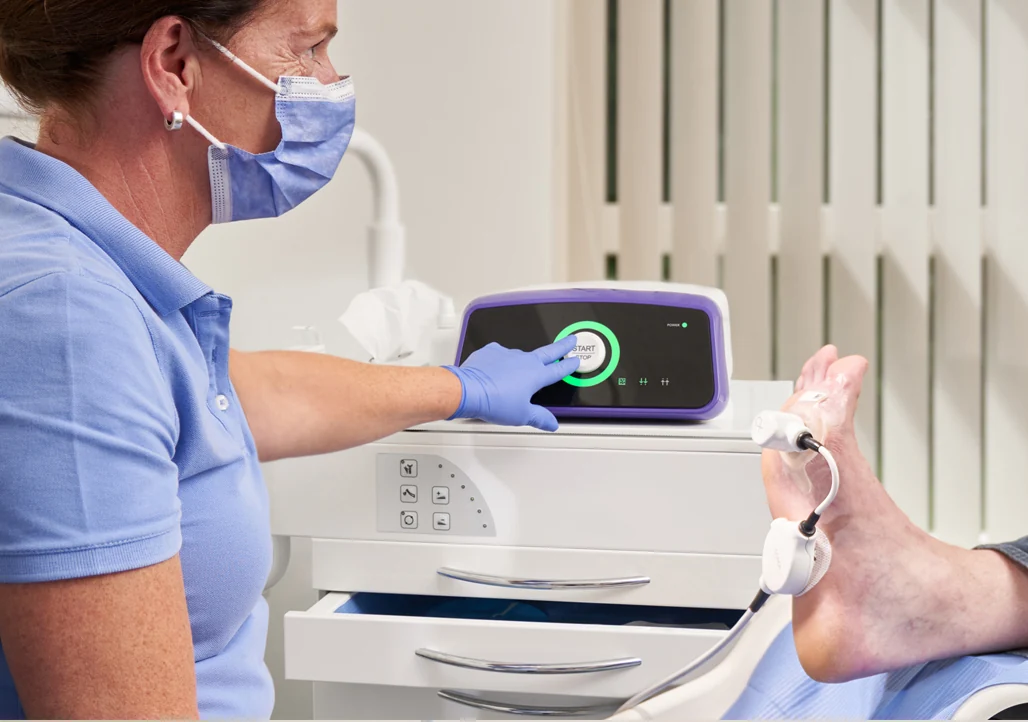
A single-center randomized pilot trial published on 29 September 2026 enrolled 42 critically ill adults having a tracheostomy. Twenty-one received standard wound care plus one-minute CAP applications on postoperative days 1, 3, and 5; 21 received standard wound care alone. The primary outcome was the percentage change in wound area through day 7. The researchers also examined healing over time, cultures, feasibility, and adverse events. [1]
This design was useful for asking whether the treatment could be delivered and for estimating the size and variability of an early response. It was not large enough to provide a reliable test of modest clinical benefit. The comparison was randomized, and the wound-area assessor was blinded, but patients and clinicians could tell whether the device was being applied. A short seven-day primary window also captures early area change rather than the full course of recovery. [1]
A numerical difference is not a confirmed effect
By day 7, mean wound-area reduction was 30.3% in the CAP group and 23.6% with standard care. The difference did not meet the study’s threshold for statistical significance (p=0.15). Estimated area reduction was 0.08 versus 0.06 square centimeters per day (p=0.17). The paper therefore reports a possible signal that needs testing, not evidence that CAP caused better healing. With only 42 participants, an observed gap can be compatible with a real effect, random variation, or both. [1]
No treatment-related adverse events were observed in this small study, which is reassuring for feasibility under its protocol. It cannot rule out uncommon harms or establish safety across devices, doses, wound types, or patient groups. The researchers also found no significant group difference in the number of organisms recovered from wound cultures. That result should not be translated into a claim that CAP prevented infection or sterilized the site. [1]
The wound model changes the question
A second 2026 study illustrates why results from one wound setting do not automatically transfer to another. In June, a five-hospital randomized trial assigned 111 patients with split-thickness skin-graft donor sites to standard care with low-temperature plasma or standard care with sham treatment. The groups had comparable healing rates (71.2% and 75.0%); median closure was slower in the plasma group, and earlier wound-volume reduction did not translate into better clinical healing. This study examined uncomplicated acute surgical donor sites, whereas the tracheostomy pilot involved critically ill patients and an early area-change endpoint. Their results are not a head-to-head comparison: they used distinct devices, protocols, populations, and outcomes. Together they show why “plasma helps wounds” is too broad a conclusion. [2] [1]
What a stronger next study would need
The pilot supports the practicality of delivering a brief CAP protocol in this ICU setting and supplies preliminary estimates for planning another trial. A larger, preferably multicenter randomized study could prespecify a clinically meaningful wound-healing difference, follow patients beyond one week, and use blinded outcome assessment. It should report device settings and delivered exposure clearly, account for differences in baseline illness and wound care, and track infections, discomfort, and other adverse events. Replication would matter because “cold plasma” describes a family of device-and-protocol combinations, not one interchangeable dose. [1]
Evidence is not a treatment recommendation
The September trial is an early clinical investigation, not a guideline, regulatory authorization, or proof of routine benefit. The finding is specific to one device, one center, a small group of ICU patients, and the protocol tested. It offers a reason to study CAP further while leaving efficacy and broader safety unsettled. Wound treatment decisions remain a matter for the responsible clinical team; this report does not recommend adding plasma therapy to care. [1]
Explore the physics: an explanatory diagram
Sources & further reading
- Adjunctive Cold Atmospheric Plasma Therapy for Tracheostomy Wound Healing in Critically Ill Patients: A Pilot Randomised Controlled Trial International Wound Journal (2026), original pilot randomized controlled trial
- Low-Temperature Atmospheric Pressure Plasma in Acute Wound Healing: A Multi-Center Randomized Controlled Trial Using Split-Thickness Skin Graft Donor Sites as a Standardized Human Model Siriraj Medical Journal (2026), original multicenter randomized controlled trial
Sources checked: 27 November 2026. The calculations illustrate physical models; they are not clinical settings.
Prepared for the independent PSI Center reading library. About edition dates and source checking.
This explainer describes scientific principles. It does not assess individual treatment choices.