How can radiation reach cancer cells scattered through the body without aiming a machine at every location? One approach sends a radioactive medicine through the bloodstream, where a molecule acts as a guide toward a cellular target. The treatment’s route is systemic, but its action depends on molecular recognition and radioactive decay. Following that chain—from target binding to damaged DNA—shows both why the strategy can reach multiple sites and why its precision is never absolute.
A guide with a payload
A radiopharmaceutical combines radioactive material with a targeting molecule, joined by a linker. The targeting part recognizes a feature on or near particular cells; the radioactive part releases energy as its atoms decay. The linker keeps the components together during transport. After administration by a route such as infusion or ingestion, the compound circulates and may bind where its target is present [1]. The approach resembles delivering a package by address, though biological targets are not unique street numbers: they can vary across cells and tissues.
Some targeting strategies exploit natural affinity. Radioactive iodine accumulates in thyroid cells, which naturally use iodine, and has long been used against certain thyroid cancers. Other medicines are engineered to bind selected molecules, such as receptors abundant on certain neuroendocrine tumor cells [1]. In each case, the key question is whether enough of the radioactive compound reaches the intended site while limiting exposure elsewhere.
Decay damages nearby cells
Once a radiopharmaceutical binds, radioactive decay releases particles or energy that can damage DNA. If damage is too extensive to repair, a cell may stop dividing or die. Importantly, the radiation does not necessarily remain inside the cell carrying the target. Depending on the radioactive material, energy can travel into neighboring cells, widening the local effect around a bound molecule [1]. That reach can be useful where cancer cells are close together, but it also means molecular targeting does not make the surrounding tissue immune to exposure.
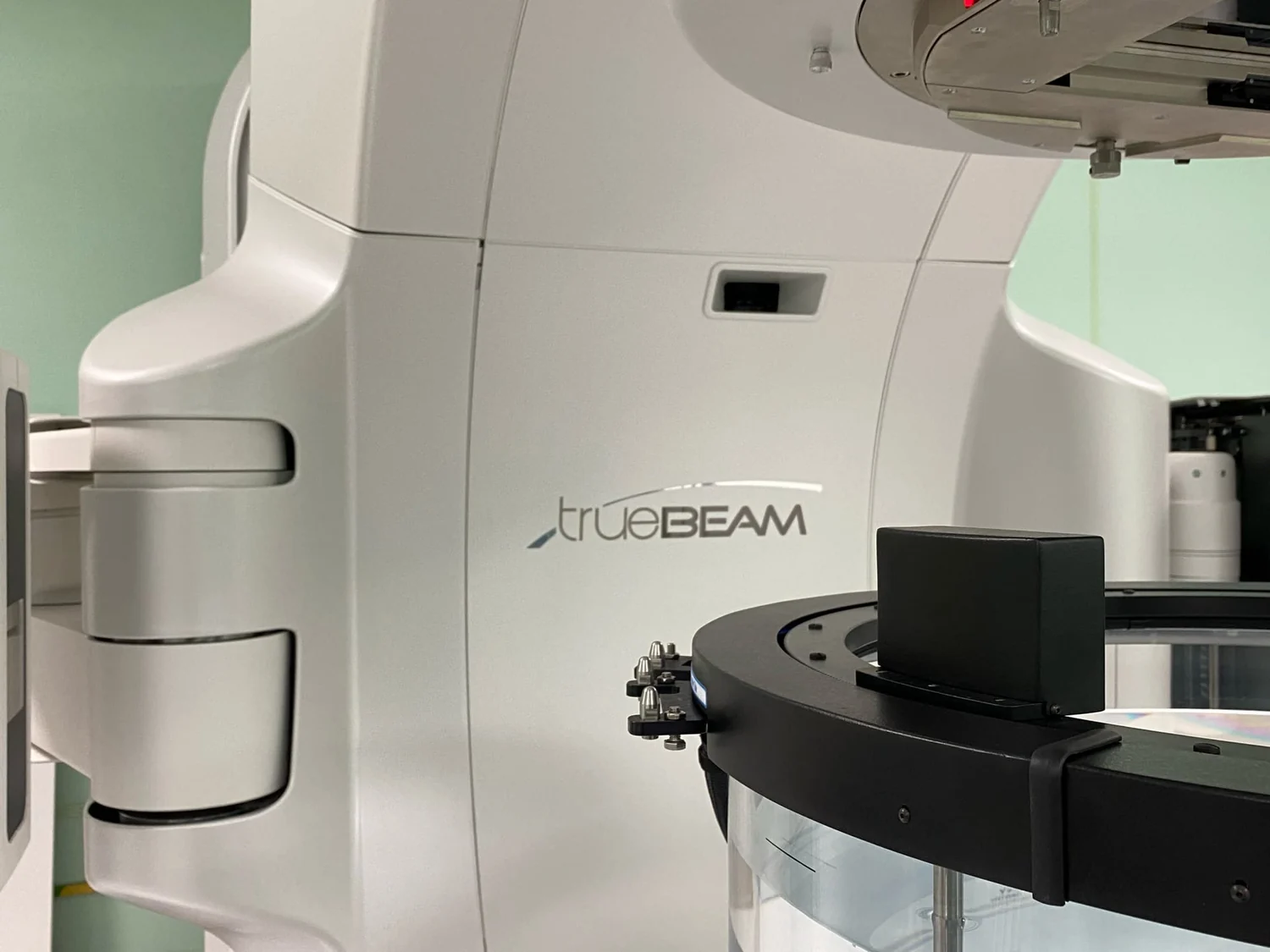
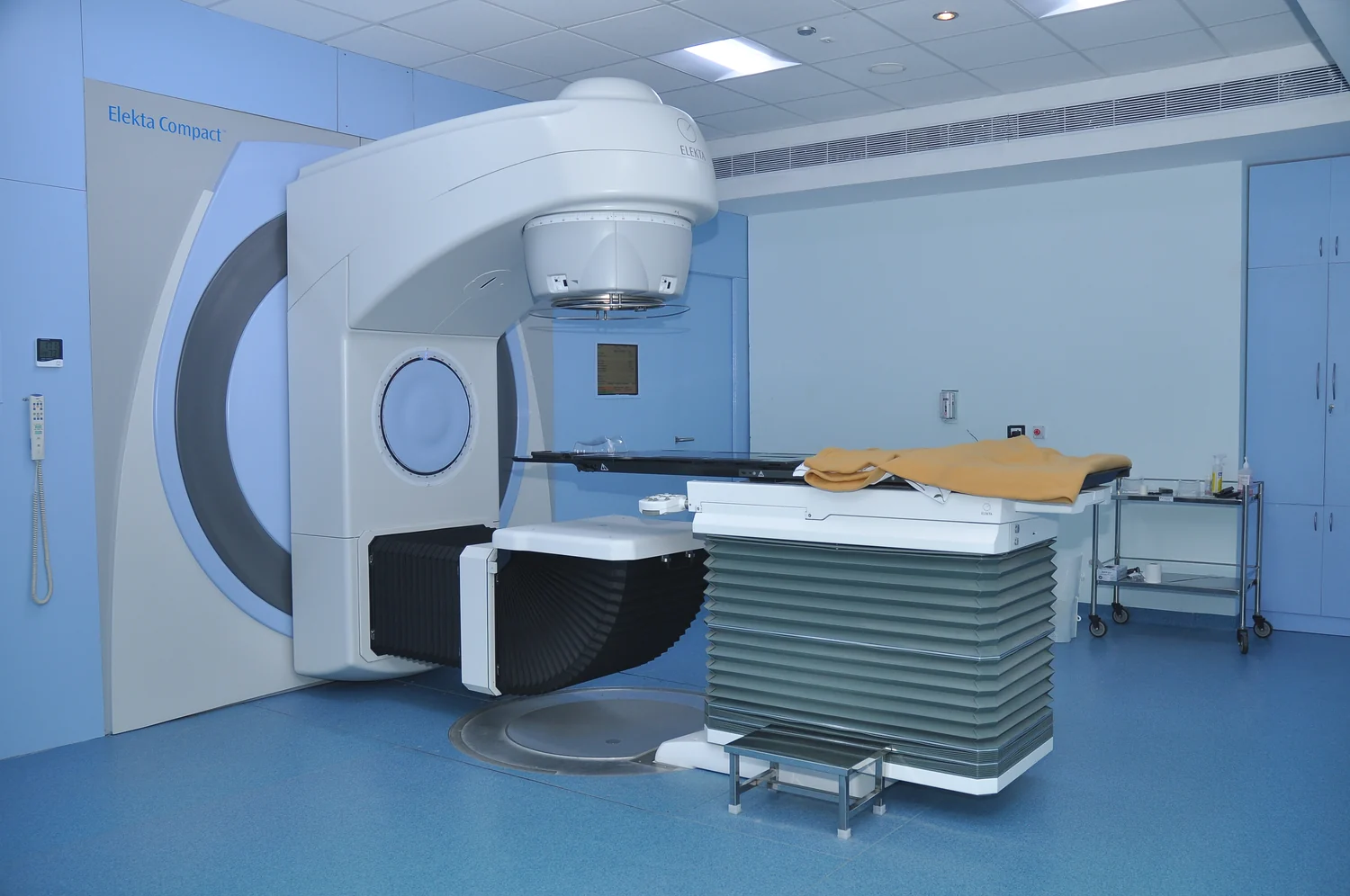
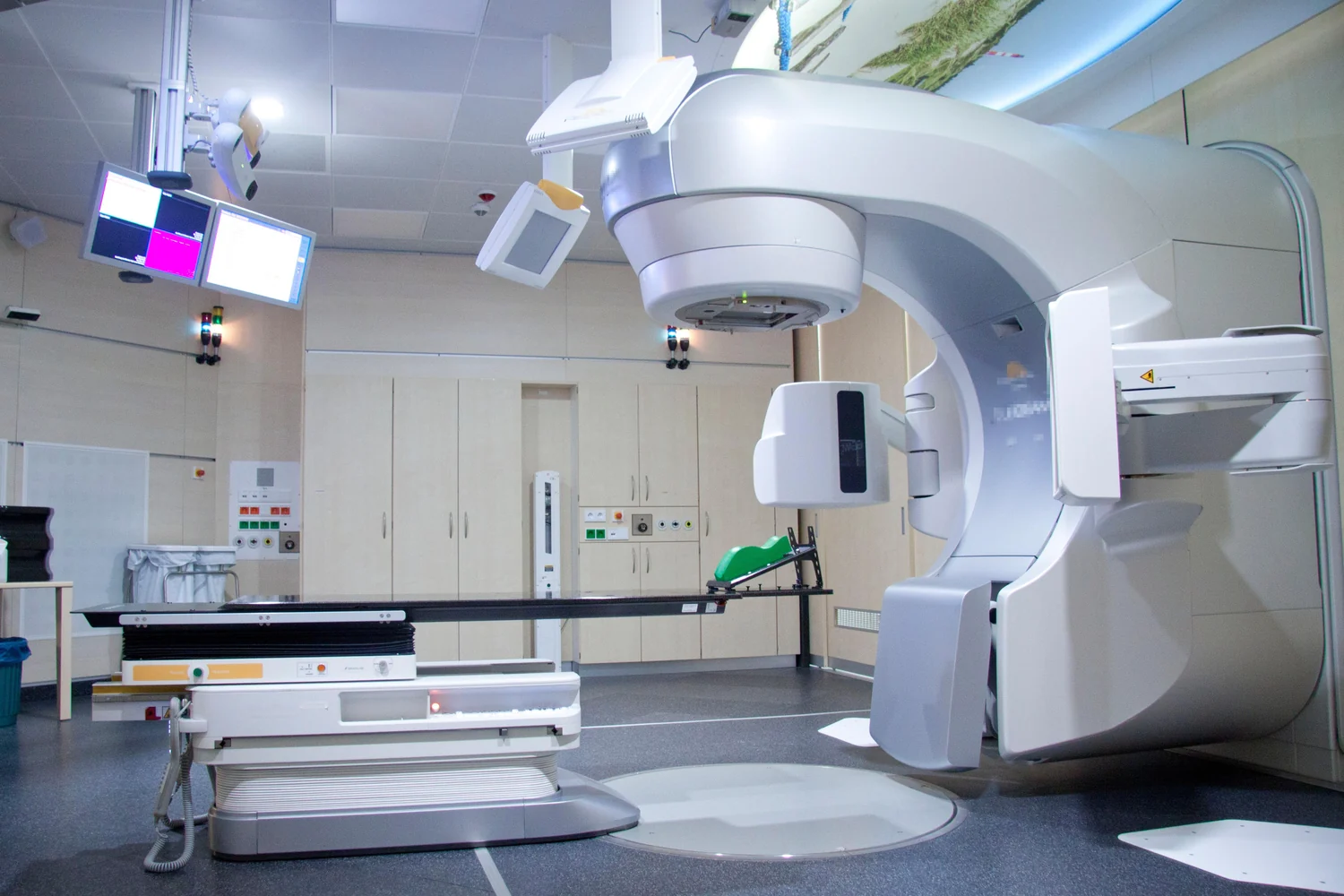
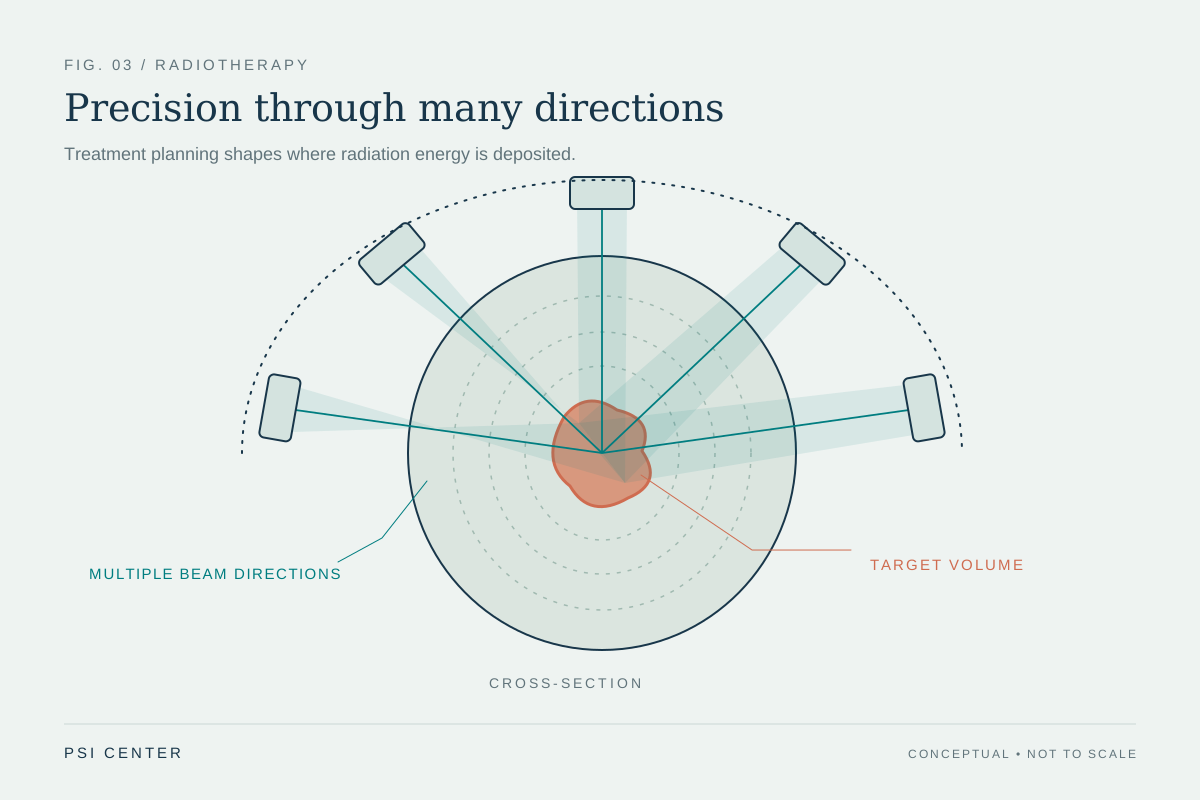
This is one distinction from external-beam radiation. A machine aims radiation at a defined region, making it a local treatment; a radioactive medicine travels through the body and can seek targets at multiple sites [2]. Systemic reach can matter when disease has spread in many small deposits that cannot all be treated as one external target. Yet the circulating compound also encounters organs and tissues along its route, and the target may not be present only on cancer cells.
An image can test the route
For some targets, imaging and treatment can use related molecules. A weakly radioactive imaging version can show whether a target-binding compound reaches visible disease; a treatment version can then carry a more potent radioactive payload. For prostate cancer, compounds that bind PSMA have been used in imaging research, while related PSMA-targeting radiopharmaceuticals have been tested as treatment [1]. The image is a kind of delivery check: if the tracer accumulates at a lesion, it provides evidence that the treatment’s molecular route may work there.
That check is informative, not a guarantee. A scan cannot prove that every cancer cell carries the target, that every treatment molecule will behave identically, or that a tumor will respond. The cancer’s biology, blood supply, target abundance, and the medicine’s distribution all affect exposure. This is why systemic radiation is a tailored strategy in principle, but still requires treatment selection and monitoring within clinical care.
Precision has boundaries
Radiation can affect normal cells as well as cancer cells, and side effects depend in part on which tissues receive exposure. Systemic radiation therapy can also leave body fluids radioactive for a period, a practical consequence of radioactive material circulating and being cleared [2]. The exact precautions and management depend on the particular treatment, so the general mechanism does not supply a universal set of instructions.
Radiopharmaceuticals are also used with other cancer treatments, and they do not reliably eliminate tumors on their own. The NCI describes combination research and notes the need for continued work on safety, long-term effects, and specialized expertise [1]. The physical idea is elegant: let molecular recognition guide radiation to disease across the body. Its medical value, however, depends on evidence for each specific medicine, target, and clinical situation—not on the targeting concept alone.
Explore the physics: an explanatory diagram
Sources & further reading
- Radiopharmaceuticals: Radiation Therapy Enters the Molecular Age National Cancer Institute
- Radiation Therapy to Treat Cancer National Cancer Institute
Prepared for the independent PSI Center reading library. About edition dates and source checking.
This explainer describes scientific principles. It does not assess individual treatment choices.