Why deliberately heat a tumor when cancer treatment already uses radiation, drugs and surgery? Hyperthermia is a way of raising tissue temperature to help damage cancer cells, often in combination with another treatment. The physical challenge is not merely generating heat; it is directing it to a chosen region while monitoring nearby tissue. Understanding that challenge helps explain both the promise of hyperthermia and why it remains a specialized option rather than a universal add-on.
Heat changes tissue, but location matters
Hyperthermia treatment raises body tissue temperature, sometimes to as high as 113°F, with the aim of damaging cancer cells while causing little or no harm to normal tissue. Techniques can use microwave or radio-frequency energy, lasers, ultrasound, heated fluids, or whole-body warming. The term covers different procedures, not one machine or one temperature setting. Local treatment targets a small area; regional methods heat a larger part of the body, and whole-body approaches raise temperature more broadly. [1]
Imagine warming one corner of a room with a lamp. The air nearby warms first, but the temperature varies with distance, airflow and the shape of objects. A tumor is a more complex target: tissue composition and location affect how energy spreads. Probes may generate the heat, while tiny thermometers monitor temperatures in the tumor and adjacent tissue. Imaging can help position probes. This monitoring matters because the desired exposure is local and controlled, not simply “hotter is better.”
Why combine heat with other treatments
Hyperthermia is almost always used with another cancer treatment. Clinical trials have shown that, in combination with radiation or chemotherapy, it can help shrink tumors and may make cancer cells easier for those treatments to kill. The proposed role is complementary: heat can damage cells and alter their response, while radiation attacks DNA, the molecule carrying genetic instructions. Radiation-damaged cancer cells may stop dividing or die over days to weeks rather than immediately. [1] [2]
A simple analogy is weakening a lock before turning a key. The heat is not the key that completes the whole job; it may change how susceptible a cell is to the partner treatment. But this analogy should not be taken as a guarantee. The size of any added benefit depends on the cancer, the way heat is delivered, timing and the comparison used in a clinical study. Evidence that a combination can work in some contexts does not mean that heat replaces radiation or chemotherapy.
Different targets require different routes
For a tumor close to the skin, external devices can apply heat from outside. Tumors in or near body cavities may be treated with probes placed in the cavity. Interstitial hyperthermia uses probes or needles inserted into deeper tumors, sometimes with imaging to guide their position. Regional perfusion takes blood from a limb or organ, warms it and returns it; chemotherapy may be given during the procedure. Each method follows the anatomy and clinical goal, so the name alone does not tell how much tissue is exposed. [1]
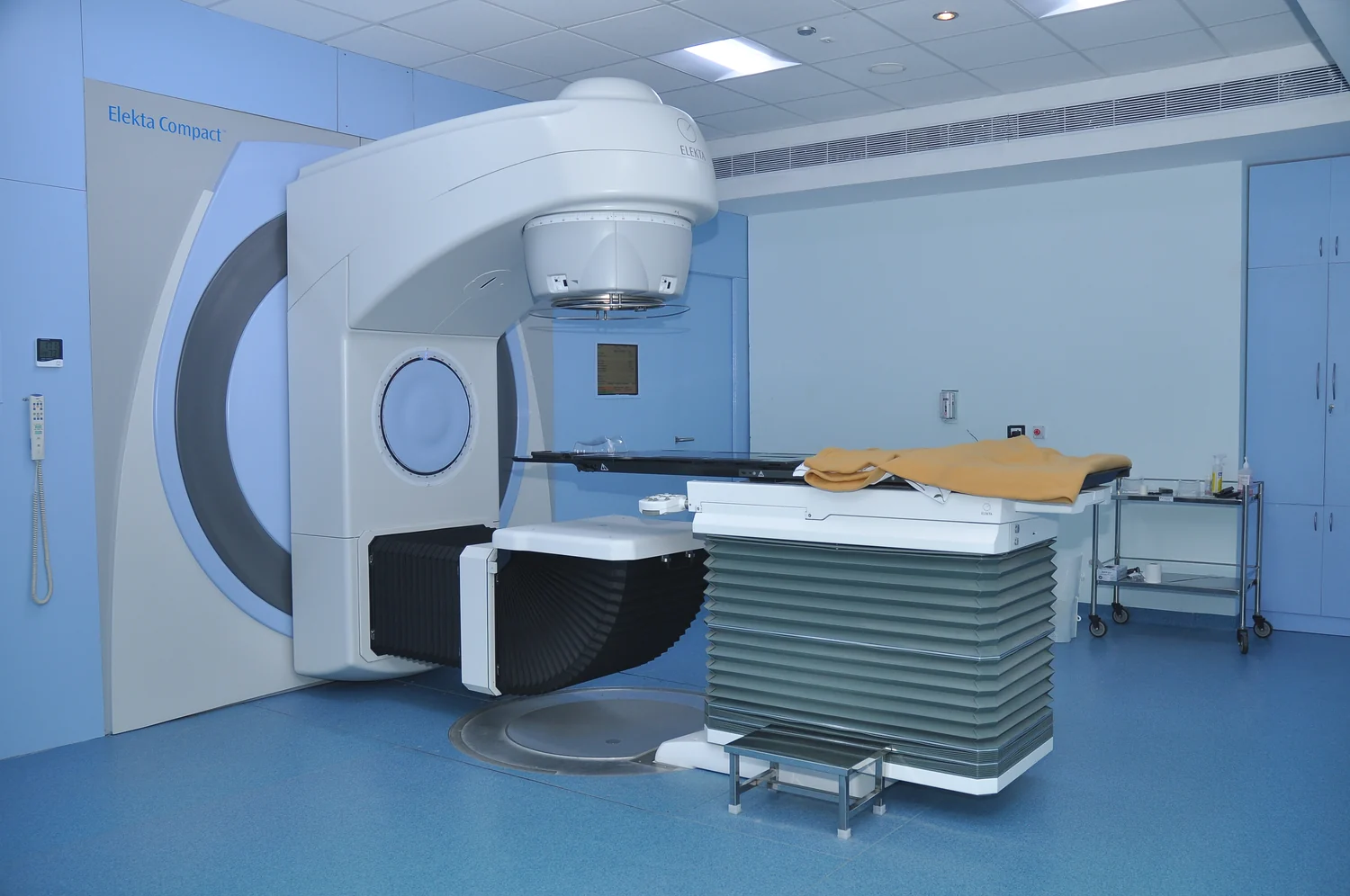
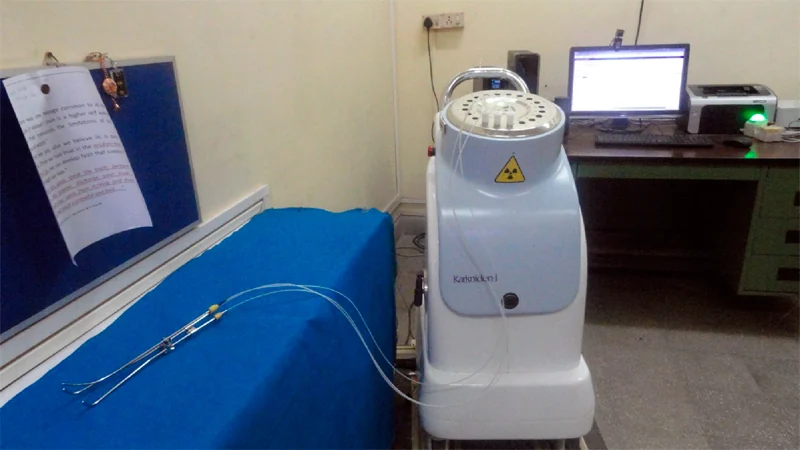
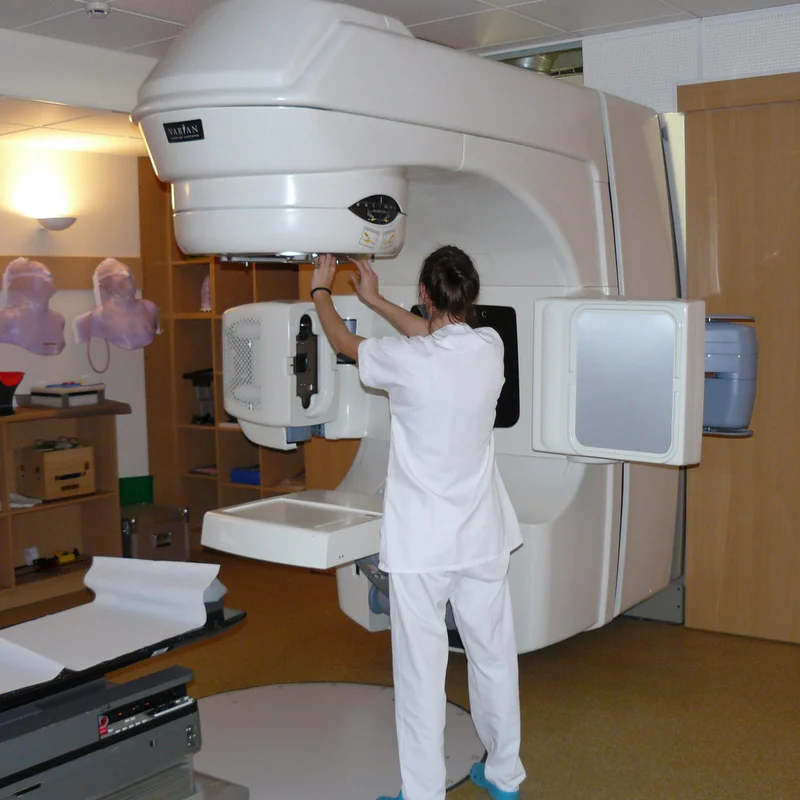
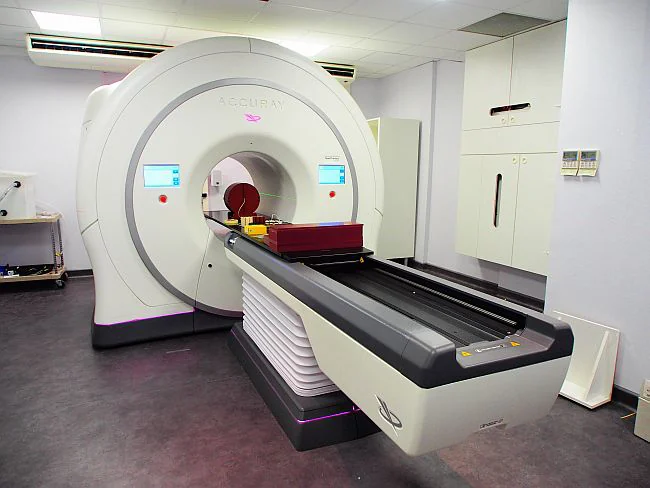
Radiation also has distinct delivery routes. External-beam therapy directs radiation from a machine toward a local target; brachytherapy places a radiation source in or near a tumor, while systemic radioactive treatments travel through the body. Radiation works by damaging DNA, including in nearby healthy cells, which can contribute to side effects. Hyperthermia does not change radiation into heat therapy; the two are different physical interventions that may be paired under particular circumstances. [2]
A specialized treatment with real limits
Hyperthermia requires specialized equipment and expertise and is not widely available. The National Cancer Institute describes its use at some centers, typically alongside other treatments for advanced cancers. Some healthy tissue can be harmed if temperatures become too high or vary across a region; burns, blisters, discomfort or pain can occur. Perfusion methods can bring swelling, bleeding, clots or other tissue injury, and whole-body heating has its own possible side effects. [1]
The evidence should be read at the level it supports. Findings that hyperthermia may improve a partner treatment do not establish a benefit for every cancer or every patient, and it is not clear whether it helps people live longer. Research continues on effectiveness and delivery methods. The physics explains how heating might influence tissue; clinical studies determine whether that influence produces a meaningful benefit in a defined setting. Those are related questions, but they are not interchangeable.
Sources & further reading
- Hyperthermia to Treat Cancer National Cancer Institute
- Radiation Therapy to Treat Cancer National Cancer Institute
Prepared for the independent PSI Center reading library. About edition dates and source checking.
This explainer describes scientific principles. It does not assess individual treatment choices.