How can a beam of light kill selected cells without acting like a tiny knife or a heat ray? In photodynamic therapy (PDT), light works with a photosensitizing drug: the drug absorbs particular light and transfers energy into oxygen, producing reactive oxygen forms that injure nearby target cells. The two ingredients do different jobs, and the timing and location of each help make this a local treatment.
The drug waits for the right color of light
A photosensitizer is a molecule that absorbs light energy. In PDT, a person receives this drug by mouth, on the skin, or through an intravenous line, depending on where the target tissue is. After a waiting interval, the treatment area is illuminated with a selected wavelength. The absorbed energy can generate an oxygen radical, a reactive oxygen form that damages cells. The drug alone is not the whole treatment, and the light alone is not the whole treatment: the useful effect depends on their meeting in tissue that also contains oxygen. [1]
Imagine a room with scattered light-sensitive paint. A lamp of the matching color can make the paint react, while a different color may not excite it as effectively. Real tissue is more complicated: drug distribution, light delivery, oxygen availability, and the cells’ response all matter. But the analogy captures the key selectivity. The photosensitizer responds to light in a specific range, so clinicians can direct illumination at a chosen site rather than expose the whole body to an activating beam.
Light must reach the treatment site
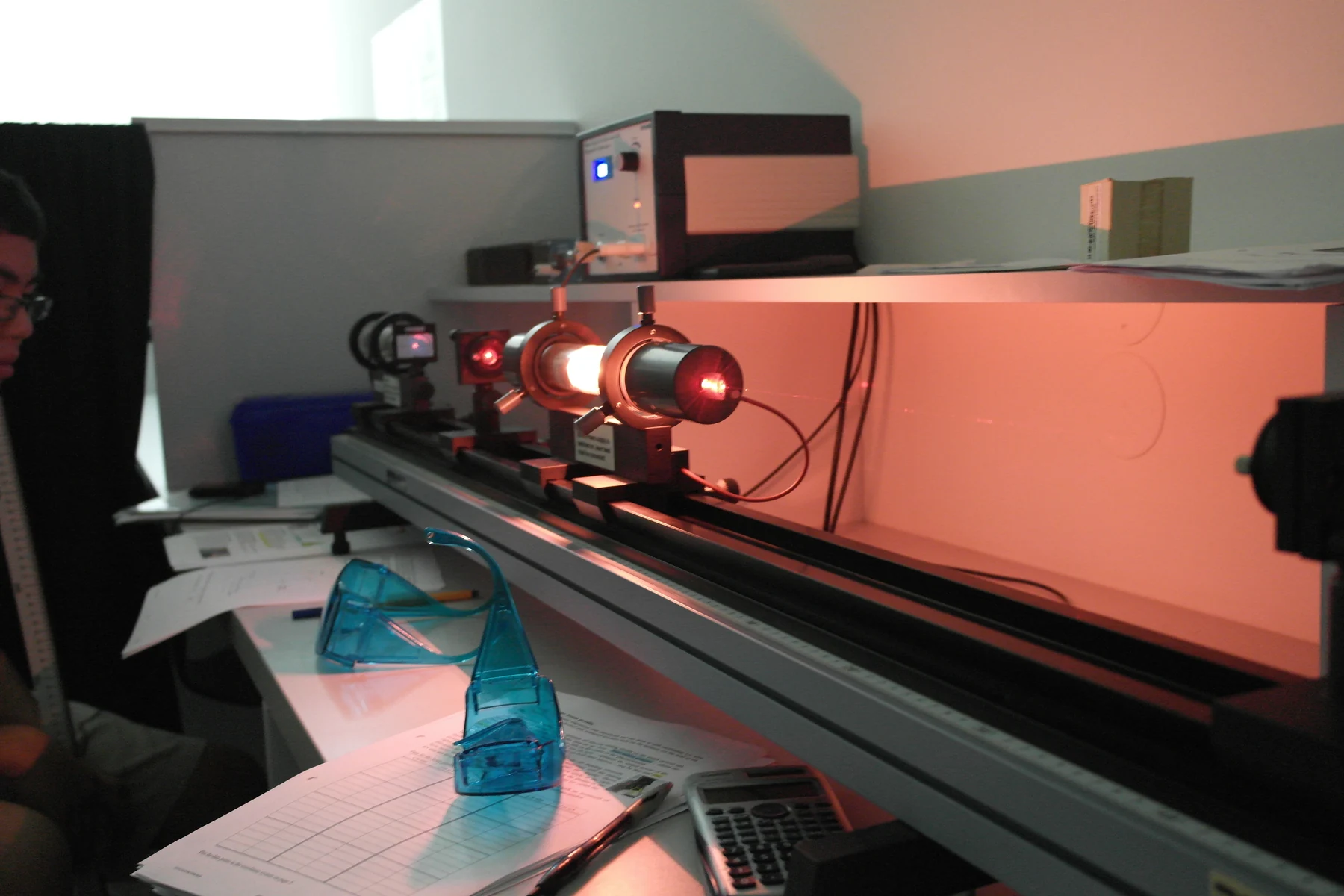
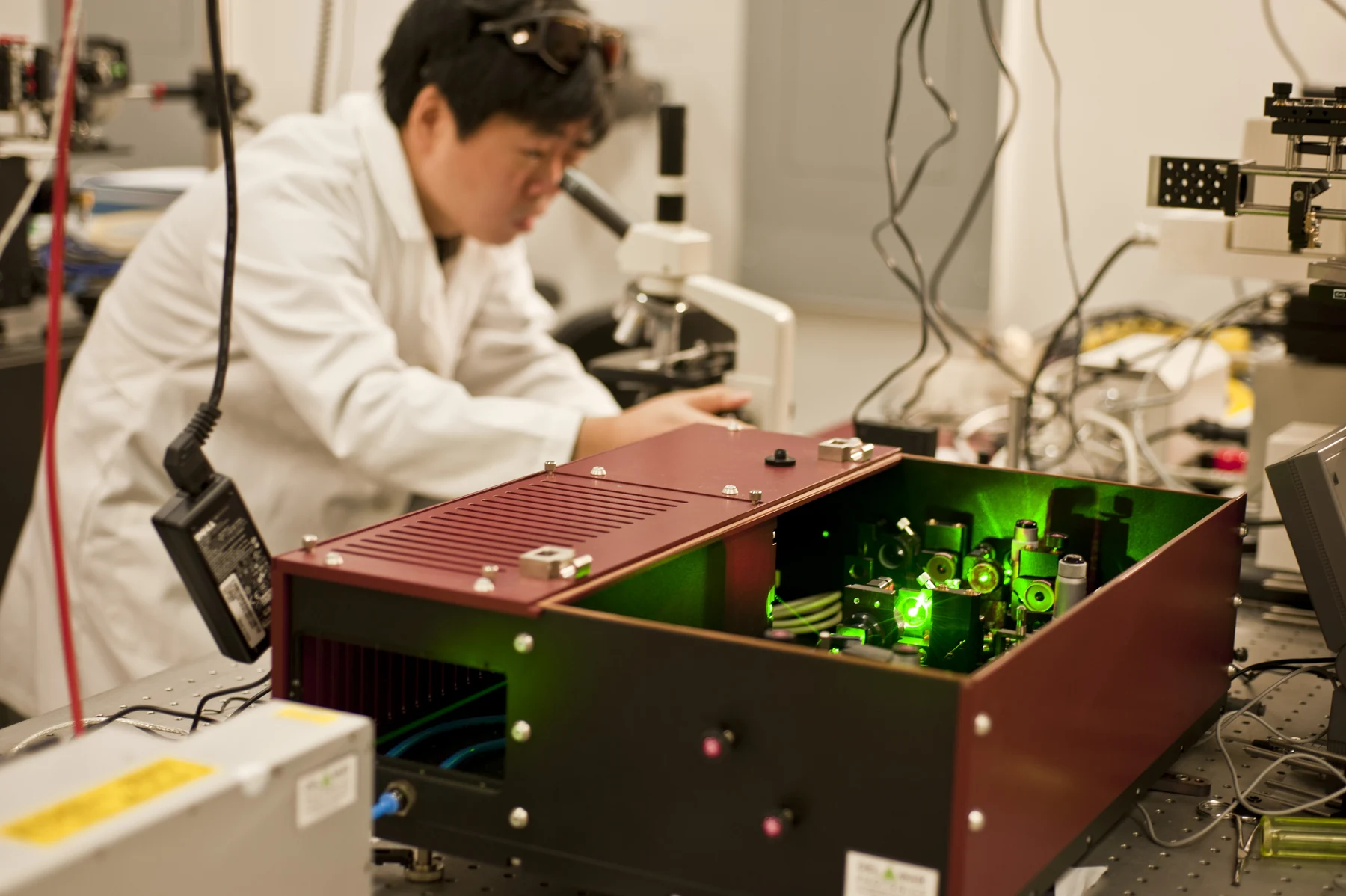
For a skin lesion, a light source can be aimed directly at the area. For selected tumors in the throat, airways, or lungs, clinicians may guide an optical fiber through an endoscope, a thin lighted tube used to view internal tissues. The fiber carries light to the site. Lasers are one possible source, but PDT can also use other light sources, including LEDs. This differs from laser therapy that cuts or destroys tissue directly: in PDT, light activates the photosensitizer’s chemistry. [1] [2]
Light does not travel freely through the body. The NCI describes PDT light as reaching only about one centimeter into tissue, limiting treatment to sites on or just beneath the skin, or on the lining of organs and cavities. A surface target may therefore be accessible while a large, deep mass is not. The practical question is not merely whether a drug can reach a tumor; it is whether enough suitable light can also reach the drug-bearing cells. [1]
A local reaction can have wider consequences
The central effect is cell damage in the illuminated area, but the consequences may include injury to tumor blood vessels, limiting blood supply, and an immune response against tumor cells. These are possible parts of PDT’s action, not a guarantee that every treatment produces a body-wide attack. Because the drug tends to accumulate in abnormal cells and light can be focused locally, healthy tissue damage may be limited. It is not eliminated: normal cells in the treatment zone can also be harmed. [1]
That distinction helps explain both the appeal and the limits of the approach. A carefully placed light source can define the region of activation, but the boundary is not a perfect molecular fence. Treatment can cause pain, swelling, burns, or other effects depending on the site. Some photosensitizers can leave skin and eyes unusually sensitive to light for weeks, so the particular drug’s instructions matter. Those effects follow from the drug’s presence and the same light sensitivity that makes the therapy possible. [1]
Why the combination matters
PDT is a local treatment used for certain cancers and precancers, and it can also relieve symptoms when some tumors obstruct an airway or the esophagus. Its use depends on the target’s location and the ability to deliver light there. Research seeks photosensitizers that target cells more precisely and light-delivery methods that reach deeper tissue, but these goals describe ongoing work rather than established results. [1]
The useful mental model is a three-part lock: photosensitizer, matching light, and oxygen. Remove one element and the intended chemistry changes. This is why PDT is distinct from shining a bright laser to cut tissue or using light as a general warming tool. It is also why its biological effects should be described in terms of a specific treatment site and method, rather than as a universal property of light or a drug. [2]
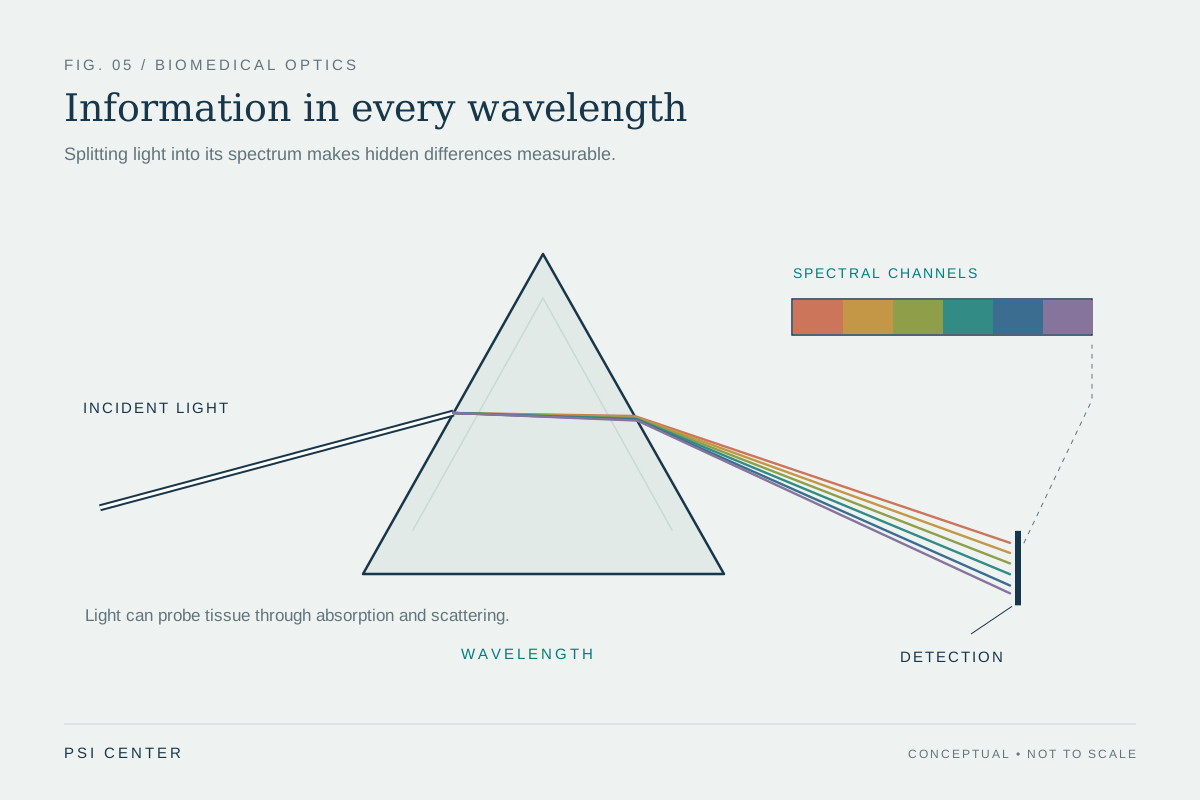
Explore the physics: an explanatory diagram
Sources & further reading
- Photodynamic Therapy to Treat Cancer National Cancer Institute
- Lasers in Cancer Treatment National Cancer Institute
Prepared for the independent PSI Center reading library. About edition dates and source checking.
This explainer describes scientific principles. It does not assess individual treatment choices.