If a treatment damages cancer cells in a laboratory, does that mean it will help a person with cancer? Not yet. A physical mechanism can make an idea plausible, while clinical studies must establish whether it can be delivered safely and whether it improves outcomes. That distinction matters because research results and established treatment answer different questions.
A mechanism is a starting point
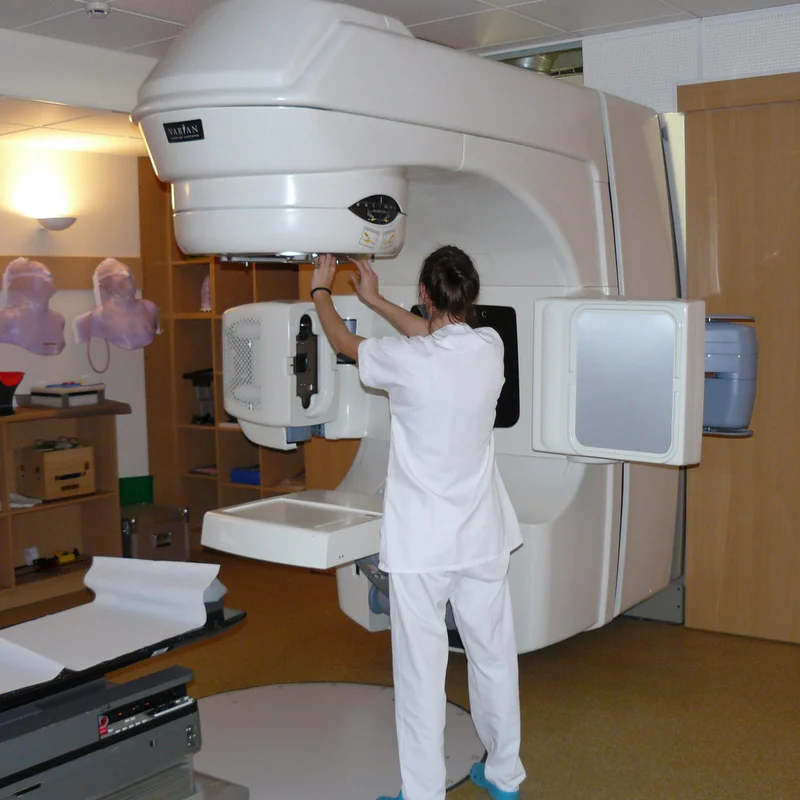
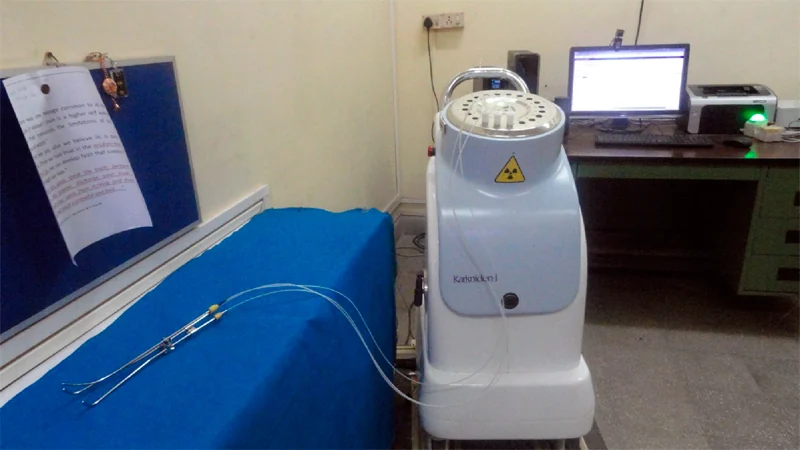
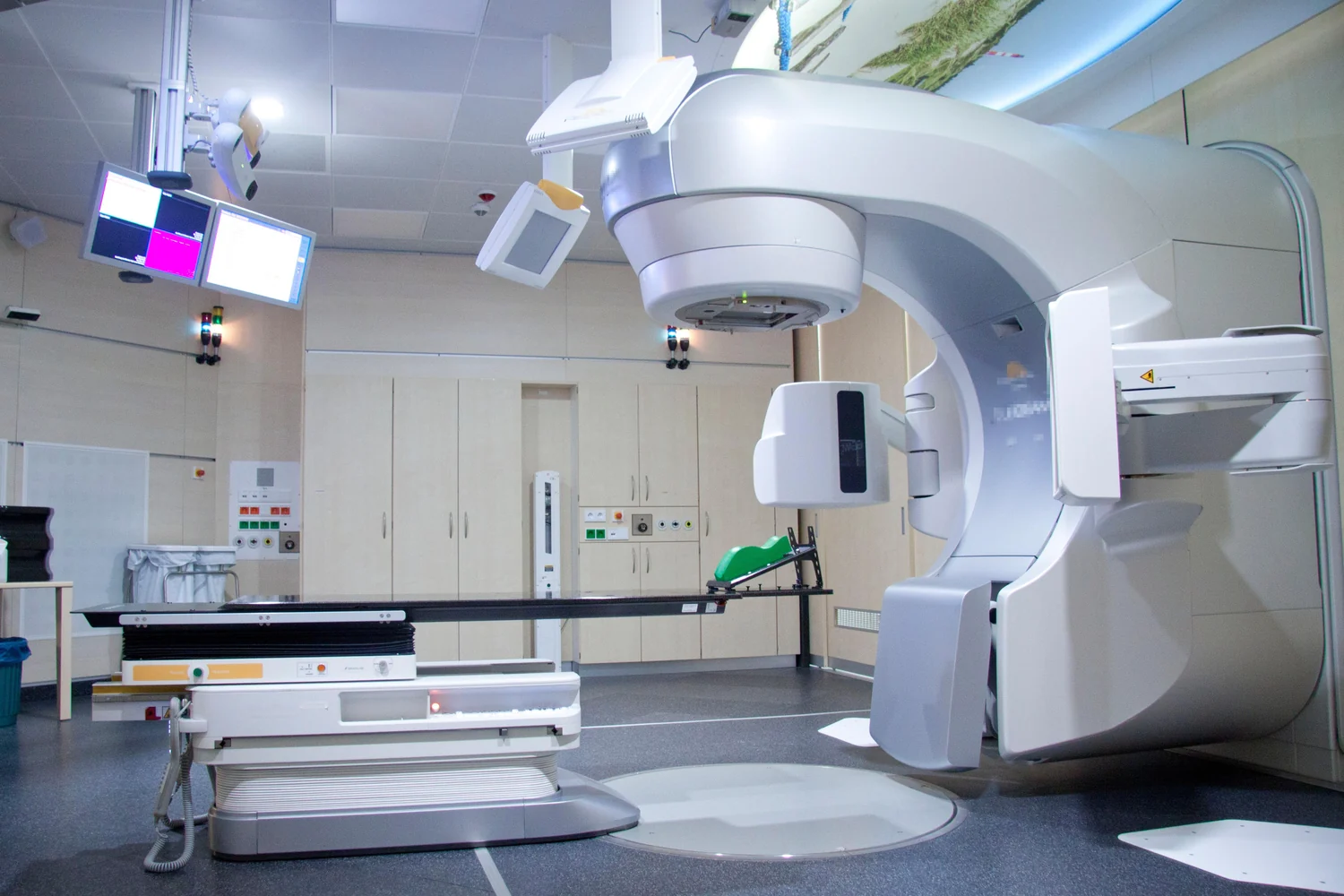
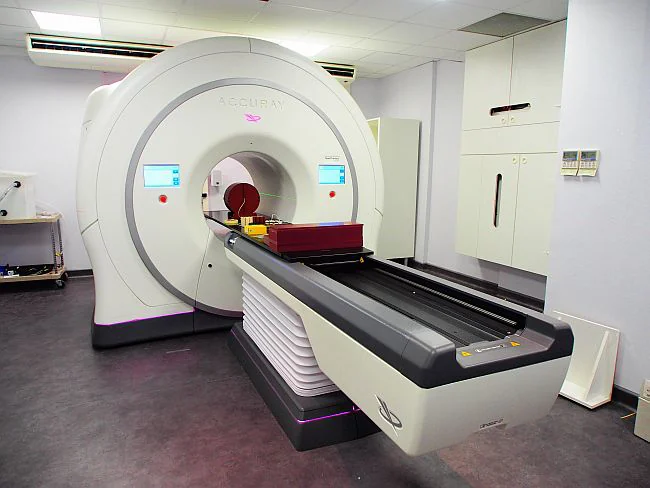
Radiation therapy offers a clear example of a treatment with an understood physical and biological pathway. High doses of radiation damage the DNA of cancer cells; when that damage cannot be repaired, cells stop dividing or die. The effect is not necessarily immediate: damaged cells may die over days or weeks, including after a course of treatment ends [2].
A mechanism explains how an effect might occur, but it does not by itself show how much benefit a patient will receive. Tumors differ in type, size, and location, and nearby healthy cells can also be affected. That is one reason radiation plans depend on the cancer and the surrounding anatomy, and why radiation may be combined with surgery or other treatments [2].
Trials ask focused questions
A clinical trial is a research study in people that tests a medical approach. Cancer trials can investigate treatment, prevention, screening, or supportive care, and each type is designed to answer a different question [1]. A treatment study, for example, may test a new therapy or a new way of using an existing one; its results should be understood in light of what the study was designed to measure.
The stage of evidence matters. Early human research often focuses on whether an approach can be given safely and how it behaves in a clinical setting. Later studies may be designed to assess benefit more directly. A favorable result at one stage can support further investigation without settling whether the approach works better than current care.
Safety and effectiveness are separate claims
Consider a hypothetical new therapy that can be administered during surgery and appears feasible in a small group. That finding would help answer a practical question: can the procedure be carried out, and what safety issues need attention? It would not, on its own, show that the therapy shrinks tumors, extends life, or works across cancer types. Those outcomes require evidence suited to those claims.
The distinction is especially important when a study has a small number of participants or combines an experimental approach with established treatment. If patients also receive surgery, a study may focus on safety alongside that surgery. It cannot automatically isolate the experimental therapy’s effect or establish it as a replacement for standard treatment. Trial design determines what conclusions are justified.
Why established care still has a role
Established cancer treatment is built from clinical evidence and is selected for a particular disease and patient context. Radiation therapy, for instance, may be used to cure cancer, prevent its return, slow growth, or relieve symptoms; its purpose and delivery vary with the case [2]. A research result becomes clinically meaningful through careful evaluation, not simply because its underlying physics or biology is compelling.
Clinical trials remain essential precisely because uncertainty persists. They can test whether a promising mechanism translates into benefits people can experience and help improve future care [1]. Reading a result carefully means asking what was tested, in whom, alongside what other treatment, and with which outcome. That keeps scientific promise visible while giving the evidence its proper boundaries.
Sources & further reading
- Clinical Trials: What Are the Phases? National Cancer Institute
- Radiation Therapy to Treat Cancer National Cancer Institute
Prepared for the independent PSI Center reading library. About edition dates and source checking.
This explainer describes scientific principles. It does not assess individual treatment choices.