What happens when a device meant to respond to the heart’s electrical rhythm encounters a strong magnet nearby? The magnet may change how some implanted devices operate, even though it does not touch them. This is a question of electromagnetic compatibility: the device must work as intended amid fields from the world around it. Understanding the interaction begins with the way sensing, control, and magnetic mode fit together.
A pacemaker is a feedback device
A pacemaker sends electrical pulses to help the heart beat at a normal rate and rhythm; some also help chambers beat in sync. The device’s electronics must detect relevant heart activity and decide when stimulation is needed [2]. In simplified terms, it is both a sensor and an actuator: it observes electrical events and can deliver a corrective pulse.
That makes timing central. A device that falsely senses an event or changes its operating mode may behave differently from its usual rhythm-control task. Electromagnetic compatibility asks whether external electrical or magnetic influences can disrupt this intended function. The concern is not that every field causes trouble, but that particular fields at close range can interact with particular device designs.
Why a magnet can change a mode
Some implanted devices have a magnet mode used during certain medical procedures. A sufficiently strong magnetic field near the implant can activate that mode, and removing the field allows the device to return to its normal operation [1]. The mode is built into the device as a feature; an external magnet can trigger it without a direct connection or physical contact.
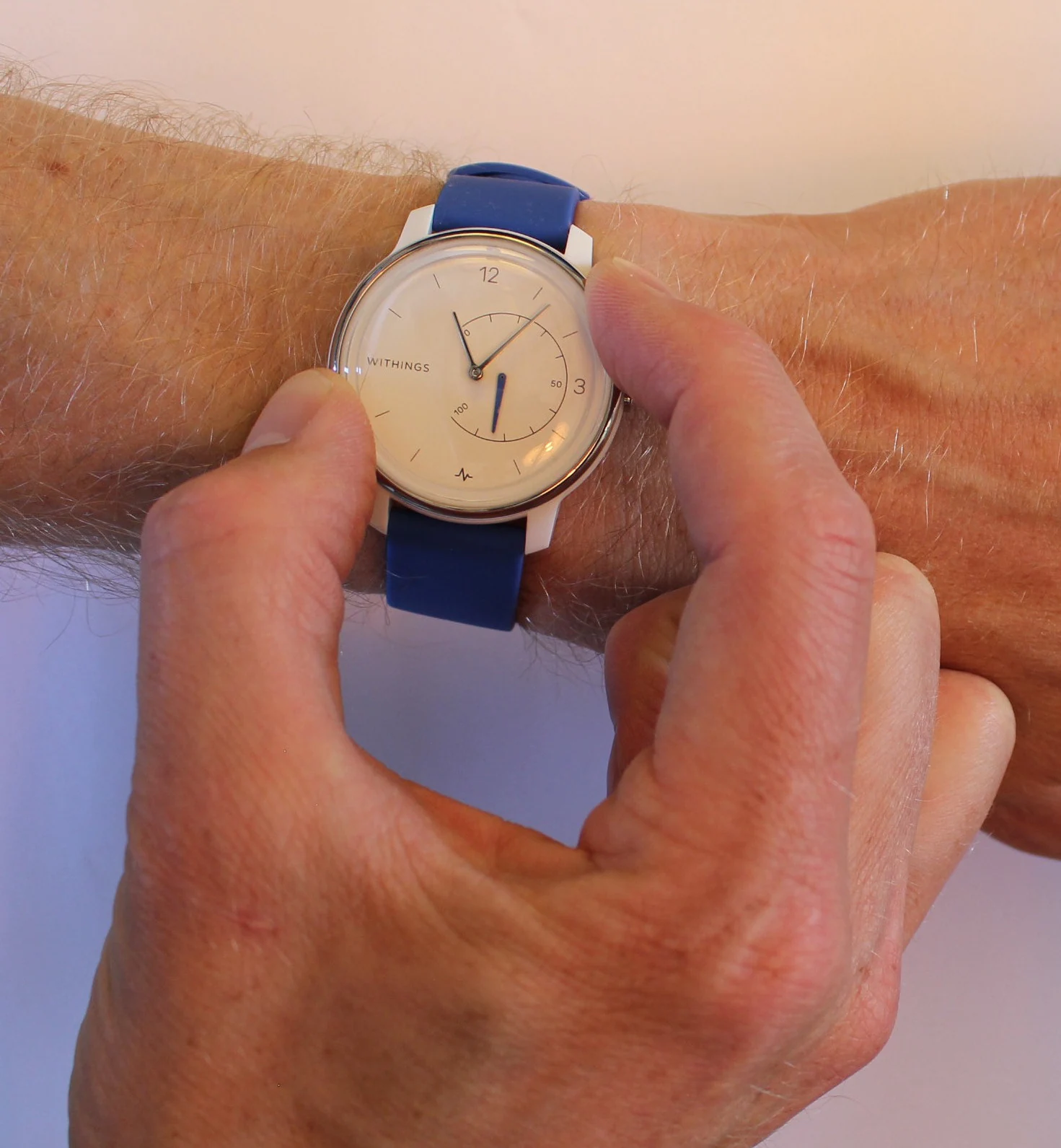
Consider a small electronic switch controlled by a magnetic field. The field can cross the device casing and influence the switch, just as a key can operate a lock without changing the lock’s construction. Consumer electronics that include high-field-strength magnets, including some phones and watches, may therefore affect certain implants when brought very close [1].
Different devices, different consequences
The effect depends on the implant and its programmed behavior. FDA notes that a cardiac defibrillator may be unable to detect tachycardia events while in magnetic safe mode; a pacemaker may switch to asynchronous operation, in which events are not synchronized in the usual way [1]. This is why “electromagnetic interference” is not one uniform failure. The interaction can alter a specific function or mode.
Pacemakers and related cardiac devices support heart rhythm disorders, and a missed therapy can have serious consequences. At the same time, FDA characterized the risk from the consumer magnet issue as low and reported no associated adverse events in the source text [1]. The practical engineering challenge is to reduce unintended triggering while preserving the intentional use of magnet-sensitive modes.
Compatibility is designed and managed
Device design, labeling, and use conditions all contribute to compatibility. NHLBI notes that people with pacemakers may need to avoid certain electrical devices or devices with strong magnetic fields [2]. FDA’s patient guidance for the cited consumer electronics recommends keeping potentially interfering phones and watches at least six inches from an implanted device and avoiding carrying them in a pocket over it [1].
These precautions illustrate a broader principle: an implant is not electrically isolated from its surroundings simply because it is under the skin. Its function depends on signals, components, and the environment interacting predictably. Compatibility engineering aims to make those interactions manageable, while patient information makes the relevant boundaries understandable in everyday settings.
Sources & further reading
Prepared for the independent PSI Center reading library. About edition dates and source checking.
This explainer describes scientific principles. It does not assess individual treatment choices.