How can a small magnet in a watch affect a device inside the chest without touching it? The answer lies in a magnetic sensor built into many implanted heart devices. That sensor can respond to a sufficiently strong field, causing a programmed change in operation. Understanding the interaction means distinguishing the pacemaker’s ordinary electrical work from the special mode it may enter near a magnet.
A device that listens for the heartbeat
The heart’s rhythm is coordinated by electrical activity. In some arrhythmias—conditions in which the heart beats too slowly, too quickly, or irregularly—a pacemaker sends electrical pulses to help maintain a normal rate and rhythm. Some pacemakers also help chambers beat in sync so the heart can pump more efficiently. The device is usually placed in the chest or abdomen, with wires that connect it to the heart. [2]
In ordinary operation, the pacemaker monitors the heart and supplies support when needed. A magnet does not need to make physical contact to influence it: magnetic fields extend through surrounding space, and the device’s sensor can detect a field that is strong enough and close enough. The effect depends on the implanted device’s design and programming, so “pacemaker” does not describe one identical response in every person.
Why a magnetic mode exists
Many implanted cardiac devices include a magnet mode intended to support safe operation during certain medical procedures. A clinician can use a high-strength magnet to engage that mode; when the field is removed, the device can return to its normal operation. This is a deliberately engineered response, not evidence that a magnet is supplying power to the heart or scrambling every electrical signal. [1]
The exact change matters. The FDA explains that a pacemaker may switch to an asynchronous mode, in which its pulses are no longer timed in the usual way to sensed heart events. An implanted defibrillator may instead be unable to detect a fast rhythm and deliver a needed shock while affected. These are distinct devices and consequences, but both show how one external field can alter a programmed function. [1]
A field falls with distance
A useful mental picture is a speaker magnet near a compass. The compass needle turns because the magnet’s field reaches it across a gap; no wire connects the two. In an implanted device, the sensor plays the role of the compass, although its response is electronic and governed by the device’s circuitry. Moving the source farther away weakens the field at the sensor, often below the level that can trigger the response.
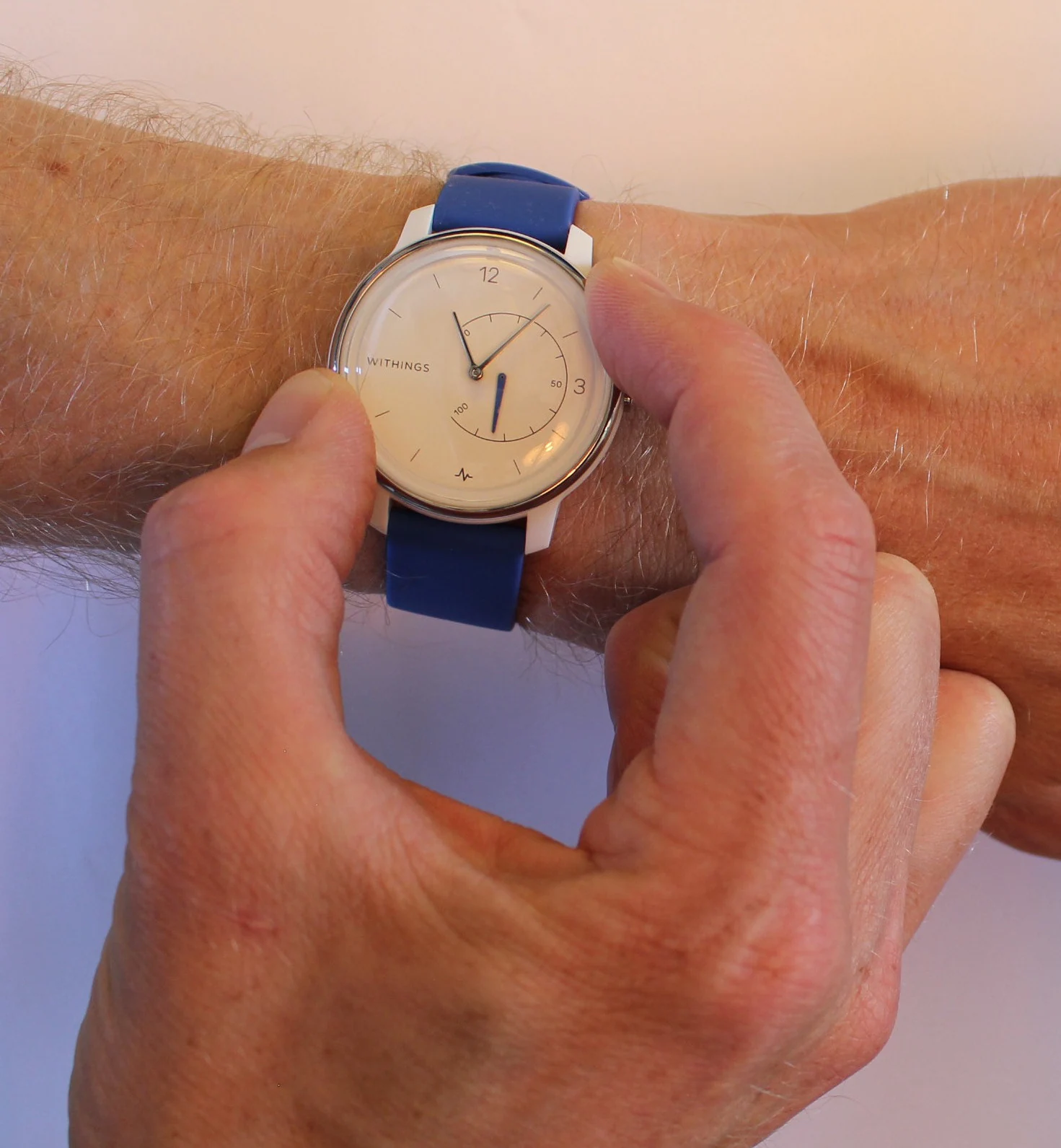
Some consumer electronics, including certain phones and smart watches, contain high-field-strength magnets. FDA testing confirmed that magnets in some products can be strong enough at close range to activate magnetic safety modes in certain implanted devices. The agency described the overall risk as low and said it was not aware of adverse events related to the issue at the time of its reference. [1]
Everyday spacing is practical physics
For people with implanted devices, FDA recommends keeping potentially interfering consumer electronics at least six inches (15 centimeters) away, and not carrying them in a pocket directly over the implant. That spacing is a practical way to reduce the field reaching the sensor; it is not a claim that every electronic device contains a magnet or that every close encounter causes a problem. [1]
Many people with pacemakers can return to regular activities, while some may need to avoid particular equipment or strong magnetic fields. Remote monitoring and scheduled visits can help clinicians check device activity. If symptoms occur or a person has questions about a specific device, the FDA advises contacting a health care provider. The central lesson is that distance can matter even when two objects never touch. [2]
Sources & further reading
Prepared for the independent PSI Center reading library. About edition dates and source checking.
This explainer describes scientific principles. It does not assess individual treatment choices.