What exactly is a wrist or fingertip sensor measuring when it reports a heartbeat? It may be detecting light changes caused by blood moving through tissue, not the heart’s electrical command itself. An electrocardiogram, by contrast, records voltage signals generated by the heart. Both can reveal timing, but they observe different stages in the route from electrical activation to a pulse in the circulation.
The heart’s electrical timing
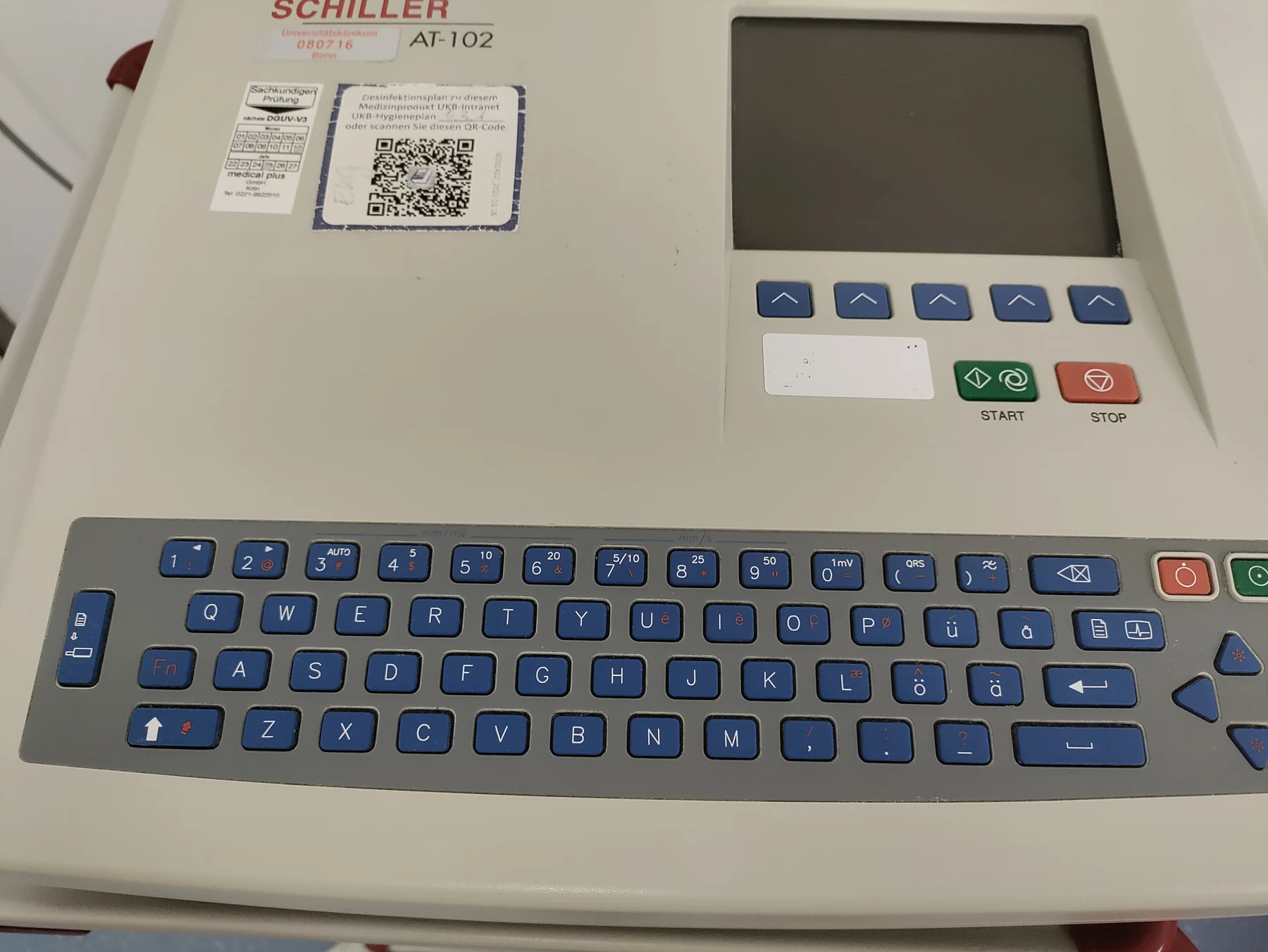
Each heartbeat is coordinated by electrical signals that tell the heart’s chambers when to contract. An electrocardiogram, or ECG, records those signals through electrodes placed on the skin. Its familiar trace includes the P wave, QRS complex, and T wave, which relate to activity in the upper chambers, lower chambers, and recovery after contraction, respectively [2].
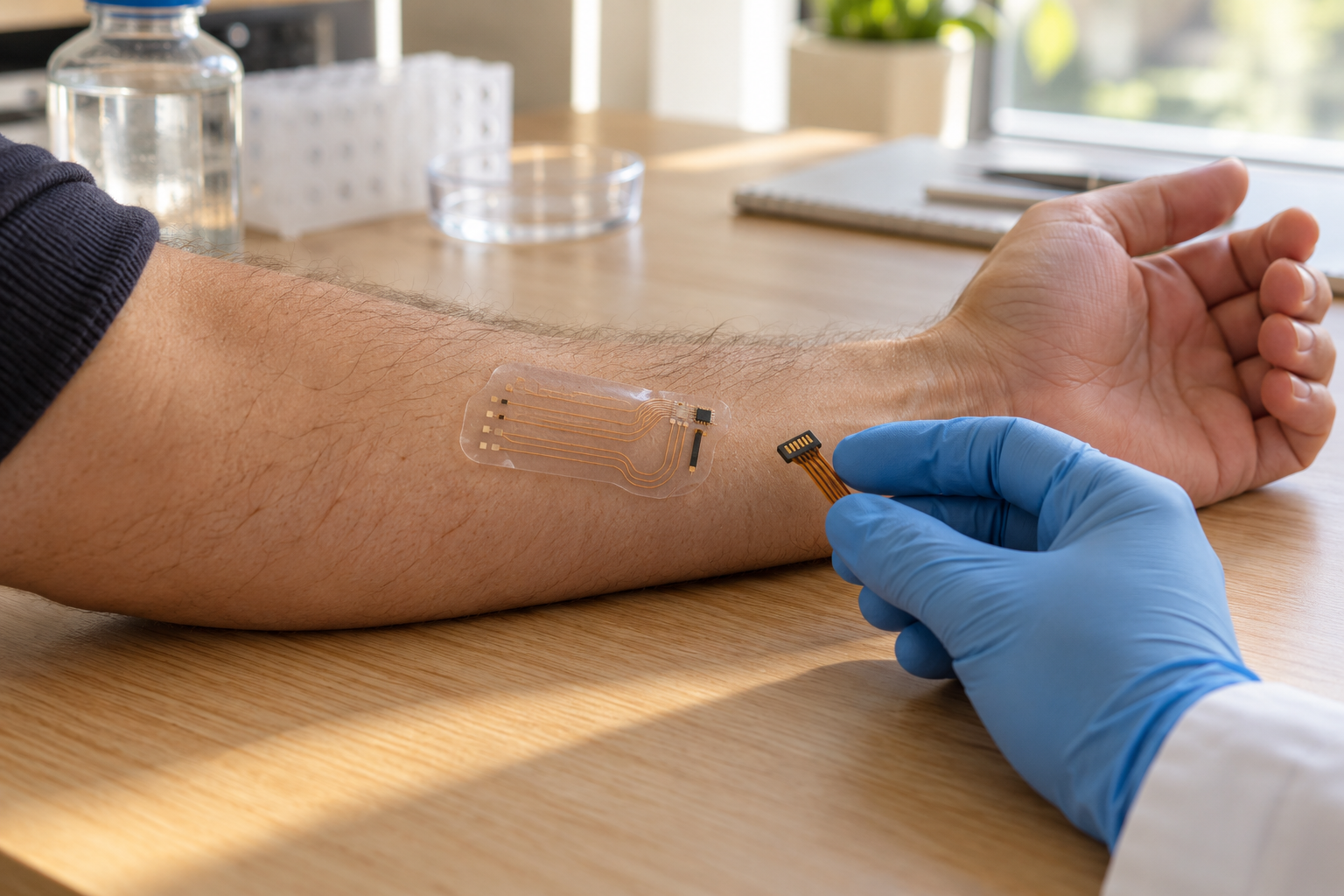
The ECG is therefore an electrical measurement. The electrodes do not send electricity into the body; they detect signals already produced by the heart [2]. A useful analogy is listening to the control signals sent to a machine rather than watching the machine’s output. The ECG shows the electrical coordination, while a pulse sensor observes a downstream consequence in blood flow.
Light detects a moving blood volume
A pulse oximeter shines red and near-infrared light through a fingertip and measures how much reaches a detector on the other side. Oxygenated and deoxygenated blood absorb these wavelengths differently. As blood volume in the finger changes with each pulse, the light signal changes too; the device uses those patterns and ratios to estimate oxygen saturation [1].
The optical signal is thus shaped by both blood and the path light takes through tissue. It is not a direct reading of the heart’s electrical wave. Imagine shining a flashlight through a hand while someone gently presses and releases a fingertip: the amount of light at the far side changes as tissue and blood alter the optical path. A pulse oximeter analyzes a more specific version of such changes to estimate oxygen level and pulse timing [1].
Related measurements, different failure points
Because the two sensors observe different parts of the process, their limitations differ. Motion can disturb an optical pulse reading, as can poor fingertip blood flow or nail polish. The pulse oximeter’s accuracy also tends to decrease at lower oxygen saturation, and research described by NHLBI notes overestimation in patients with darker skin tones, in part because melanin absorbs red and near-infrared light [1].
An ECG trace can reveal heart rate, rhythm, and the timing and strength of electrical signals passing through the heart, but it is a snapshot when recorded briefly. If symptoms come and go, a short ECG may not capture an event; longer monitors can record electrical activity over days or longer [2]. The distinction is not that one sensor is universally better, but that each sees a different physical quantity.
A pulse is not the whole heartbeat
Imagine a wave traveling along a water-filled hose after a pump starts. The pump’s action and the traveling pressure pulse are connected, but they are not the same event. Similarly, the heart’s electrical activation precedes coordinated contraction, which propels blood and produces a changing optical signal at the fingertip. Differences in timing or signal quality can arise along that chain.
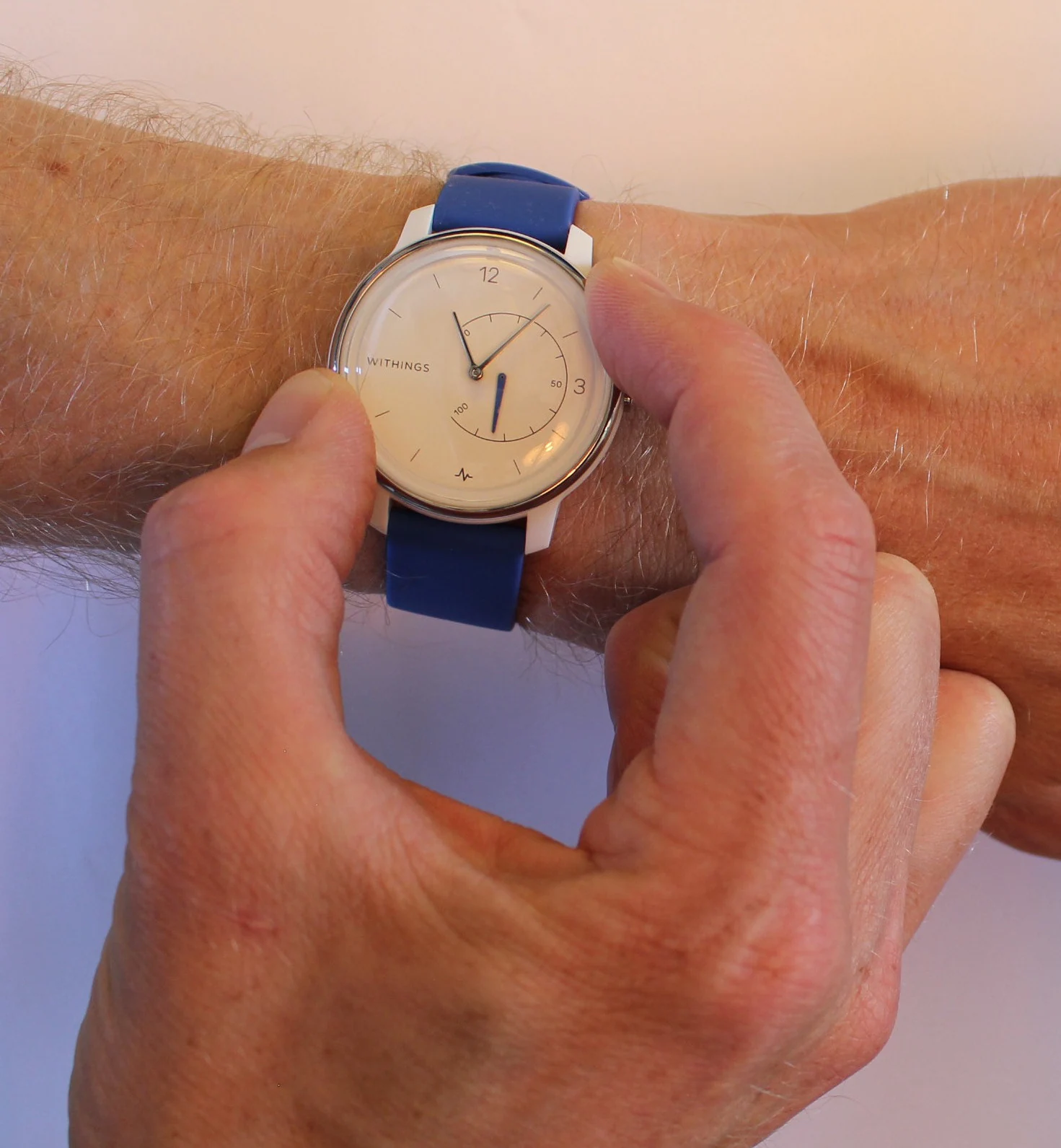
That is why a wearable optical sensor and an ECG should not be treated as interchangeable instruments. The optical method can estimate a pulse from light absorption, while an ECG records electrical signals and can help clinicians assess rhythm and other features alongside history and additional tests [1] [2]. A number labeled “heart rate” may summarize timing, but the underlying waveform tells us what was actually observed.
Sources & further reading
- Updating Pulse Oximeters NHLBI
- Electrocardiogram MedlinePlus
Prepared for the independent PSI Center reading library. About edition dates and source checking.
This explainer describes scientific principles. It does not assess individual treatment choices.