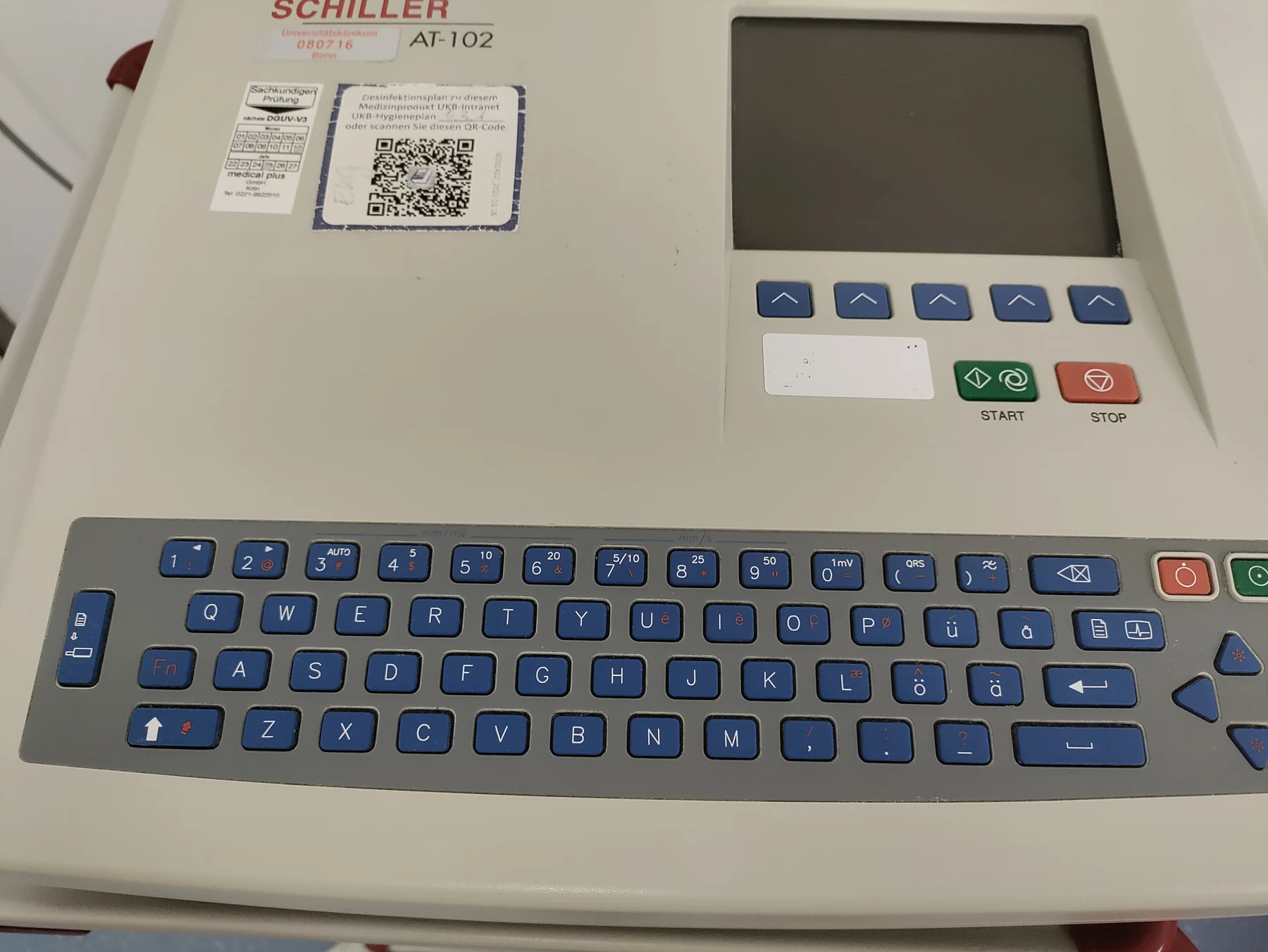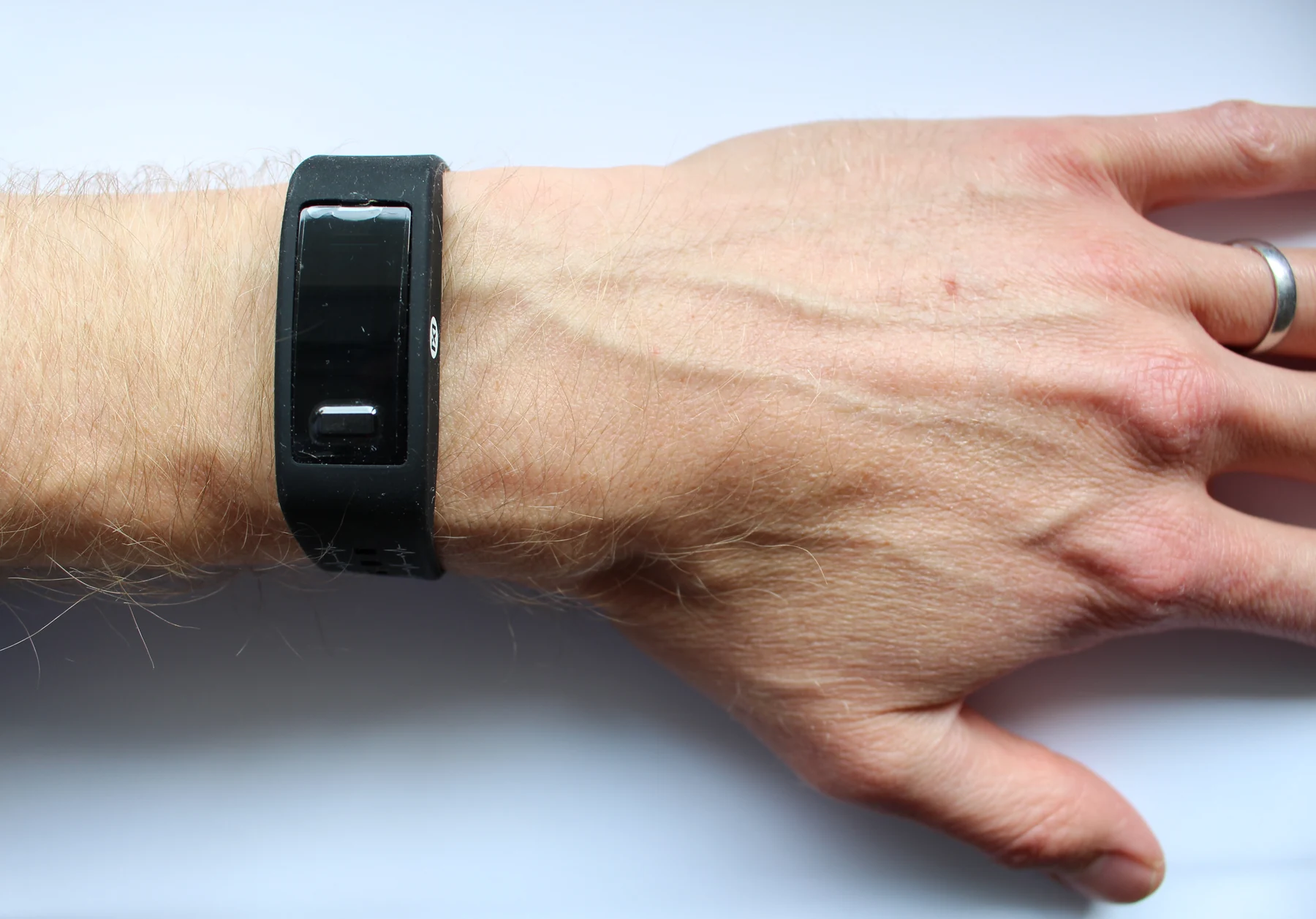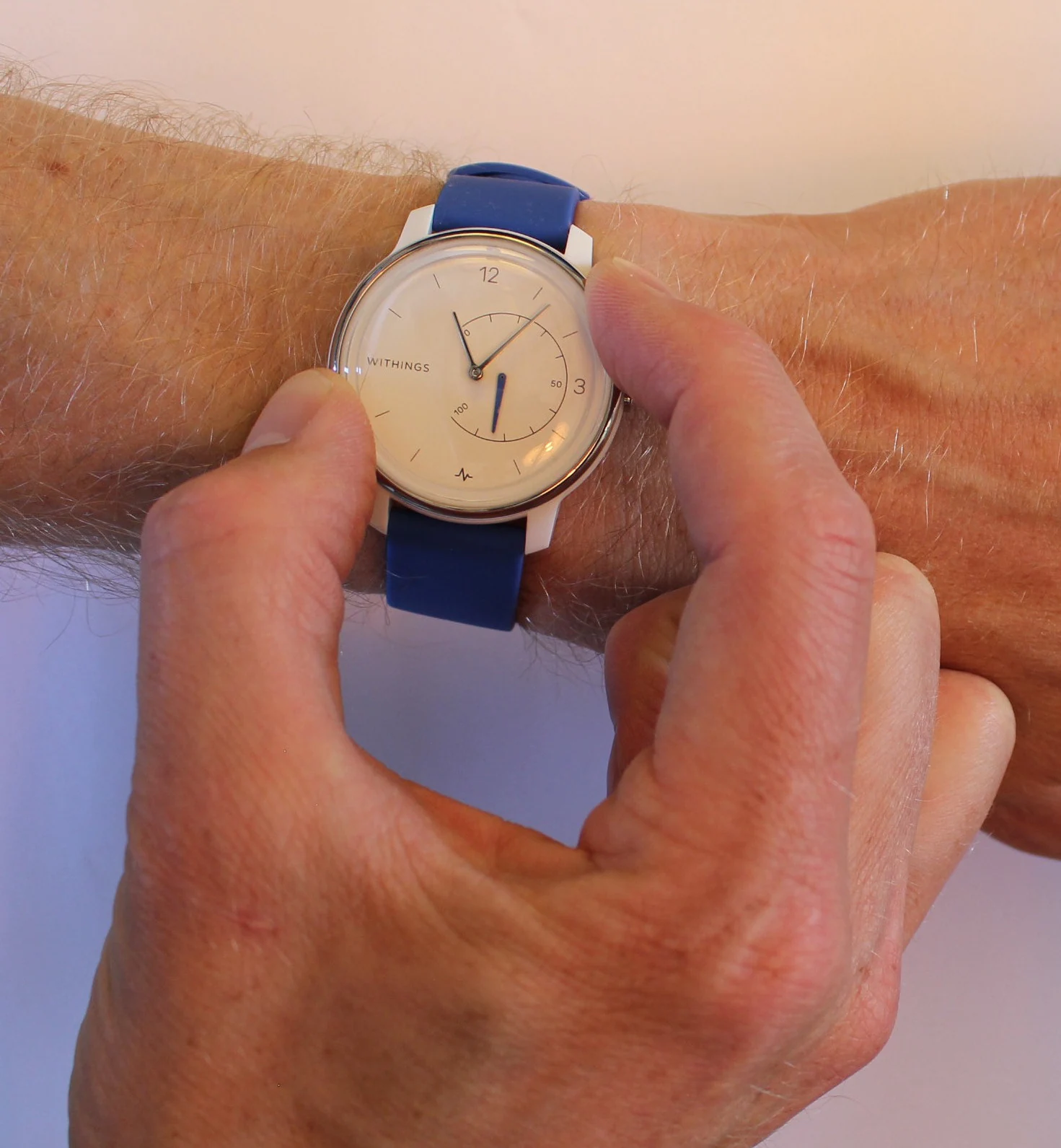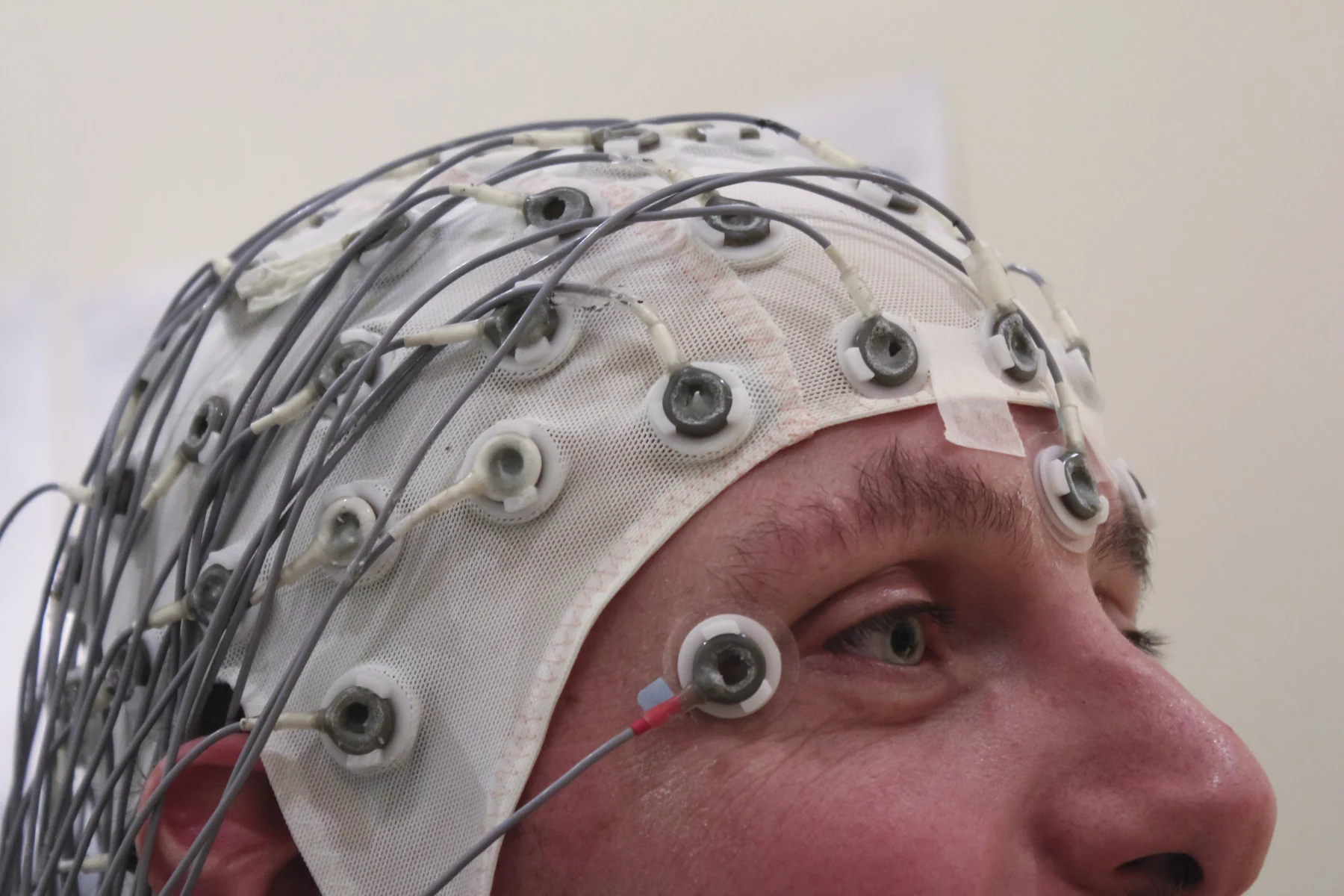
How can a test turn a few drops of fluid into a result that can guide a decision? It has to move the sample, bring a target molecule into contact with a sensing chemistry, and convert that encounter into a signal a person or instrument can interpret. Microfluidic systems do this in small channels, where modest volumes can be directed through several steps. The physical scale is compact; the reasoning behind a trustworthy result still depends on specificity, sensitivity, and the limits of the test.
Channels control the sample
A microfluidic device handles small volumes through narrow channels and chambers. At this scale, surface effects become important: fluid can be guided through patterned paths, and tiny reservoirs can arrange a sample and reagents in sequence. The device may rely on capillary action, pressure, or another driving force to move liquid. Its job is not merely to hold a droplet, but to deliver the right portion to the right sensing region.
Picture a branching stream that reaches a filter and then a reaction zone. The channel geometry can help separate or route components, while a reagent may bind to a target or participate in a chemical reaction. In a familiar lateral-flow test, a visible line appears through binding interactions. Other sensors might read electrical, optical, or chemical changes. The physical signal is evidence of an interaction, not a diagnosis by itself.
Turning chemistry into a readable signal
A sensor detects and responds to an input from its environment. Biomedical sensors can track biological, chemical, or physical processes and report data to users or health professionals [2]. In a small test, the input might be a molecule in blood, saliva, or urine. A receptor or reagent interacts with that target, and the device translates the interaction into a color, light level, electrical current, or another measurable output.
The signal must be connected to the target in a controlled way. If unrelated molecules also trigger the response, the device can produce false positives; if small amounts of the target go undetected, it can produce false negatives. Sensitivity is a test’s ability to identify people with the condition, and specificity its ability to identify those without it [1]. These are properties of test performance across groups, not guarantees that every individual result is correct.
Why a rapid result can matter
Rapid diagnostics are designed to work near the point of care, often with easy-to-collect samples and results usually available within an hour or less [1]. That speed can matter when a clinician is deciding next steps during one visit. COVID-19 antigen tests, glucose tests, and pregnancy tests illustrate how different targets can be converted into practical readouts, though they do not all measure the same kind of thing.
Consider a clinic test that detects an infectious agent. A sample enters the device, target molecules encounter capture chemistry, and accumulated binding creates a signal. A visible result may help guide a decision sooner than sending a sample to a distant laboratory. But speed does not erase the need to interpret a test in context: the result reflects the sample, timing, test design, and performance characteristics. A negative result is not a universal statement about health.
Small hardware, full validation
Miniaturization can make testing portable and reduce sample volume, but it can also make manufacturing consistency and sample handling crucial. A channel that is blocked, a reagent that degrades, or a poorly collected sample can alter the signal. A complete diagnostic system therefore includes materials, instructions, controls, and validation, not just a clever microchannel.
Some sensor technologies remain research tools. NIBIB describes experimental circulating nanosensors for drug monitoring that were tested in mice, and wearable sensor research that tracks physiological information [2]. Such examples show what sensing principles may enable, not that every sensor is a clinically established diagnostic. In practice, a microfluidic test earns confidence when its signal has been tested against appropriate reference methods and its strengths and limitations are understood.
Sources & further reading
- Rapid Diagnostics NIBIB
- Sensors NIBIB
Prepared for the independent PSI Center reading library. About edition dates and source checking.
This explainer describes scientific principles. It does not assess individual treatment choices.